 Stonestown Winter Farmers Market Picker for Student Cooks
Weekend Plans
SF Urban Wildlife Sanctuary: Watch North Lake From Shore
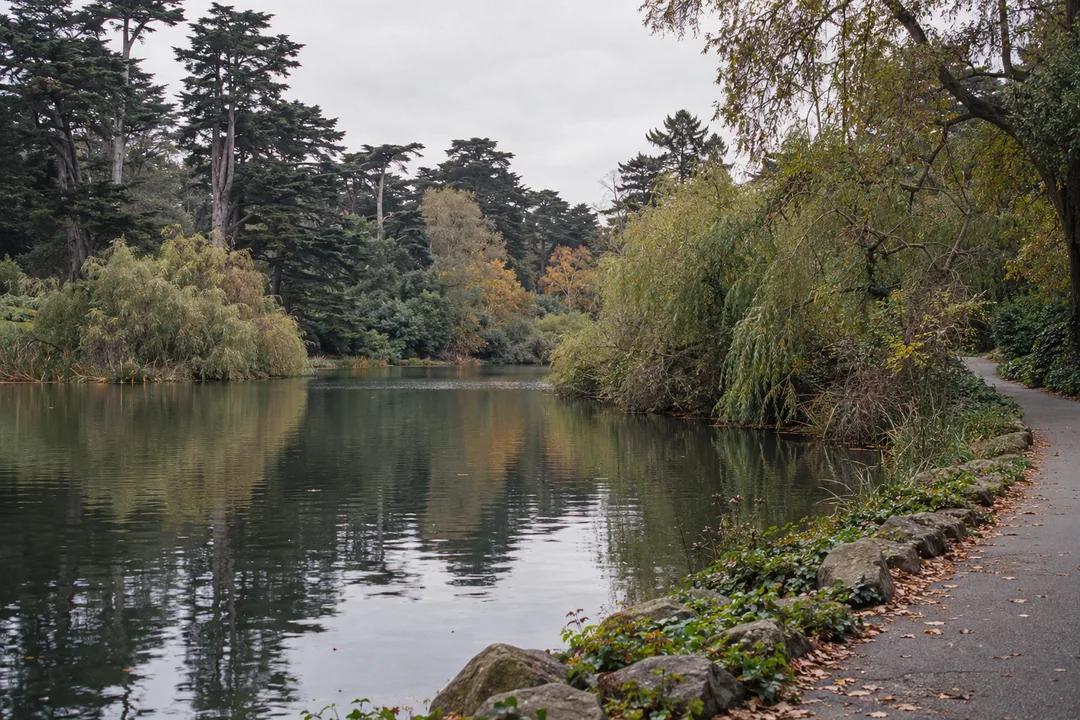
North Lake in Golden Gate Park suits shore-based birdwatching, with wooded edges and open water to observe while keeping clear of the lake itself.
North Lake gives an SF urban wildlife sanctuary outing a clear subject: watch the meeting of wooded shoreline and open water. San Francisco Recreation and Parks describes this part of Golden Gate Park's Chain of Lakes as a place with diverse birdlife and a pedestrian-only roadway. For a first visit, choose patient observation over trying to tour every lake. The result can be a focused birdwatching pause that fits into a wider park day without becoming a complicated expedition.
North Lake is one chapter of the Chain of Lakes
The city's lake description groups North, Middle and South Lakes together and associates their rustic design with John McLaren. That context helps distinguish this outing from a generic search for a pretty pond. Keep North Lake as the named focus when planning with a companion. “Meet at the lake” is an ambiguous instruction in a park with several bodies of water, and arriving with different destinations in mind is an avoidable way to lose the pleasure of a short visit.
Decide whether you want the wooded-water experience or a broader tour of Golden Gate Park. Both can make sense, but they require different levels of commitment. If the group mainly wants to watch birds, give that activity room before adding other attractions. If someone wants a faster walk, say so at the start. A shared plan should make space for frequent pauses instead of quietly treating them as delays on the way to the real destination.
Watch the surface before searching the branches
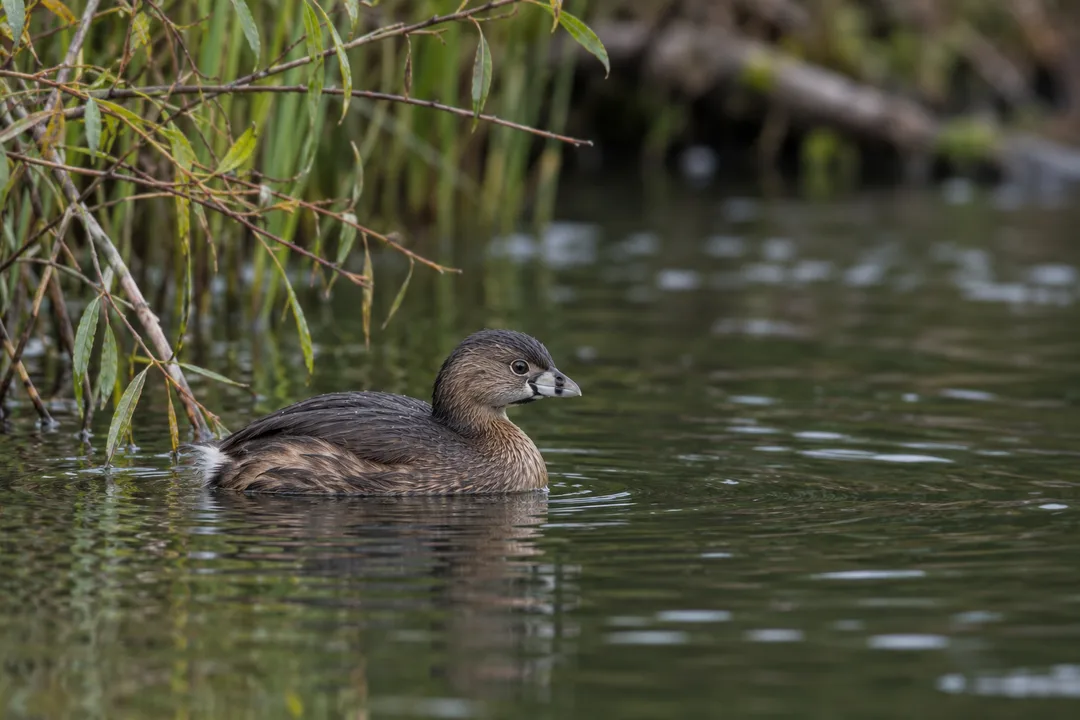
Begin by observing an area of open water from a comfortable public position. Notice the difference between a moving object and a reflection, and between a bird's movement and ripples spreading after it. You do not need to identify a species immediately. Describe direction, size and behavior while the subject remains visible. For a beginner, a clear account of what a bird did is often more useful than an uncertain name written down without supporting detail.
Then turn toward the vegetation bordering the view. Instead of trying to inspect every branch, compare a small section of cover with the open water you just watched. What can you see easily, and what remains concealed? This is an observation exercise, not a claim that every section contains an animal waiting to be found. Resist the temptation to enter the shoreline vegetation simply because a movement disappeared behind it. Concealment is part of what makes habitat useful to wildlife.
For a group, share sightings with ordinary landmarks. “Beside the low branch” gives another person more help than an excited “there.” If the subject moves, describe the change without rushing everyone along the bank. Let the less experienced observer have time to locate it. A visit becomes more welcoming when people can participate without being expected to understand a stream of specialist terms or keep pace with someone else's rapidly changing checklist.
A birding reputation is not a sighting guarantee
The Golden Gate Bird Alliance has described North Lake as a birding destination with varied seasonal interest. Its account includes both waterbirds and birds using the surrounding trees and thickets. Use that reputation to understand why people spend time here, not to promise that a particular species will appear on your visit. A historical list of observations is a record of possibilities across many outings. It is not a menu from which a visitor can place an order.
If you enjoy keeping notes, divide them into direct observations and later identifications. Write what you could see before searching for a match. A compact shape on the water, a short bill or a particular movement may be useful, but only record a feature if it was actually visible. Leave uncertain entries unresolved when necessary. The point of a notebook is to preserve information, not to turn a partly seen animal into a more impressive story.
An experienced birder accompanying a newcomer can make the visit generous by choosing one encounter to explain carefully. Talk through the evidence rather than only supplying a name. Someone who prefers photography can make an environmental image that includes the bird and the surrounding water. Those approaches can coexist. Neither requires moving closer when the animal's position makes a detailed photograph difficult, and neither makes an ordinary sighting less worthwhile than a rare one.
The water warning changes how to use the shoreline
The official Golden Gate Park lakes page carries a specific North Lake warning about toxins from algae. Its instruction is to stay out of the water and avoid scum because people and animals can be harmed. Plan this as a shore-based observation visit. Do not let a quiet-looking surface become an invitation to wade, collect water or encourage an animal into it. The warning belongs in the decision about the outing, even when the photograph looks peaceful.
For a family, explain that boundary before reaching the edge. You can look at water without touching it, and a nature activity does not need a sample to take home. Keep pets away from the water and follow posted controls. If a particular area does not allow the group to remain comfortably back from the edge, choose another permitted viewing position or shorten the stop. A good observation exercise should be easy to abandon when it no longer suits the setting.
Give a quiet lake a different kind of souvenir
Try making a short written scene instead of collecting more photographs. Use a few concrete details: the shape of a branch, the direction of a ripple or the contrast between a dark bank and brighter water. Keep imagined events out of the account. You can write an engaging memory without claiming to have seen a nest, heard a particular bird or met a regular visitor. Accurate small details give the place more character than an invented dramatic moment.
This is also an option for a companion who does not enjoy bird identification. Ask what they would include in a postcard of the lake, then compare answers after the pause. One person may choose the water and another the wooded edge. The difference can be the conversation. There is no requirement that everyone leave with the same favorite subject, or that an outing devoted to wildlife must exclude the pleasure of looking at the landscape around it.
Practical Notes before the wider park takes over
Bring binoculars if you have them, a layer and water for yourself. Keep belongings clear of the pedestrian route while stopping. Take food scraps away and do not feed animals to improve a view. A shore-based visit can remain short, especially if someone becomes cold, tired or restless. You do not need to continue around other lakes merely because their names appear together in a park description.
When you are ready for a different activity, use the Karpo APP to ask for ideas for the rest of your Golden Gate Park outing. State whether you want more walking, a cultural stop or a change of scene indoors. North Lake can remain the whole nature portion of the day. Leave with an honest account of what you observed and what you did not identify, and let a future visit answer a different question rather than trying to extract every possible experience from the first one.
Ask Karpo for more information.
Keep reading
- Stonestown Winter Farmers Market Picker for Student Cooks
 Clement St Winter Farmers Market Picker for Lunar New Year
 Fort Mason Winter Farmers Market Picker for Citrus Bakers