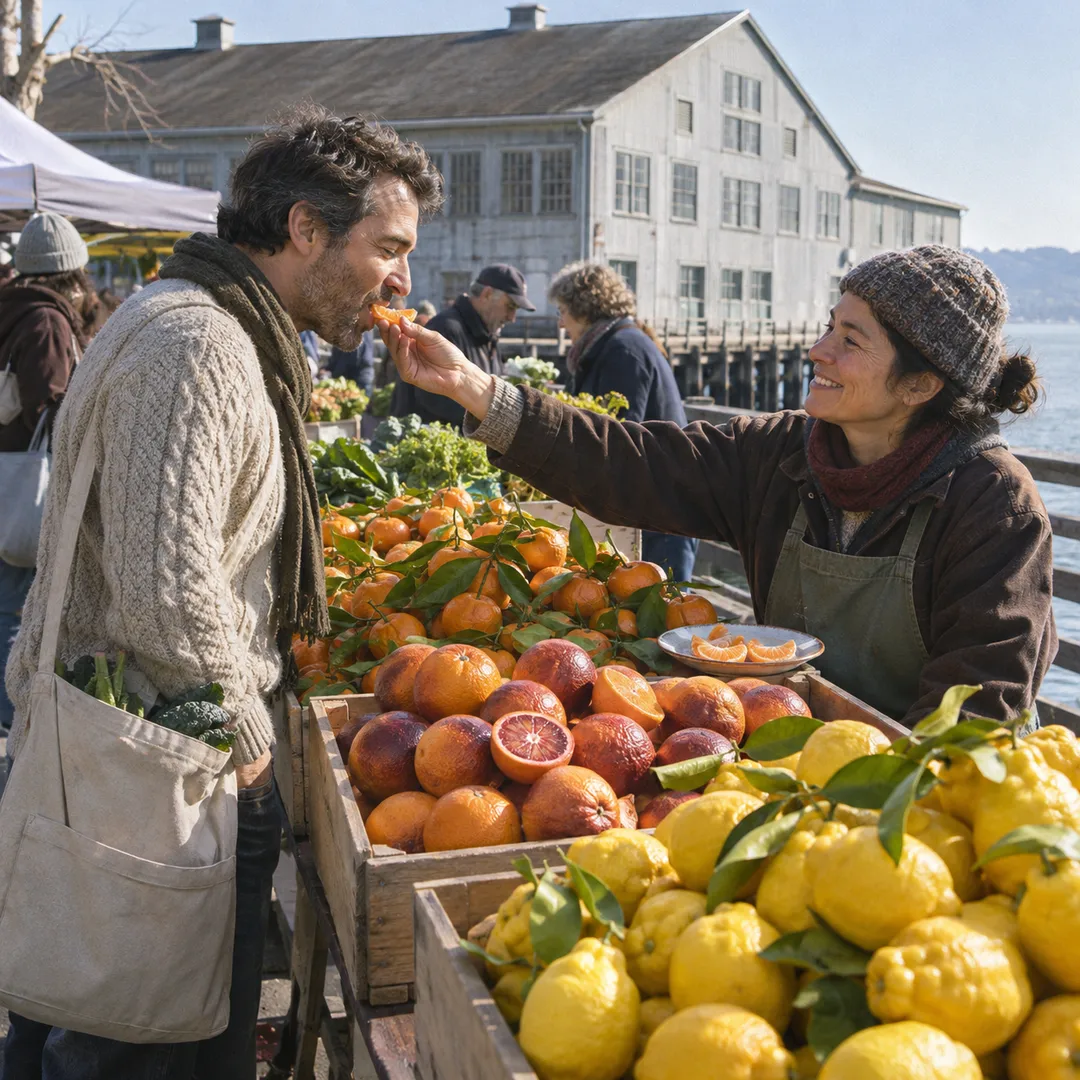
 Stonestown Winter Farmers Market Picker for Student Cooks
Weekend Plans
SF Urban Wildlife Sanctuary: 3 Layers of Glen Canyon
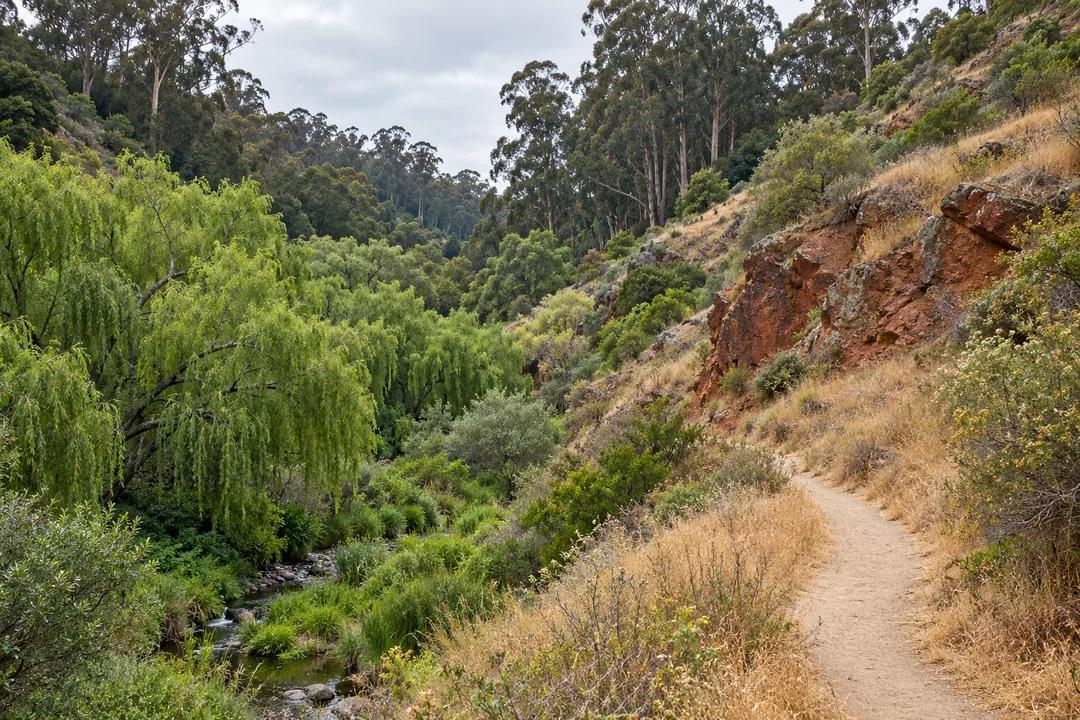
Glen Canyon pairs Islais Creek with rocky slopes and scrub, giving SF wildlife walkers a way to read contrasting habitats without chasing animal sightings.
Glen Canyon makes an SF urban wildlife sanctuary walk about a creek and its surrounding slopes, rather than a checklist of animals. The city's park description identifies Islais Creek, chert outcrops and several adjoining habitats as the canyon's defining features. A useful first visit follows that contrast: look at the damp, sheltered vegetation, then compare it with the drier ground above. You can enjoy the change without knowing the name of every plant or promising yourself a particular bird sighting.
The canyon starts where the playing fields stop
The recreation facilities and the natural area serve different purposes. San Francisco Recreation and Parks describes the canyon beyond the recreation center, ball field and tennis courts as wildlife habitat. Keep that distinction in mind when setting the tone for a visit. A group arriving from a game may want to lower its voices before looking for birds. Someone coming specifically for nature may prefer to make the creek the main destination rather than treating it as the approach to something else.
Before walking farther, agree on what the outing needs to accomplish. A person seeking exercise might want a sustained climb, while a person interested in the stream may want to stop frequently. Neither preference is wrong, but they make different walks. Choose a shared turning point or let a faster walker take a separate outing. The canyon is easier to appreciate when nobody is apologizing for pausing or feeling obliged to keep up with a pace they did not choose.
Read the creek through what grows beside it
The official description places willows and horsetails beside Islais Creek and explains how streamside plants support insects and the animals that eat them. Use that as the starting point for an observation exercise. From the trail, look for changes in leaf shape and the density of vegetation near the channel. Then notice where that vegetation gives way to a different texture. You are tracing a boundary in the landscape, not looking for an opportunity to enter the streambed.
For a child, ask which part of the view looks most sheltered and why. Let the answer be a description rather than a right or wrong response. A patch of leaves can look protected even when the child does not know what grows there. For an adult, try the same exercise without immediately reaching for an identification app. Naming can come later. First establish what you can actually see: height, shape, shade, water and the relationship between them.
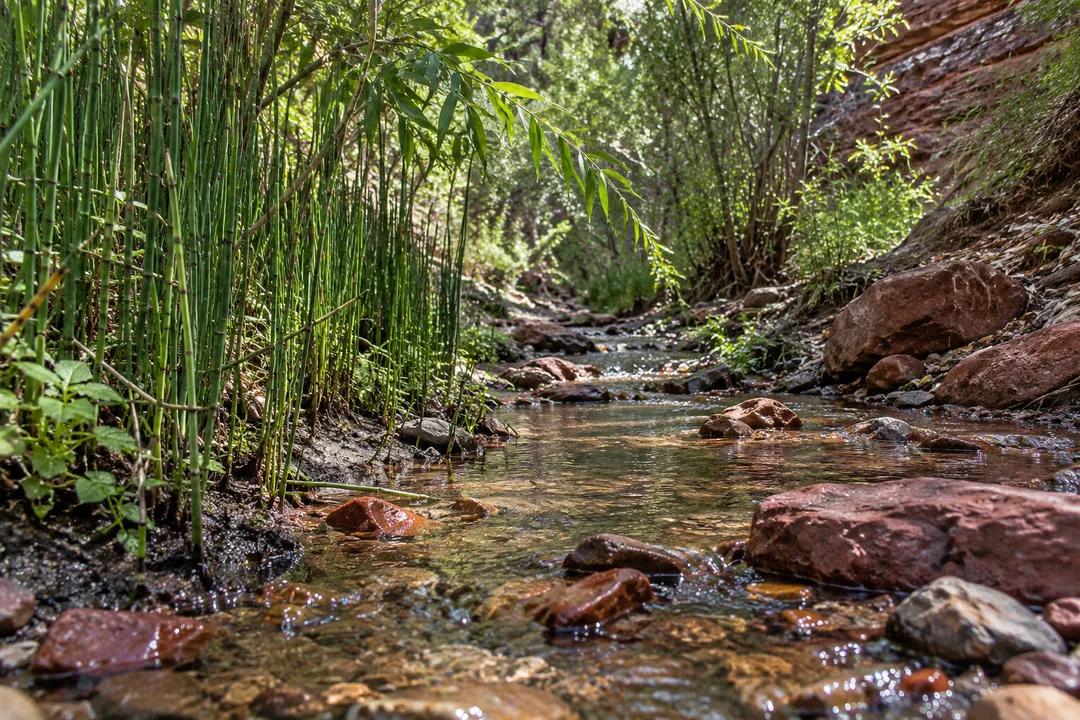
Keep any creature you notice in its surroundings. If an insect is moving on a leaf, you can watch its direction and pauses without touching the plant. If something disappears, let that be the end of the encounter. Pulling branches aside or turning over objects to recover the view changes the activity from observation to disturbance. A photograph of the visible habitat, taken from the path, can preserve the question without requiring you to expose the animal again.
Red rock changes the scale of the afternoon
Chert formations give Glen Canyon a subject that stays available when wildlife does not cooperate. The city's description specifically identifies these rocks as part of the park's character. Try framing a section of outcrop together with nearby vegetation instead of photographing only a dramatic rock face. The contrast between a hard exposed surface and leaves around it makes the canyon easier to describe to someone who has never visited. Keep your feet on the established route while looking.
This is a good place to abandon the idea that a nature visit needs constant movement. Pick one visible formation and describe its lines, color and relation to the slope. Then compare the view from another permitted part of the path. You do not need to climb onto the rock to make the comparison. If your group wants an activity, ask each person to choose a different detail and explain it. That gives everyone a role without turning the outing into a race.
Let the hillside show you a different habitat
Glen Canyon's official account contrasts streamside vegetation with grassland and coastal scrub, including coyote brush and California blackberry. That gives the walk a second chapter. Look for a change in how much sky you can see and how closely plants grow together. Keep descriptions seasonal: what is green, dry, flowering or bare on your visit? Avoid borrowing a spring photograph as a promise of what an autumn walk must look like. The visible landscape is the one worth observing.
Do not turn the plant list into a foraging plan. A named plant in a park description does not establish permission to collect it, and an unfamiliar berry is not a tasting opportunity. A better task is to sketch the outline of a shrub or photograph its arrangement from the trail. Note the features that made you curious. You can investigate identification afterward without removing material or encouraging anyone else in the group to experiment with eating it.
Birdwatching without searching every tree
The park's habitat account includes birds using the scrub and larger trees. Rather than pursuing a bird across the canyon, choose a place where you can stand without blocking anyone and watch a limited view. Notice direction and behavior first. Did the bird cross the open space, settle on a branch or disappear into leaves? Those observations remain useful even if its identity is uncertain. Leave a blank in your notes instead of filling it with the most exciting possibility.
A short listening pause can help a group settle into the place. Put conversation on hold and let each person describe one sound afterward. Avoid demanding silence from every other park user; this is shared public space. If a nearby activity makes the exercise difficult, move on or try again elsewhere along your permitted route. Do not compensate by playing recorded calls. The point is to notice the canyon as you encounter it, rather than trying to make it produce a performance.
A neighborhood finish is optional, not a second hike
For a modest outing, returning toward the recreation side of the park can be a satisfying finish. You have moved from active recreation into a natural landscape and back again. A longer neighborhood walk can be planned separately with the Karpo APP: describe Glen Canyon as your starting point and say whether you want more walking or an indoor stop. Keep the request about your preferences.
Skip the extra climb when the group has already had a good visit. This is especially sensible if someone is concentrating on careful footing, getting tired or losing interest. Extending a walk purely to make it feel substantial can erase the pleasure of the earlier observations. Instead, choose one thing to remember from each part of the canyon: the creek vegetation, a rock formation and a change in the slope. That is a clear account of a place, even without a rare sighting.
Practical Notes: protect the route and the habitat
Wear footwear suited to an unpaved walk and bring a layer and water. Treat mud, wet rock and narrowing trail sections as reasons to slow down or turn back. Keep companions together at decisions about which established path to take. Carry litter out and leave enough space for others to pass.
At the end, write down what you directly observed separately from what the park description helped you understand. “Willows identified by the city” and “small bird seen near the creek” are different kinds of notes, and both can belong in the same outing. That distinction keeps the story honest. Glen Canyon becomes more interesting when you can explain how water, rock and vegetation fit together, rather than simply announcing that you went somewhere green.
Ask Karpo for more information.
Keep reading
- Stonestown Winter Farmers Market Picker for Student Cooks
 Clement St Winter Farmers Market Picker for Lunar New Year
 Fort Mason Winter Farmers Market Picker for Citrus Bakers