 Bernal Heights Pottery Glaze Supply Browsing Route: Walk
Hidden Gems & Odd Finds
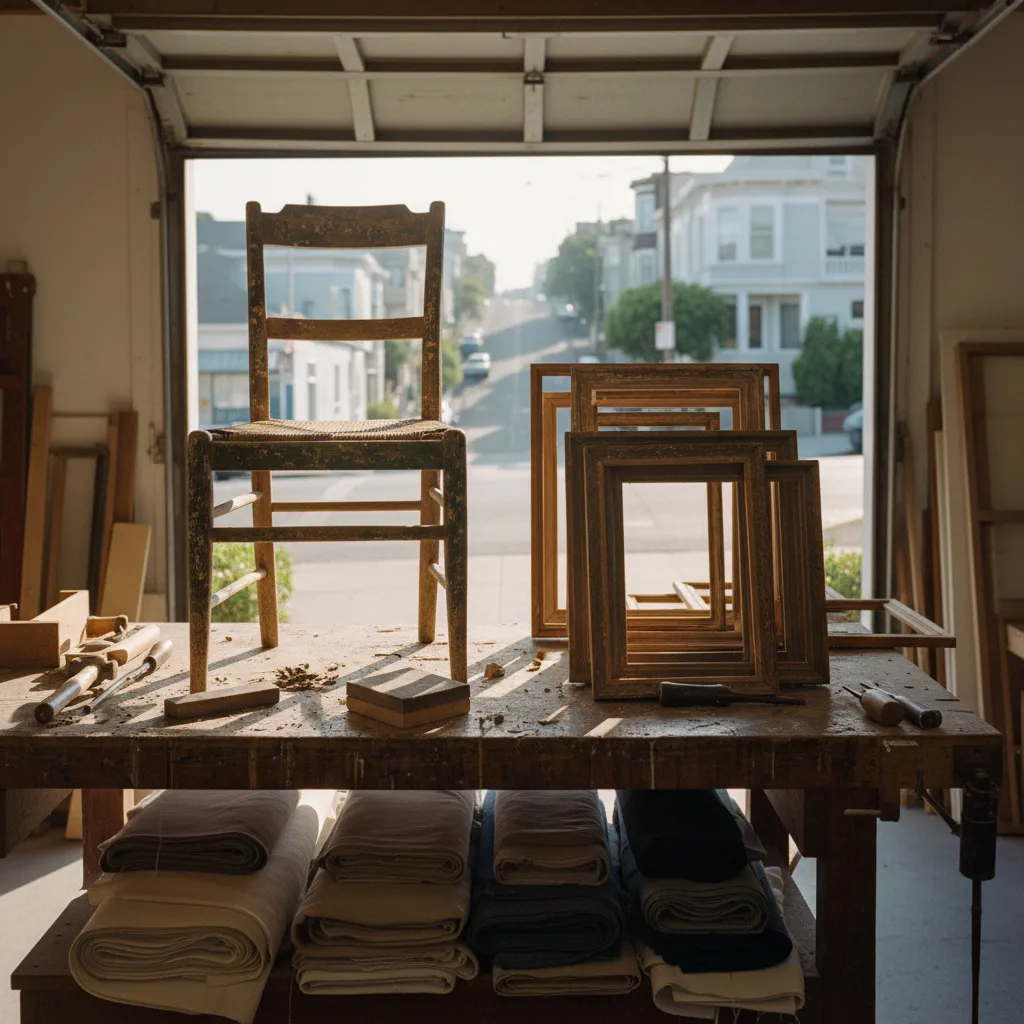
Potrero Hill Thrift Store Crawl Planner: Upcycling Projects
Plan a Potrero Hill thrift crawl for upcycling: hunt solid furniture, old frames and fabric to rework, judge what can be saved, then sketch plans up the hill.
Potrero Hill and the flat streets of Dogpatch below it have long been working neighborhoods, home to shipyard workers, foundries, warehouses and, more recently, woodshops, ceramic studios and small makers' spaces. People here tend to look at an old chair and see a weekend project rather than trash. This thrift store crawl planner is for that kind of shopper, the one who wants scuffed furniture, empty frames and odd fabric to rebuild into something new, with a route that ends on the hilltop sketching plans.
Why Upcyclers Love This Corner of the City
Industrial neighborhoods leave behind useful things. Over the years, Potrero Hill and Dogpatch have filled with makers who cut, sand, stitch and weld for a living or for fun, and many of them keep an eye on secondhand shops, salvage piles and estate clear-outs nearby. The area's sunny weather, often clearer than foggier parts of the city, makes it easier to work outside on a porch or a sidewalk, which suits messy projects.
For an upcycler, the goal of a thrift crawl is different. You are not hunting perfect pieces. You are hunting good bones, solid materials and interesting shapes that are cheap because they look tired. A chair with peeling paint, a dresser with a broken handle or a frame holding an ugly print can all become favorites with a little time.
Pick One Project Before You Go
Start by choosing a single project, or at most two. It might be refinishing a side table, reupholstering a dining chair, building a gallery wall from mismatched frames or sewing cushion covers from vintage fabric. A clear project keeps you from carrying home five broken things that sit in the corner for a year.
Check what tools and space you actually have. A sander, clamps, a staple gun, a sewing machine or a balcony to paint on all change what is realistic. Write down your project, the size it needs to be and the tools you have, then bring a tape measure, a small flashlight and a screwdriver. Those simple tools let you check joints and hardware right on the shop floor.
First Stop: Furniture With Good Bones
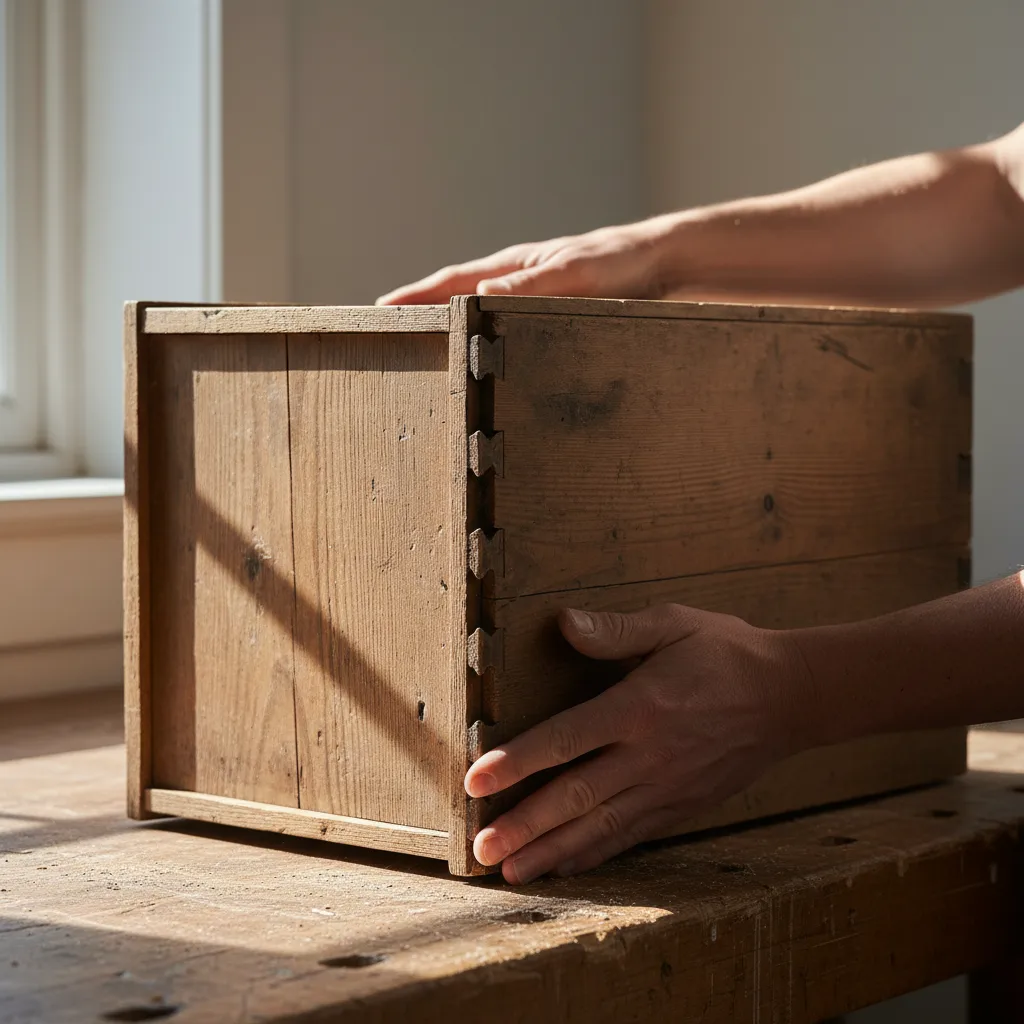
Head first to shops with furniture on the floor, which in this area tend to sit on the flatter streets toward Dogpatch and the Mission side of the hill. Look past finishes and colors. Tip a chair or table on its side and look at the joints. Dovetails on drawers, mortise and tenon joints on chairs and solid wood underneath veneer all point to pieces worth saving.
Wobble is often fixable, but cracks along the grain of a leg or a split seat are bigger repairs. Press on tabletops and look for water damage or bubbling veneer, which can be hard to restore. Smell drawers, because a strong musty or smoky odor can linger in old wood. If a piece is solid, square and simply ugly, it is perfect for upcycling.
Second Stop: Frames, Mirrors and Hardware
Frames are some of the easiest upcycling wins. Look in back corners and bins for wooden and metal frames of all sizes, even ones holding prints you would never hang. Check the corners for tight joins and the backs for intact hardware. A coat of paint or a new mat can make a mismatched set look like a deliberate gallery wall.
Keep an eye out for old mirrors, drawer pulls, hinges and lamp parts. Secondhand shops often keep small hardware in jars or baskets near the register, and swapping handles on a plain dresser can change it completely. Bring a pull from home or a photo of the holes on your project so you know which spacing fits before you buy.
Third Stop: Fabric and Soft Materials
For reupholstery and sewing projects, the fabric section is where to slow down. Look for heavy cotton, linen, wool blankets and old curtains, all of which can become cushion covers, chair seats or bags. Unfold large pieces to check for stains and holes, and hold them up to the light to see how even the weave is. A thick wool blanket can cover a whole chair seat with plenty left over.
Vintage tablecloths, embroidered linens and old quilts are tempting but can be fragile. Rub a corner gently between your fingers, and if fibers shed or tear easily, it is better as a framed piece than as something that will be sat on. Always wash fabric before you work with it, and wash it separately in case colors run.
Judge What Can Be Saved
Before you pay, run each piece through a quick test. Is the structure sound? Is the material real wood, metal or natural fabric? Do you have the tools and skills to fix what is wrong? If the answer to all three is yes, it is a good upcycling candidate. If a piece needs skills you do not have yet, like caning a chair or rewiring a lamp, decide honestly whether you want to learn or let it go.
Watch for old paint that may contain lead, especially on furniture that looks very old. Avoid sanding painted pieces indoors without testing first, and wear a mask and gloves during any stripping or sanding. Small safety steps keep a fun project from becoming a health problem in a small apartment.
Sketch Plans on the Hilltop
When the shopping is done, walk up to the top of Potrero Hill. The park around the recreation center has wide views across downtown, the bay and the hills, and on clear days it is one of the brightest spots in the city. Find a bench, spread out your notes and sketch what each find will become, including colors, fabrics and the order of steps.
Take photos of your finds before you start working on them. Before and after pictures are part of the fun of upcycling and help you remember why you bought that strange lamp in the first place. If you came with friends, compare hauls and trade pieces that fit someone else's project better than yours.
Set Up the Workbench at Home
Back home, give each piece a full cleaning before any repairs. A mild soap and water wipe on wood, a vacuum on upholstery and a wash for fabric all help you see what you are really working with. Lay down drop cloths, open windows and line up your tools so the project is easy to start and easy to pause.
Work in small sessions rather than trying to finish everything in one weekend. Glue needs time to set, paint needs time to dry and fabric needs to be measured twice before it is cut. Upcycling is slow by design, and pieces that are rebuilt with care tend to last for years, carrying both their original story and the one you add.
Find More Materials With Karpo
For the next project, open the Karpo APP and ask for secondhand furniture shops, salvage yards or fabric stores around Potrero Hill, Dogpatch and the Mission. Karpo can suggest places that match what you are making, so you spend more time building and less time searching.
The best upcycling projects start with honest, sturdy pieces that someone else gave up on. Choose one project, test every joint, respect old paint and finish with a sketch on the hilltop. By the time your chair or frame wall is done, it will feel like a small piece of Potrero Hill's working spirit has moved in with you.
Ask Karpo for more information.
Keep reading
- Bernal Heights Pottery Glaze Supply Browsing Route: Walk
 Potrero Hill Pottery Glaze Supply Browsing Route: Walk
 Mission Pottery Glaze Supply Browsing Route: Studio Walk