 Bernal Heights Pottery Glaze Supply Browsing Route: Walk
Hidden Gems & Odd Finds
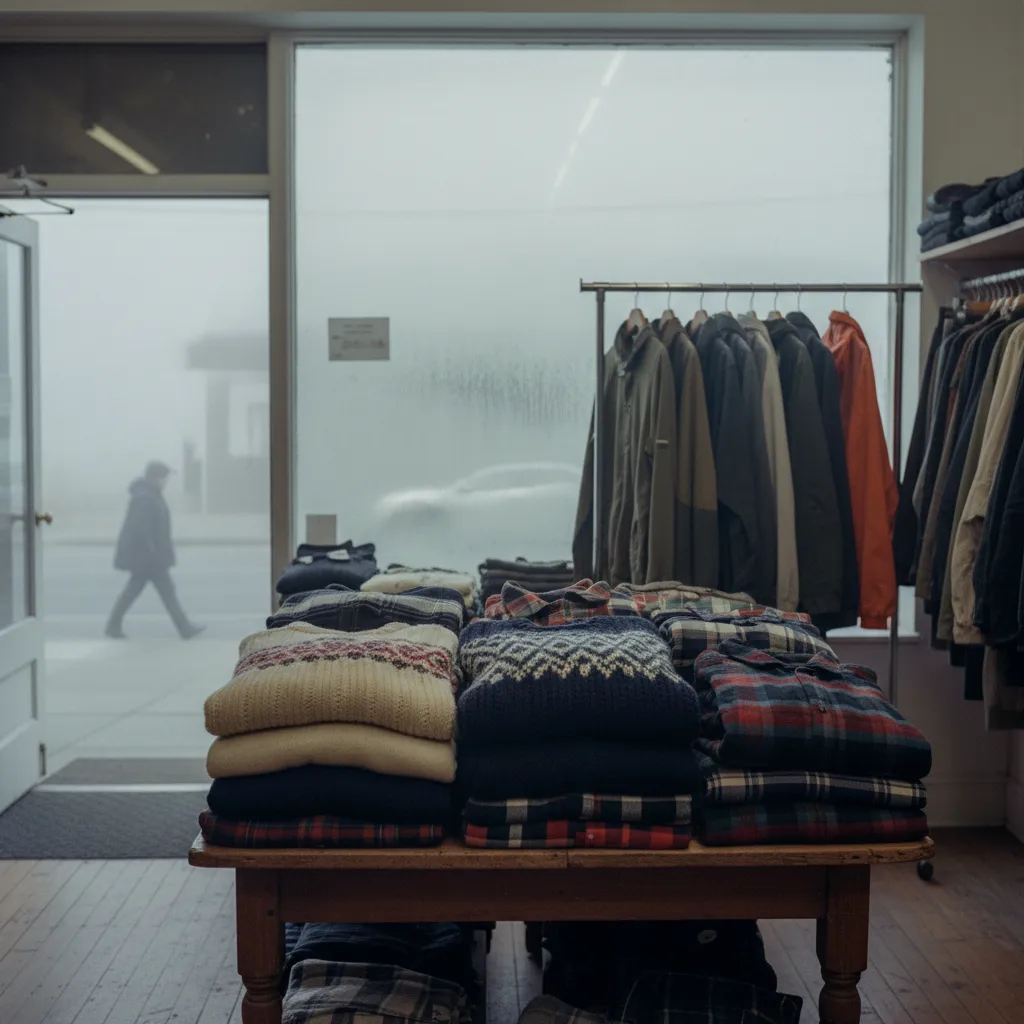
Outer Sunset Thrift Store Crawl Planner: Fog Day Layers
Plan an Outer Sunset thrift crawl for fog-proof layers: hunt wool sweaters, flannels and shells, check knits for moth holes, then test it all on Ocean Beach.
The Outer Sunset was built on sand dunes at the western edge of San Francisco, and the fog that rolls in from the Pacific still shapes daily life here. Locals live in layers, surfers peel off wetsuits into thick sweaters and almost everyone owns a jacket that has seen a lot of salt air. This thrift store crawl planner is for anyone new to the fog belt, or simply tired of being cold at the beach, and it builds a warm, secondhand wardrobe one layer at a time before testing it on Ocean Beach.
Why the Outer Sunset Dresses Differently
San Francisco weather changes block by block, and the Outer Sunset sits in one of the foggiest parts of the city. Summer mornings can be gray and damp while other neighborhoods bake in sunshine, and winter brings wind and rain off the ocean. People who live near the beach learn quickly that one heavy coat is less useful than several thinner layers that can come off and go back on as the fog shifts.
That habit shows up on secondhand racks. Shops in and around the Sunset tend to have good piles of wool sweaters, fleece, flannel shirts and rain shells, donated by surfers, longtime residents and families who have outgrown them. Buying used layers here is practical and fits the relaxed, salt-worn style of the neighborhood.
Plan the Layer System First
Before the crawl, think of your outfit in three parts. A base layer sits close to the skin, like a long sleeve tee or thin merino top. A middle layer holds warmth, like a wool sweater, a flannel shirt or a fleece. An outer layer blocks wind and drizzle, like a shell jacket or a waxed cotton coat. Check what you already own and note the missing pieces.
Wear your base layer to the shops so you can try sweaters and jackets on top of it. Bring a tote bag big enough for bulky knits and a small list of colors that work with what you have. Neutral tones like navy, gray, cream and olive mix easily and hide the sand that inevitably follows you home from the beach.
First Stop: Wool Sweaters and Knits
Start with sweaters, because they do the most work in the fog. Look along the racks and folded piles for heavier knits with a dense feel. Real wool, including lambswool, merino and fisherman knits, holds warmth even when damp, which matters on a misty walk. Check the content tag if it is still there, and trust your hands if it is not, since wool feels springy and a little rough compared with acrylic.
Hold each sweater up to the light to spot moth holes, which often hide near the collar, cuffs and underarms. Small holes can be darned, but a cluster usually means more damage inside. Stretch the cuffs and hem gently. If they snap back, the knit is still healthy. A slightly too big sweater is fine here, since it will sit over a shirt and under a jacket.

Second Stop: Flannel and Fleece
Next, look for flannel shirts and fleece pullovers, the middle layers that locals wear on everything from dog walks to surf checks. Thick cotton flannel softens with every wash, so a well worn shirt is often warmer and more comfortable than a new one. Check the elbows and collar for thinning, and test the buttons to make sure they hold.
Fleece is easy to judge. Look for pilling, which is common but cosmetic, and check that zippers run smoothly from top to bottom. Older fleece made by outdoor brands tends to be heavier and more durable than newer thin versions. A fleece vest is a good find too, keeping your core warm while leaving arms free for carrying boards, bags or coffee.
Third Stop: Shells, Coats and Beanies
The outer layer is where secondhand shopping pays off most. Rain shells, anoraks and waxed jackets can be expensive new, and many show up used with plenty of life left. Check the seams and the inside of the hood for peeling tape or sticky coatings, which usually mean the waterproofing is fading. Zip the jacket all the way up and raise your arms to check the fit over a sweater.
Finish with small accessories. Wool beanies, scarves and gloves are easy to find and make a huge difference when the wind picks up. Look for a beanie that covers your ears fully and a scarf long enough to wrap twice. Wash all knit accessories gently before wearing, and lay them flat to dry so they keep their shape.
Pick Up a Warm Mug for Home
Before leaving the last shop, wander over to the housewares shelves. A big ceramic mug, a thermos or a small teapot rounds out the fog-day kit and makes returning from the beach feel cozy. Secondhand shops often have handmade mugs from local potters next to ordinary diner cups, and the heavier ones keep drinks warm longer.
Check mugs for hairline cracks by holding them up to the light and tapping them gently with a fingernail. A clear ring usually means the glaze is sound, while a dull thud can mean a hidden crack. A wool throw blanket for the sofa is another easy win, especially in the drafty older houses that line the avenues.
Test the Layers on Ocean Beach
With your bag full, walk west to Ocean Beach. The long stretch of sand along the Great Highway is where you will find out how well your new layers work. Put on the sweater, zip up the shell and walk along the waterline as the fog moves in and out. If you get warm, peel off the outer layer. If the wind cuts through, add the beanie and scarf.
Watch the surfers, dog walkers and runners who seem perfectly comfortable in the gray. Many of them are wearing exactly the kind of mismatched, practical layers you just bought. Head back through the avenues, maybe stopping for a warm drink or a pastry on Judah Street, and notice how the neighborhood dresses for the weather rather than the other way around.
Caring for Secondhand Layers
Wool and flannel last longer with a little care. Wash sweaters by hand or on a gentle cycle in cool water, and dry them flat away from heaters. Store knits folded rather than hung, so shoulders do not stretch out. Rinse sand and salt from jackets after beach days, and hang them to dry fully before putting them in a closet.
Fog belt clothing tends to get used hard, and that is the point. A sweater that keeps you warm on dozens of foggy walks has done its job. When a layer no longer fits, pass it back to a local secondhand shop so someone else new to the Sunset can stay warm too. That steady circulation keeps the racks full of good, practical clothes.
Find More Fog Gear With Karpo
Next time you need a layer, open the Karpo APP and ask for thrift stores, outdoor consignment shops or vintage clothing spots around the Outer Sunset, the Inner Sunset and the Richmond. Karpo can suggest places that fit what you are hunting, so you can fill gaps in your fog wardrobe without wandering far.
Living with the fog is easier once you dress like the locals. Plan your layers, test every sweater for holes, look for a solid shell and end the crawl with a walk on Ocean Beach. With a warm secondhand wardrobe, the gray days in the Outer Sunset start to feel less like a problem and more like part of the charm.
Ask Karpo for more information.
Keep reading
- Bernal Heights Pottery Glaze Supply Browsing Route: Walk
 Potrero Hill Pottery Glaze Supply Browsing Route: Walk
 Mission Pottery Glaze Supply Browsing Route: Studio Walk