 Stonestown Winter Farmers Market Picker for Student Cooks
Weekend Plans
SF Thanksgiving Outing Planner for 4 Alcohol-Free Friends
Build an alcohol-free SF Friendsgiving outing for four friends around conversation, food, and shared comfort, with an activity everyone can choose together.
Four friends can want an alcohol-free Friendsgiving for four different reasons, and nobody needs to explain those reasons to enjoy the outing. The useful starting question is what everyone would like to do together in San Francisco. A Thanksgiving outing planner can frame the choice around a meal, a shared activity, or an afternoon of conversation. Ask for ideas in the Karpo APP using those preferences. Agree that alcohol is outside the plan, then spend the group's attention on the experience it wants to create.
Compare gatherings by what people do together
A picnic gives friends a common table without asking them to commit to a long sequence of stops. Each person can bring something manageable, and the gathering can end when the conversation naturally winds down. Its main planning demands are shelter, somewhere suitable to sit, and a way to manage food and belongings. Discuss those needs before choosing a setting. A picture of a pleasant lawn does not answer whether that particular setup suits the group.
A shared activity gives the outing a different rhythm. Friends who find an unstructured meal awkward might prefer something to learn or make together. Select the type of activity first, then investigate a real provider if the group wants a scheduled session. The tradeoff is commitment: a ticket or fixed start may leave less freedom for late arrivals. Keep that distinction visible when comparing the activity with a picnic. Neither format needs to be a substitute for a bar visit.
A home-based gathering offers the most control over seating, food, and the length of the afternoon. Add a neighborhood walk only if it improves the occasion for these friends. Someone who wants an outing may value leaving the house briefly, while another guest may be happiest helping prepare a shared dish. The host can propose a short outdoor beginning followed by time indoors. Make the invitation clear about the gathering's location and expectations so guests arrive prepared for the chosen format.
Define alcohol-free without inviting a debate
Use direct wording in the invitation: this gathering will be alcohol-free, and guests are welcome to bring a favorite soft drink. Avoid assigning a single friend responsibility for defending the decision. If somebody asks why, the host can explain that it is the format chosen for this occasion. That keeps private health, recovery, religious, or personal information private. The group can still discuss flavors, food pairings, and the pleasure of making something special to share.
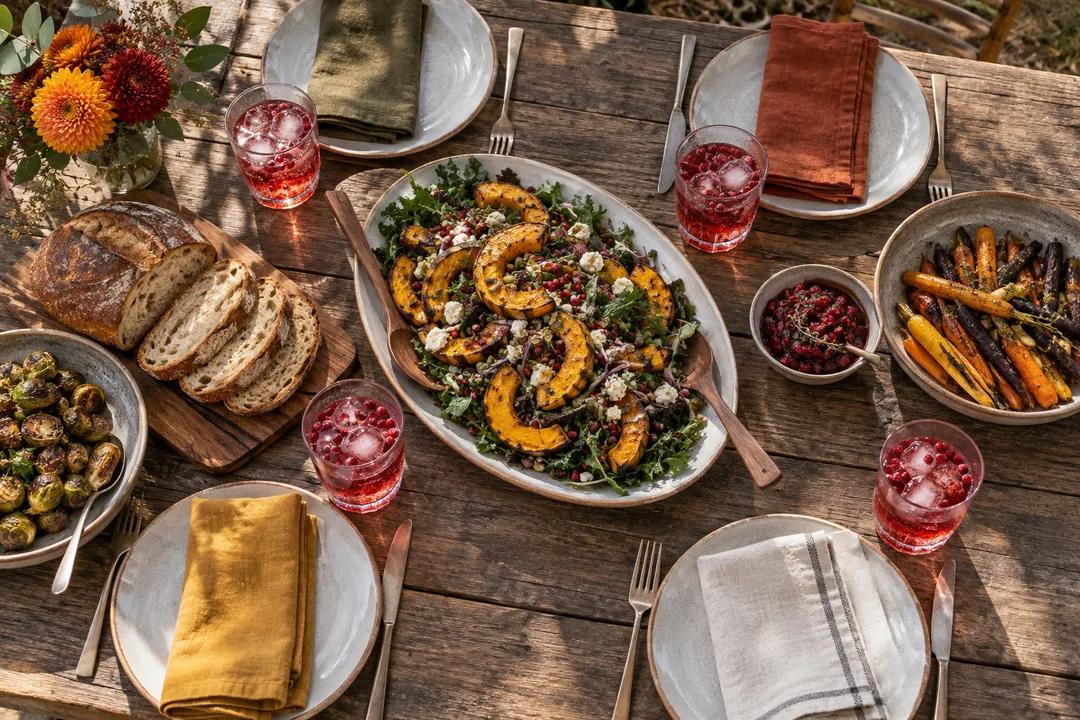
For a picnic example, plain sparkling water, citrus, and a thermos of tea can be proposed as things guests bring themselves. Those are suggested supplies, not claims about a venue's menu. If friends prefer a commercial stop, use a specific drink list before promising a particular alcohol-free selection. Do not assume that a place calling itself a restaurant provides the atmosphere everybody wants. Ask guests whether being around alcohol matters to them, without pressing them to justify their answer.
Divide the work so the host can attend
Give each person a small responsibility that fits how they are traveling. One friend might bring reusable cups, another a dish in a sealed container, and another the blanket or table covering. The host can handle the meeting point and the return arrangement. Avoid assigning bulky supplies to someone arriving on foot unless they volunteer. A fair division should remove work from the host rather than create an extra coordination project in the days before the gathering.
Keep food contributions simple enough that they do not require every guest to arrive simultaneously. If one person's dish is the only substantial food, a delayed arrival changes the whole afternoon. A shared snack plan or a meal at home can make that dependency easier to manage. Ask about dietary needs privately before circulating the final contribution list. Tell people which needs the shared food will accommodate, and let them bring an additional item when that feels more comfortable.
Bring a useful comparison request to Karpo
Try a question such as: “Four friends want an alcohol-free Friendsgiving afternoon in San Francisco. We are deciding between bringing a picnic, doing a shared creative activity, and meeting at home with a short walk. We want conversation, comfortable seating, and little organizing work. Suggest local outing ideas we can discuss.” Add the neighborhood, time window, and any access needs. The examples describe questions you can ask, rather than guaranteeing a particular recommendation or an automatic group-planning feature.
Read the ideas together in terms of effort. Who carries the supplies, what happens if one friend is late, and how does the outing end? Those questions may make a modest home gathering more appealing than a scheduled activity, or the opposite. If the group chooses an activity, ask a focused follow-up about alternatives of that kind. Do not keep adding options after the friends have reached a decision they like. The purpose of comparison is to help them choose.
Give a rainy picnic a complete alternative
A picnic invitation needs an indoor branch that everyone can actually use. Discuss a host's home if it is available and comfortable, or investigate a specific indoor setting as a separate option. Do not send four friends toward an unnamed café with their prepared food and assume it will welcome the group. Bringing outside food, taking a table, and staying for an afternoon are distinct questions. A backup should resolve them before it becomes the gathering's only remaining plan.
Choose when the host will communicate the selected branch, and put that arrangement in the invitation. Guests carrying food need to know where they are going before they leave. The decision can be simple: use the indoor plan if the group does not feel comfortable eating outdoors. It does not require pretending to forecast every change in the weather. Keep the two versions similar in mood so moving indoors still feels like the Friendsgiving everybody accepted.
Practical Notes for a gathering built around friends
Before sending the final invitation, include the meeting arrangement, what each person is bringing, the alcohol-free format, and the approximate length agreed by the group. Resolve any booking directly with the activity provider if the friends select a scheduled session. A recommendation in the Karpo APP is a starting point for choosing what to do. It does not mean tickets have been secured or a venue has accepted a group, outside food, or a particular holiday arrival.
Leave room for someone to join only part of the gathering. A friend who can share a meal but skip the walk should still feel included in the invitation. End with one clear next step, such as choosing between the picnic and home versions by a date the host names. Then stop planning and let people look forward to seeing one another. The memorable part can be the food somebody brought, a new shared interest, or an ordinary afternoon when everybody felt welcome.
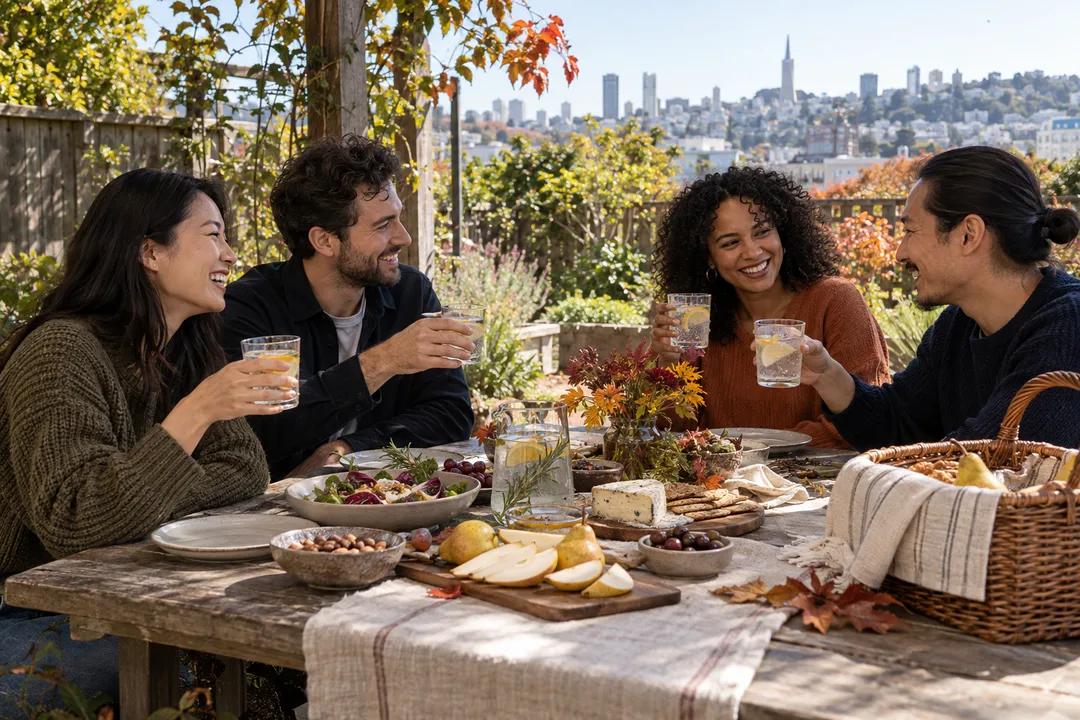
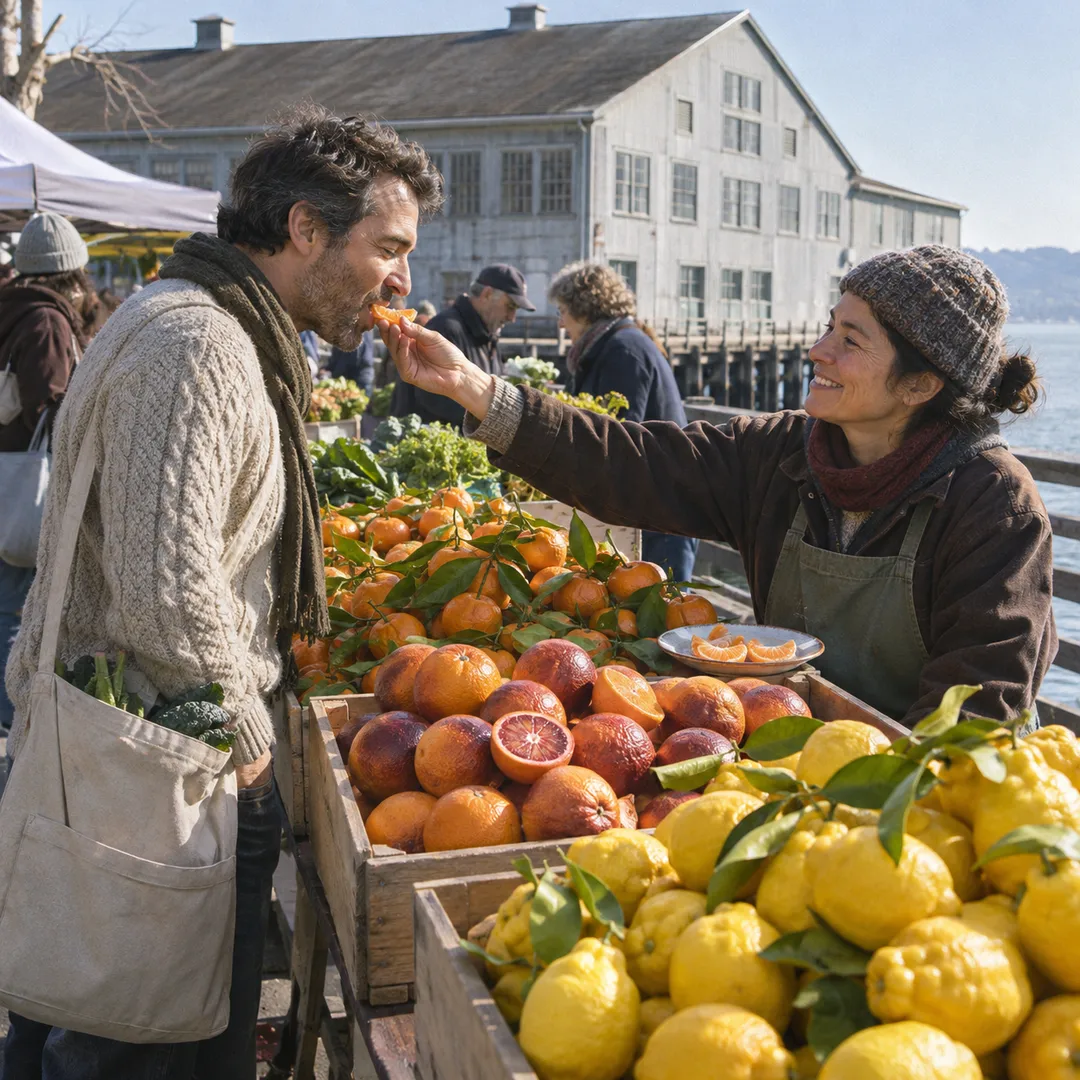
The Friendsgiving photographs are generated illustrations of an alcohol-free picnic and shared food, with no named venue depicted.
Ask Karpo for more information.
Keep reading
- Stonestown Winter Farmers Market Picker for Student Cooks
 Clement St Winter Farmers Market Picker for Lunar New Year
 Fort Mason Winter Farmers Market Picker for Citrus Bakers