 Bernal Heights Pottery Glaze Supply Browsing Route: Walk
Hidden Gems & Odd Finds
Mission Stationery Shop Gift Picker for an Artist Friend
Pick a paper gift for the artist in your life in the Mission, from risograph cards and zines to sketchbooks, with a mural walk and a Dolores Park finish.
Buying a gift for an artist is harder than it looks. They already own pens, they have opinions about paper, and a generic notebook from a chain store will end up under a pile in the corner of the studio. The Mission District is a good place to solve that problem. This is a neighborhood where people still print posters by hand, staple their own zines and paint whole alleys, so its small paper and art supply shops tend to stock the kind of things working artists notice. This picker walks you through how to choose, what to look for, and how to turn the shopping into an afternoon.
Why the Mission Suits This Kind of Gift
The Mission has been a home for Latino artists, printmakers and muralists for generations, and you can feel it on almost every block. Galleries share walls with taquerias, community print studios run classes on weekday evenings, and the corner shops that sell cards often carry work by people who live a few streets away. That matters when you are shopping for an artist, because the most rewarding paper gifts here are rarely mass produced. They carry a maker's hand, a slightly uneven ink layer or a cover cut by someone with a ruler and a blade.
It also means you can shop with your eyes open. Walking from shop to shop, you pass murals, hand-lettered shop windows and flyers for zine fairs taped to poles. All of that is research. If your friend loves bold color, the walls around Balmy Alley and Clarion Alley will remind you what that looks like. If they work in quiet pencil, you will notice the small studios where the light is soft and the shelves are tidy.
Start With How Your Friend Works
Before you walk into any shop, think about what your friend does with their hands every day. A painter, a printmaker, a cartoonist and a calligrapher all want different things. A painter might love a pad of heavy cotton paper that does not buckle under a wash. A printmaker might want a handful of colored papers to test ink on. A cartoonist goes through sketchbooks fast and loves a small one that fits a jacket pocket. A letterer will notice the smoothness of a sheet before anything else.
If you are not sure, look at their social media or the walls of their home. The tools they already show off tell you what they value. Then ask one shop staff member to help. Saying something like 'my friend does ink drawings and fills a small sketchbook every month' gives them enough to point you to the right shelf. Paper shop staff in this neighborhood are usually artists themselves, and they enjoy that kind of question.
Risograph Cards and Small Press Prints
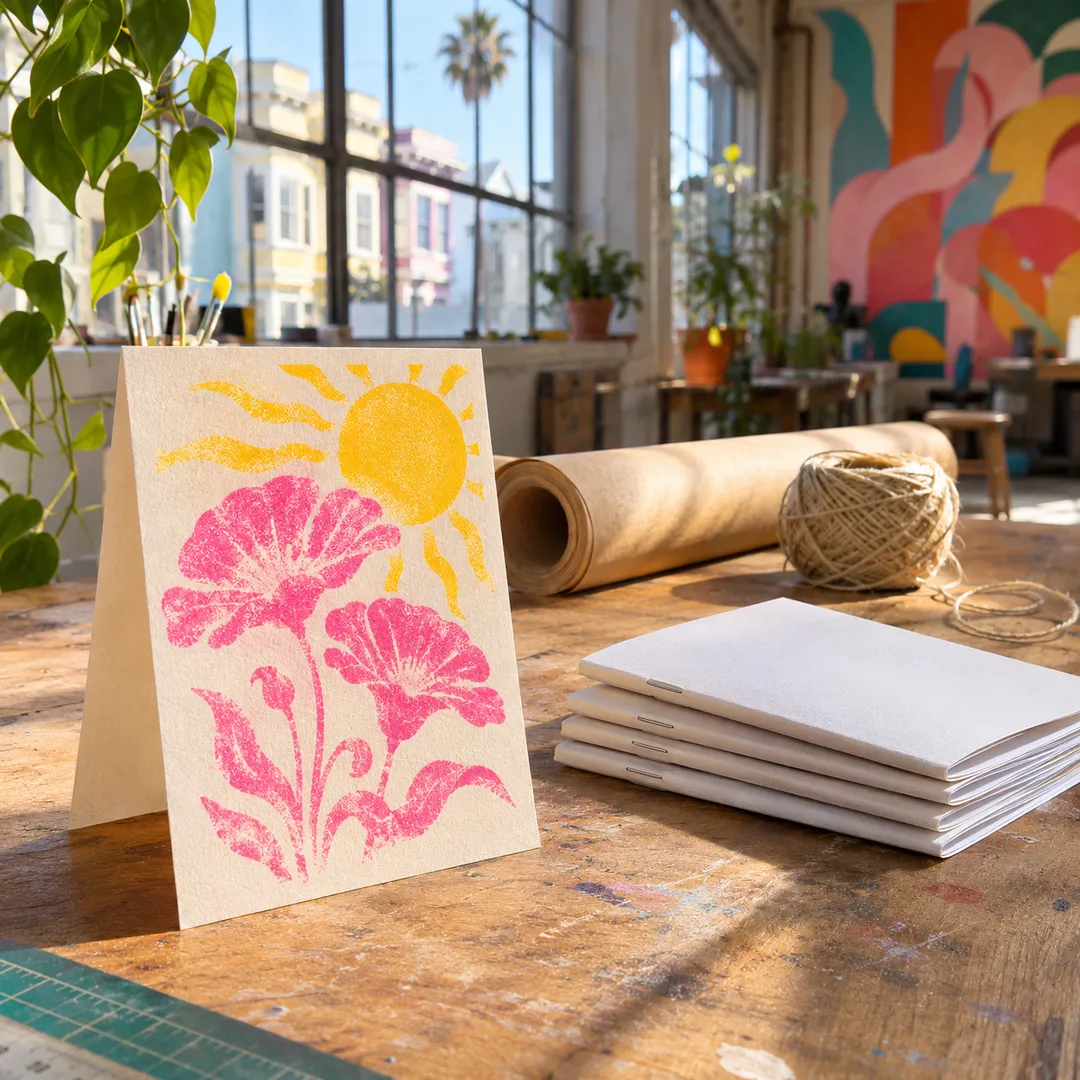
Risograph printing is a big part of the Mission's paper culture. It is a stencil-based process that gives prints a grainy, slightly offset look and bright soy inks in colors like fluorescent pink and teal. Many local artists print cards, postcards and small posters this way, and shops often sell them by the single sheet. For an artist friend, a set of three or four cards from different local printmakers is a thoughtful gift. It says you looked closely, and it introduces them to peers working nearby.
When you look through a rack, check the back of each card. Small press work usually credits the artist or studio, and that is a nice detail to mention when you hand the gift over. Pick a mix: one card your friend would frame, one they would mail, and one that simply makes you laugh. Avoid buying a whole stack from one artist unless you know your friend already follows their work.
Zines as a Personal Gift
Zines are small, self-published booklets, often photocopied or risograph printed and folded by hand. The Mission has a long zine culture, and some shops keep a shelf or a basket of them near the register. They cover everything from comics and recipes to neighborhood history and personal essays. A zine makes a great add-on to a bigger gift because it is light, cheap to make and full of personality.
Choose one that matches your friend's interests outside of art. If they cook, look for a recipe zine. If they ride a bike everywhere, there may be one about cycling the city. Artists often find inspiration in work that is outside their own discipline, so a funny comic for a serious painter can be the thing they keep on the studio shelf for years. If you feel inspired, staple together a simple two-page zine of your own as a card.
Sketchbooks That Get Used
A sketchbook is the safest gift for an artist, but only if you pick the right one. Feel the paper. Thin, smooth sheets suit pens and pencils; thick, toothy sheets take watercolor and gouache. A binding that lies flat matters to anyone who draws across the spread. Size matters too. Many artists like to keep one small book in a bag and one larger book at home, so if you already know their big sketchbook brand, a pocket version is a welcome extra.
Handmade sketchbooks are worth looking for here. Some local bookbinders sell books with hand-sewn spines, recycled covers or mixed papers inside, so each spread feels different. These are lovely to receive, but think about whether your friend will feel too precious about using them. Some artists freeze in front of a beautiful blank book. If that sounds like your friend, choose something sturdy and plain, and spend your effort on the wrapping instead.
Small Tools Artists Rarely Buy Themselves
Artists will spend money on paint and paper, but they often skip the small, pleasant tools that make the work easier. A good kneaded eraser, a brass pencil sharpener, a set of bulldog clips, a bone folder for creasing paper, or a small roll of artist tape all fall into this group. Grouping two or three of these in a small box or pouch turns them into a proper gift, and they will be used within a week.
Ink is another option. A bottle of colored drawing ink or a set of brush pens in a color your friend never uses can push them to try something new. Ask staff which inks dry waterproof, which ones are good for dip pens, and which ones are bright enough to scan well. If you know your friend is particular, a single unusual color is safer than a full set they might not want.
Wrapping It the Mission Way
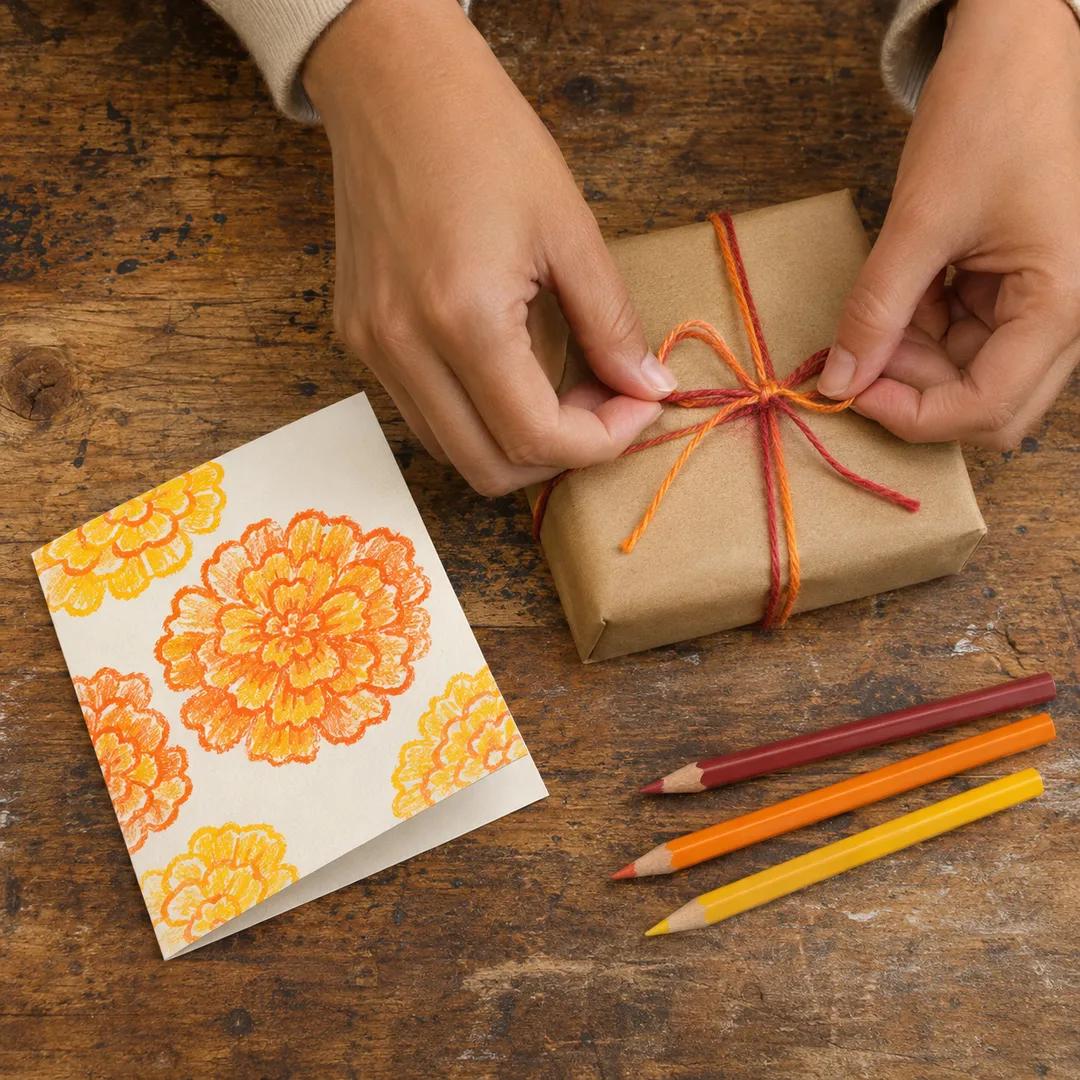
Part of the fun of this gift is the presentation. Many paper shops in the neighborhood sell plain kraft paper, colored tissue and string, and some will let you buy a single sheet of decorative paper. Plain brown paper tied with bright red or orange string looks good next to a hand-printed card and fits the handmade spirit of the area. Skip glossy store bags; an artist will appreciate a parcel that looks made by hand.
Add a small drawing of your own on the outside, even if you cannot draw well. A loose flower, a sun or a sketch of the street where you bought the gift shows that you thought about it. If you picked up a zine or a card from a local artist, tuck it into the twine on top so it is the first thing your friend sees. That small layer of care is what makes a paper gift feel personal.
A Mural Walk Between Shops
Plan your shopping as a loop rather than a straight dash. Start on Valencia Street, where many small shops and bookstores sit close together, and drift east toward Mission Street. Make a short detour through Clarion Alley, a narrow lane covered with murals that change over time, many of them with strong political messages. Then head south to Balmy Alley, one of the oldest mural spots in the city, where garage doors and fences are painted from end to end.
Walking the alleys is not only pleasant. It helps you see your friend's taste more clearly. If a mural stops you because it reminds you of their work, take a photo and show it to them later with the gift. You might also notice flyers for upcoming print fairs or open studios, which can become a second gift: an invitation to spend an afternoon together at one.
When to Go
Weekday afternoons are the calmest time to browse. Small shops are quieter, staff have time to talk, and you can spend as long as you like comparing papers. Weekends bring more people to Valencia Street, especially when the weather is warm, but they also bring more energy, street music and the chance of stumbling into a pop-up market or an artist selling prints on a folding table. Choose based on how much you want to chat.
The Mission is one of the sunnier parts of San Francisco, so it is a good choice on a day when fog sits over the west side of the city. If you are shopping close to the holidays, go early in the season. Small shops get much of their stock from local makers who print in small runs, and the most interesting cards and handmade sketchbooks can sell out quickly.
Ending the Afternoon at Dolores Park
Once the bag is full, walk up to Dolores Park. The slope looks over the palm trees toward downtown, and on a clear afternoon it is one of the nicest places in the city to sit. Find a spot on the grass, spread out what you bought and decide how to wrap it. If you are giving the gift to someone who lives nearby, this is also a lovely place to meet them and hand it over.
Pick up a coffee or a snack from one of the cafes nearby on the way up. If you bought a sketchbook for yourself as well, which happens to almost everyone in this neighborhood, do a quick drawing of the skyline. It is a good way to slow down after shopping, and it gives you something small and personal to slip into the card.
Practical Notes
Bring a flat tote or a folder to keep cards and paper from bending on the walk. Many small shops prefer card payments, but a few artists at pop-up tables only take cash or mobile payments, so carry a little of both. Shops in this area keep their own schedules, and small studios sometimes close for an afternoon to run a class or attend a fair, so plan a loop with a few options rather than relying on one store.
If you want to find more paper shops, print studios or art supply stores along your route, the Karpo APP can suggest places near you that match what you are looking for. Pair the gift with a handwritten note about why you chose each piece. For an artist, that note may end up pinned to the studio wall long after the sketchbook is full.
Ask Karpo for more information.
Keep reading
- Bernal Heights Pottery Glaze Supply Browsing Route: Walk
 Potrero Hill Pottery Glaze Supply Browsing Route: Walk
 Mission Pottery Glaze Supply Browsing Route: Studio Walk