 Bernal Heights Pottery Glaze Supply Browsing Route: Walk
Hidden Gems & Odd Finds
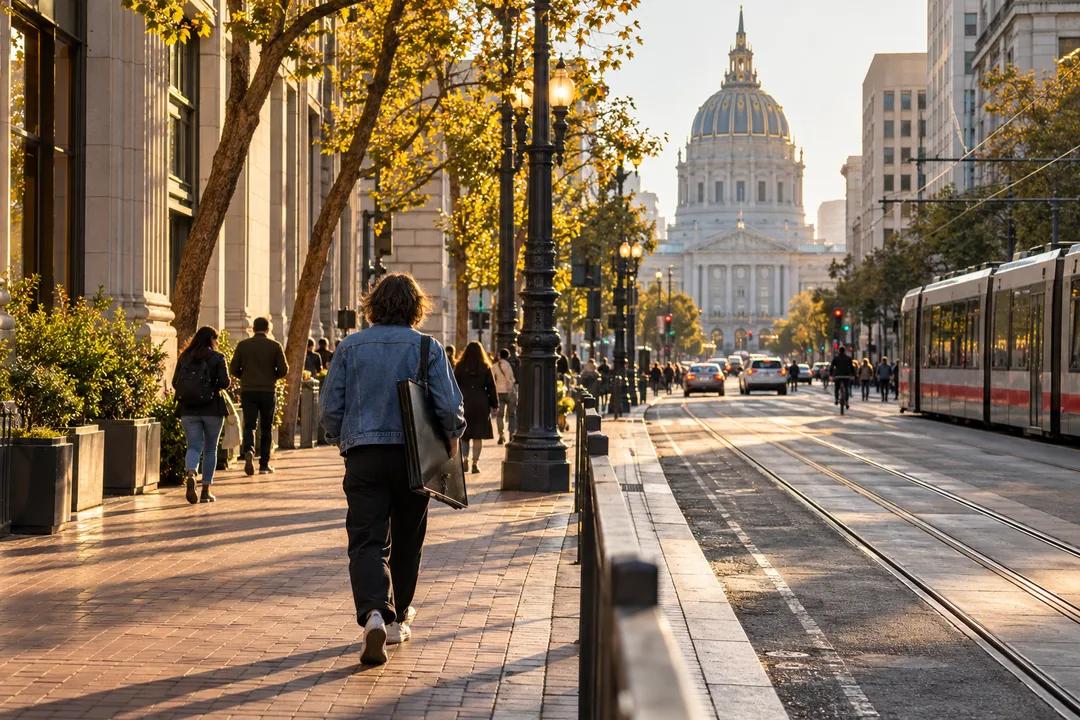
Specialty Paper Store Watercolor Run Near Civic Center
Buying watercolor paper near Civic Center works best as a planned run: pick cold-press or hot-press, test sheets at Blick on Market Street, then paint nearby.
Watercolor paper is the one specialty paper where a cheap sheet will ruin good paint, which is why painters near Civic Center plan the purchase instead of grabbing the first pad they see. Blick Art Materials on Market Street sits a short walk east of City Hall, the Asian Art Museum and the Main Library, and it carries loose sheets, blocks and pads side by side. Here is how to choose a surface, test it and put it to work the same afternoon.
Decide What the Painting Needs First
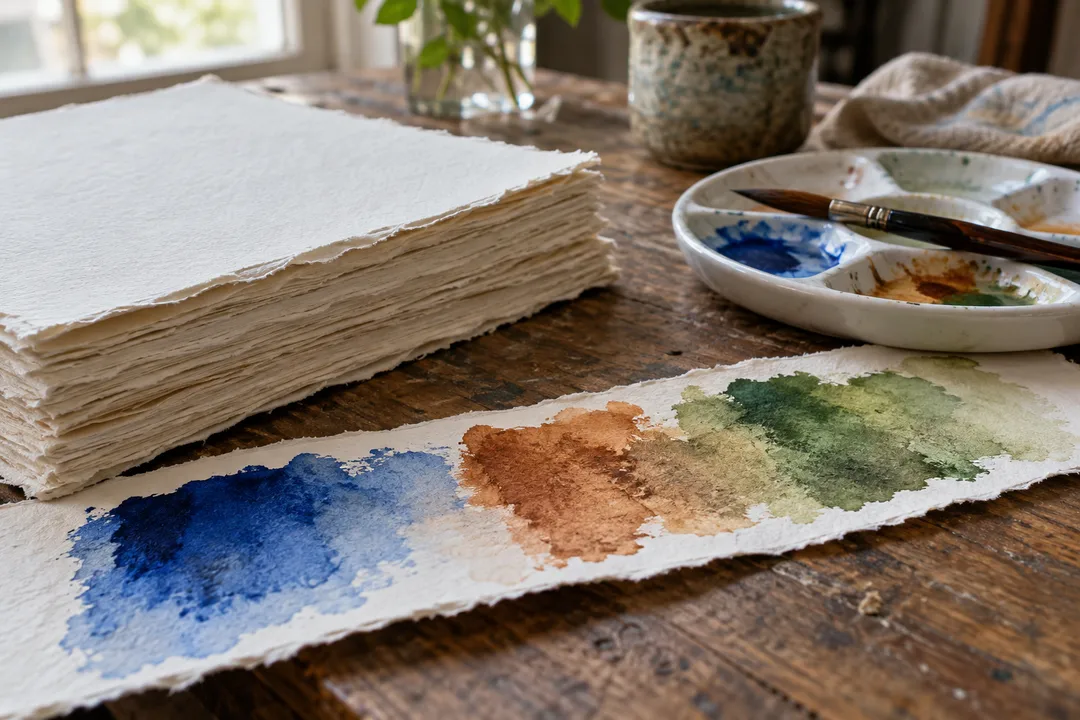
Watercolor paper comes in three textures, and each one changes how pigment behaves. Cold-press has a gentle grain that holds washes evenly and forgives beginners. Hot-press is smooth, so fine botanical detail and pen work stay sharp, but large washes can streak. Rough paper has a heavy tooth that leaves sparkling white flecks in skies and water. Pick the texture from the painting you want, not from the prettiest packaging.
Weight matters as much as texture. Light paper buckles as soon as water hits it, so painters either stretch it on a board or buy a heavier sheet that stays flat on its own. If you paint outdoors or in a small apartment without space to tape and soak paper, the heavier option or a glued block saves real frustration. Write the texture and weight on your list before you walk in.
Cotton or Cellulose Is the Real Price Question
The biggest difference between two similar-looking pads is the fiber. Sheets made from cotton rag soak up water slowly and evenly, so you can lift color, glaze in layers and rework passages. Wood-pulp cellulose sheets cost less and are fine for swatches, thumbnails and class exercises, but they tend to blotch when you push a wash. Painters often keep both: cheap paper for practice, cotton for anything that might be framed.
Do not spend cotton-paper money on warm-up studies. Skip the premium block for a first class where you will paint twenty quick value studies, because most of those sheets end up recycled. Buy one or two loose cotton sheets instead and cut them down for the exercises that matter. That split keeps a beginner kit affordable while still letting you feel what good paper does to a wash.
Testing Sheets Before You Commit
Bring a travel palette, a water brush and a scrap of the paper you currently use. Comparing your old sheet against a new one is the fastest way to judge whether an upgrade is worth it. Ask staff whether there is a sample you can touch or a swatch book you can look through. Then hold a sheet at an angle under the store lights to see the grain clearly.
Once you are home, paint the same three-color strip on every new paper: a flat wash, a graded wash and a lifted highlight. Label the back of each test in pencil with the product name. In a week you will have a small library of results that tells you exactly which paper to reorder. That habit turns one shopping trip into lasting knowledge rather than a pile of mystery offcuts.
Pads, Blocks and Loose Sheets
Pads are cheap and portable but need taping down. Blocks are glued on all four edges, so the paper stays flat while it dries and you slide a knife around the edge to release the finished painting. Loose full sheets are the best value per square inch and let you cut any size, but they need a flat folder or tube to survive the trip home.
For plein-air work around the Civic Center plazas, a small block is the easiest choice because there is nothing to tape and no board to carry. Studio painters working larger often buy loose sheets and a lightweight board. If you are new and torn between them, start with one modest block and one loose sheet. Two formats teach you quickly which way of working actually suits your routine.
Who You Will Meet in the Aisles
Market Street brings a mixed crowd into an art store. Expect art students between classes, retirees restocking for a weekly painting group, illustrators picking up a single pad on the way to a client, and tourists who suddenly want a sketchbook after seeing the museums. Most people move fast, so step aside to compare sheets rather than blocking a narrow paper section while you read every label.
The unwritten rule with loose paper is simple: handle sheets by the edges, never fold a corner to test thickness, and put rejects back flat in the same slot. Bent paper cannot be sold, and the next painter will thank you. If you want a sheet cut down, ask at the counter instead of tearing it yourself. Clean edges matter when the painting is going into a mat.
Plan B When Your Paper Is Sold Out
Popular watercolor blocks sell out around the start of a new term or right before holiday gift season. If your exact paper is missing, a quick ride north to FLAX Art and Design at Fort Mason or a trip to ARCH Art Supplies in Potrero Hill gives you two more shelves to try. Ask Karpo in the Karpo APP for the fastest route from Market Street to either one.
Alternatively, buy a loose sheet of a comparable cotton paper and cut it to your block size at home. A metal ruler and a sharp blade give a clean edge in a minute. The worst option is a random pad bought in a hurry, which usually means the painting you care about ends up on a surface you have never tested.
Paint Your First Wash Nearby
Civic Center is a good place to christen new paper. The Beaux-Arts dome of City Hall, the stone façade of the Asian Art Museum and the long lawns of the plaza give you strong shapes and big skies to practice washes on. Sit on the steps or a bench, tape a corner if the wind picks up, and paint a single quick study before the light changes.
On grey days, the Asian Art Museum is worth a visit for its ink paintings and scroll mounts, which show how artists have handled water, pigment and paper for centuries. Looking at how a master leaves the paper untouched is a lesson no supply catalog can teach. Afterward, walk along Hayes Street toward Hayes Valley for coffee while your first test dries.
Practical Notes
Pack a flat folder, a roll of low-tack tape and a pencil for labeling tests. Muni Metro and BART both stop at the Civic Center station, which makes this an easy trip without a car, though large sheets travel best outside rush hour. Keep receipts and test strips together so reordering takes seconds. Blick's own store page is the right place to see what the Market Street shop stocks before you go.
Finally, treat paper as part of the painting budget, not an afterthought. Painters who spend a little more on the sheet and a little less on extra tubes usually see their work improve faster. One good cotton sheet, three pigments and a single brush will teach you more on a Civic Center bench than a crowded basket of supplies left unopened at home.
Ask Karpo for more information.
Keep reading
- Bernal Heights Pottery Glaze Supply Browsing Route: Walk
 Potrero Hill Pottery Glaze Supply Browsing Route: Walk
 Mission Pottery Glaze Supply Browsing Route: Studio Walk