San Francisco families seeing spacex rocket crashes on the moon in search feeds have a useful after-school question, not a reason to rush-share a dramatic clip. On Thursday, August 6, 2026, the grounded move is to treat the claim as a verification exercise at San Francisco Public Library Main Library, where students can compare reputable reporting, NASA mission pages, and science reference databases before deciding what is known. The current reputable account is narrower than most viral phrasing: a discarded Falcon 9 upper stage was reported to have unintentionally hit the Moon on August 5, with orbital images still part of the confirmation path.
Want a cleaner after-school fact check? Text Karpo for the SFPL route, NASA links, and the quickest Civic Center backup plan before your family shares the moon crash story.

SFPL Main Library At 100 Larkin Street
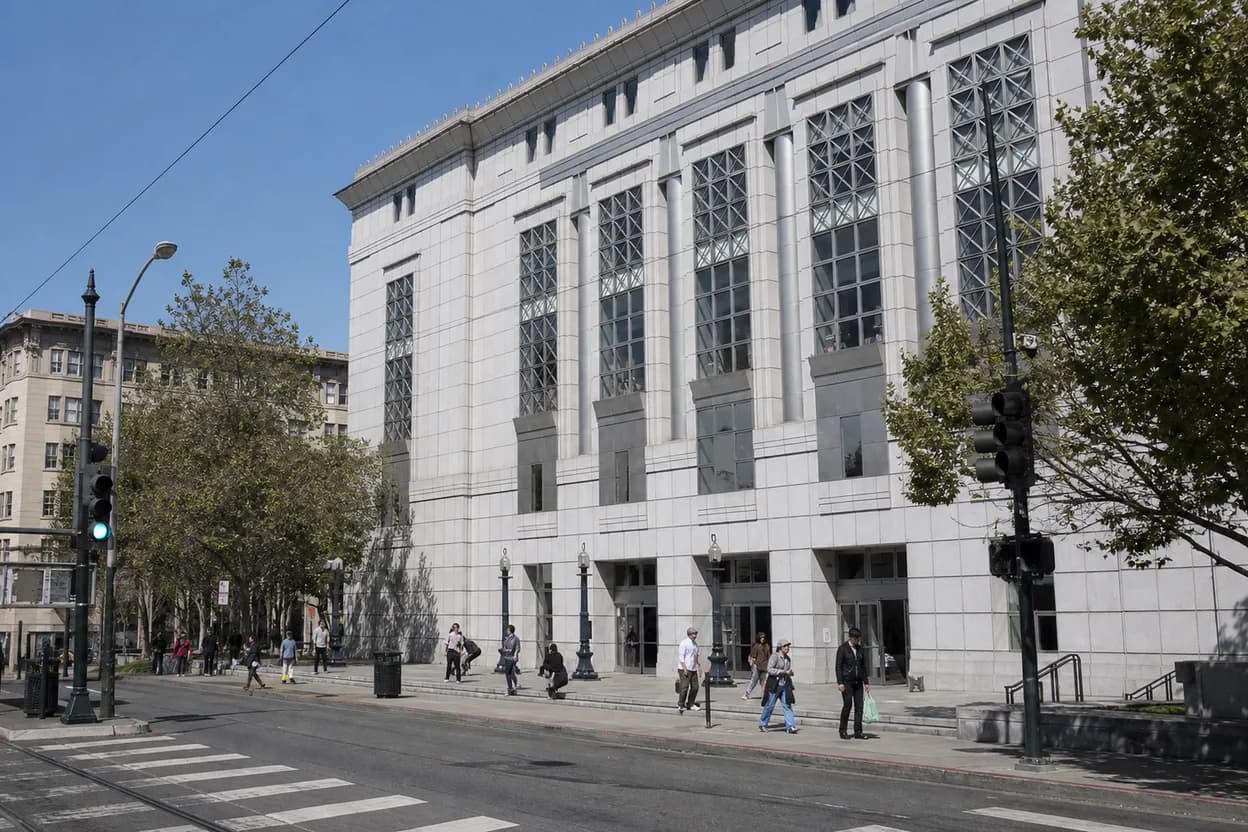
Start at San Francisco Public Library Main Library because it gives the search a civic, low-pressure frame. SFPL lists the Main Library at 100 Larkin Street with public Wi-Fi, study rooms, printing, and reference help, making it a practical base for a family verification session. For Thursday, SFPL’s posted Main Library hours show a 9 a.m. to 8 p.m. window, but hours can change, so check the location page before leaving school or work.
The best audience is a curious student with an adult who can slow the scroll. Keep the first visit to forty-five minutes: ten minutes to write the claim, twenty minutes to compare sources, and fifteen minutes to decide what language is safe to repeat. The tradeoff is that a library session feels slower than watching videos, but it also exposes missing evidence, especially when images or crater measurements have not yet been released.
Fourth Floor Science Collection Search
SFPL describes its Mathematics and Science Collection on the fourth floor as serving general readers and high-school through undergraduate students, which fits this topic better than a random web search. Use it to separate three questions: what a rocket upper stage is, how lunar craters form, and how spacecraft confirm surface changes. If a shelf item is unavailable, ask staff for a database or catalog alternative instead of treating absence as proof.
For pacing, have one person search “Moon craters,” one search “Lunar Reconnaissance Orbiter,” and one search the exact incident. The failure mode is mixing background science with event confirmation, then overstating both. A crater explainer can show why impacts preserve marks on the Moon, but it cannot confirm that this specific object hit this specific site. Keep notes in two columns: established lunar science and still-developing August 2026 reporting.
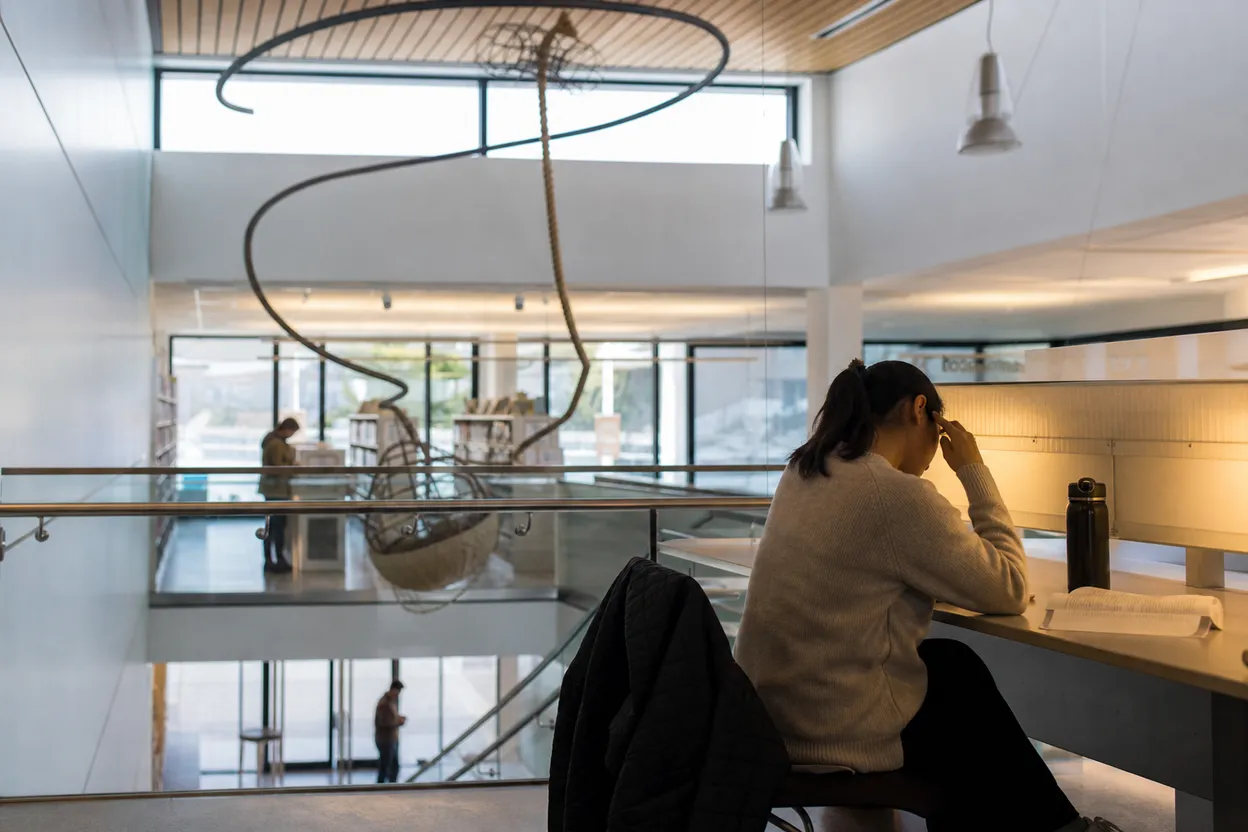
NASA Lunar Reconnaissance Orbiter Page
NASA’s Lunar Reconnaissance Orbiter page is the essential official object to check because LRO has studied the Moon since 2009 and maps surface features in detail. That does not mean NASA has already published final images for this August 2026 event. It means LRO is a credible instrument family to watch when reputable reports say before-and-after orbital imaging may verify a new crater near the expected impact zone.
The accessible reader action is simple: open the NASA LRO page, confirm what the spacecraft does, then look for a NASA mission update rather than relying on reposted screenshots. If no new NASA image is posted yet, say that plainly. The useful sentence for students is, “Reputable reports describe the impact, but final public imagery may still be pending.” That wording is more accurate than claiming a video, flash, or crater photo exists.
AP Report On The August 5 Impact
Use the Associated Press report as the current reputable news anchor because it distinguishes prediction, observation, and remaining confirmation. AP reported that scientists were confident a wayward SpaceX Falcon rocket upper stage struck the Moon as predicted, with a telescope detecting chemical emissions after the expected impact. It also noted the crash site was near Einstein Crater on the Moon’s western limb and that NASA’s LRO may provide later imagery.
The family discussion should focus on how AP phrases certainty. “Scientists are certain” is stronger than “people online say,” but it still sits beside details about what was and was not directly observed. That is the media-literacy lesson: reputable articles often disclose the evidence chain. If a short video claims to show the impact directly, compare it against AP’s account that direct imagery was not the core public evidence at the time.
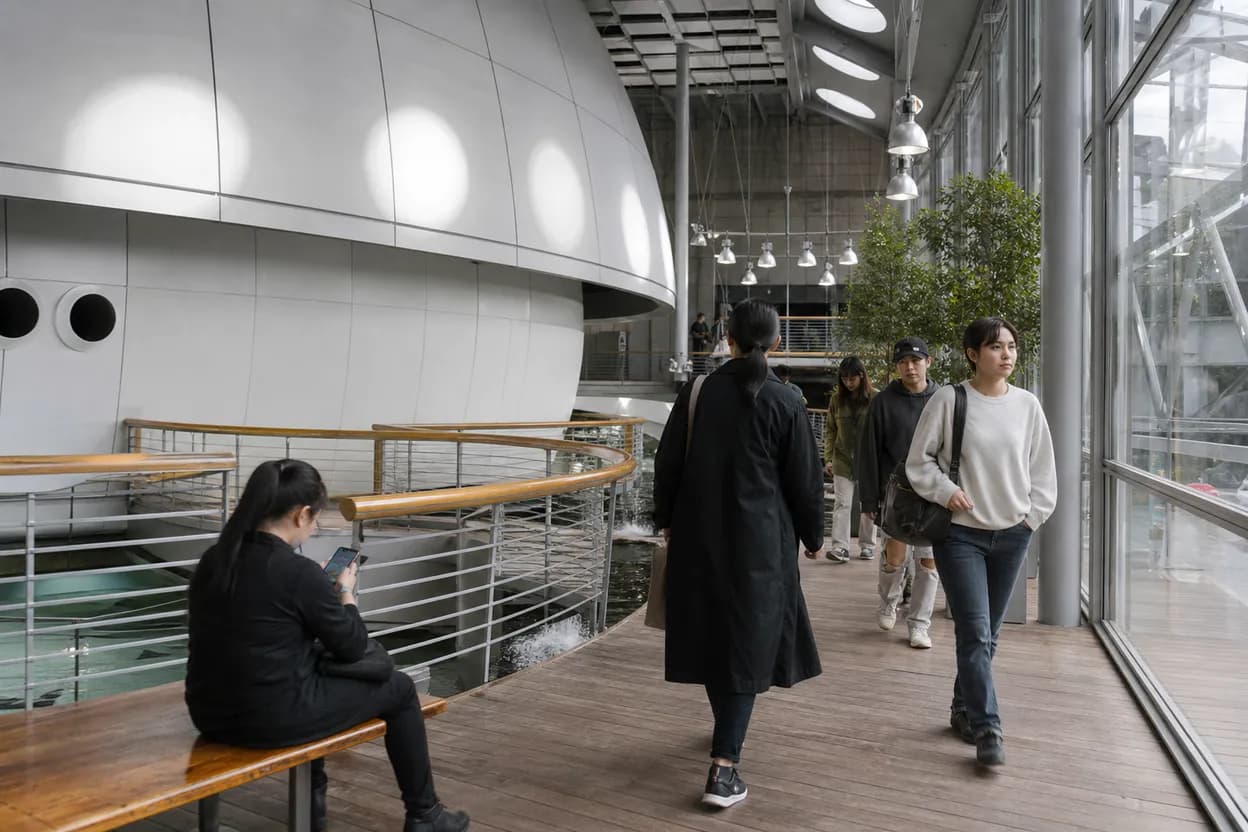
Civic Center BART Or Muni Choice
For a foggy San Francisco afternoon, transit is usually the cleanest access plan. BART lists Civic Center/UN Plaza Station at 1150 Market Street and identifies it as near the Main Branch of San Francisco Public Library. SFMTA’s place page for the Main Library lists Muni service including F Market & Wharves, J Church, L Taraval, M Ocean View, 5 Fulton, 9 San Bruno, and 14 Mission.
The practical tradeoff is comfort versus simplicity. BART can be direct from other parts of the Bay Area, while Muni may be better for city neighborhoods, but downtown service conditions and station access can change. BART notes that two elevators are used between street and train platforms at Civic Center/UN Plaza, so families needing step-free access should check elevator status before departure and keep a surface Muni or rideshare backup.
Morrison Planetarium Backup In Golden Gate Park
If the library is crowded or a student wants richer astronomy context, Morrison Planetarium at the California Academy of Sciences is the San Francisco backup, not the first verification stop. The Academy places it in Golden Gate Park at 55 Music Concourse Drive and says planetarium showtimes should be checked on the Daily Calendar. That makes it useful for lunar science context, but not a substitute for confirming breaking incident details.
The audience fit is different: younger students may absorb craters, impacts, and observation limits better in a dome show than through articles. The tradeoff is cost, travel time, and show availability, all of which require same-day checking. Do not promise a Moon-crash program unless the Academy calendar says so. Treat the planetarium as a way to understand why impacts matter and why distant objects are difficult to observe cleanly.
Final Share Action At The Library Desk
Before leaving Main Library, make the last action a human verification step. Ask a librarian where SFPL’s current science databases or reference tools can help evaluate space-news claims, especially if a student needs a citation for class. SFPL’s youth and accessibility contacts are posted publicly, and the library lists ADA accommodation channels, but specific service availability should be confirmed directly if a visit depends on support.
The final share rule is conservative: post only what you can source, and label uncertainty. A careful San Francisco summary would say that reputable reporting describes an unintended Falcon 9 upper-stage impact on August 5, 2026, while official NASA imagery or mission updates should be checked before sharing visuals or exact crater claims. If the source trail fails, the answer is not silence; it is “verification pending,” with the NASA LRO page bookmarked.
Tags: #SanFrancisco #SFPL #MainLibrary #CivicCenter #SpaceX #Moon #NASA #MediaLiteracy #BackToSchool #AfterSchool #ScienceNews #AskKarpo #BeforeYouGo #FamilyPlan
Sources consulted: Source 1: sfpl.org · Source 2: sfpl.org · Source 3: science.nasa.gov · Source 4: nasa.gov · Source 5: bart.gov · Source 6: apnews.com
All trademarks are the property of their respective owners.
Ask Karpo first
Tell Karpo your date, group size, budget, and starting point. We’ll check current access, timing, transit, and the cleanest San Francisco plan for San Francisco Public Library Main Library before you head out.