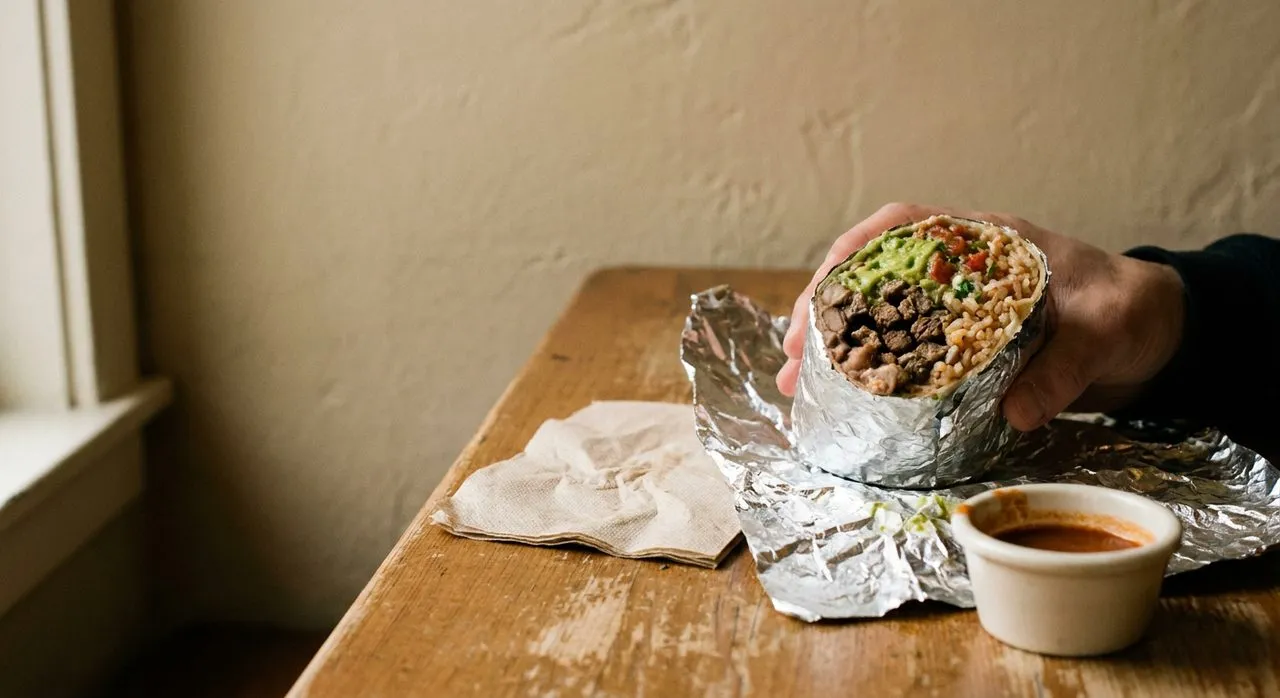
There's a specific joy to eating alone at a taqueria counter in the Mission. Not loneliness—joy. You claim your spot, watch the foil crinkle under expert hands, and commit fully to the task at hand. No conversation to split your attention, no shared-plate negotiations. Just you, a burrito the size of a small infant, and the particular satisfaction of being exactly where you want to be on a late May afternoon when the fog hasn't yet rolled in and the sun slants through plate glass at that perfect angle. The Mission invented the San Francisco burrito as we know it, and its counters remain the best stage for solo appreciation.
The Art of Counter Real Estate
Not all counter spots are created equal. You want a perch with a view of the assembly line—that mesmerizing choreography of rice, beans, meat, and the decisive foil wrap that separates competence from mastery. The best taquerias have counters that run parallel to the kitchen action, not facing a blank wall or, worse, a window view of heavy foot traffic that makes you feel like an aquarium exhibit. Look for elbow room. A ten-inch width minimum. Enough space that your burrito can sprawl slightly without invading your neighbor's territory.
Late afternoon is prime solo counter time in the Mission, particularly on weekdays. The lunch crush has ebbed, the dinner wave hasn't crested, and you get the staff at their most relaxed. They're not barking orders or moving at warp speed. There's room for a nod, maybe a brief exchange about extra salsa verde. The light in late May has that particular San Francisco quality—bright but not harsh, filtered through the marine layer that burns off just enough to make you remember why you pay what you pay to live here.
What Makes a Counter Solo-Friendly
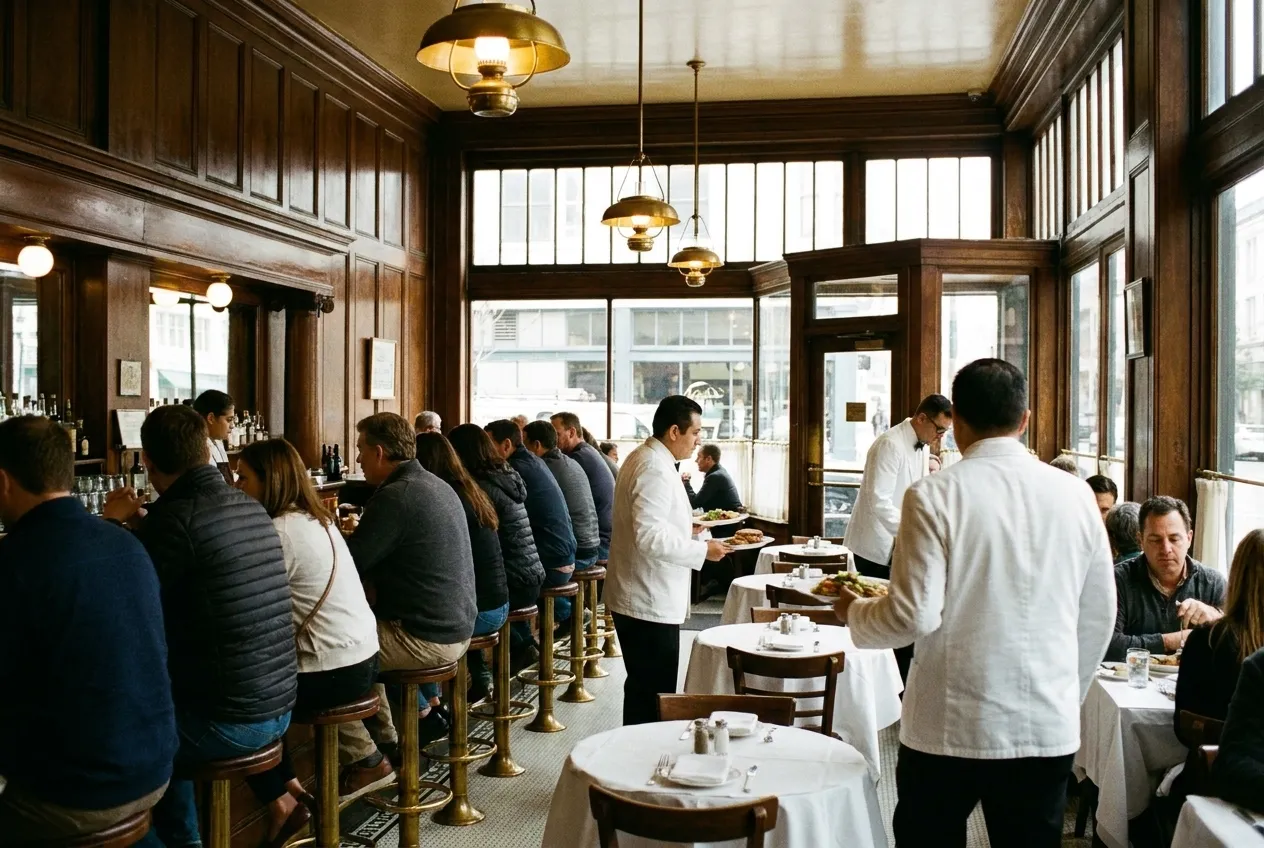
Seating matters less than you'd think. The truly great solo mission burrito sf experience often happens standing, leaning slightly forward over the counter's stainless steel lip, foil peeled back in careful increments. But practical reality: a row of fixed stools beats a wobbly two-top every time. Look for counters with built-in seating that faces the room or the kitchen, ideally with a slight back support. Your posture will thank you by bite twelve.
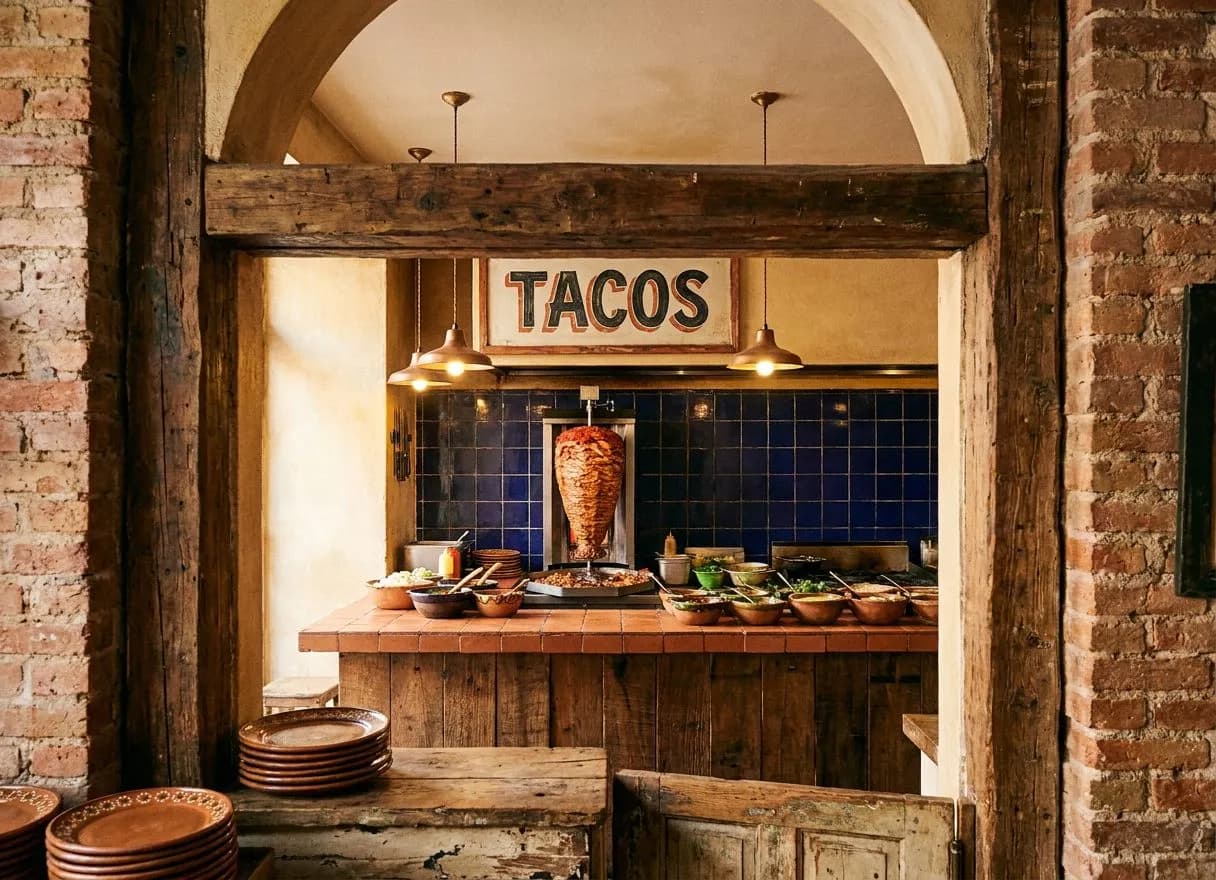
Lighting and sound texture are everything. Harsh fluorescents kill the vibe. You want warm overhead fixtures or plenty of natural light, the kind that makes cilantro look properly green and the aluminum foil gleam like it means it. As for sound, the best taquerias run at a steady hum—orders called in Spanish, the sizzle of the plancha, Radio Latidos or something adjacent layering in underneath. Not so loud you feel assaulted, not so quiet your chewing becomes the room's focal point. That Goldilocks zone of ambient human activity.
The 24th Street Corridor Strategy
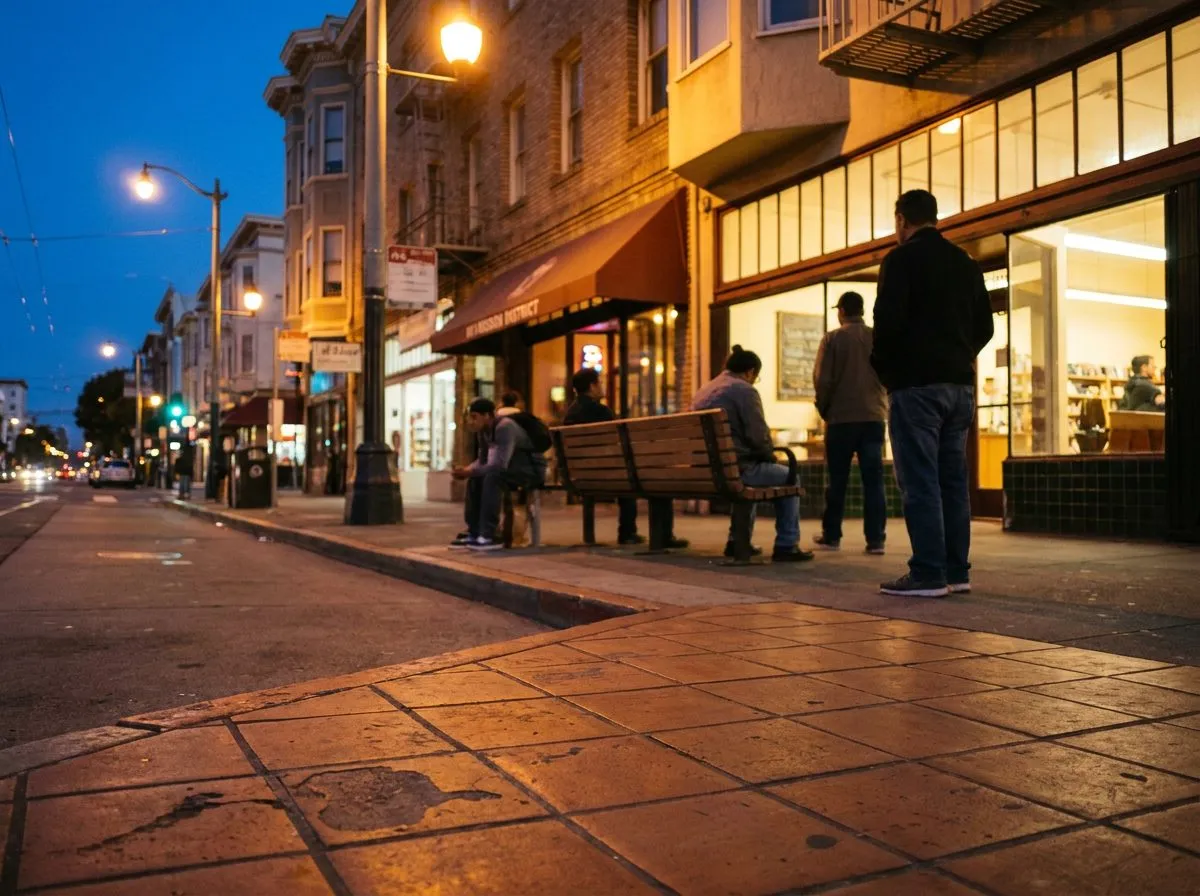
Twenty-fourth Street between Mission and Potrero holds the densest concentration of worthy counters, a stretch where you could theoretically eat a different burrito every day for two weeks without dropping below a B-plus experience. The taquerias here have settled into their identities—some lean traditional Jalisco-style, others have embraced the maximalist SF approach with grilled vegetables and tofu alongside the carnitas. Walk the block first. Peer through windows. Trust your instincts about which counter calls to you.
The advantage of this corridor is fallback options. If your first choice is slammed or the vibe feels off, another solid spot sits thirty seconds away. Mid-afternoon on a Thursday, you're likely to find that sweet solo diner equilibrium: enough other humans to avoid awkwardness, few enough that you're not jockeying for space. Parking on 24th itself is a blood sport, but the side streets usually yield a spot within a block if you're patient. Or accept the parking gods' will and take the BART to 24th Street Mission, emerging into the heart of the action.
Counter Etiquette and Unwritten Rules
Order with purpose. The line behind you may be invisible when you're at the counter, but it exists in spirit. Know whether you want regular or whole pinto beans. Rice or no rice—this is San Francisco, after all, where low-carb adaptations are respected. Salsa preference. The counter staff will guide you through proteins, but have a general direction in mind. Indecision reads as disrespect for the form.
Don't occupy a counter stool for an hour after you've finished. Twenty minutes for a burrito, maybe five more to collect yourself and check your phone, then yield the territory. This isn't a coworking space. If you want to linger with a book, grab a parklet table or head to Dolores Park afterward. The counter is for the communion of eating, not the extended meditation. Leave your space cleaner than you found it. Bus your own tray. These small gestures maintain the ecosystem.
Beyond the Burrito
Sometimes you arrive at the counter and the burrito doesn't speak to you. This is allowed. The best san francisco taquerias offer multiple paths to satisfaction. Tacos, obviously—easier to pace, better textural variety, the pleasure of assembly-line sampling. A quesadilla, underrated as a solo meal, especially the versions that achieve proper char on the tortilla exterior. Or the super burrito's unsung cousin, the burrito bowl, which eliminates structural failure risk and gives you better salsa distribution.
Late May brings certain seasonal advantages. Produce is hitting its stride—the tomatoes in the pico de gallo taste like something, the avocados achieve that perfect ripeness window. Some taquerias rotate in nopales or other spring vegetables. The aguas frescas shift toward lighter flavors, more horchata and less tamarind. These are subtle calibrations, but they matter when you're eating with full attention, the way solo counter dining demands.
Making It a Ritual
The best solo diners return to the same counter, becoming familiar without becoming regulars in that forced way that screams loneliness. You want to be recognized, maybe, but not to inspire pity or excessive familiarity. Once every week or two. Same day, different times. The staff clocks your presence, registers that you know what you're doing, maybe starts wrapping your burrito a little tighter because they've noticed you appreciate structural integrity. This is the relationship sweet spot: mutual recognition, minimal obligation.
Bring cash when you can. Cards work everywhere now, but cash moves faster and eliminates that signature-pad moment that breaks the counter flow. A small backpack or tote for the inevitable leftovers—even the most ambitious eater rarely finishes a Mission burrito in one sitting. No shame in the half-burrito-for-later play. It's practically a San Francisco tradition, that foil-wrapped promise of a second, smaller joy waiting in your refrigerator at midnight. The city's own edible souvenir, wrapped in silver and possibility.
Practical Notes
The heart of Mission taqueria counter action runs along 24th Street between Mission and Potrero, with additional concentrations on Valencia between 16th and 24th. Nearest BART: 24th Street Mission (exit at 24th and Mission). Street parking is challenging midday; try residential blocks east of Mission Street or accept metered spots on South Van Ness. Most taquerias open around 10 or 11 a.m. and run until 9 or 10 p.m., but verify hours directly as each sets its own schedule. Accessibility varies—many counters are wheelchair accessible with level entries, but counter-height seating isn't universal. Bring cash for speed, though cards are widely accepted. Budget $12–16 per burrito.
Tags: #PullUpAChair #SoloMissionBurrito #SFTaquerias #MissionDistrictSF #BurritoCounter #SoloSanFrancisco #SFEats #TaqueriaLife #MissionSF #SFDining #SanFranciscoFood #UrbanEats #SFSpring2026 #CityHunger #CounterCulture
Sources consulted: Mission District · Burrito History · San Francisco Travel · Time Out San Francisco Restaurants · SF Standard Food
All trademarks are the property of their respective owners.