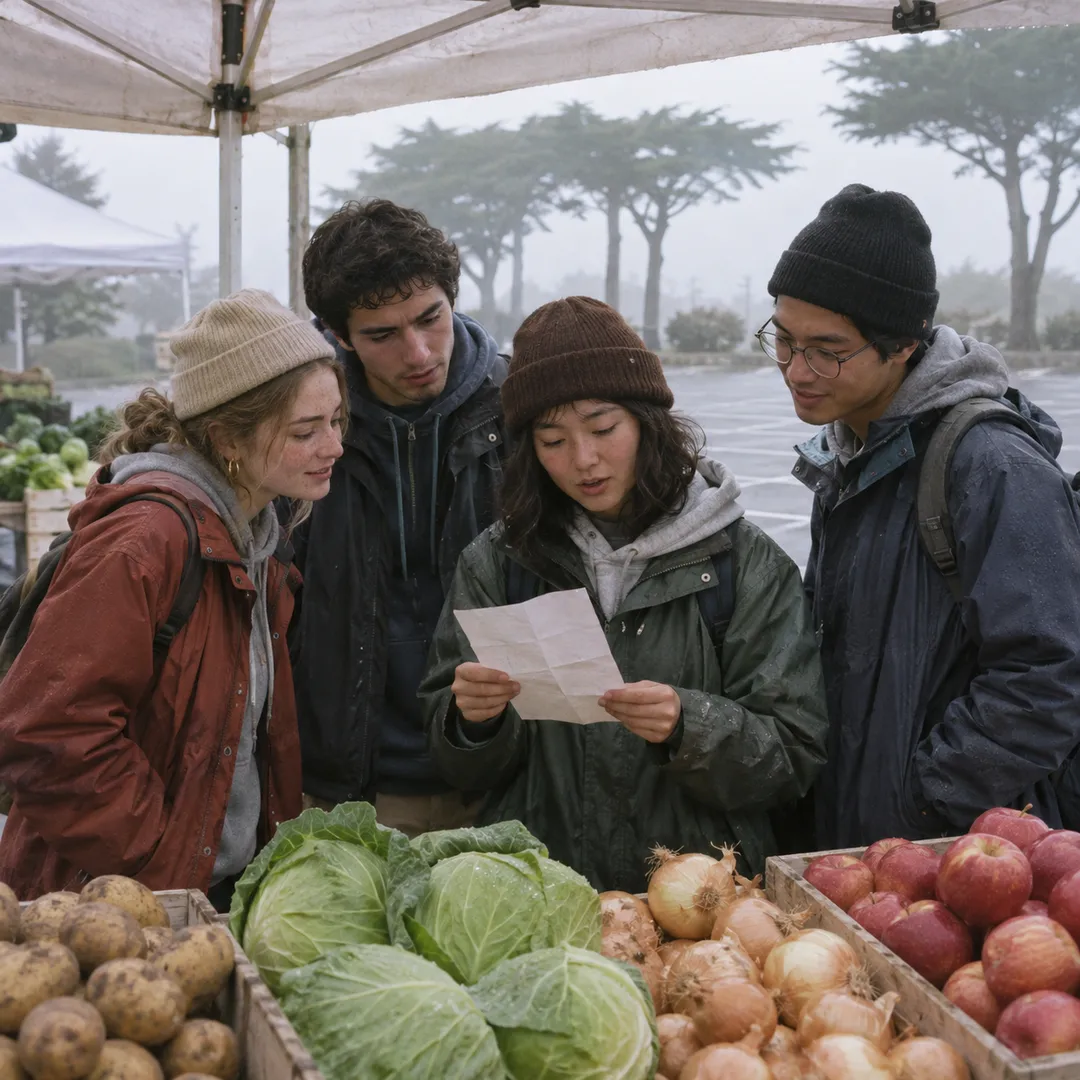
 Stonestown Winter Farmers Market Picker for Student Cooks
Weekend Plans
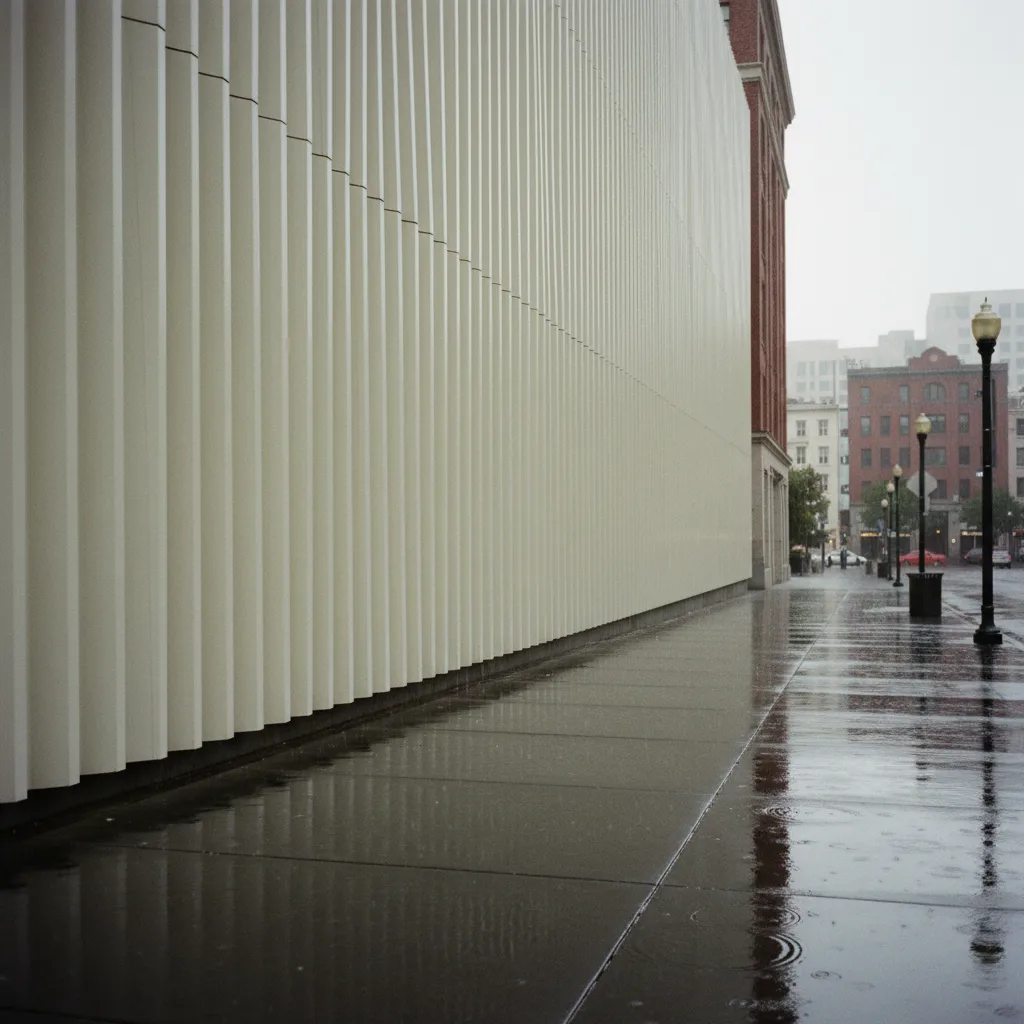
SF Rainy Day Museum Planner: 4 SoMa Arts District Stops
Four SoMa museums ring Third and Mission: SFMOMA, MoAD, Yerba Buena Center for the Arts and the California Historical Society, each a short dash apart.
Third and Mission is the tightest museum corner in San Francisco. SFMOMA rises half a block south on Third Street, the Museum of the African Diaspora sits in the base of a tower on the corner itself, the California Historical Society faces it across Mission, and the Yerba Buena Center for the Arts galleries are one more crossing away. On a rainy day that geometry is a gift: four stops, no walk longer than a traffic light, and a covered BART and Muni station a few minutes up the street. This rainy day museum planner treats the corner as one building with four doors.
Pick Your Anchor First
SFMOMA is large enough to swallow a whole day, and the three smaller institutions each reward an hour or so. The decision that shapes everything else is how much of SFMOMA you want. A full visit through all seven floors of galleries is four hours or more. A focused visit to two or three floors leaves time for every other stop on the corner.
Couples and solo visitors can comfortably do all four. Families with small children usually manage SFMOMA plus one smaller museum before attention runs out, and that is still a good wet day. Nothing here needs a car, a long walk or a second neighborhood.
A good wet-day rhythm is a smaller museum first while you dry off, SFMOMA through the middle of the day, and the remaining two in the late afternoon when SFMOMA's galleries get busy with weekend visitors.
Ten O'Clock at the Museum of the African Diaspora
MoAD opened in 2005 and occupies the lower floors of the St. Regis tower, which makes it the most sheltered door on the corner. The building's signature is a three-story wall built from thousands of small photographs that together form a portrait of a young girl's face, and it reads differently from every landing as you climb the stairs. The rotating exhibitions focus on contemporary artists of African descent, so each return visit is a different show.
Because MoAD is compact, it is a good place to shake out an umbrella, settle in and decide how you want to spend the rest of the day. Many visitors finish in an hour, though a dense exhibition can hold you longer.
The Middle of the Day at SFMOMA
Cross Mission, walk half a block down Third, and you are at SFMOMA. The museum's 2016 expansion by Snøhetta added a rippled white tower behind Mario Botta's 1995 brick building with its striped oculus, and the two read clearly as old and new from the lobby. Start on the free ground floor, where the Roberts Family Gallery holds Richard Serra's Sequence, a pair of leaning steel ribbons you can walk inside. It is free to enter without a ticket, which makes it a useful stop even on a day you are saving money.
Upstairs, the floors drawn from the Doris and Donald Fisher Collection and the photography galleries are the strongest choices for a shorter visit. The museum is generous with seating and the upper floors have big windows over SoMa, so you can watch the rain from inside. Skip the outdoor terraces on a wet day and keep to the galleries.
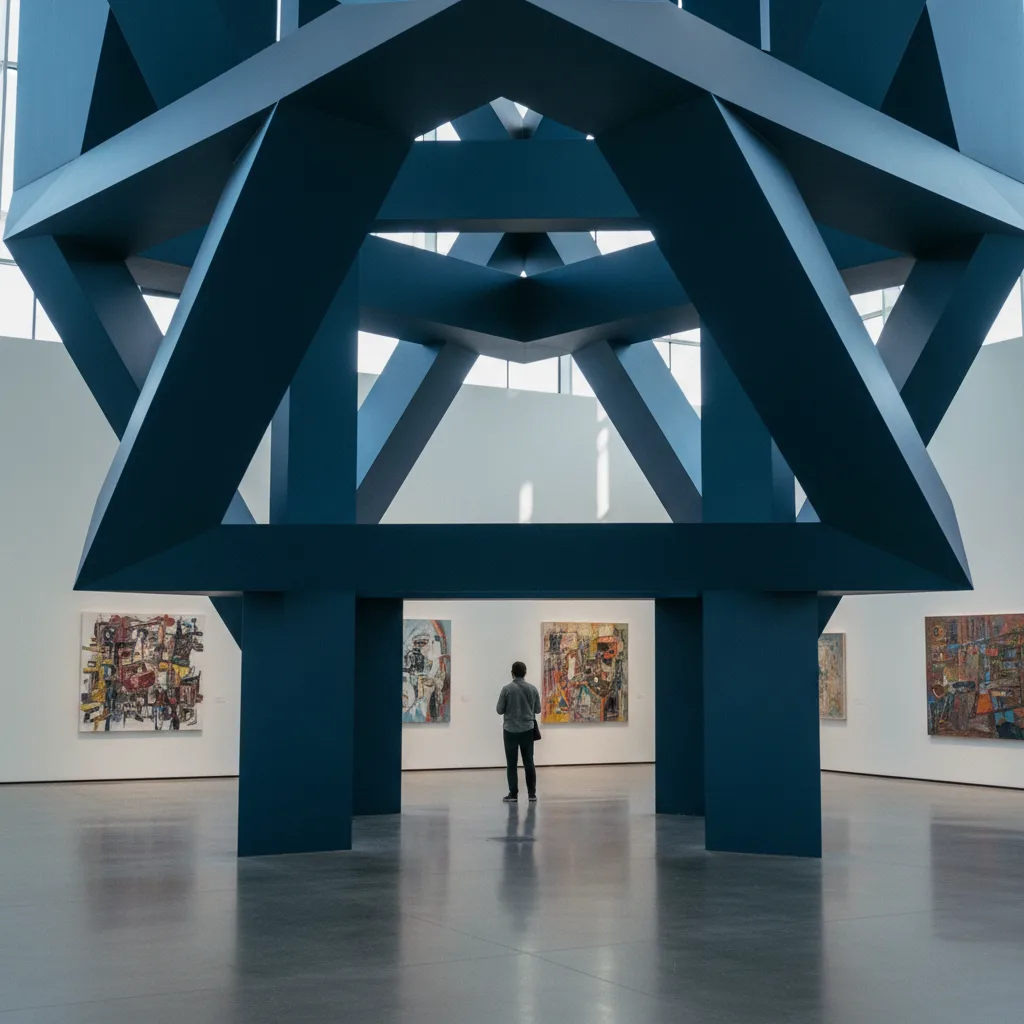
If you need lunch, the cafés inside SFMOMA mean you can stay dry without losing your place in the day. The Metreon across Fourth Street and the food halls nearby are the other dry options within a few minutes.
Late Afternoon on Mission Street
The California Historical Society, founded in 1871, keeps its exhibition gallery and research library on Mission Street directly across from MoAD. Its shows draw on photographs, maps and documents from the society's collection, which makes it a good counterweight to the contemporary art on the rest of the corner: you get the Gold Rush, the 1906 earthquake and the state's political history in a single room. Visits are usually short, and the gallery is quiet even when SFMOMA is busy.
Finish at Yerba Buena Center for the Arts, whose galleries sit at the edge of Yerba Buena Gardens. The center opened in 1993 in a building designed by Fumihiko Maki, and its exhibitions lean experimental, with installation, video and work by Bay Area artists. The galleries sometimes close for installation between exhibitions, and there are often evening talks and screenings if the rain shows no sign of stopping.
Getting to Third and Mission
Montgomery Street BART and Muni Metro station has exits on Market Street a few minutes' walk from the corner, and Powell Street station is a similar distance on the other side. The Central Subway's Yerba Buena and Moscone station puts the T line within a short walk of the YBCA galleries. Muni buses along Mission Street stop right at the museums. Parking garages around Moscone Center are the easiest choice if you drive, and they keep you under cover from the car to the street.
Practical Notes for a Wet Day
SFMOMA has coat check and generally requires large bags to be checked, so travel light. The smaller museums have limited storage, which makes a packable umbrella and a light rain shell the most comfortable kit. Book SFMOMA tickets ahead on weekends, especially if a major exhibition is open, and note that the museum offers free admission to visitors 18 and under.
The sidewalks around Moscone Center get crowded during conventions, which can turn a short dash between museums into a slow shuffle. When a big convention is in town, start earlier and keep the museum order flexible. Yerba Buena Gardens is lovely in good weather, but in rain the gardens are just open lawn, so cross them quickly rather than lingering.
Using Karpo for the Rest of the Day
In the Karpo APP, tell Karpo how many hours you have, whether you want the whole of SFMOMA or a short visit, and what kind of food you want afterwards. It can suggest an order for these four doors, compare a single-museum day with the full corner, and point you to dinner nearby in SoMa or Union Square. Tickets, program dates and transit times come from the museums and Muni themselves.
Ask Karpo for more information.
Keep reading
- Stonestown Winter Farmers Market Picker for Student Cooks
 Clement St Winter Farmers Market Picker for Lunar New Year
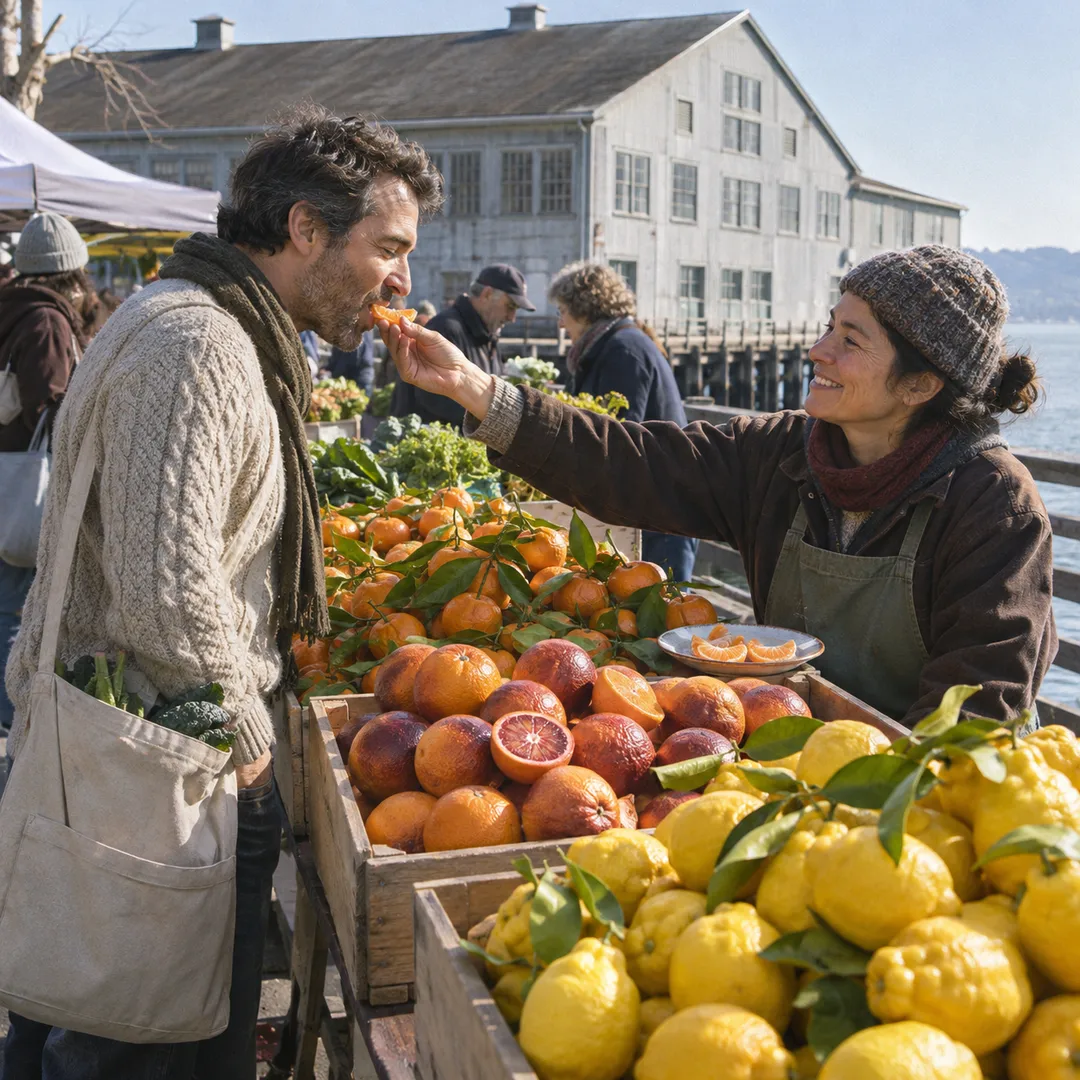 Fort Mason Winter Farmers Market Picker for Citrus Bakers