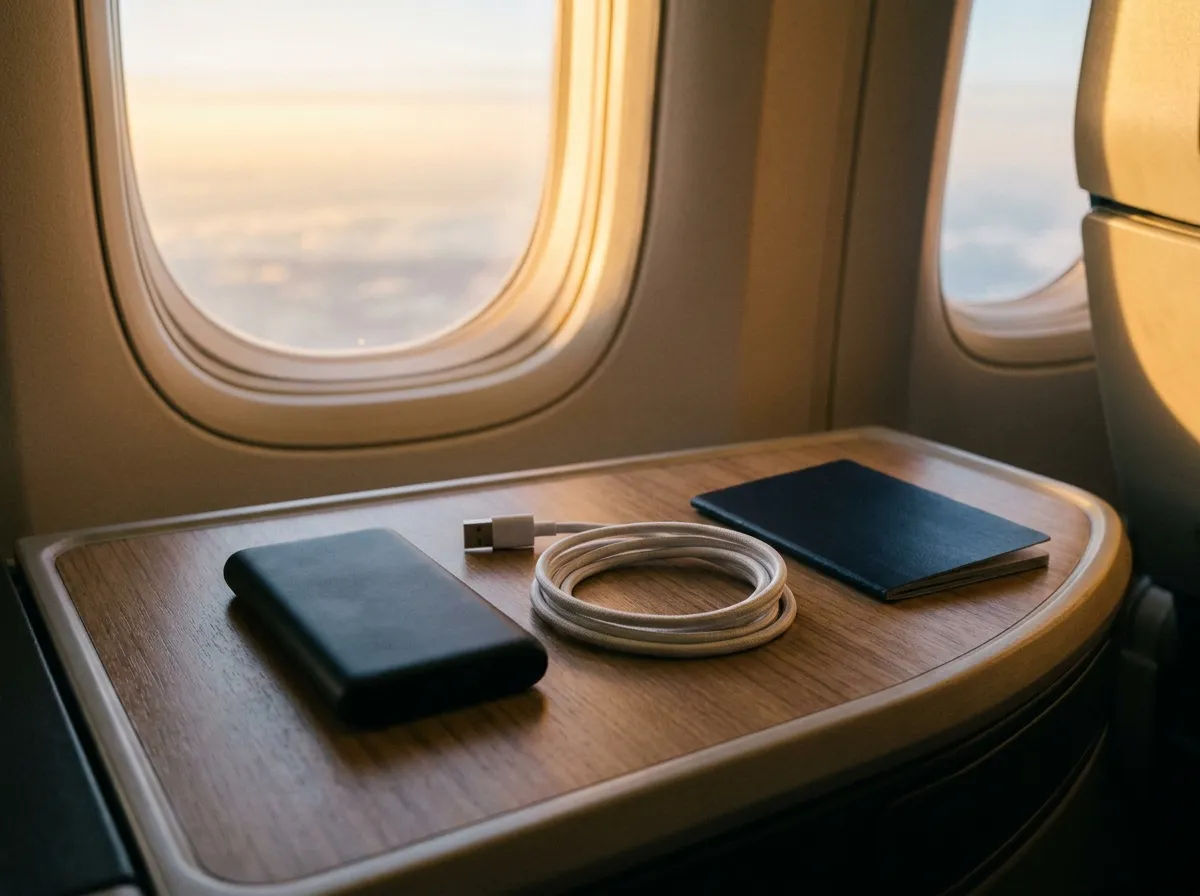
On August 21, a laptop battery caught fire mid-flight on an American Airlines trip from Atlanta to Dallas. The crew contained it with a thermal containment bag, one passenger needed medical attention, and the story rode the trending charts for days — partly because it keeps happening. Federal regulators have counted 58 lithium-battery incidents on US passenger flights so far in 2026. For San Francisco, the most gadget-dense travel population in America, the practical question is simple: what are the actual rules for flying out of SFO with your batteries, and what is changing?
Karpo can run through your packing list before a flight, check what your airline currently allows in the cabin, and remind you what needs to come out of the checked bag. Text Karpo the night before you fly and skip the checkpoint surprises.

The one rule that matters most
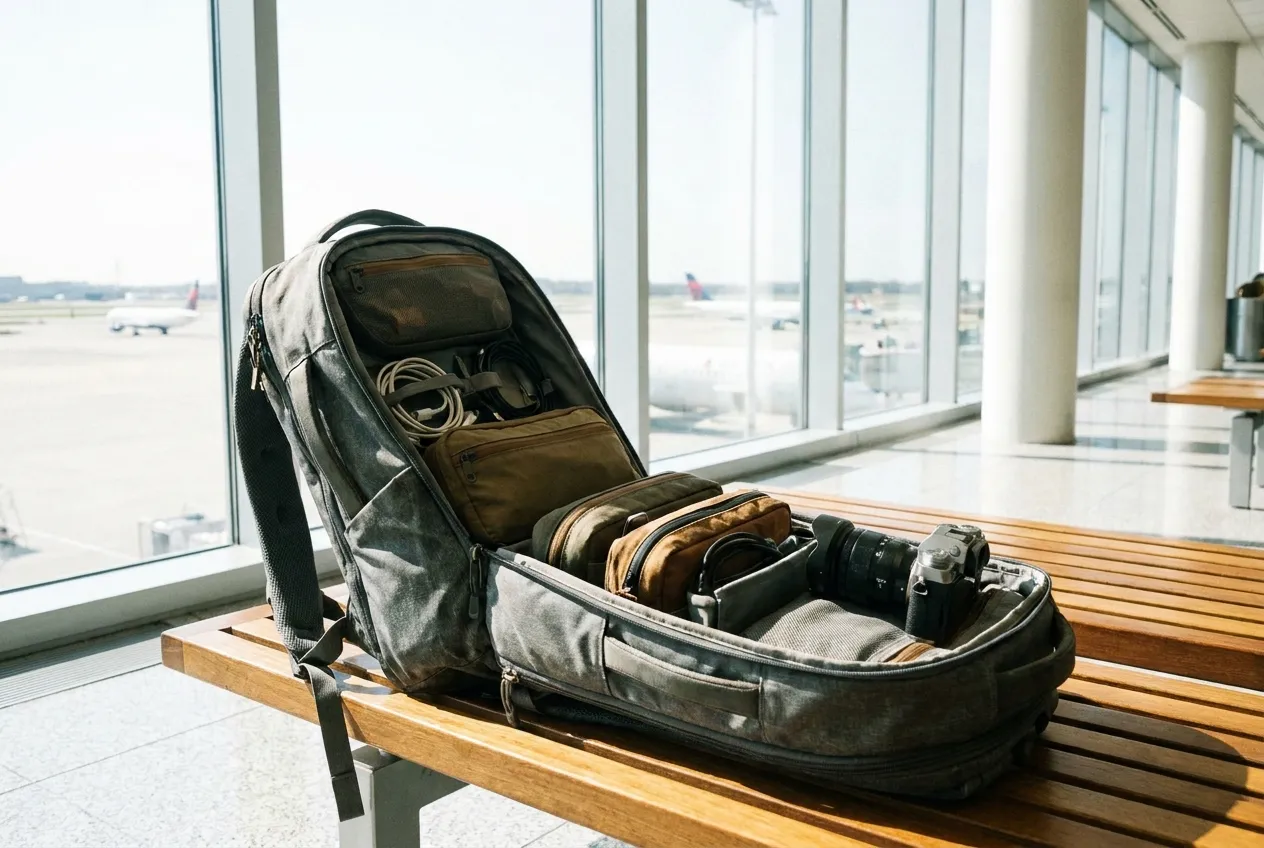
Everything else is detail compared to this: spare lithium batteries — power banks, loose camera batteries, anything with stored charge that isn't inside a device — belong in the cabin, never in a checked bag. The logic is unsentimental. A battery that fails in the cabin is a visible problem a trained crew can fight, as the American Airlines incident showed; a battery that fails in the cargo hold is a hidden one. Devices with installed batteries — a laptop in a suitcase — are treated more leniently by the rules, but the strong official preference is that they ride with you too, switched fully off, not sleeping.
If you remember nothing else at the SFO security line: the power bank goes in the backpack, not the roller bag you gate-checked.
The numbers on the label
Battery limits run on watt-hours, printed somewhere on the battery in small type. Up to 100 Wh — which covers virtually every phone power bank and laptop battery sold — you are fine without asking anyone. Between 100 and 160 Wh, the big photo-and-video batteries and the largest power banks, you need your airline's approval and are generally capped at two spares. Above 160 Wh, the battery does not fly on a passenger plane at all — that is e-bike and industrial territory. A power bank with no readable rating at all is a gamble: unlabeled batteries can be refused at the checkpoint or gate.
The translation for a typical SF traveler: your everyday brick is legal, your camera batteries probably need a glance at the label, and the giant "charges your laptop six times" slab deserves a check before you assume.
What's tightening in 2026
The rules above are federal and stable; what is shifting is airline policy on top of them. After this year's steady drumbeat of incidents, a number of carriers — several Asian airlines prominently among them — have restricted using power banks in flight or charging them in seatback USB ports, requiring spares to stay visible rather than buried in overhead bins. US carriers' policies vary and continue to evolve, which means the honest answer for any given trip out of SFO is: check your specific airline's current battery page before you fly, especially on international itineraries. The rule that was true on your spring trip may have a new asterisk by fall.
Habits that keep you off the news
The incident record points to a few simple practices. Buy batteries from reputable brands with safety certification, and retire anything swollen, dented or drop-damaged — deformed batteries are the classic precursor. Keep power banks where you can see and reach them in flight rather than in the overhead bin, and don't charge devices under blankets or pillows where heat pools. If a device ever grows hot, hisses or smokes mid-flight, alert the crew immediately and let them handle it; cabin crews train for exactly this and carry equipment for it. None of this requires paranoia. It requires about ninety seconds of packing attention per trip.
Practical notes
Core federal rules: spare lithium batteries and power banks in carry-on only; up to 100 Wh unrestricted, 100–160 Wh with airline approval (typically two spares), over 160 Wh prohibited on passenger aircraft; damaged or recalled batteries should not fly at all. Airline-specific policies on in-flight use and charging vary and have been tightening in 2026 — verify your carrier's current rules before departure, particularly for international flights out of SFO. Official guidance lives on the FAA and TSA sites and your airline's baggage pages.
Tags: #karpo #sanfrancisco #sfo #travelsafety #powerbank #lithiumbattery #packingtips #carryon #faarules #travel2026
Sources consulted: faa.gov · tsa.gov · flysfo.com
All trademarks are the property of their respective owners.
Ask Karpo first
Flying out of SFO this month? Ask Karpo to check your airline's current battery policy, build a carry-on checklist, or find a replacement power bank near you before the trip — small questions now beat big problems at the gate.