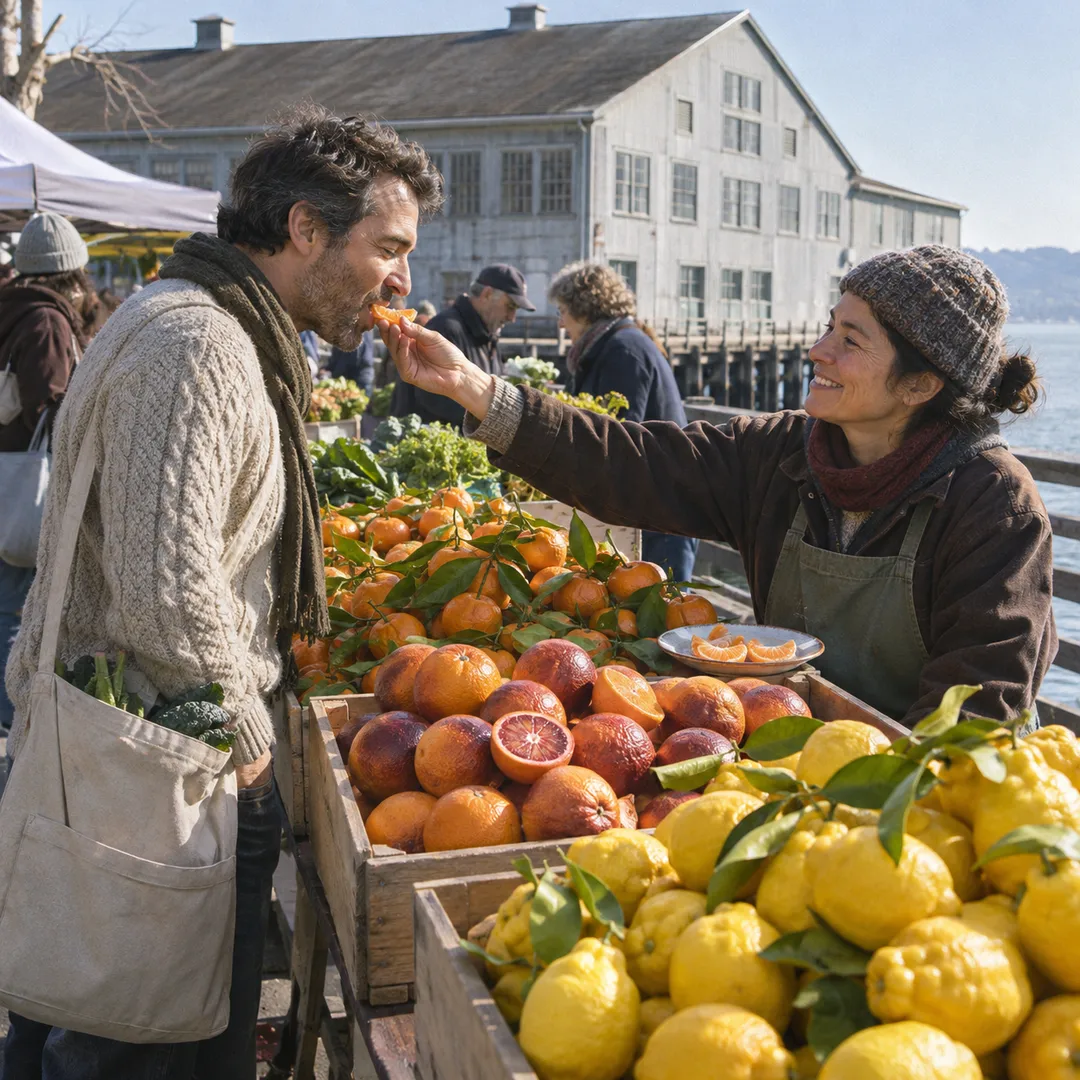
 Stonestown Winter Farmers Market Picker for Student Cooks
Weekend Plans

Randall Museum Pottery Studio Ceramics in San Francisco
Randall Museum Pottery Studio in San Francisco offers weekend family clay sessions with online registration at their hillside Museum Way arts facility.
A ceramic course looks straightforward from the sidewalk, yet everyday workshop logistics decide whether your visit feels rewarding and calm. Randall Museum Ceramics sits at 199 Museum Way, San Francisco, CA 94114, inside a community museum that balances natural history displays with craft instruction. Its public schedule includes family clay workshops on Sundays, operating within regular building hours of Tuesday through Sunday from 10:00 am to 5:00 pm, while remaining closed on Mondays. Bringing patience, rollable sleeves, and open ears allows the instructor to guide your first clay project smoothly through every stage.
Randall Museum Pottery Studio: Give the clay enough time
This historic hillside center delivers a thoughtful creative outing built upon honest studio rigor and mutual respect. The structured environment offers authentic craft education rather than an unstructured playroom free of technical guidelines. Detailed rules regarding drying racks, designated tool buckets, and scheduled kiln firings ensure that students and family visitors share limited equipment without compromising each other's work. Anyone willing to listen closely, respect equipment, and embrace messy hands will discover a grounding San Francisco experience that connects creative discipline with local community history.
Randall Museum Pottery Studio: The honest pottery-studio verdict
After completing your session and washing up, treat the museum as the starting point for an invigorating neighborhood outing. Stroll along Museum Way, climb the scenic paths of Corona Heights Park, or wander down into the neighboring Castro District for a casual meal. Carrying traces of slip on your clothes and feeling tired forearms make a relaxed park bench, bookstore browse, or coffee stop far more pleasant than a rushed dinner engagement. Notice the weathered stone and hillside flora along the park trails, comparing outdoor natural textures with your newly formed pottery.
Randall Museum Pottery Studio: Walk the surrounding blocks
Reserve your workshop spot ahead of time by visiting https://randallmuseum.org to choose a designated course or open studio registration block. The museum maintains operating hours Tuesday through Sunday from 10:00 am to 5:00 pm while closing every Monday. Direct telephone inquiries can be placed to (415) 554-9522 for facility information. Wear durable clothing and sturdy footwear that tolerate clay splatters, and plan ample transit time up the hillside. Keeping mindful focus on your wheel technique and labeling your finished piece ensures a smooth, satisfying studio experience.
Randall Museum Pottery Studio: Practical notes before booking
Learning craft requires embracing a creative space where practical observation leads each lesson. Visitors working inside this hillside facility discover that natural history galleries and ceramic teaching rooms combine to cultivate careful handwork. Rolling clay on a communal table rewards everyone with genuine physical memory as finger pressure alters damp earthen slabs. Whether you arrive for an introductory wheel session or bring relatives along for a weekend project, the setting supports methodical craft over rush. Understanding the balance between artistic exploration and steady community studio routines helps every guest settle into the work comfortably.

Randall Museum Pottery Studio: The format in plain English
There is a distinct difference between constructing an original piece and merely painting prefabricated ceramic blanks. Adding glaze can disguise an unstable build, but the pottery wheel instantly reveals uneven thickness or unsteady hand posture. Randall Museum Ceramics emphasizes foundational technique and structural balance rather than superficial decoration. Visitors looking solely for quick painting might prefer standard party venues, whereas guests eager to study wall thickness, centering physics, and manual tooling find deep value here. The studio caters especially well to curious families, beginners, and students keen on real craftsmanship.
Randall Museum Pottery Studio: Who this studio serves
When arriving with a child or an adult partner, coordinate expectations before taking seats at the throwing wheels. A successful family session depends on treating tables as shared resources and respecting instructor boundaries around clay amounts. Because space fills up quickly during popular weekend gatherings, queues naturally form around registration lists, workbench assignments, drying shelves, and washing stations. Arriving early keeps your personal belongings clear of narrow throwing lanes. Treat every vessel as fragile and stationary until your teaching artist gives direct permission to transfer it to designated racks.
Randall Museum Pottery Studio: Start with the room, not the fantasy
Cleanliness and shared courtesy keep this neighborhood ceramics classroom functional for dozens of makers each week. Observing how seasoned potters navigate communal areas helps newcomers master essential workshop etiquette. Individual practice happens on the wheel head, but utility sinks, clay scrap bins, tool buckets, and drying surfaces remain collective spaces. Washing sponges thoroughly, wiping splattered clay off equipment trays, and keeping clay residue out of standard plumbing lines preserve equipment for everyone. Practicing these simple communal responsibilities prevents accidental damage to neighboring projects and ensures the studio stays clean and welcoming.
Randall Museum Pottery Studio: The rule that protects the session
If fresh clay begins to slump or feels excessively moist, resist the impulse to correct the problem with aggressive force. New potters often pull clay walls too thin or press too hard during wheel rotation, causing tall vessels to wobble and fold. Ask the instructor to evaluate moisture levels before trimming away excess mass or reshaping the lip. Crafting a compact bowl or sturdy shallow dish teaches far more about centering mechanics than forcing an ambitious vase that collapses under uneven rim pressure during final pulls.
Randall Museum Pottery Studio: What the hands learn first
Beginners make the best progress by selecting straightforward functional shapes like a drinking cup, small cereal bowl, or simple succulent planter. Focus on basic symmetry and comfortable proportions that fit naturally between both palms rather than attempting complex decorative novelties seen online. Practical geometry lets you observe exactly how finger placement raises walls and smooths internal bases. Sticking with simple cylinders keeps attention focused on steady wheel rotation, clay consistency, and even compression, creating a solid foundation for future intermediate pottery classes.
Randall Museum Pottery Studio: Choose a form worth keeping
Kiln firing significantly alters an object's external dimensions, color tone, and moisture composition. Ask your instructor during cleanup how the studio schedules bisqueware firings and glazing cycles so your expectations match true workshop timing. Because wet clay naturally shrinks as water evaporates on open drying shelves, finished vessels emerge smaller and denser than their freshly thrown state. Patience is an integral component of the ceramic medium rather than an inconvenient obstacle, ensuring pieces dry completely before entering high heat without risking fractures or sudden kiln explosions.
Ask Karpo for more information.
Keep reading
- Stonestown Winter Farmers Market Picker for Student Cooks
 Clement St Winter Farmers Market Picker for Lunar New Year
 Fort Mason Winter Farmers Market Picker for Citrus Bakers