 Bernal Heights Pottery Glaze Supply Browsing Route: Walk
Hidden Gems & Odd Finds

Sunset Pottery Glaze Supply Browsing Route: Studio Walk
Plan a San Francisco Sunset District pottery supply outing. Compare ceramic test tiles and explore studio craft corridors with ease in the Karpo APP today.
Stepping out into the gentle morning fog of the Sunset District offers a wonderfully contemplative setting for ceramic artists and hobbyists preparing to source materials. The quiet residential rhythm and pastel facades of San Francisco's western avenues create a serene environment where makers can clear their minds before diving into the intricate world of ceramic surfaces. Browsing for ceramic glazes is rarely a hasty errand; it is an essential exploratory ritual where texture, chemical formulation, and aesthetic intent converge. Whether your current project centers on functional thrown tableware or sculptural stoneware vessels, taking a dedicated walking route through this coastal neighborhood grounds your studio practice in patient observation.
Coastal Light and Glaze Palette Preparation
The distinctive maritime light that filters through the Sunset District provides an honest and forgiving baseline when evaluating glaze test rings and sample swatches. Studio potters know that electric showroom lighting can easily distort subtle mineral undercurrents, whereas natural coastal daylight reveals true undertones of iron, cobalt, and copper. When curating a palette for mid-fire or high-fire work, taking time to examine sample tiles against the neighborhood's diffused sky helps you anticipate how finished pieces will look in everyday residential spaces. Observing how satin mats interact with cool gray horizons gives you immediate insight into whether a selected glaze will feel cozy or austere.
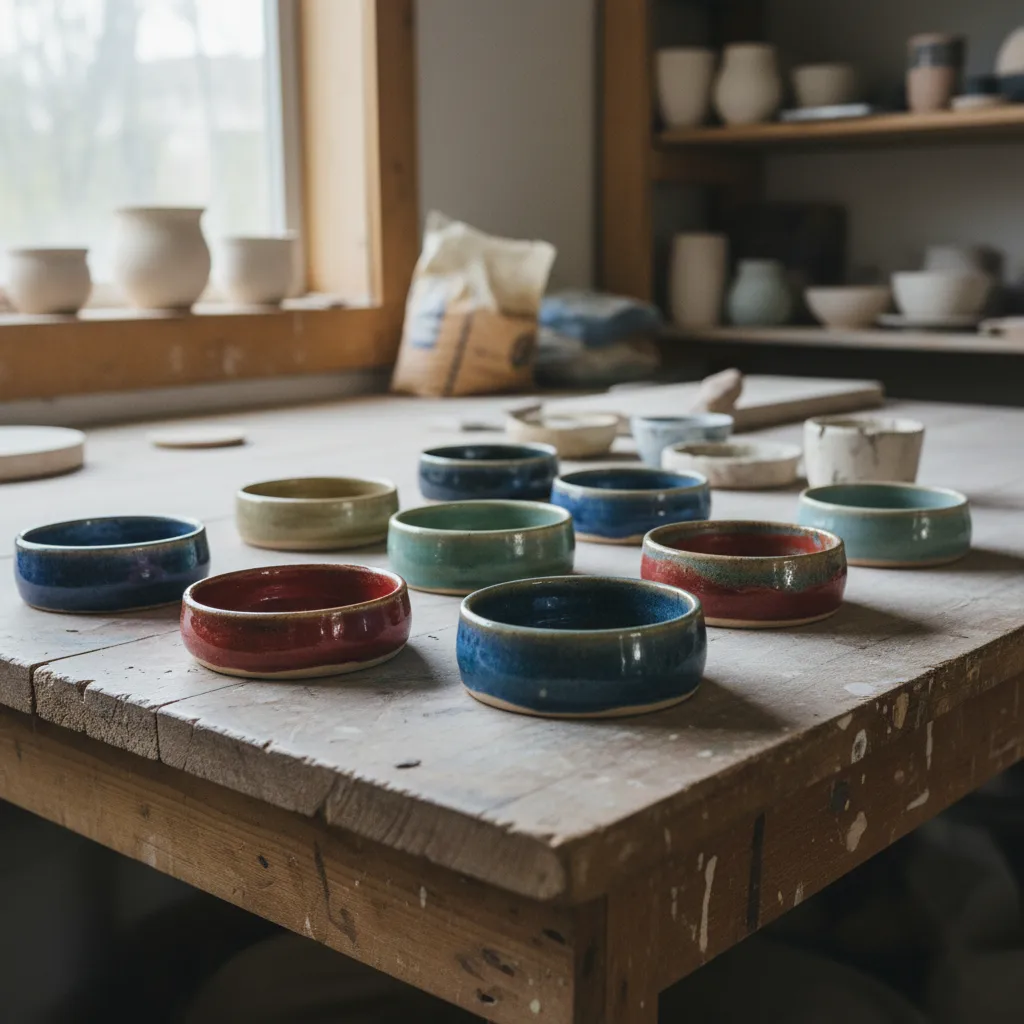
Before browsing physical shelves, compiling a dedicated studio swatch book prevents impulse selections that clash with your clay bodies. Note whether your current batch utilizes dark speckled stoneware, warm buff clay, or fine white porcelain, as the underlying iron content dramatically transforms translucent glazes. In coastal neighborhoods where studio spaces often share kiln access, identifying temperature parameters such as Cone 5 or Cone 6 is vital for safe communal firings. A well-prepared maker arrives with physical fired bisque chips to hold directly against display samples, checking surface tension, micro-crystallization, and color transitions under authentic ambient daylight.
Evaluating thermal compatibility between distinct clay formulations and commercial glaze suspensions is an equally crucial step during your preparatory walk. When clay bodies shrink at different rates from the overlying glass matrix, unwanted shivering or delayed crazing can develop weeks after the final firing cycle. Bringing a structured notebook with records of your studio's bisque temperatures and soak durations ensures you select companion glazes that match your firing curves, avoiding unexpected surface faults when testing new mineral recipes.
Formulating Key Technical Questions Before You Browse
Entering a supply space with structured questions transforms a casual browsing stroll into a rewarding masterclass. Begin by considering the functional requirements of your finished vessels, particularly if you design mugs, soup bowls, or dinnerware intended for frequent domestic dining. Inquire thoughtfully about glaze durability, craze resistance, and leach testing standards for daily culinary use. A trustworthy matte surface must feel smooth against the hand without showing silver cutlery marking over time, while a glossy finish must achieve complete vitrification without pooling excessively at the foot of the pot during prolonged peak temperatures.
Another critical topic for independent ceramists is the consistency between dry powder batches and pre-mixed liquid pints. If you work in a compact home studio or private bench space, liquid brushable glazes formulated with specialized gum solutions offer remarkable convenience and cleanliness. Conversely, production potters dipping dozens of identical pieces benefit substantially from measuring specific gravity with a hydrometer and mixing raw materials by the bucket. Asking about thermal expansion compatibility between standard regional clay blends and commercial overglazes helps prevent the heartbreaking ping of late-stage cooling fractures when unloading your finished kiln.
Understanding the practical mechanics of glaze layering and wax resist application also saves countless hours of studio trial. When combining two high-fire glazes, chemical mobility during peak heat can cause exciting variegation or disastrous runoff onto kiln shelves. Inquiring about recommended application thickness, coat counts, and dry times between dips helps you map out a reliable production workflow before committing valuable bisque ware to unverified chemical pairings.
Connecting Studio Visits Along Ocean-Breeze Corridors
The beauty of mapping a supply excursion through the Sunset District lies in how easily the errand weaves into a refreshing coastal neighborhood walk. Between visiting local community ceramics spaces and gathering materials, makers can take peaceful pauses along quiet avenues lined with coastal succulents, cedar shingles, and ocean-facing garden corners. Carrying a canvas tote filled with test swatches, technical notebooks, and fresh brushes feels natural along these expansive streets, where the pace slows down and invites unhurried contemplation of form, color, and functional craftsmanship.
Consider extending your walk toward the Great Highway or taking a tranquil turn through Golden Gate Park's southern trails to let your design concepts settle. The rhythm of walking along wide sidewalks encourages creative reflection on surface textures, whether you want to mimic the earthy brown tones of coastal cypress bark or the misty blue hues of morning Pacific breakers. Pairing a focused studio supply mission with neighborhood cafe stops and bench breaks turns raw material sourcing into an inspiring artistic retreat that enriches your next throwing or handbuilding cycle. Taking unhurried strides past avenues lined with salt-tolerant gardens provides the mental space needed to harmonize aesthetic choices before embarking on your next pottery making session.
Nearby Recommendations for a Sunset Sketch Break
Ask Karpo APP for nearby places around the Sunset District when you want a change of scene after comparing glaze samples. A useful request might describe a preference for a quiet cafe where you can sit and draw, or an outdoor place for observing coastal colors. Review the recommendations and decide which setting fits your mood. Keep your own studio notes alongside your sample tiles, and choose your destination and walking directions yourself. The outing can stay flexible as your ideas develop, without turning every pause into another studio task.
Use the break to narrow your palette rather than adding more colors. Lay two fired samples beside a pencil sketch of the intended vessel and describe the difference in plain words: cooler, warmer, softer, or more reflective. Record which observation you want to test when you return to the studio, and leave any unresolved material questions on your own written list. Whether you finish beside a garden or over coffee, a clear next experiment gives the neighborhood walk a useful ending.
Ask Karpo for more information.
Keep reading
- Bernal Heights Pottery Glaze Supply Browsing Route: Walk
 Potrero Hill Pottery Glaze Supply Browsing Route: Walk
 Mission Pottery Glaze Supply Browsing Route: Studio Walk