 Bernal Heights Pottery Glaze Supply Browsing Route: Walk
Hidden Gems & Odd Finds

SF Richmond Pottery Glaze Supply Browsing Route: Walk
Explore Inner Richmond in San Francisco with a pottery glaze swatch notebook. Compare ceramic surfaces and ask the Karpo APP for nearby place recommendations.
Wandering along the bustling commercial corridors and tranquil residential cross-streets of the Inner Richmond offers an inspiring atmosphere for ceramists designing their upcoming firing series. Situated between the lush green expanse of the Presidio and Golden Gate Park, this neighborhood pulses with independent culinary traditions, eclectic storefronts, and vibrant neighborhood creative energy. Preparing for a pottery glaze shopping excursion here invites artists to embrace mindful focus, stepping away from the wheel or slab roller to evaluate colors and mineral coatings in a relaxed neighborhood setting. Crafting intentional ceramic surfaces begins long before brushing liquid onto bisque ware, rooted instead in thoughtful material comparisons and clear project roadmaps.
Architectural Contrast and Studio Glaze Swatch Selection
The distinctive architectural texture of the Inner Richmond, characterized by bay-windowed flats and sheltered garden patios, mirrors the nuanced balance ceramists strive to achieve between form and surface treatment. When reviewing sample tiles, holding swatches under both bright northern sky exposures and warm interior amber lighting reveals how subtle opacifiers such as tin oxide and zircon behave across varying environments. Stoneware bodies with coarse grog demand different surface considerations than smooth white earthenware, as rough clay inclusions can break through thin wash layers to create spontaneous speckled halos around rim contours.
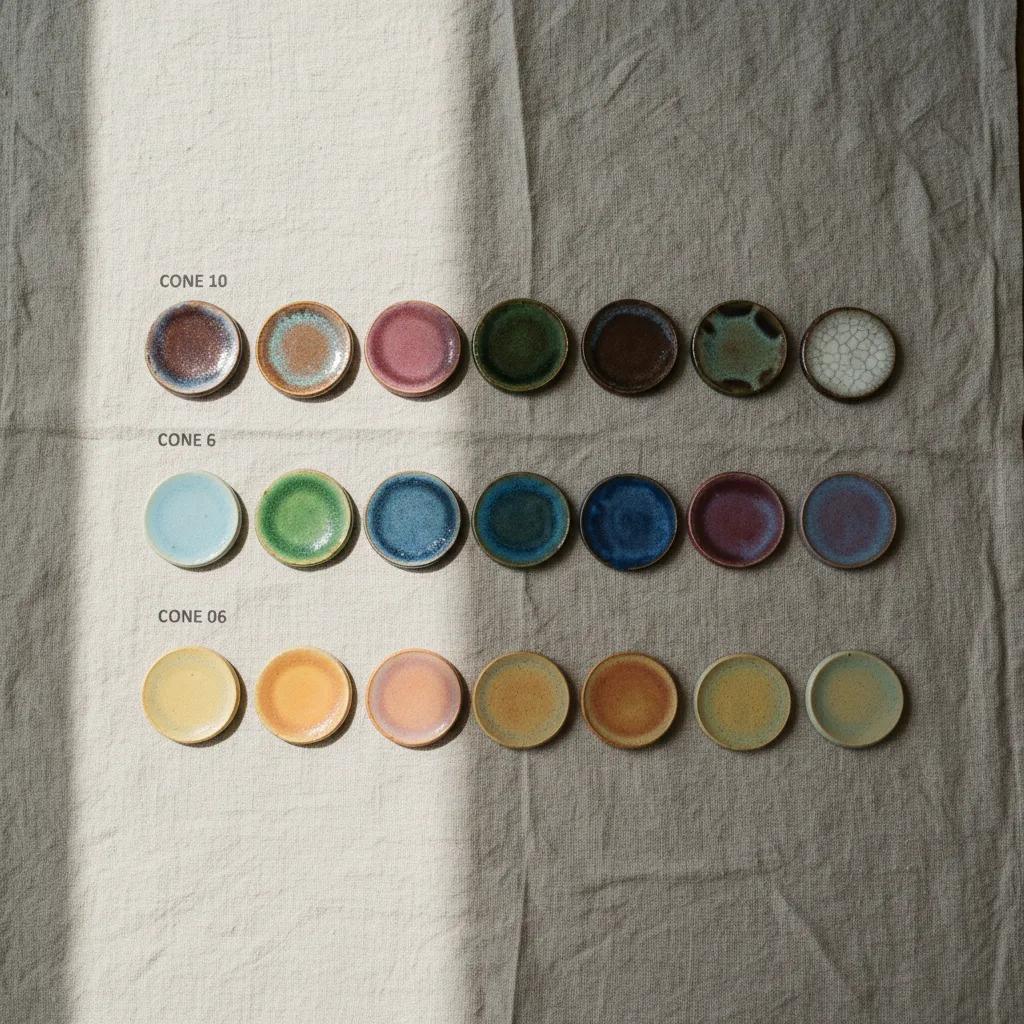
Carrying an organized physical swatch roll containing fired clay tests allows you to cross-examine glaze recipes with precision. Note whether your studio utilizes electric oxidation kilns or communal gas reduction chambers, as iron-rich glazes like kaki and saturated temmoku transform dramatically depending on chamber atmospheres. In urban collaborative studios where shelf space is precious, selecting dependable mid-fire glazes that perform uniformly across multiple firings minimizes costly refiring cycles and ensures reliable functional results for your pottery collection. Dedicated ceramic practitioners frequently document firing results across varied kiln atmospheres, noting how reduction cycles bring out earthy undertones in feldspathic glazes while electric oxidation preserves bright, uniform pastel colorations. Understanding these ambient firing dynamics empowers you to select reliable chemical formulas suited to your exact studio setup.
Examining surface tactile qualities is just as pivotal as inspecting hue saturation during your studio preparation. Vessels intended for everyday rituals, such as tea bowls and espresso tumblers, require soft satin surfaces that feel comforting against the fingertips while resisting acid etching from citrus or dark roasts. Taking methodical notes on specific matte formulations—noting whether they achieve their finish through fine micro-crystalline growth or alumina saturation—helps you build a durable, cohesive ceramic collection that withstands regular dishwasher use.
Essential Technical Inquiries for Ceramic Materials
Approaching your supply walk with concrete technical criteria ensures that every purchased jar or dry mix aligns perfectly with your studio safety parameters. If your work centers on utilitarian kitchenware, discussing food-contact safety standards and proper maturation temperatures with studio technicians is vital. Glazes containing soluble heavy metals or unstable colorants require specialized handling and strict firing schedules to achieve total vitrification, while commercially certified lead-free formulations provide worry-free surfaces for functional domestic pottery.
Additionally, ceramists should clarify suspension stability and specific gravity metrics when purchasing dry components. Understanding the optimal water-to-powder ratio, the necessity of bentonite additions for suspending heavier feldspathic compounds, and appropriate mesh sieve counts prevents frustrating clumping during glaze preparation. For decorators utilizing wax resist or paper stencils, checking the drying rate and brushing viscosity of underglaze formulas ensures crisp line work that remains sharp throughout bisque and glaze firings. Carefully calculating specific gravity using a hydrometer guarantees that your glaze suspension delivers uniform coat thickness across curved rims and flat plates alike. Ensuring consistent viscosity prevents frustrating glaze defects like crawling or excessive pinholing, allowing your delicate wheel-thrown forms to emerge from the kiln with pristine, museum-quality ceramic finishes.
Understanding glaze fit to prevent delayed surface flaws such as micro-crazing or dunting remains a hallmark of seasoned ceramic craftsmanship. Requesting thermal expansion coefficients for newly introduced glazes ensures they contract harmoniously with your base clay during the critical quartz inversion phase around cooling kiln thresholds. Taking time to review technical data sheets protects your investment of time and artistic effort, providing peace of mind before applying coats to finished ceramic ware.
Connecting Material Exploration Across Neighborhood Corridors
Integrating your ceramic supply planning with an unhurried walking tour of the Inner Richmond transforms a practical errand into a deeply engaging neighborhood journey. Between visiting local maker ateliers and browsing studio materials, artists can pause at beloved neighborhood bakeries, pick up aromatic teas, or take contemplative rests on park benches near the edge of Golden Gate Park. Walking along Clement Street and Geary Boulevard allows you to absorb the diverse textures, painted signage, and lively street life that continually supply visual inspiration for ceramic forms and surface carvings.
Carrying a pocket sketchbook during your route lets you immediately jot down color combinations, glaze layering sketches, and vessel silhouettes inspired by surrounding architecture and botanical gardens. The gentle tempo of neighborhood foot travel creates an ideal rhythm for consolidating creative ideas, allowing you to visualize how earthy celadon tones or deep rutile blues will complement your next collection of wheel-thrown plates and handbuilt vases before you mix your first test batch. Taking peaceful strides along sunlit sidewalks gives you uninterrupted moments to balance artistic vision with practical studio chemistry before committing your best pottery pieces.
Nearby Recommendations and Your Own Studio Notes
For nearby place recommendations in Inner Richmond, open the Karpo APP and describe the kind of stop you have in mind, such as a cafe for a break after looking at ceramic materials. Treat those recommendations as possible places to consider. Choose the destinations yourself, decide their order, and use your own directions for getting between them. Keep the ceramic details in your pocket notebook: the clay body you use, the fired swatch you brought, and the surface qualities you want to compare. A small sketch beside each observation can distinguish a rounded tea bowl from a flatter serving plate when you revisit the notes at home.
Before returning to the studio, give your observations a little structure on paper. Separate colors seen on neighborhood facades from colors observed on actual fired test tiles, so an inspiring shade does not become an assumed glaze result. Beside a satin sample, describe its appearance in the light where you examined it; beside a gloss sample, sketch how reflections emphasize its curve. You can then select your own next experiment without expecting a neighborhood outing to settle every material question. Karpo APP provides nearby place recommendations; your notebook holds the comparisons, and you make the decisions about where to go and which ceramic ideas to pursue.
Ask Karpo for more information.
Keep reading
- Bernal Heights Pottery Glaze Supply Browsing Route: Walk
 Potrero Hill Pottery Glaze Supply Browsing Route: Walk
 Mission Pottery Glaze Supply Browsing Route: Studio Walk