 Bernal Heights Pottery Glaze Supply Browsing Route: Walk
Hidden Gems & Odd Finds
SoMa Plant Shop Crawl Planner for Pet-Safe Loft Living
Plan a SoMa plant shop crawl for pet owners: learn which plants are kinder to cats and dogs, shop loft-friendly greenery and end with a walk in a dog park.
South of Market has changed many times, from warehouses and workshops to lofts, live-work studios and glassy new towers. What has not changed is that a lot of people here share their homes with dogs and cats. Pets and plants can live together happily, but not every popular houseplant is a good roommate for a curious kitten or a dog who chews everything. This plant shop crawl planner is for SoMa pet owners who want a greener home without worrying every time a tail brushes a leaf. It covers which plants to look for, which to skip and how to arrange them in open, airy spaces.
Why Pet Owners Need a Different Plant List
Many of the plants you see in design magazines are a poor match for homes with animals. Pothos, philodendron, monstera, ZZ plant, snake plant and dieffenbachia are all common and easy to grow, but they can upset a pet's mouth and stomach if chewed. Sago palms and lilies are far more serious. Lilies are especially dangerous for cats, and even pollen or water from a vase can cause harm.
That does not mean you need to give up on plants. There is a long list of houseplants that are considered non-toxic for cats and dogs, and many of them are just as lovely and easy to grow. The key is to shop with a clear list in hand, ask questions in every shop and place even the safe plants thoughtfully so that leaves stay intact and pets stay curious rather than destructive.
Making a Pet-Safe Shopping List
Before you head out, write down a short list of plants that are widely considered safe for pets. Spider plant, parlor palm, areca palm, Boston fern, bird's nest fern, calathea, prayer plant, peperomia, African violet, haworthia and ponytail palm are good places to start. Many herbs such as basil and rosemary are also fine in small amounts, although cats sometimes find them irresistible.
Keep the list on your phone and check each plant's name before you buy. Common names can be confusing, so look at the label or ask the shop for the botanical name. If your pet has a health condition or tends to eat everything, a quick chat with your vet before shopping is worth it. Remember that safe does not mean edible, so a plant that is chewed often may still cause mild stomach trouble.
Starting Among Warehouses and Studios
SoMa is spread out, with wide streets, big blocks and pockets of shops between offices, galleries and residential buildings. Plant shops, florists and design stores are scattered across the neighborhood and nearby areas, so plan a loose route rather than trying to see everything. Mix plant stops with places you already like, such as a favorite cafe or a gallery.
Look for shops that group plants by care needs or that know their stock well. Staff who can tell you the botanical name of every plant on the shelf are a great help for pet owners. Ask them to point out pet-friendly options. Many plant sellers have been asked this question before and have a few favorites ready to recommend.
Plants That Suit Lofts and Tall Windows
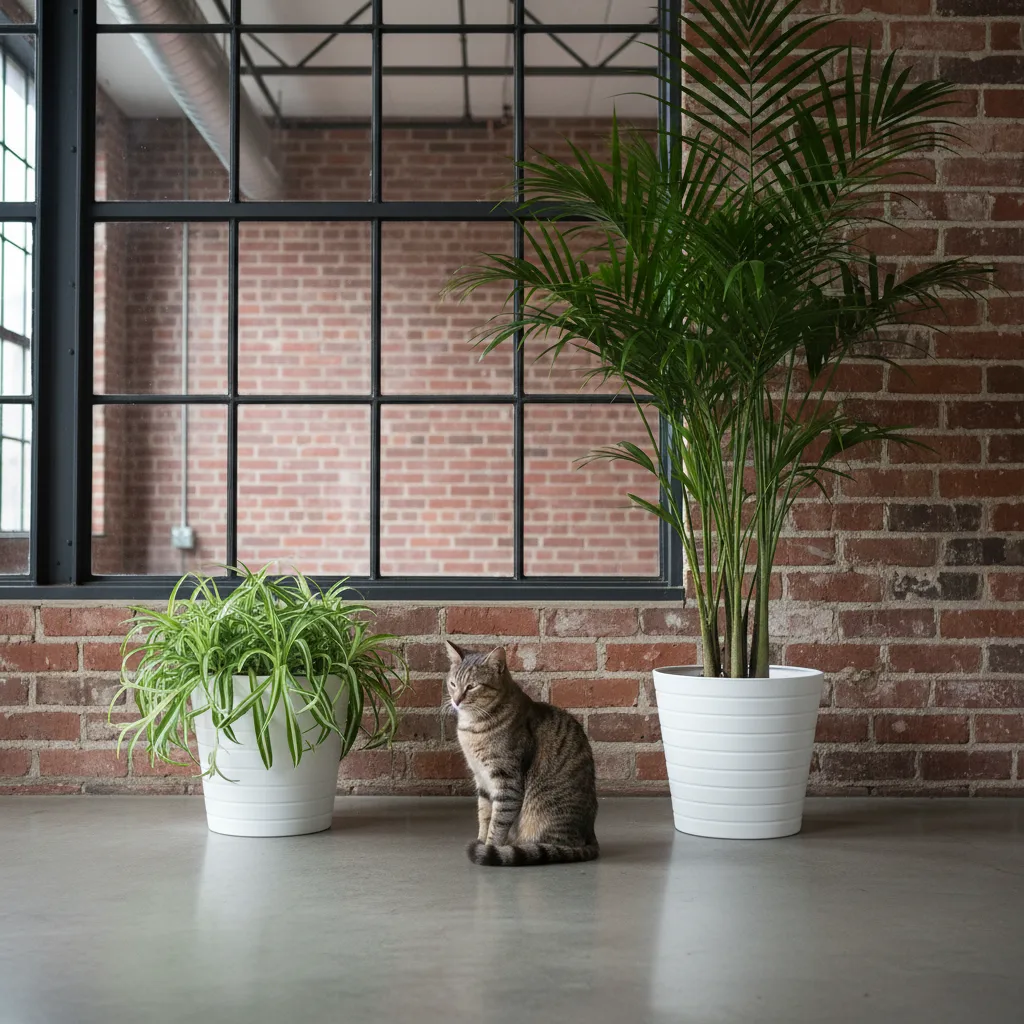
Lofts and converted warehouses often have big windows, high ceilings and open floor plans. That light is a gift. Tall palms such as parlor palm and areca palm can fill a corner without overwhelming the room. A ponytail palm, with its swollen trunk and fountain of thin leaves, looks sculptural and handles dry indoor air and bright light well.
For shelves and hanging spots, spider plants, Boston ferns and bird's nest ferns are lush and forgiving. Calatheas and prayer plants have striking patterned leaves that fold up at night, which makes them fun to watch. In newer towers with wall-to-wall glass, check how strong the afternoon sun is before placing ferns or calatheas, since they prefer bright but gentle light.

Placing Plants Where Paws Cannot Reach
Even pet-safe plants can be knocked over, dug up or shredded by a playful animal. Hanging planters are one of the best solutions in lofts with high ceilings or sturdy beams. Wall-mounted shelves and tall plant stands also lift plants above a dog's reach, although cats may still find a way up. Put the plants your pet seems most interested in on the highest perches.
Heavy pots with wide bases are harder to tip over. Cover the soil with a layer of large smooth stones if your cat likes to dig or treat pots as a litter box. Keep fertilizers, plant food and pest sprays in a closed cupboard, since these can be more harmful to pets than the plants themselves.
Giving Cats Their Own Green Corner
Cats often chew plants because they enjoy the texture or want something green. Offering them their own plants can save the rest of your collection. A small tray of cat grass, usually grown from wheat or oat seeds, is easy to grow on a sunny windowsill and gives cats something to nibble. Catnip and cat thyme can also be grown in small pots for enrichment.
Place the cat's plants somewhere easy to reach and keep your other plants higher up or in another room. Many cats will happily choose their own grass over a fern on a shelf. Watching your cat lounge beside its own patch of green is one of the small joys of a shared plant home.
Dog-Friendly Habits for Plant Lovers
Dogs are usually less interested in climbing shelves, but some love to chew, dig or knock pots with a wagging tail. Keep floor plants in heavy containers and away from busy walkways where your dog runs to the door. Puppies, in particular, explore with their mouths, so it helps to keep most plants out of reach until they grow out of that stage.
If your dog loves to sniff and lick leaves, choose sturdy plants such as parlor palm or spider plant for lower spots. Wipe leaves now and then to remove dust, and clean up fallen leaves quickly. Pay attention to your dog after bringing home any new plant, and move it if it becomes a favorite chew toy.
Carrying Plants Home Through SoMa
SoMa's long blocks and busy streets can make carrying plants a challenge. Plan your crawl so that larger plants come last, or choose shops close to your building for heavier purchases. A sturdy tote bag works for small pots, while a folding cart helps with soil and larger planters.
Ask shops to wrap delicate plants such as ferns and calatheas, since wind between tall buildings can be strong. If you live in a building with an elevator and a doorman, let the front desk know you are bringing in a large plant. It makes the trip upstairs much smoother.
Ending With a Walk in the Dog Park
Once your plants are home, take your dog out to one of the neighborhood's parks and dog runs. SoMa has several green spaces tucked between buildings, from small pocket parks to larger lawns with play areas. It is a good place to unwind after a shopping trip, chat with other pet owners and swap plant tips.
Many dog owners you meet will have their own stories about plants that pets loved or destroyed. Use the Karpo APP to look up nearby plant shops, pet stores and cafes for your next outing. With a clear list and smart placement, you can enjoy a green loft that is safe and welcoming for every member of the household.
Ask Karpo for more information.
Keep reading
- Bernal Heights Pottery Glaze Supply Browsing Route: Walk
 Potrero Hill Pottery Glaze Supply Browsing Route: Walk
 Mission Pottery Glaze Supply Browsing Route: Studio Walk