 Bernal Heights Pottery Glaze Supply Browsing Route: Walk
Hidden Gems & Odd Finds
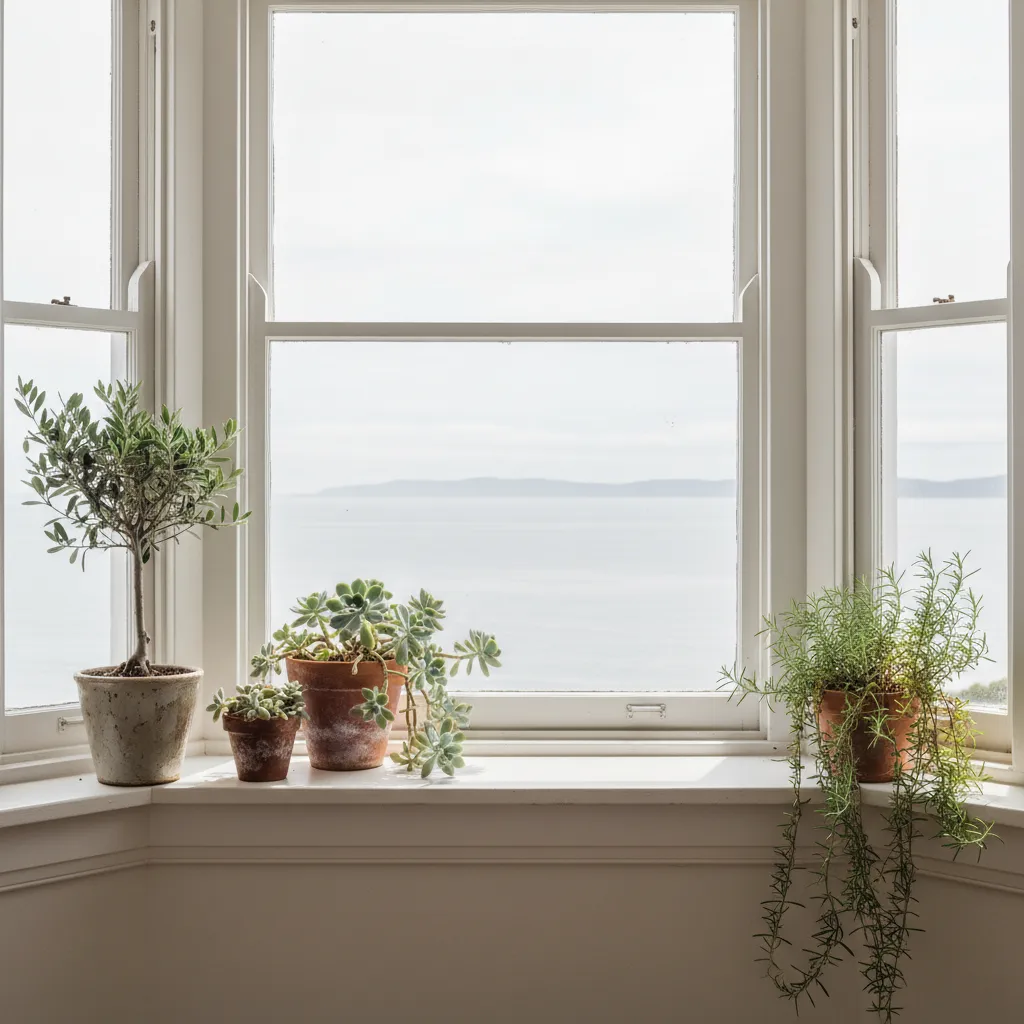
Marina Plant Shop Crawl Planner for Salty Bay Windows
Plan a Marina plant shop crawl for bright bay windows and windy balconies: pick plants that handle salt air, carry them home safely and end on the waterfront.
The Marina is a neighborhood of bay windows. Row after row of pastel flats catch bright light off the water, and most of them face a steady wind that carries a hint of salt from the bay. That combination is a gift for some plants and a slow struggle for others. This plant shop crawl planner is for anyone who has just moved into a Marina flat, stood in front of a big sunny window and wondered what will actually thrive there. It walks you through how to read your light and wind, how to shop the neighborhood without carrying too much, and how to finish the day by the water.
Why Marina Windows Are Different
Most San Francisco plant advice assumes fog and gentle light. The Marina often gets more sun than inland neighborhoods, especially in the afternoon, and the light bounces off the water and pale stucco walls. A west-facing bay window here can feel almost like a greenhouse on a clear day, then turn cool and grey by evening when the wind picks up.
The wind is the other half of the story. Gusts off the bay dry soil quickly, rip thin leaves and push tall plants over on balconies. Salt in the air settles on leaves and glass, which some plants shrug off and others resent. Before you shop, spend one afternoon watching your window. Notice when the sun arrives, how long it stays and how hard the wind hits any outdoor ledge or balcony.
Sketch Your Light Before You Leave
Grab a scrap of paper and draw a simple map of your home. Mark each window, which way it faces and whether it has a balcony, a fire escape or a deep interior sill. Write strong sun, bright shade or low light beside each one. That little map is the most useful thing you can carry on a plant crawl, more useful than any list of species.
Take a few phone photos of the spots you want to fill, with something for scale such as a chair or a book. When you talk to shop staff, show them the photos and your map. They can tell you right away whether a plant is happy in a hot bay window or would rather sit a few steps back in softer light.
Starting on the Shopping Streets
Begin on the neighborhood's main shopping streets, where boutiques, cafes and home stores line the blocks. Plant shops and florists here tend to lean toward stylish, easy plants for apartments, along with pots, stands and small tools. Walk the full length once before buying anything, so you get a sense of what is on offer and where the heavier pots are.
Look for shops that keep plants near their own front windows. If a plant looks glossy and healthy right next to bright glass, it is a good sign it can handle your bay window. Ask staff which plants they have seen struggle in local homes. People who sell plants in this neighborhood often know exactly which ones scorch, droop or sulk in coastal light.
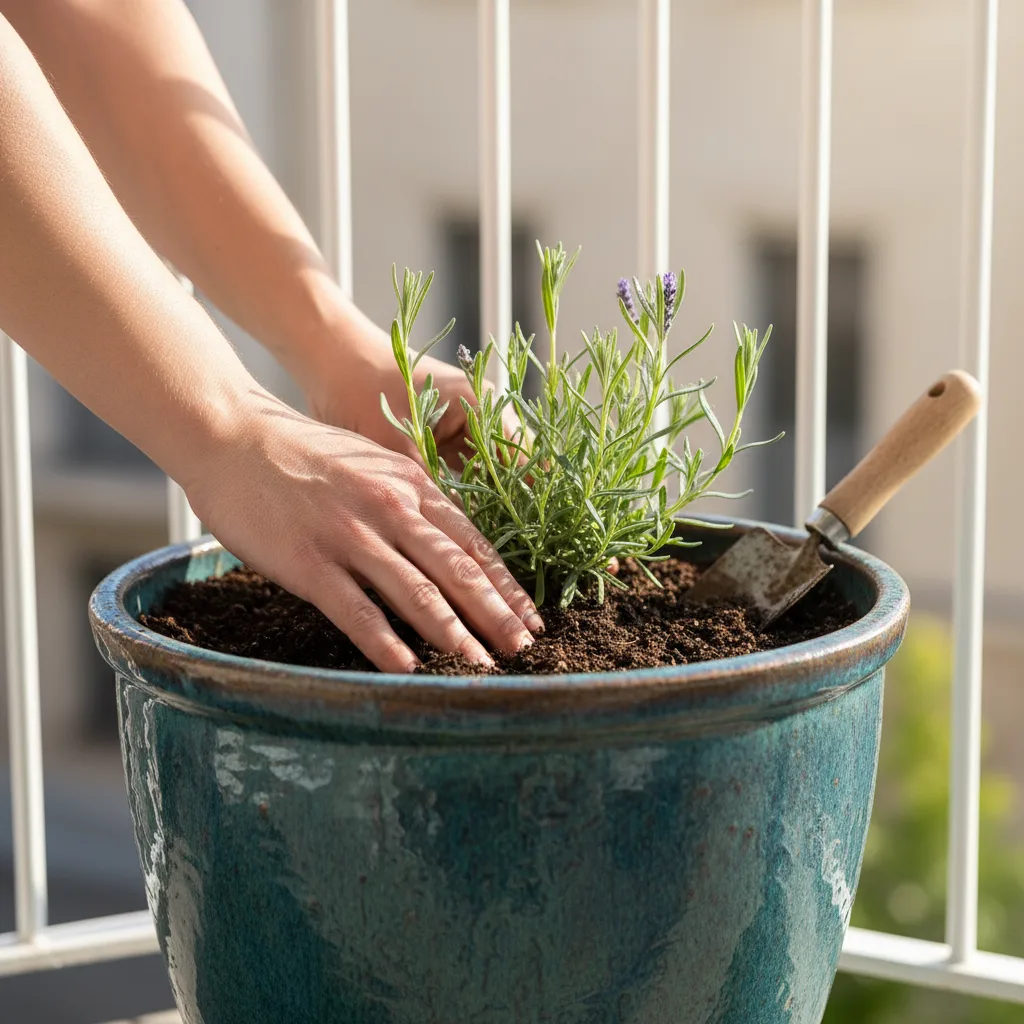
Plants That Love Sun and Shrug Off Salt
For a sunny bay window, Mediterranean plants are natural companions. Rosemary, lavender, thyme and small olive trees all grew up near the sea and like bright light, lean soil and a bit of breeze. Succulents such as echeveria, aeonium and jade also enjoy strong sun and dry out quickly after watering, which suits the drying wind.
If you want something with more drama, look at bird of paradise, a slim ponytail palm or a snake plant with tall upright leaves. They handle bright light and tolerate the occasional missed watering. Skip delicate ferns, calatheas and thin-leaved tropicals for the sunniest windows. They prefer humid, steady conditions and can crisp quickly when the afternoon sun bounces off the bay.
Balcony and Ledge Plants for the Wind
Outdoor spaces in the Marina need sturdier plants and heavier pots. Low, compact growers do better than tall, top-heavy ones. Coastal natives and drought-tolerant plants such as sea thrift, low grasses, rockrose and small manzanita varieties are built for wind. Herbs like thyme and oregano also stay low and handle exposure well.
Choose wide, heavy pots made of glazed ceramic or thick terracotta, and avoid light plastic containers that tip in the first big gust. Group pots together so they shelter each other, and place the tallest plant in the most protected corner. Ask the shop about a slow-release fertilizer and a mulch of small stones, which keeps soil from drying out and blowing away.
A Kitchen Window Herb Corner
Many Marina flats have small kitchens with a bright window over the sink. That window is perfect for a little herb garden. Basil wants warmth and sun, so give it the brightest spot. Parsley, chives and mint handle a bit less light. Rosemary and thyme like to dry out between waterings, so keep them in their own pots rather than sharing soil with thirsty basil.
When you shop, pick young herbs with plenty of new growth rather than tall plants that are already flowering. Buy pots with drainage holes and saucers to protect the sill. If you cook often, a row of three or four herbs makes the crawl feel useful every day. Snipping fresh leaves for dinner is one of the simplest pleasures of a sunny city kitchen.
Carrying Plants Home in the Breeze
The Marina's flat streets make it a pleasant place to walk with shopping bags, but the wind can be tricky for tall plants. Ask the shop to wrap leaves loosely in paper or a sleeve, and carry tall plants with the leaves facing behind you so the wind does not catch them like a sail. A sturdy tote or a folding cart helps if you are buying heavy pots.
Plan your crawl so the heaviest purchase comes last. Buy soil, pots and big plants at your final stop, or ask whether the shop can hold them while you browse elsewhere. If you are buying several plants, consider two short trips rather than one long walk. Your arms and your plants will thank you.
Settling New Plants Into a Bright Window
Even sun-loving plants can scorch if they move straight from a shaded shop into a blazing bay window. For the first week, set new plants a little back from the glass, or use a sheer curtain during the hottest part of the afternoon. Then move them closer bit by bit. This short adjustment period prevents bleached or burned leaves.
Wipe salt and dust from leaves every few weeks with a soft damp cloth, especially on plants that sit close to an open window. Check the soil with your finger before watering. In a sunny, breezy Marina flat, pots can dry out faster than you expect, while the same plant in a shady back room might need water far less often.
Ending the Crawl on the Waterfront
Once your plants are safely home, walk down to the waterfront. The open lawns, the long promenade and the views of the bridge and the bay are the perfect way to end a plant day. Watch how the native plants along the shoreline paths bend in the wind and recover. They are a living lesson in what survives in coastal conditions.
Bring a coffee or a snack and sit on the grass while kites and sailboats move across the water. It is a good moment to plan the next corner you want to fill at home. Use the Karpo APP to look up nearby plant shops, garden stores and cafes for your next visit, and keep your light map handy so every new plant finds the right window.
Ask Karpo for more information.
Keep reading
- Bernal Heights Pottery Glaze Supply Browsing Route: Walk
 Potrero Hill Pottery Glaze Supply Browsing Route: Walk
 Mission Pottery Glaze Supply Browsing Route: Studio Walk