 Bernal Heights Pottery Glaze Supply Browsing Route: Walk
Hidden Gems & Odd Finds
Lower Haight Plant Shop Crawl Planner on a Renter's Budget
Plan a Lower Haight plant shop crawl on a renter's budget: start small, grow from cuttings, hunt secondhand pots and pick plants that cope with shady flats.
The Lower Haight is a neighborhood of tall Victorian flats, narrow hallways and windows that often look straight at the building next door. Many people who live here rent, share a place with roommates and expect to move within a few years. That does not mean living without plants. It means choosing them wisely, starting small and growing a collection that is easy to pack up and carry to the next home. This plant shop crawl planner is for renters who want a green home without a big outlay, and for anyone who wants to learn how far a few cuttings and a good eye can go.
Plants for Shady Victorian Flats
Victorian flats are beautiful, but they are rarely bright. Deep rooms, tall ceilings and neighboring buildings block a lot of light, especially in rooms at the back of the flat. The front bay window may be the only spot that gets real sun. Before you buy anything, walk through your home at midday and notice which rooms feel bright, which feel dim and which are almost dark.
The good news is that some of the toughest, most forgiving houseplants are happiest in exactly these conditions. Pothos, heartleaf philodendron, snake plant, ZZ plant and cast iron plant all tolerate lower light. They grow slowly in dim rooms but rarely give up. These plants are the best foundation for a renter's collection because they adapt to almost any home you move into next.
Starting Small on Purpose
A small plant costs less, settles in faster and is easier to move than a large one. It also teaches you how your home behaves. Watching a young pothos or philodendron grow over a few months shows you how much light it really gets and how quickly the soil dries. Once you understand your space, you can decide whether a bigger plant makes sense.
When you shop, look at the small pots on the lower shelves and in the corners of plant shops. Healthy starter plants often hide there. Check for firm stems, new leaves and roots that are not circling the bottom of the pot. A few small, healthy plants make a better start than one large plant that struggles in your shady flat.
Walking Haight Street and Its Corners
Begin your crawl on the neighborhood's main shopping street, where cafes, record stores, bars and small shops line the blocks. Some shops carry potted plants, succulents and hanging plants, while florists and corner grocers sometimes have small houseplants near the door. Wander slowly and keep your eyes open, since plants often turn up in unexpected places.
The side streets are just as interesting. Front stoops and windows show what grows well in local light, from hanging pothos to tall snake plants behind lace curtains. If you see a neighbor tending a front garden, ask what has worked for them. Lower Haight residents are often proud of plants they have kept alive through several moves.
Growing a Collection From Cuttings
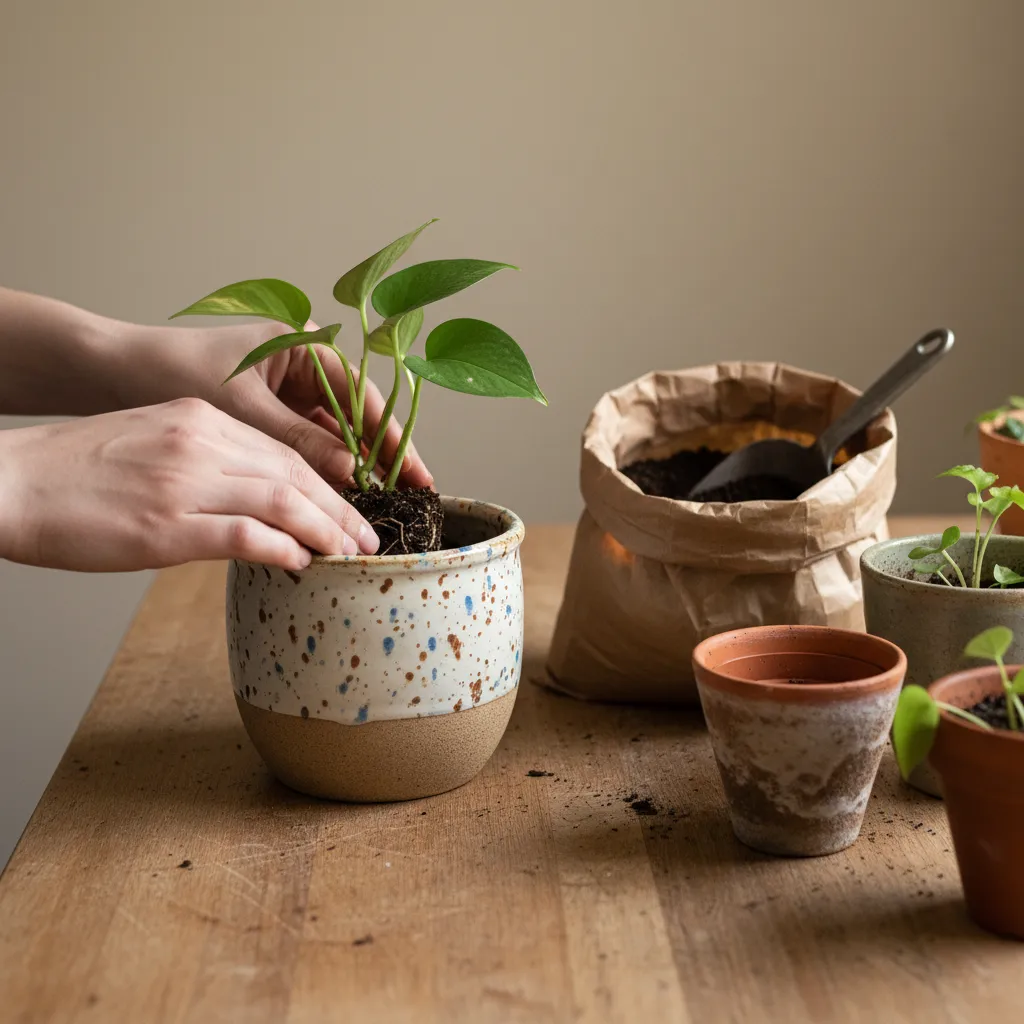
Cuttings are the renter's secret. Many common houseplants grow roots easily in a glass of water. Pothos, philodendron, tradescantia and spider plant babies can all be rooted on a windowsill. Snip a stem just below a node, the small bump where a leaf meets the stem, and place it in water. Within a few weeks, white roots appear and the cutting is ready for soil.
Ask friends, roommates and coworkers if they have plants that need a trim. Many plant lovers are happy to share. Some neighborhoods and community groups run plant swaps, where people bring cuttings and leave with new ones. Keep an eye on cafe noticeboards and local groups for these events. A single shared cutting can turn into a whole shelf of plants over a year.
Hunting Secondhand Pots and Stands
Pots and plant stands can cost more than the plants themselves, so look for secondhand finds. Thrift shops, vintage stores and neighborhood garage sales often have ceramic bowls, small vases, mugs and baskets that make charming planters. A chipped bowl or a mismatched mug can give a plant real character on a shelf.
If a container has no drainage hole, use it as a cachepot. Keep the plant in a plain plastic nursery pot inside it, and lift the plant out to water it in the sink. This also makes moving easier, since you can pack the decorative pots separately. Look for sturdy wooden stools, crates and small shelves that can lift plants closer to the window.
Renter Friendly Ways to Display Plants
Renters cannot always drill into walls or ceilings, but there are plenty of other ways to show off plants. Tension rods across a window can hold small hanging pots. A narrow shelf on the windowsill adds another row of light. Over-the-door hooks and freestanding ladder shelves create vertical space without any damage to walls.
Group plants together to create a small indoor garden in your brightest spot. Plants grouped together share humidity and look more intentional. Place trailing plants on high shelves so their vines spill down, and keep upright plants like snake plant on the floor. Move your arrangement as the light changes through the seasons.
A Break in Duboce Park
Halfway through your crawl, take a break in the park at the edge of the neighborhood. The lawn and trees offer a calm spot to sit with a coffee, watch dogs play and look over your list. It is also a good moment to count how many plants you have bought and to decide whether you really need one more.
Look around at the trees and plantings in the park. Notice how the shaded areas grow different plants than the sunny lawn. This simple observation is a good reminder that every plant has a preferred spot, both outdoors and in your flat. Matching the plant to the light is far more important than buying the trendiest one.
Packing Plants for the Next Move
Renters move, and plants can move too. Keep a few sturdy boxes and some newspaper or old towels for wrapping pots. Before a move, water plants a day or two ahead rather than on moving day, so the soil is damp but not heavy. Pack them upright in boxes with their leaves loosely wrapped.
Small plants are much easier to transport than large ones, which is another reason to start small. If you have a big plant that will not fit in the car, consider taking cuttings before the move and gifting the parent plant to a friend. You will keep the plant's story going, and someone else will get to enjoy it.
Planning Your Next Lower Haight Plant Walk
A good plant crawl leaves you with a few new plants, some ideas and a clearer picture of what grows in your home. Over time, your windowsill of cuttings will fill out, your thrifted pots will find their places and your flat will feel more alive, even on the greyest days.
Use the Karpo APP to look up nearby plant shops, thrift stores and cafes before your next walk, and plan a loop that ends in the park. Bring a jar for cuttings and an eye for secondhand pots. In the Lower Haight, the most rewarding plant collection is the one you grow slowly, piece by piece.
Ask Karpo for more information.
Keep reading
- Bernal Heights Pottery Glaze Supply Browsing Route: Walk
 Potrero Hill Pottery Glaze Supply Browsing Route: Walk
 Mission Pottery Glaze Supply Browsing Route: Studio Walk