 Bernal Heights Pottery Glaze Supply Browsing Route: Walk
Hidden Gems & Odd Finds
Japantown Plant Shop Crawl Planner for Bonsai and Moss Balls
Plan a Japantown plant shop crawl for bonsai and kokedama: learn what to look for, shop the malls and side streets slowly and rest by the pagoda between stops.
Japantown has long been one of the gentlest places in San Francisco to slow down. Between the shopping malls, bakeries and restaurants, there are small shops where bonsai trees sit on shelves like quiet sculptures, moss balls hang by threads and simple flower arrangements catch the light in a corner. For anyone curious about Japanese plant traditions, the neighborhood is an ideal place to start. This plant shop crawl planner explains what bonsai, kokedama and ikebana are, how to shop for a first piece and how to care for it in a foggy city apartment.
Three Traditions in One Small Neighborhood
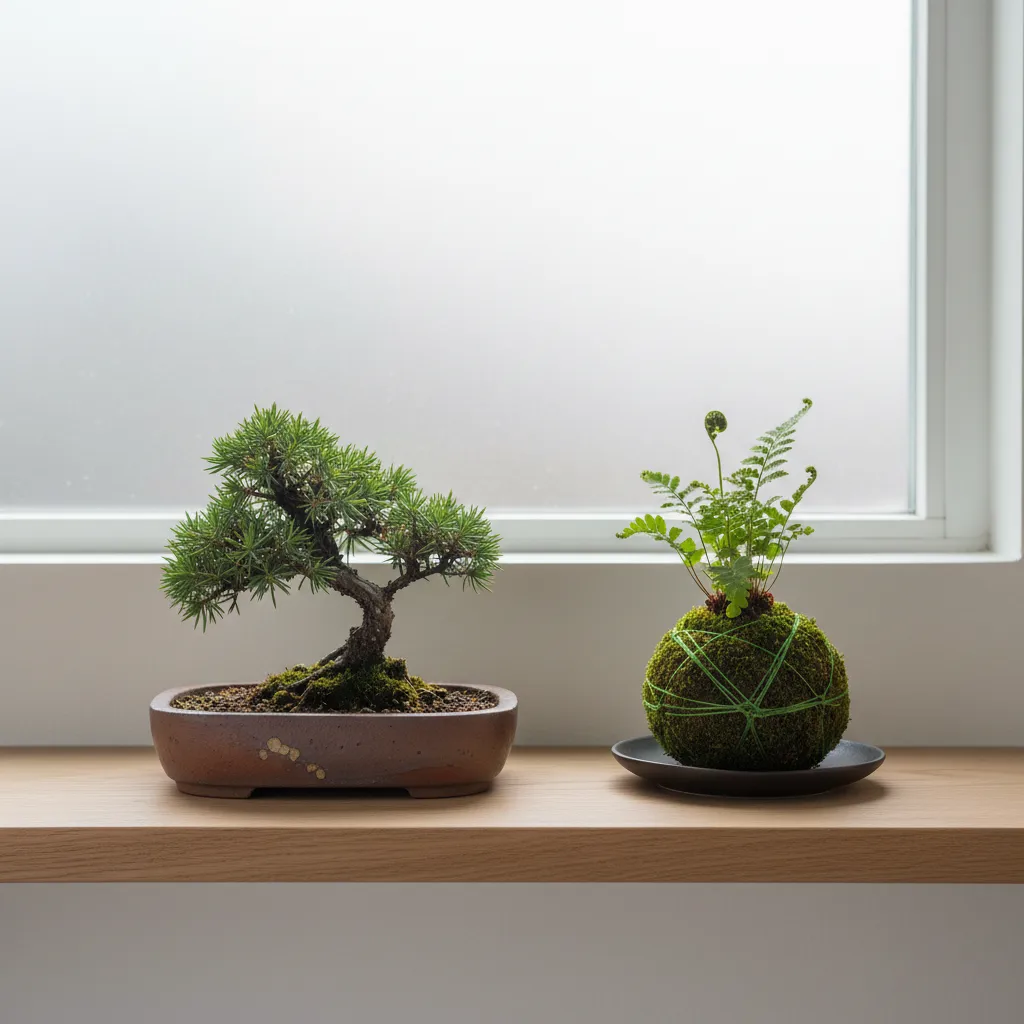
Bonsai is the art of growing a tree in a shallow container, shaping it through careful pruning and wiring so it looks like an old tree in miniature. A good bonsai is never finished. It changes slowly with the seasons and with the hand of its keeper, sometimes over many decades. Even a young starter tree can feel like the beginning of a long relationship.
Kokedama, which roughly means moss ball, is a newer and more playful idea. A plant's roots are wrapped in soil and moss, then tied with string into a round ball that can sit on a dish or hang in the air. Ikebana is the Japanese art of flower arranging, focused on line, space and balance rather than abundance. You will find hints of all three as you walk through Japantown.
Starting Slowly at the Peace Plaza
Begin your visit at the open plaza in the heart of Japantown, where the tall pagoda rises above the low buildings. On a quiet morning, the plaza is calm, with a few people sitting on benches and pigeons pecking at the stones. It is a good place to slow your pace before you start shopping, since bonsai and ikebana reward a patient eye.
Look at the trees and plantings around the plaza and nearby streets. Many are pruned with a light touch that echoes Japanese garden style, with open branches and careful spacing. Spending a few minutes here helps you notice shapes, textures and the way leaves move in the wind. Those same details are what make a good bonsai or arrangement stand out in a shop.
Browsing the Malls and Side Streets
Japantown's indoor malls are full of small shops selling ceramics, tools, home goods and gifts, and some carry bonsai starters, moss balls, small succulents and arrangement supplies. Wander slowly through both sides of the mall and pause at shop windows. The connecting bridge between buildings is a good spot to look out over the street and plan your next stop.
Outside the malls, the side streets and nearby blocks of the Western Addition hold more surprises. Flower shops, plant stalls and design stores may carry Japanese-inspired pots and tools. Ask shopkeepers about the plants they stock and where they come from. Some can tell you how their bonsai were started or which local growers they work with.

Choosing Your First Bonsai
For a first bonsai, choose a tree that suits your home rather than the most dramatic one on the shelf. Juniper is the classic outdoor bonsai, but it needs real sun and fresh air, so it suits a balcony or a sunny back porch rather than a dim living room. For indoor life, a ficus or a jade bonsai is more forgiving, handling indoor light and dry air with less complaint.
Look for a tree with healthy, evenly colored leaves, firm soil and a trunk with some character. Ask how the tree has been grown and whether it is already used to indoor or outdoor life. A small pair of bonsai scissors and a simple watering can with a fine spout are all you need to start. Leave wire, carving tools and advanced shaping for later, once you know your tree.
Picking a Kokedama for Small Spaces
Kokedama are perfect for small San Francisco apartments, where shelf space is precious. A moss ball with a fern, a pothos or a small orchid can sit on a saucer on a desk or hang in a window on a simple string. They look sculptural and modern, and they make a lovely gift for someone who already has a few plants and wants something different.
Pick a kokedama with firm, green moss and a healthy plant on top. Ask how often the shop soaks theirs, since care depends on the plant and the size of the ball. Most need a soak in a bowl of water when the ball feels light, then a gentle squeeze to drain. Place it on a dish to catch drips, and keep it out of harsh afternoon sun.
A Simple Ikebana Moment at Home
You do not need years of training to enjoy ikebana. A shallow bowl, a small spiked holder and a few branches or stems are enough to create a calm arrangement. Look for a single interesting branch, a few leaves and one or two flowers, then place them at different heights to create a sense of space and movement.
Japantown is a good place to pick up a holder, a simple vase or a book of arrangement ideas. Some community centers and cultural groups in the area offer classes, which can be a meaningful way to learn the tradition from experienced teachers. Even a single branch of seasonal leaves in a bowl can change the mood of a room.
Caring for Plants in Fog Light
San Francisco's fog changes everything about plant care. Many neighborhoods get soft, cool light for much of the summer, and the sun often comes out strongest in early autumn. Indoor bonsai and kokedama want bright light, so place them near your best window. A small grow light can help through the grey months, especially in apartments that face north or sit in the shadow of other buildings.
The cool, damp air can be kind to moss and ferns, but it also slows drying. Check soil and moss with your fingers rather than watering on a schedule. Outdoor bonsai like juniper may enjoy the cool climate but need protection from strong wind. Rotate your tree every couple of weeks so it grows evenly toward the light.
Sweets, Tea and a Pause Between Stops
A plant crawl in Japantown is not complete without a pause for something sweet. The neighborhood is known for its bakeries and dessert shops, where you can find mochi, taiyaki, matcha treats and other snacks. Sit at a small table with a cup of tea and your new plant beside you, and take a moment to enjoy the slower pace of the neighborhood.
This pause is also a good chance to think about where your plant will live at home. Imagine the light, the shelf and the view. A bonsai or moss ball looks best with space around it, so plan to clear a small spot rather than crowding it among other plants. That empty space is part of the beauty of Japanese plant traditions.
Plan Your Next Japantown Plant Walk
Japantown changes with the seasons, and so do its plants. Spring brings cherry blossoms and new growth, while autumn brings warm colors and some of the clearest days of the year. Cultural festivals bring crowds and energy, while quiet weekday mornings offer space to browse and chat with shopkeepers.
Use the Karpo APP to find nearby plant shops, bakeries and cafes before your next walk, so you can shape a loop from the plaza to the malls and back. Start with one small tree or moss ball, learn its rhythm and let it grow with you. In Japantown, patience is part of the pleasure.
Ask Karpo for more information.
Keep reading
- Bernal Heights Pottery Glaze Supply Browsing Route: Walk
 Potrero Hill Pottery Glaze Supply Browsing Route: Walk
 Mission Pottery Glaze Supply Browsing Route: Studio Walk