 Bernal Heights Pottery Glaze Supply Browsing Route: Walk
Hidden Gems & Odd Finds
Bernal Heights Plant Shop Crawl Planner for Pollinators
Plan a Bernal Heights plant shop crawl for pollinators: choose native plants for bees and hummingbirds, shop the village blocks and finish on the windy hilltop.
Bernal Heights feels like a village built on the side of a hill. Its streets curve and climb, its houses sit close together, and almost every block has a front stoop, a tiny backyard or a narrow strip of soil beside the sidewalk. Those little patches add up. When neighbors plant them with flowers that feed bees, butterflies and hummingbirds, the whole hill starts to hum. This plant shop crawl planner is for anyone who wants to turn a small outdoor space into a pollinator stop, using plants that suit San Francisco weather and need little water once settled in.
Why the Hill Is Good for Pollinators
Bernal Hill rises above the neighborhood as an open, grassy slope with paths, rocky outcrops and wide views. Wildflowers and native grasses still grow there, and on a warm spring day you can see bees working the blossoms and butterflies drifting over the hillside. The gardens on the streets below act like stepping stones, giving insects and birds more places to feed between the hilltop and the rest of the city.
That is the idea behind a pollinator crawl. Rather than buying plants only for how they look, you choose ones that offer nectar and pollen across the seasons. Even a single pot of flowering sage by the front door can become a regular stop for a hummingbird. A small backyard bed can support many kinds of bees that you may never have noticed before.
Read Your Patch Before You Shop
Before you head out, take a good look at your space. Note how many hours of direct sun it gets, whether it faces the wind coming over the hill and how the soil feels. Bernal's slopes can be rocky and fast-draining in some spots and heavy with clay in others. Push a trowel into the ground and see whether it crumbles, sticks or hits stone.
Measure your planting area and take a few photos. A narrow sidewalk strip, a pair of pots on the stoop and a shady corner by the fence all call for different plants. Shop staff can help much more when they can see your space. A rough list of sunny, part shade and full shade spots will keep you from buying a plant that wants the opposite of what you have.
Strolling the Village Main Street
Start on the neighborhood's main commercial street, a short and friendly stretch of cafes, bakeries, small grocers and neighborhood shops. It is a pleasant place to begin a weekend morning with a coffee in hand. Some shops nearby carry potted plants, flowers and garden basics, and the side streets often hold front gardens worth studying.
As you walk, look at which front gardens are buzzing. Notice which plants are covered in bees, which ones hummingbirds visit and which ones look tired. Neighbors who are working in their gardens are often happy to chat about what grows well on their block. A few friendly questions can save you a season of trial and error.
Native Plants That Feed the Neighborhood
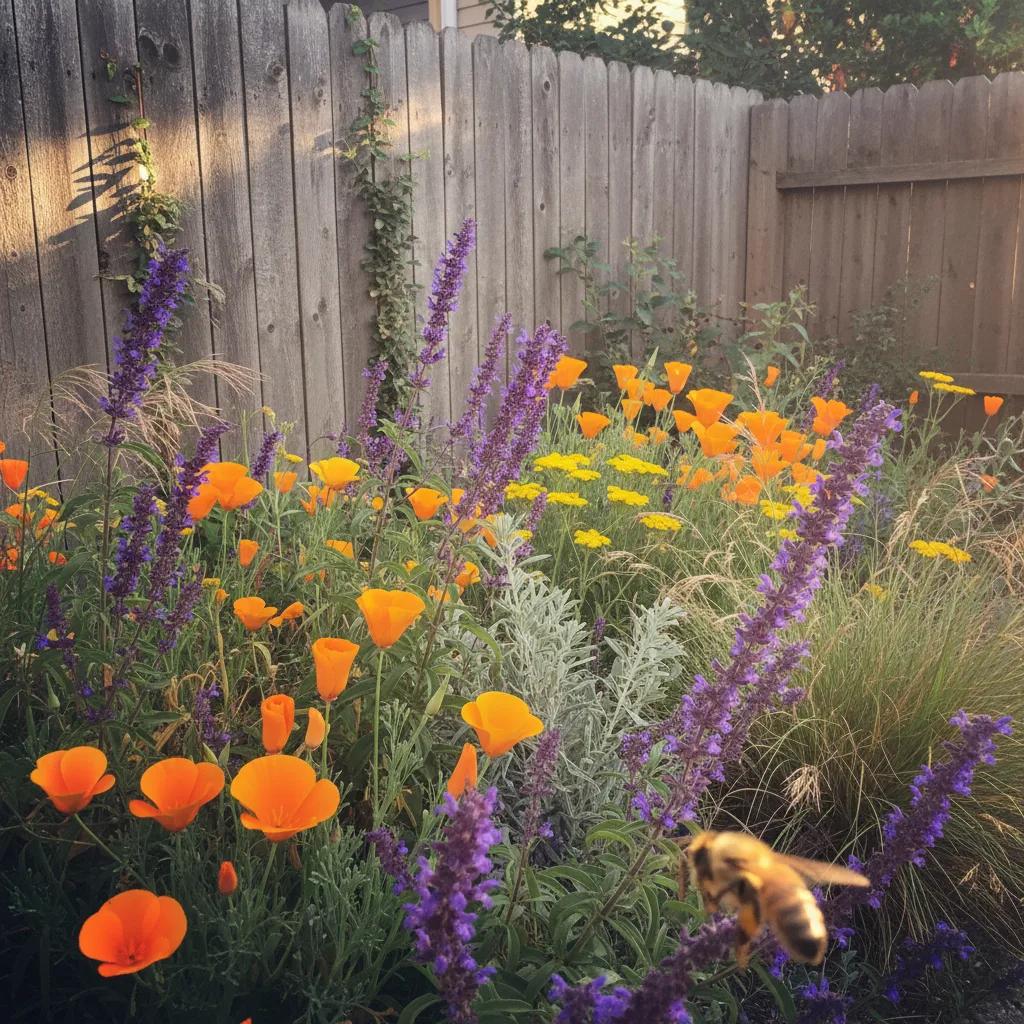
California native plants are the backbone of a good pollinator garden here. Sages, especially the purple and white flowering kinds, draw hummingbirds and many bees. California poppies add bright orange color and reseed themselves in sunny spots. Yarrow offers flat clusters of tiny flowers that suit small bees and butterflies, while buckwheat produces long-lasting blooms that turn rusty as they age.
Ask garden shops about manzanita, ceanothus, which is often called California lilac, and native grasses for structure and winter interest. Coyote mint, seaside daisy and gumplant handle wind and coastal conditions well. Aim for plants that bloom at different times of year. A garden that flowers from late winter into autumn gives pollinators food for many months rather than a single burst.
Planning Pots for a Front Stoop
If your only outdoor space is a stoop or a set of front steps, pots can still make a difference. Choose a few large containers rather than many tiny ones, since bigger pots dry out more slowly and give roots room to grow. Pair a tall, upright plant such as a sage with a low spreading one like seaside daisy or creeping thyme.
Place the pots where they get the most sun and where you will see them every day. Watering is easier when plants sit by the door. Add a shallow dish of water with a few stones in it, so bees have a safe place to drink. Small touches like this turn a plain set of steps into a welcoming spot for both neighbors and pollinators.
Sidewalk Strips and Shared Spaces
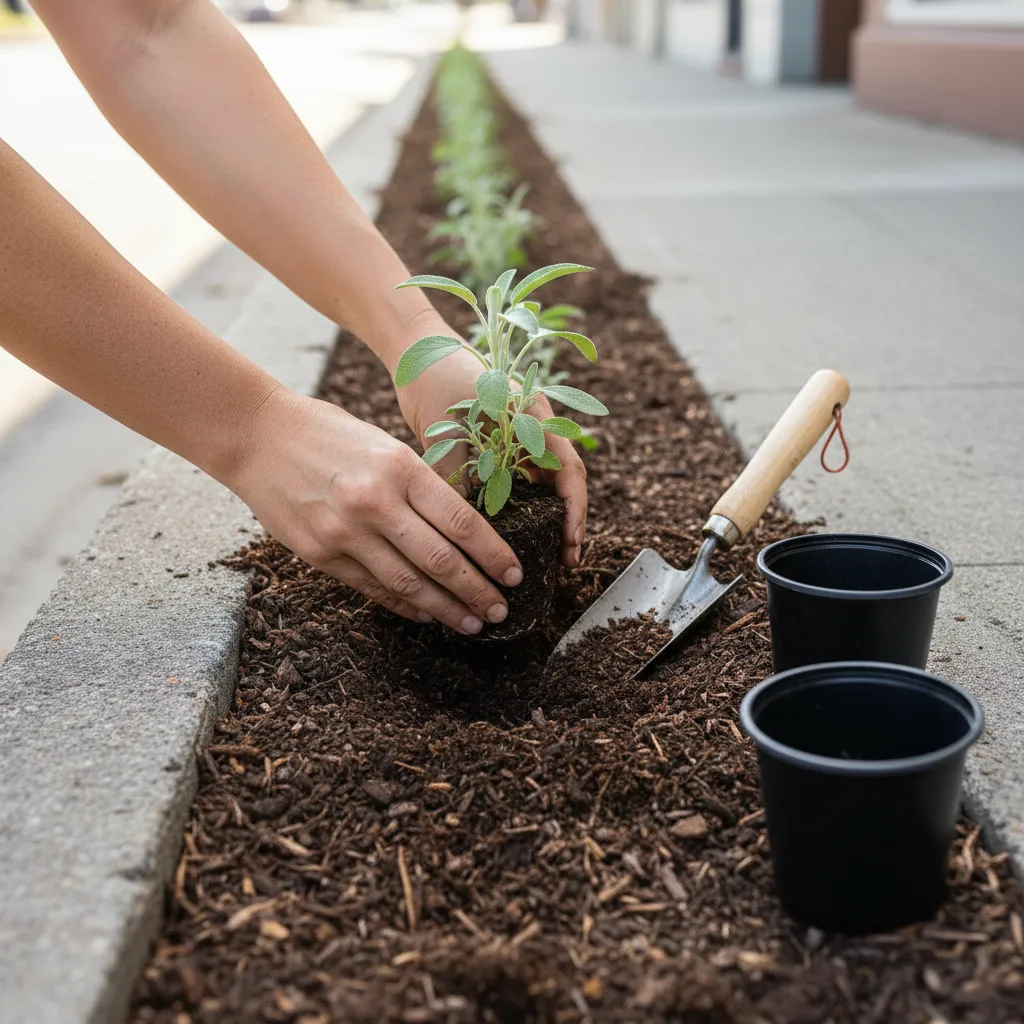
Many Bernal streets have narrow strips of soil between the sidewalk and the curb. These spaces can be planted with low, tough plants that handle foot traffic nearby, car doors opening and a bit of neglect. Low native grasses, yarrow, seaside daisy and small sages can turn a bare strip into a ribbon of flowers. Before you dig, find out whether your block needs any permission for street plantings.
Talk with your neighbors before you start. Some blocks plan sidewalk gardens together, sharing plants, tools and watering duties. A shared project spreads the effort and often leads to a whole street of connected flowers. It is also one of the easiest ways to get to know the people who live around you.
Carrying Plants Up the Hill
Bernal's steep streets are part of its charm, but they make carrying soil and plants a real workout. Plan your crawl so that heavy items such as potting soil, mulch and big containers come last, or ask whether a shop can set them aside while you browse. A sturdy wagon or folding cart is worth its weight on these slopes.
Small nursery plants are easier to carry and often settle in faster than large ones. Native plants in particular tend to grow quickly once their roots reach the ground. Buying young plants keeps your load light and lets you fill a bigger area. Bring a cardboard box or a shallow crate so the pots do not tip on the walk home.
Planting and Caring Through the Seasons
Autumn and early winter are the best times to plant natives in San Francisco, since the cool weather and seasonal rain help roots settle before the dry months. Water new plants regularly through their first year. After that, many natives need very little help, and some actually prefer to be left alone in summer.
Skip pesticides, which harm the very insects you are trying to attract. Leave some seed heads and dry stems standing over winter, since birds and insects use them for food and shelter. A little untidiness is part of a healthy pollinator garden. Over time, you will start to recognize the regular visitors, from fuzzy bumblebees to bright hummingbirds that guard their favorite sage.
Ending the Day on the Hilltop
Once your plants are home and watered, climb to the top of Bernal Hill. The path winds up through grass and wildflowers to a summit with sweeping views across the city, the bay and the hills beyond. Look down at the rooftops and imagine all those small gardens joined together into one long corridor for bees and birds.
Stay for the breeze and the view, then walk back down through a different set of streets to spot more gardens. When you are ready to add to your patch, use the Karpo APP to find nearby garden shops, nurseries and cafes for your next crawl. Plant a little more each season, and watch your corner of the hill come alive.
Ask Karpo for more information.
Keep reading
- Bernal Heights Pottery Glaze Supply Browsing Route: Walk
 Potrero Hill Pottery Glaze Supply Browsing Route: Walk
 Mission Pottery Glaze Supply Browsing Route: Studio Walk