 Stonestown Winter Farmers Market Picker for Student Cooks
Weekend Plans
Paranormal Museum Near Me: Haskell House Historic Broderick Ghost Archive
Explore San Francisco's most haunted historic domestic dwelling at Haskell House in Fort Mason, featuring free grounds access, 1850s architecture, and the legendary Senator Broderick duel ghost archive.
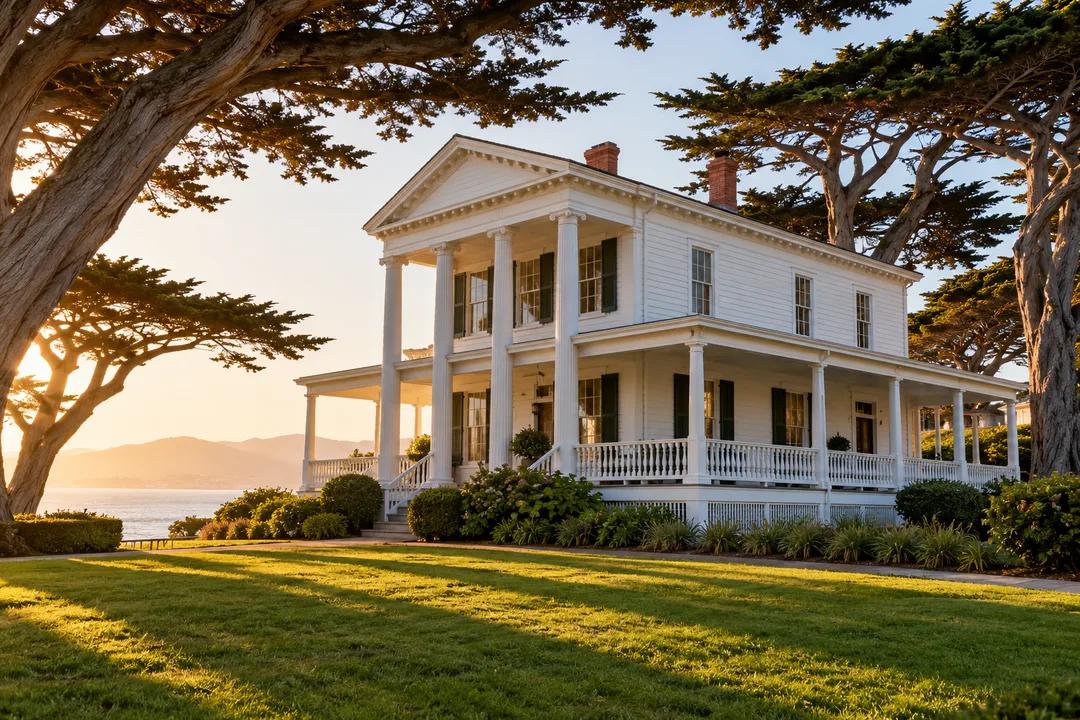
Haskell House at 201 Franklin Street in Fort Mason is an 1850 Greek Revival home that stands as one of the most historically significant and haunted domestic dwellings in California. For curious travelers searching for an authentic paranormal museum near me in Northern California, this National Park Service landmark delivers an encounter with the dramatic political rivalry of pre-Civil War San Francisco and the legendary ghost of Senator David C. Broderick. Rather than modern Hollywood fabrications, the house preserves the actual parlor where the wounded senator died in 1859 following his fatal duel, leaving behind over a century of documented phantom sightings and cold acoustic anomalies.
The 1859 Broderick-Terry Duel and California Political Drama
Constructed in 1850 by prosperous merchant and political activist Leonidas Haskell, this elegant two-story Greek Revival wood-frame residence stands on the coastal bluff of Fort Mason overlooking the entrance of San Francisco Bay. The house became forever etched into American history on the morning of September 13, 1859, following the most infamous political duel in California history. U.S. Senator David C. Broderick, a fierce anti-slavery Democrat, faced off against David S. Terry, the pro-slavery former Chief Justice of the California Supreme Court, in a pistol duel fought near the foggy shores of Lake Merced.
Broderick's hair-trigger French dueling pistol discharged prematurely into the damp soil, allowing Terry to take deliberate aim and strike the senator in the chest with a mortal bullet wound. Broderick was rushed by carriage across the sand dunes to the parlor of his close friend Leonidas Haskell at this Fort Mason home, where he lingered in agony for three days before dying on September 16, 1859. The senator's death galvanized the anti-slavery movement in California, ensuring the young state remained firmly loyal to the Union during the Civil War.
Documented Apparitions and Broderick's Restless Spectral Pacing
Following the seizure of Fort Mason by the federal government at the onset of the Civil War, Haskell House was converted into military officers' quarters, serving commanders including General Irwin McDowell. Almost immediately, resident military families and visiting aides began reporting eerie supernatural occurrences centered in the ground-floor parlor where Senator Broderick had passed away. Unprovoked cold drafts consistently gathered near the fireplace, and the distinct sound of a man pacing slowly in heavy boots paced across the second-floor floorboards late at night.
Over subsequent decades, multiple military officers, maintenance staff, and civilian caretakers documented sightings of a tall, dignified figure dressed in a nineteenth-century black frock coat and top hat standing by the front parlor windows. Witnesses reported seeing the spectral figure staring pensively toward the bay waters before disappearing when addressed. In modern investigations, electromagnetic field meters have recorded dramatic anomalies along the central hallway, cementing Haskell House's reputation as San Francisco's most famously haunted historic domestic landmark.
Park Admission Information, Grounds Access, and Visiting Rules
Haskell House is preserved as a primary contributing landmark within the Golden Gate National Recreation Area, managed by the National Park Service as historic Building 201. The surrounding park grounds, historic walking paths, and interpretive bronze plaques are completely free with $0.00 admission fee, accessible to the public daily from 6:00 am to 10:00 pm. While the interior is reserved for park administrative and occasional docent-led preservation tours, visitors can freely walk the perimeter grounds, inspect the historic architecture, and absorb the authentic 1850s atmosphere.
Because the house sits within an active residential historic district of preserved military quarters, visitors are asked to remain on designated stone pathways and respect the quiet residential character of the bluff. Dogs are welcome on the surrounding lawns when kept on a standard six-foot leash, and photography of the historic exterior architecture and bronze monument plaques is encouraged. Public restrooms and visitor water fountains are located nearby in the Fort Mason Great Meadow and lower park headquarters.
Atmospheric Twilight Pacing and Coastal Fog Observations
To capture the most evocative sense of the house's historic isolation, schedule your walking visit for late afternoon as twilight descends across San Francisco Bay. When the famous coastal fog banks roll through the Golden Gate and drape across the Monterey cypress trees, the white wooden clapboards take on a striking, spectral quality. Standing on the quiet bluff path outside the parlor windows as the harbor foghorns begin their rhythmic low calls provides a chilling historical connection to the morning of Broderick's death.
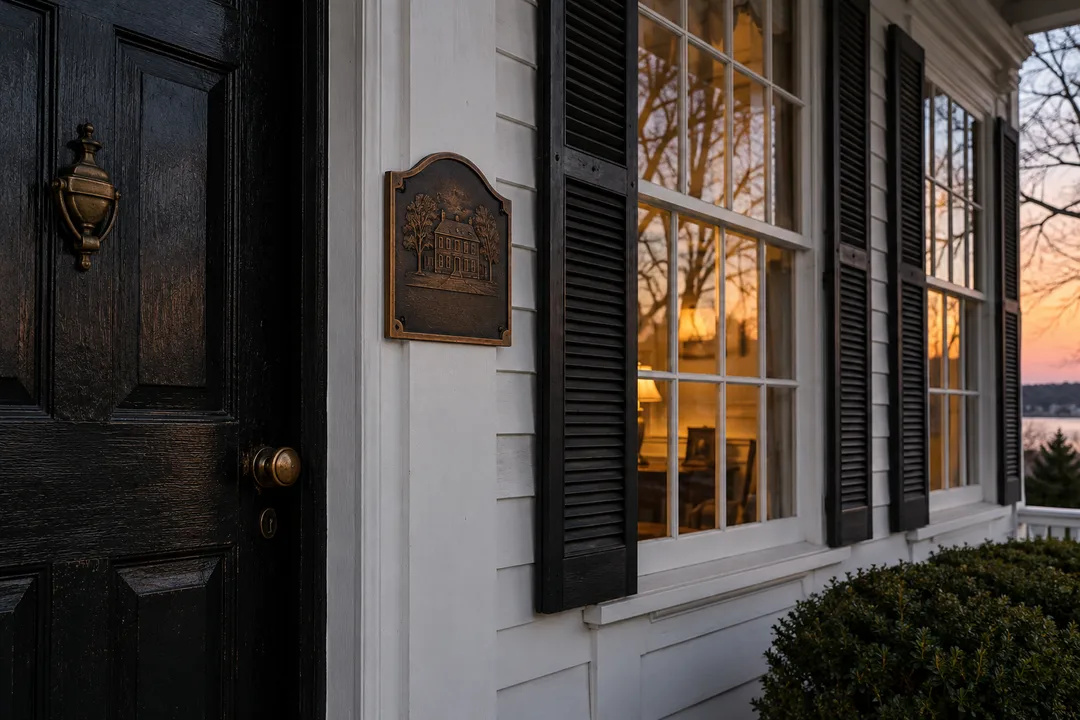
Take time to read the detailed bronze interpretive plaque mounted near the front walkway, which outlines the political stakes of the 1859 duel and Broderick's famous dying words denouncing the expansion of slavery. Walking around to the western side of the house reveals original Victorian window frames and decorative wooden brackets that have survived over one hundred seventy years of salty Pacific breezes. The panoramic view north toward Alcatraz Island and the Marin Headlands underscores why early residents valued this strategic coastal promontory.
Fort Mason Bluff Walks and Aquatic Park Waterfront Detours
After exploring the grounds of Haskell House, follow the paved bluff trail east toward Black Point Battery, an authentic Civil War earthen redoubt built in 1864 with historic cannon mounts. The path winds along the edge of the cliffs, offering breathtaking views of the bay before descending into the historic Aquatic Park Cove and Maritime Museum. Strolling along the curved concrete curve of the Municipal Pier lets you watch hardy open-water swimmers training in the chilly bay waters.
Alternatively, descend the wooden staircases leading south into the lower Fort Mason Center for Arts & Culture, housed in massive converted wartime troop embarkation warehouses. Stop at Radhaus, an industrial-chic Bavarian beer hall serving authentic imported pilsners and fresh soft pretzels inside Building A with floor-to-ceiling bay views. This transition from dramatic Civil War ghost history to thriving waterfront cultural center makes a walk through Fort Mason one of San Francisco's most rewarding historical outings.
Directions, Bus Transit Lines, and Helpful Traveler Tips
Haskell House is located at 201 Franklin Street, San Francisco, CA 94123, situated at the intersection of Franklin Street and MacArthur Avenue in the Upper Fort Mason historic district. Public transportation is simple: take the Muni 28, 30, or 49 bus lines to Van Ness Avenue and Chestnut Street, followed by a gentle five-minute uphill walk through the Fort Mason Great Meadow.
Paid public parking lots are located at the lower Fort Mason Center campus on Marina Boulevard, or along the metered curbs of Bay Street, though walking or cycling from the Marina District is ideal. Because the coastal bluff is fully exposed to gusty winds off the bay, dressing in warm wind-resistant layers is highly advised for any evening visit. For travelers seeking an authentic paranormal museum near me in San Francisco, Haskell House offers an unforgettable encounter with California's most dramatic political duel and lingering ghost lore.
Ask Karpo for more information.
Keep reading
- Stonestown Winter Farmers Market Picker for Student Cooks
 Clement St Winter Farmers Market Picker for Lunar New Year
 Fort Mason Winter Farmers Market Picker for Citrus Bakers