 Bernal Heights Pottery Glaze Supply Browsing Route: Walk
Hidden Gems & Odd Finds
SF Optical Boutique: 3 Ways to Describe Vintage Frames
Find an SF optical boutique for vintage-inspired frames using shape, color, and detail, then separate the look you like from claims about a frame's age.
Describe the shape, color, and detailing you like before searching for a San Francisco optical boutique with a vintage feel. Those three choices turn a broad aesthetic into a useful brief for the Karpo APP. You can look for a retro silhouette without claiming that a frame is genuinely old. Decide whether your goal is a vintage-inspired everyday pair or an actual older object, then use that distinction to guide the shops and questions you consider.
Name the look before naming a decade
A decade can be a helpful reference, but it can also conceal what attracts you. You might like an upswept corner, a small round front, or a heavier brow line without caring when that shape first appeared. Describe the visible feature in your own words. A practical search request begins with something another person can recognize, so that a recommendation has a reason beyond the phrase “vintage style.”
Choose one or two reference images for your own comparison and note what each contributes. Perhaps the first has the shape you want and the second has the color you prefer. Treat them as inspiration instead of evidence that a local shop carries those exact frames. This lets you explain your taste without making the whole search depend on a single photographed object that might be unavailable or unsuitable for your intended use.
Shape: start with the outline you notice
Try a Karpo request such as: “Help me find an optical boutique in San Francisco for a small rounded frame with a vintage-inspired look. I want to try shapes in person and prefer the Mission or Hayes Valley.” The neighborhood names are your chosen search area, not a claim that any particular store has a pair in stock. Use the area that you can reasonably visit and the shape that actually interests you.
Once you have a few candidates, look for a distinct reason to consider each. If a description only says “designer eyewear,” ask for a more focused local search around the silhouette you described. A shorter list with understandable differences is useful at this stage. You are deciding where to begin a conversation about frames, rather than treating every attractive optical shop as an equally relevant destination for a particular style.
Color: explain how prominent the frame should feel
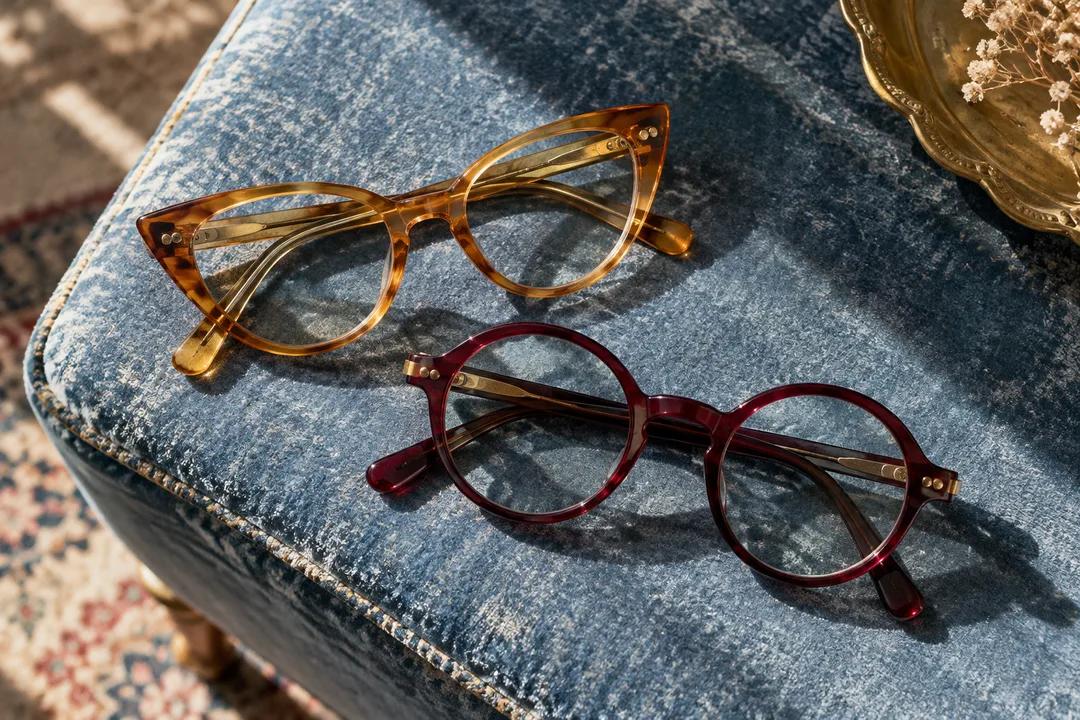
Color gives the brief another dimension. “Warm translucent brown” creates a different picture from “opaque dark red,” even if both frames have the same outline. You can describe whether you want the front to blend into your usual clothing or become a focal point. Those are preferences, and neither is a promise about what will flatter every face. The fitting remains the moment to see how a specific piece works for you.
When browsing, compare colors in the circumstances available at the shop and ask before taking photographs. Keep your notes about the exact pair rather than relying on a general memory of “the amber one.” If a favorite color is attached to an uncomfortable frame, let that observation refine the brief. It is useful information for the next candidate, and it can keep an appealing shade from deciding a purchase that deserves a fuller assessment.
Detail: choose what gives the look its character
The detail you notice might be a keyhole-shaped bridge, a thicker upper edge, or a small metal accent. Say which one matters instead of asking for every retro element at once. A frame can have a distinctive character through a single feature. This helps you discuss a restrained interpretation of the look, particularly if your first inspiration is more theatrical than the pair you would enjoy wearing on an ordinary afternoon.
Ask the optician to explain practical considerations for the particular frame and the lenses you need. Visual style does not determine the whole purchase. Your preference can guide the selection while the professional responsible for the work assesses the actual object and order. Keep any examination requirement separate from browsing, and arrange that service with the practice that will provide it. An interesting silhouette alone does not establish the clinical service available at a store.
Separate retro inspiration from genuine age
If you want an actual older frame, make that an explicit part of the inquiry. Ask the seller what it knows about the piece, its condition, and any work being proposed. Record the description that applies to that object. A period-inspired design and an authenticated older frame can both appeal to you, but they are different purchasing propositions. A photograph, a decorative display, or a nostalgic name does not resolve that distinction.
Skip a purchase whose age is the main attraction when you cannot understand what the seller is asserting about it. You can still enjoy the design and choose a modern interpretation. The point is to make the decision match your goal. If you simply want a vintage mood in an everyday prescription pair, the outline, color, and detailing may be enough to direct a productive fitting without making provenance part of the bargain.
Build a small comparison instead of a collection
After your first browsing session, write a sentence for the strongest candidate: the outline you liked, the color that worked, and the detail you would keep. Write a separate sentence about anything that did not suit you. Feed those preferences into the next Karpo request if you want to refine the local options. This keeps the discovery process moving toward a wearable choice rather than an ever-growing folder of unrelated inspiration.
Give a second shop a specific role. You might want to compare a lighter interpretation, a more restrained color, or another approach to the same outline. That is a useful reason for another visit. If the next candidate repeats everything you have already seen, consider ending the search for the day. The aim is to learn enough to decide, not to make a tour of every shop whose window contains an appealing retro shape.
Practical Notes for a style-led fitting
Bring your usual glasses and the references that explain your taste. Keep the brief to three descriptive choices, then add your budget and the kind of purchase you need. Ask the shop for the relevant order terms and a complete proposal once a frame becomes a serious contender. Your own reference photographs and notes can support that conversation without implying a special image-recognition feature, a stock feed, or a guaranteed match inside Karpo.
Finish by choosing whether to arrange a fitting, request more information about an older piece, or keep exploring a clearer version of the style. In the Karpo APP, the useful next request contains what you learned rather than a broader label. “A translucent rounded frame with one small metal detail” gives the search direction. The boutique supplies the object and its terms, and you decide whether the look belongs in your everyday life.
Ask Karpo for more information.
Keep reading
- Bernal Heights Pottery Glaze Supply Browsing Route: Walk
 Potrero Hill Pottery Glaze Supply Browsing Route: Walk
 Mission Pottery Glaze Supply Browsing Route: Studio Walk