 Bernal Heights Pottery Glaze Supply Browsing Route: Walk
Hidden Gems & Odd Finds
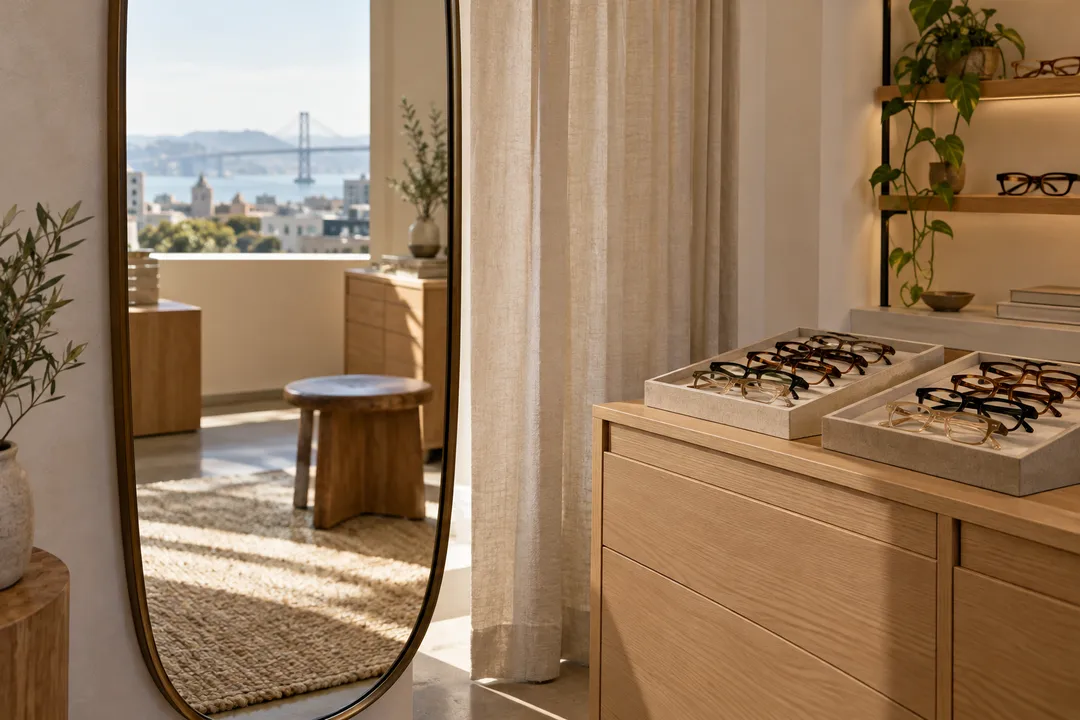
SF Optical Boutique: 3 Steps to Narrow Frames
Find an SF optical boutique for narrow frames with a fit brief, a focused shortlist, and three fitting questions to make your first visit more useful.
A useful San Francisco optical boutique search starts with how your current glasses fit. In the Karpo APP, describe where they slide, which neighborhood you can reach, and whether you want frames or an eye examination. Then use that brief to build a small shopping shortlist. Three steps keep the task manageable: describe the fit problem, choose comparable candidates, and bring a focused set of questions to the fitting.
Start with the pair that almost works
Take the glasses you already wear and explain the problem in ordinary language. Perhaps the front feels too wide, the bridge slips during a walk, or the arms press behind your ears. Those are different experiences. Writing only “small glasses” loses the distinction and can produce a list that looks stylish without helping you choose where to start. Your description should tell the next person what feels wrong during normal use.
If your present frame has printed measurements, copy those numbers into your own notes. Treat them as a reference for a conversation with an optician, rather than a diagnosis or a promise that another frame with matching numbers will fit. You can also describe a previous pair that felt comfortable. The practical aim is to arrive with a comparison, so the fitting begins with something more useful than a guess about face shape.
Step one: turn fit into a shopping brief
Try a request such as: “Help me find an optical boutique in San Francisco for narrow frames. My current pair slides down when I walk. I prefer quiet colors and can travel within the Marina or Pacific Heights.” This gives Karpo a city, a task, an observable problem, and a manageable area. Add whether you need prescription lenses, sunglasses, or an examination, because the service you want changes the questions you will ask.
Keep appearance preferences concrete. “A thin dark frame with a restrained shape” gives more direction than “something flattering.” If you have a firm spending limit, describe it as a limit for the finished purchase, and say whether it includes lenses. You do not need to enter a prescription or private medical details to explain the shopping task. Save clinical questions for a qualified professional who can assess your eyes and the actual frame.
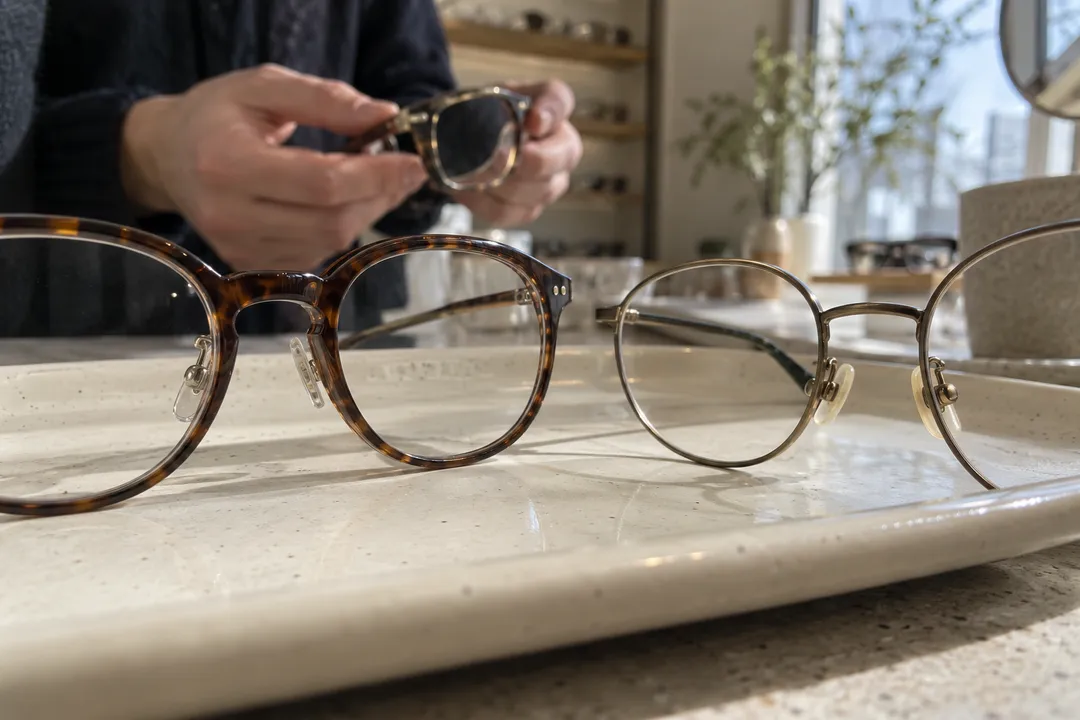
Step two: compare the reasons to visit
Ask for a shortlist with a distinct reason beside each candidate. One might be relevant because of its frame selection, while another could be useful for combining a fitting with an examination. Read the supporting information that accompanies a recommendation. When the result does not establish a particular service, leave that service undecided in your comparison. A recommendation is a starting point for choosing a shop, and an unmentioned feature should remain an open question.
Choose two or three candidates rather than collecting every optical shop across the city. You are looking for meaningful alternatives, such as different styles or different service arrangements. If all the descriptions sound interchangeable, refine the request: “Give me fewer options and explain which would suit a narrow-frame fitting.” This makes the comparison easier to use and reduces the temptation to pick solely from photographs of an attractive interior.
Keep an examination separate from frame shopping
A frame consultation, a prescription examination, and making new lenses are separate tasks. Decide which of them you need before you schedule your afternoon. If an examination is part of the plan, ask the practice about its appointment process directly. A retail recommendation alone does not establish that an optometrist will be available when you arrive. That distinction matters especially when you are trying to fit shopping around work or another commitment.
Skip a cross-city trip that is based only on a frame photograph. A photograph cannot settle how the bridge rests, whether the temples feel comfortable, or how the finished pair will behave. Use visual inspiration to explain taste, and use the fitting to make the purchase decision. This is also a useful way to slow down an impulse purchase: a frame can be appealing and still be a poor choice for your particular use.
Step three: bring three fitting questions
Prepare three questions for the counter: which part of the fit needs attention, what adjustments are possible, and whether the frame suits the lenses you need. These are conversation starters for the professional handling the pair. They keep the appointment focused without telling the optician what conclusion to reach. If several frames are offered, compare them against the same questions so that the last pair tried does not automatically become the favorite.
During the fitting, describe what you notice when looking forward, turning your head, and wearing the frame normally. Ask before handling display pieces or trying an adjustment yourself. Give yourself time to explain discomfort rather than accepting a hurried “it seems fine” from your own reflection. You are gathering information about a purchase you will use repeatedly, and a clear explanation of your experience is more useful than a quick style verdict.
Refine the search after the first visit
Once you have a useful observation, rewrite the brief around it. For example: “The dark rectangle felt too heavy, but the smaller rounded pair was comfortable. Help me narrow the remaining options near the same neighborhood.” This tells Karpo what changed in your preference. Keep the wording tied to what you actually experienced, rather than claiming that a particular material or brand will solve a fit issue for everyone.
If the first stop does not suit you, use the second candidate for a different comparison, not another random browse. You might ask about a lighter front or a less prominent shape. The point of the shortlist is to make that next decision deliberate. A nearby backup is useful when it offers a real alternative, and it is reasonable to finish the afternoon without buying if the fitting has not answered the important questions.
Practical Notes for a focused fitting
Bring your usual glasses and the information the shop requests for the service you arrange. Keep your own notes concise: comfort problem, preferred appearance, spending ceiling, and the two or three candidates you want to compare. If you are traveling with a friend, ask them to comment on the appearance after you have described the comfort. Otherwise an enthusiastic reaction to a bold shape can crowd out the reason you started the search.
End with a specific next action: contact the chosen shop about the fitting you need, arrange an examination separately when appropriate, or continue the search with a clearer brief. Karpo helps frame the local discovery task through conversation. The shop handles its appointments, the optician assesses the fit, and you decide whether the finished proposal meets your needs. That division gives a narrow-frame search a practical finish instead of another long list of places to browse.
Ask Karpo for more information.
Keep reading
- Bernal Heights Pottery Glaze Supply Browsing Route: Walk
 Potrero Hill Pottery Glaze Supply Browsing Route: Walk
 Mission Pottery Glaze Supply Browsing Route: Studio Walk