 Bernal Heights Pottery Glaze Supply Browsing Route: Walk
Hidden Gems & Odd Finds

SF Optical Boutique: Compare 3 Costs Before Buying
Compare frame, lens, and extra costs before choosing an SF optical boutique, with a clear purchase brief and complete quotes for the same requirements.
Compare the frame, lenses, and optional extras separately when planning an optical boutique purchase in San Francisco. A frame price alone cannot describe the finished order. Use the Karpo APP to explain your budget and find relevant local shopping options, then ask each chosen shop for a proposal based on the same needs. The result you want is a comparable decision, with a clear total and a clear account of what you would receive.
Define the purchase before setting the ceiling
Begin by writing down what you are replacing. It could be a single everyday pair, prescription sunglasses, or a frame you hope to fit with new lenses. These purchases involve different questions, and combining them in one vague budget makes every quote harder to interpret. If you are considering keeping an old frame, ask the shop whether it will accept that frame for the work you need before treating it as the cheaper option.
Choose a spending ceiling that applies to the complete purchase you intend to make. Your private budget can include a buffer, but you do not need to invent a market price to get started. Tell the shop what the ceiling covers and explain which features matter most. A well-defined limit is more helpful than a request for “affordable luxury,” because the latter does not tell anyone what must fit inside the final proposal.
Give Karpo a budget brief with boundaries
In the Karpo APP, try: “Help me find San Francisco optical boutiques for an everyday prescription pair. I want to compare complete quotes and prefer restrained frames. Keep the search near where I work.” Replace the area and preferences with your own. If you include a number, label it as your personal limit, rather than presenting it as a price any shop has agreed to charge.
Ask for reasons to consider each option and keep only a few candidates whose descriptions relate to your task. You might favor a shop with a relevant frame selection or a convenient fitting location. A local suggestion does not settle the price of lenses, reimbursement, or a custom order. Those details belong in the proposal from the business. This makes Karpo useful for the discovery stage while keeping the financial decision grounded in the actual purchase.
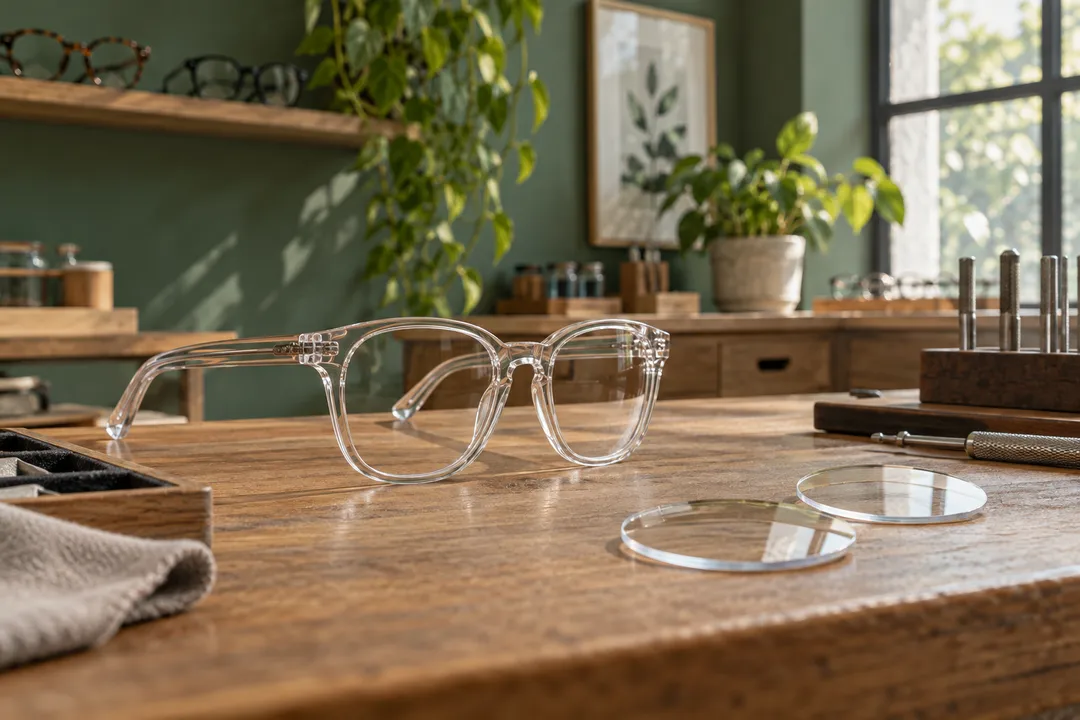
Cost one: the frame you are selecting
When you find a frame you like, record its identifying details from the shop's proposal. A color name, size, and model help you compare the same item later. If you compare different frames, label that difference openly. Otherwise a lower total can look like a better offer even when it describes a different product. Keep the frame decision understandable before adding the lens choices and any optional work.
Ask whether the displayed price applies to the exact frame being considered, and what the shop's return or exchange terms say about that purchase. Write down the answer that applies to your order. Avoid turning a general promotional message into an assumed entitlement. A seasonal offer, an online listing, and a specific in-store proposal may describe different purchases, and the useful comparison is the one that corresponds to the pair you will actually receive.
Cost two: the lenses in the proposal
Ask the professional handling the order to explain the lens proposal in everyday language. You should be able to describe what is included and why it was suggested for your use. When obtaining a second quote, bring the same requirements so you can see whether the proposals are comparable. This is a purchasing conversation, and any clinical judgment about your prescription belongs with the qualified practitioner responsible for it.
Do not choose a lens specification from an article just to make the arithmetic easier. Tell the shop how you use your glasses, and ask for the relevant options to be written clearly. If two proposals differ, identify the difference before comparing their totals. A lens upgrade may be important to one buyer and irrelevant to another. Your task is to understand the proposed order, rather than declaring one configuration universally necessary.
Cost three: extras and the final total
Ask which additions are optional, which are already included, and how the final amount is calculated. Keep each chosen extra next to its purpose in your notes. If an examination is billed separately, keep it separate in the comparison too. The same applies to another pair or a service you are considering later. A tidy record prevents an appealing frame figure from obscuring the cost of the complete decision.
Skip a purchase that you cannot explain back in plain language. That is a useful stopping rule even when the frame looks excellent. You can appreciate the design and still ask for a clearer written proposal. The aim is not to negotiate every line automatically. It is to understand what is being offered, whether it suits your intended use, and whether the full amount falls within the limit you set at the beginning.
Keep benefits separate from the shop's quote
If you plan to use insurance or another payment arrangement, obtain the applicable terms from the organization responsible for it. Record the shop's charge and any expected reimbursement separately in your own calculation. Do not subtract a hoped-for payment and call the remainder a confirmed purchase price. This keeps the shopping decision useful even when two stores handle paperwork differently or your personal benefits require additional information.
A second comparison can be worthwhile when the first proposal leaves a substantial question unresolved. Make that visit purposeful: take the same purchase brief and ask about the same requirements. If the new shop recommends a different setup, write down why before deciding which offer better suits you. More quotes are not automatically more clarity. Stop collecting them once the remaining difference is a preference you can make rather than a missing explanation.
Practical Notes for choosing with confidence
Keep a simple comparison with a column for the frame, one for the lenses, one for additions, and one for the total. Add the order terms and expected next step in your own words. This can live in a paper notebook or your ordinary notes. There is no need to assume a dedicated quote calculator or a connection to a store's ordering system in order to make an organized comparison.
Return to Karpo if you need to narrow the local search after learning more: explain which purchase requirement changed and which part of the city remains convenient. When a proposal meets your needs, take the next action with the shop itself. Agree to the specific order, payment terms, and fitting arrangements you understand. That is the point where a budget-led search becomes a considered purchase, with the three cost categories serving the decision instead of distracting from it.
Ask Karpo for more information.
Keep reading
- Bernal Heights Pottery Glaze Supply Browsing Route: Walk
 Potrero Hill Pottery Glaze Supply Browsing Route: Walk
 Mission Pottery Glaze Supply Browsing Route: Studio Walk