 Bernal Heights Pottery Glaze Supply Browsing Route: Walk
Hidden Gems & Odd Finds
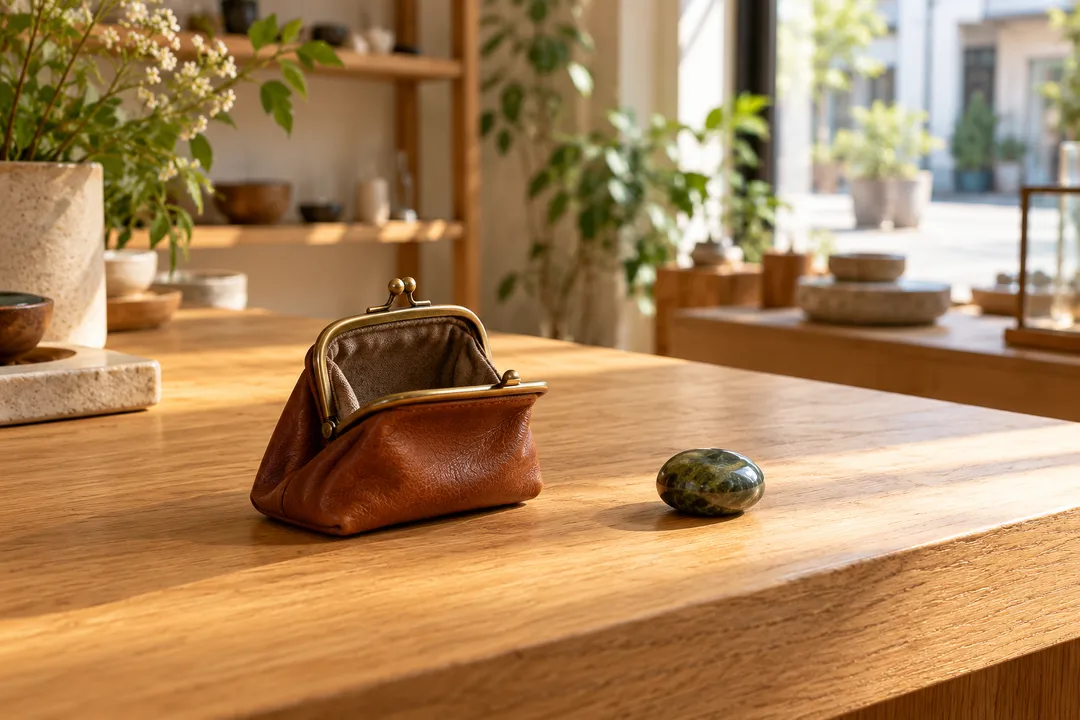
SF Oddities Shop: Set A Complete Budget Before Browsing
Set an SF oddities shop budget for the complete purchase, including its stand and journey home, then compare condition and fit before choosing an object.
An SF oddities shop budget needs room for the object after it leaves the counter. A shelf piece that costs less than your limit can still be a poor purchase if its stand, packaging or transport takes the total beyond what you meant to spend. Start with a ceiling for the complete decision. Then use the Karpo APP to explore your preferred object category and organize the questions that affect its final cost.
Give the money three different jobs
Separate the outing allowance from the purchase allowance. Travel and food belong to the day even if you buy nothing. The purchase allowance covers the object and any extras you actually agree to buy with it. Keep a third amount uncommitted as your own reserve. These are personal bookkeeping categories, not a description of what any shop charges, and the size of each portion should reflect your circumstances.
Put the purchase ceiling somewhere you can read before entering a display area. An interesting object can make a flexible number feel like permission to keep stretching. Decide whether your ceiling is absolute or whether you would return another day after thinking. Both choices can be sensible. The expensive version of indecision is repeatedly increasing the allowance while telling yourself that the next small increase will be the last.
Specify what kind of difference deserves more
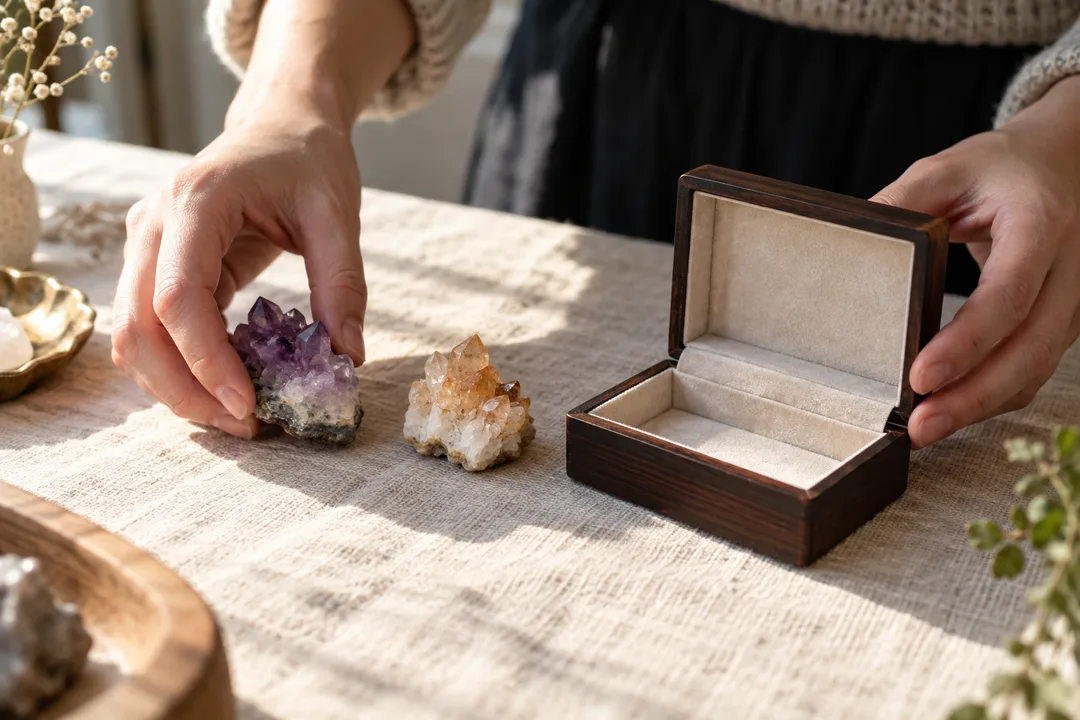
List the qualities you value before comparing prices. You might care about a compact footprint, an intact base, a particular material or a documented maker. Another collector might prefer visible wear or a reproduction they can handle without anxiety. A higher price becomes meaningful only when it buys something that matters to you. Otherwise you are comparing how persuasive two displays feel, with no stable reason to choose between them.
Use a short request to turn those priorities into a search: “I want to explore San Francisco oddities shops for a small shelf object. My personal purchase limit includes the display stand and getting it home. I prefer stone and metal, avoid liquids and want an option I can carry.” Add your own amount in the conversation if comfortable. Ask for suggestions and tradeoffs rather than a promise that a matching item is in stock.
Compare one object with the next closest alternative
A manageable comparison contains an appealing candidate and a genuinely plausible substitute. Record the seller's stated price, what is included and any condition information attached to each one. If a field is missing, leave it empty until you have an answer. An incomplete comparison is still useful because it shows which fact controls the decision. Filling the blank with an estimate can make the cheaper object appear more affordable than it is.
Consider a hypothetical mineral display with its own base and another piece sold without one. The first can be simpler to bring home even when the displayed object price is higher. This example supplies no market prices and assumes no particular shop service. It illustrates why comparing the same purchase boundary matters. Put object, base and packaging on separate lines before deciding which candidate fits your allowance.
Put condition ahead of the discount story
Look for the difference between a defect you accept and a problem you cannot assess. A visible chip may be part of the appeal to you. A loose mount may make the object unsuitable for your shelf. Ask the seller what has been repaired and how the piece should be handled. Their response belongs in your notes as their description, alongside your observations. A reduced price does not answer either question.
Avoid using a dramatic claimed original value as the main reason to buy. Your decision concerns the object in front of you, its present description and the amount you are willing to pay for that combination. If you would not want it without the discount narrative, pause. You can ask Karpo to help restate the tradeoff in plain terms, but material identification and authenticity still require appropriate evidence rather than confident wording.
Decide how to handle a near miss
When an attractive piece exceeds your limit, change the purchase rather than quietly changing the rule. A smaller size, a different material or a decorative replica might meet the original purpose. Ask for that specific alternative in the search conversation. Keeping the purpose fixed helps you avoid a chain of compromises that ends with a costly item you would not otherwise have considered.
There is also a clean option to buy nothing. Save the information you were permitted to record and leave yourself a reason to reconsider later. A note such as “excellent shape, but too wide for the bookcase” is more useful than “maybe.” It identifies a practical obstacle. If the dimensions do not work, another hour of admiring the piece will not create the missing shelf space.
Treat negotiation as a question
Ask whether the stated price is firm only when you are ready to discuss that particular object. Keep the question courteous and accept the answer. Do not describe bargaining as an entitlement or assume an unnamed business negotiates. If you are comparing several pieces, finish the information gathering before asking about a combined purchase. The seller can then answer a concrete proposal instead of responding to a succession of hypothetical discounts.
Before payment, read the stated sale and return terms supplied by the business. Clarify what happens if you change your mind, and keep that answer with the receipt. This is a transaction question, separate from the assistant's recommendation. Your own willingness to accept those terms belongs in the budget decision because a cheaper item with terms you dislike can be a worse fit than walking away.
Practical Notes for keeping the ceiling intact
Carry the measurements of the display space, the total purchase limit and a way to keep receipts together. Ask about packaging before you need to leave. If carrying a delicate parcel would force a transport change, include that real choice in the arithmetic before paying. Avoid setting an item down on an unsteady cafe table while sorting through receipts and bags. A planned direct return can protect both the object and the afternoon.
Afterward, enter what you actually spent and what made the purchase worthwhile. Keep the record descriptive: size, condition, intended location and the feature you enjoy. Over several outings, that information can reveal that you value small usable pieces more than impressive display items. Bring that preference into your next Karpo request. A sound budget leaves you with an object you can enjoy and a decision you understand, without needing the price to become a story of its own.
Ask Karpo for more information.
Keep reading
- Bernal Heights Pottery Glaze Supply Browsing Route: Walk
 Potrero Hill Pottery Glaze Supply Browsing Route: Walk
 Mission Pottery Glaze Supply Browsing Route: Studio Walk