 Bernal Heights Pottery Glaze Supply Browsing Route: Walk
Hidden Gems & Odd Finds
SF Magic Shop: Find One Quiet Routine to Practice
Plan an SF magic shop outing for quiet apartment practice, comparing space, materials, and visual routines before organizing your visit in the Karpo APP.
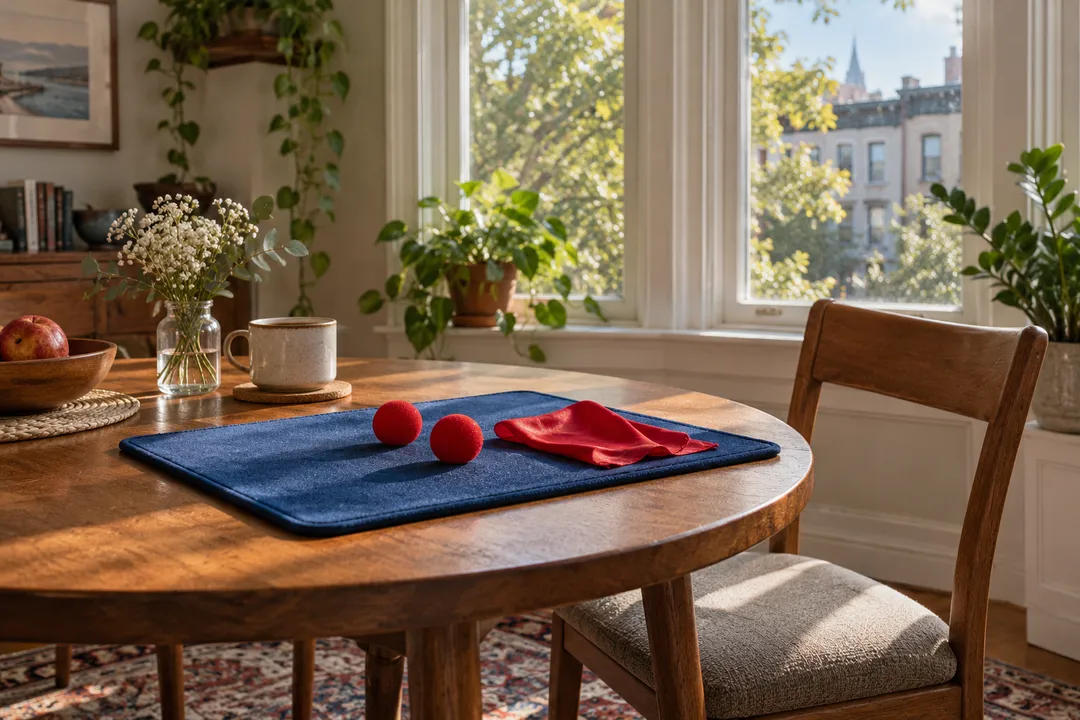
For an SF magic shop outing focused on quiet practice, start with the room you share. A routine that fits a soft mat and packs away in one pouch offers a different experience from a large presentation with music and spoken instructions. Tell the Karpo APP that you want a San Francisco shopping plan for visual, compact magic you can study without taking over the apartment. Use the visit to compare teaching requirements and handling comfort before deciding what belongs at home.
Draw the boundary of your practice space
Describe the actual setup: a corner of the dining table, a desk beside a roommate's workspace, or a temporary surface that must be cleared for dinner. Include how much room you have for your hands, instructions, and storage. A trick can look compact in its packaging and require a much wider working area. Sketching your available rectangle makes the question concrete and helps you avoid bringing home a project with nowhere convenient to rehearse.
Sound deserves the same attention as size. Metal touching a hard table, a prop snapping closed, and repeated spoken rehearsal can each affect people nearby. Decide which parts of a practice session you can comfortably do in shared space and which belong elsewhere. This is a household agreement, not a universal rule about magic. Having that conversation first is more useful than assuming that a small object will automatically make an unobtrusive hobby.
Search for a visual effect you can describe
Think of the audience's experience in a single sentence: a ball changes position, a folded cloth becomes visible, or several objects appear to behave differently from expectations. You are describing a preference, not naming stock at a particular store. Bring that sentence to the shopping conversation. It gives a seller a direction while leaving room to explain what a specific product actually requires, including preparation, reset, and any materials sold separately.
Do not confuse a silent demonstration with instruction-free performance. A visual routine still has a beginning, a sequence of actions, and an ending that needs to read clearly. Some presentations benefit from a spoken introduction even when the central effect is visual. Ask about the intended presentation rather than deciding from a package photograph alone. Choose something whose practice demands interest you, because the time between opening the box and performing comfortably is part of the hobby.
Ask Karpo for an outing with a soft landing
Try a message such as: “Plan a San Francisco afternoon around browsing compact magic props for a shared apartment. I am interested in visual routines and want somewhere quiet to sit afterward.” Add your starting area and the time you want to be home. Karpo's role is to help organize city discovery around your preferences and schedule. Keep the message focused on your outing, with product questions written separately for the visit.
Choose one main browsing purpose. You might compare materials for a visual routine, look for a clear introductory explanation, or discuss a prop you already own. Leave unrelated costume shopping and performance equipment for another day. This keeps the conversation short enough to remember and leaves you with a decision you can actually make. If no suitable purchase emerges, use the pause afterward to record what you learned instead of immediately expanding the search across the city.
Judge texture, contrast, and reset together
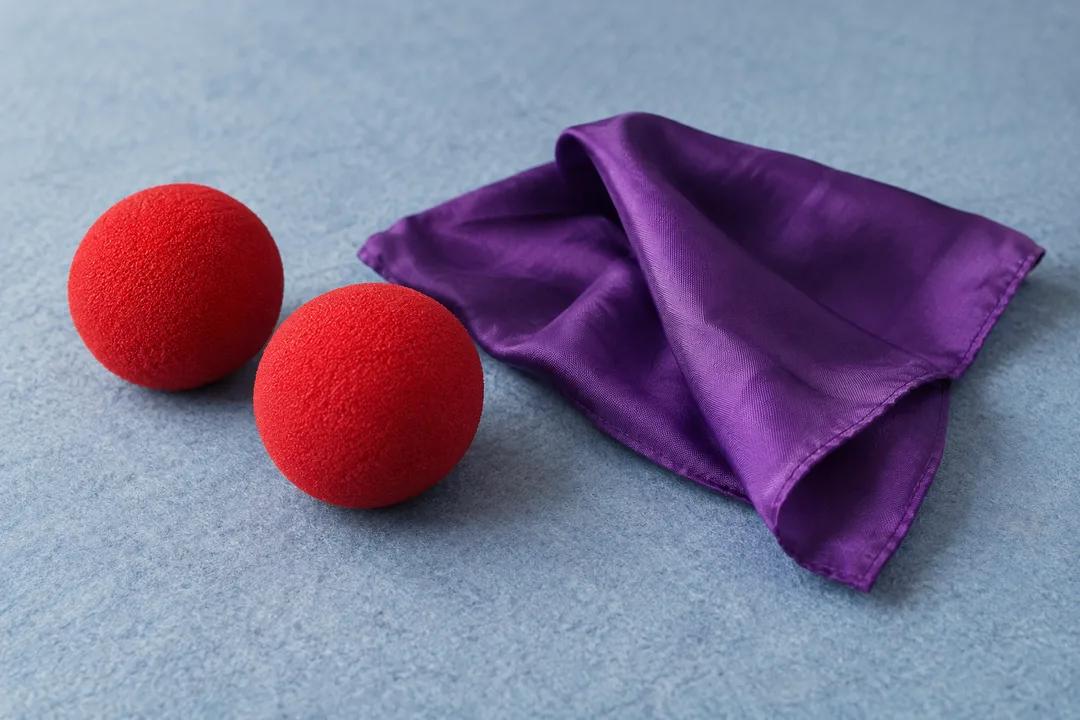
When handling is allowed, notice how the material behaves in your hands. A soft object, a smooth cup, and a slippery cloth create different physical tasks. Consider whether you can retrieve each item from the surface without an awkward scramble. The point is to choose a learning problem you are willing to practice. A purchase that feels appealing only when someone experienced performs it may not suit the kind of quiet, repeatable study you want at home.
Imagine the background behind your hands. A patterned tabletop can make a small object difficult to follow, while a plain contrasting surface can simplify the scene. You can often begin by assessing what you already own rather than buying a dedicated accessory immediately. Keep the presentation visually uncluttered and give each object enough room. Ask about the reset process too, because repeating an exercise is easier when you understand how to return everything to its starting condition.
Treat a demonstration as a conversation
Watch once without trying to film or imitate every movement. Let the demonstrator complete the sequence, then ask about the learning level and materials. Explain that you are working in a shared room and want to understand the sound and space involved. Those constraints are relevant product questions. Avoid asking for access to a secret as a substitute for buying instruction, and respect the shop's own approach to demonstrations and handling.
Write down the product name and the detail that influenced you. Perhaps the explanation includes a slow breakdown, the reset uses an extra component, or the routine needs a standing audience. A precise note helps you compare alternatives later. Skip equipment that depends on a room arrangement you cannot provide. You do not have to turn a bedroom into a stage to justify an afternoon of curiosity, and you do not need several purchases to make the visit worthwhile.
Build a rehearsal that stays considerate
At home, put out only the materials needed for the first lesson. Keep drinks away from fabric and paper instructions. Establish a place for used pieces so they do not mingle with the starting arrangement. Try the action slowly, then pause to look at what the audience would see. A mirror or an occasional private recording can help you observe framing, provided you keep other household members and personal surroundings out of the image.
Agree on a stopping point before you begin. That might be finishing one explanation or working through a small sequence, rather than practicing until every movement feels perfect. Put everything back into its container at the end. A hobby that leaves a shared table ready for the next person is easier to return to regularly. Save spoken presentation work for a moment when it suits the household, and keep that separate from quiet handling practice.
Practical Notes for a compact kit
Retain the original instructions and any access details together. If a product includes multiple pieces, make a simple inventory inside the storage pouch. Keep small items secured around children and pets, and avoid leaving them tucked into sofa cushions or loose clothing. A consistent place for each component makes the next session easier to begin. It also helps you notice whether a problem is missing equipment, an unclear explanation, or simply a movement you have not learned yet.
When you return to Karpo for another local outing, describe what changed after practice. You may now want a different kind of instruction or a chance to explore a related visual effect. Use that experience to narrow the next search instead of repeating a broad request for magic shops. The useful result is a small routine with a place in your actual life: clear enough to study, considerate enough to rehearse, and interesting enough that you want to pick it up again.
Ask Karpo for more information.
Keep reading
- Bernal Heights Pottery Glaze Supply Browsing Route: Walk
 Potrero Hill Pottery Glaze Supply Browsing Route: Walk
 Mission Pottery Glaze Supply Browsing Route: Studio Walk