 Bernal Heights Pottery Glaze Supply Browsing Route: Walk
Hidden Gems & Odd Finds

SF Magic Shop: Find One Book You Will Finish
Choose a book at an SF magic shop by matching its teaching style, materials, and first lesson to your goals, then plan a browsing outing in the Karpo APP.
At an SF magic shop, choose a book around the skill you want to learn next, rather than the length of its contents page. A short explanation you can follow at your table has more practical value than a shelf of unread routines. Use the Karpo APP to organize a San Francisco browsing outing around your interests and available time. Bring one clear learning question, then compare the structure, materials, and teaching style of the books offered to you.
Take stock of the learning you already have
Before leaving home, look through your current books, saved lessons, and unfinished projects. Write down the routine or movement you keep returning to, along with the point where you lose your place. You may need a clearer explanation rather than a larger collection of effects. If a title on your shelf already covers the topic, give it another deliberate reading. This simple inventory makes the shopping visit more focused and reduces the chance of buying the same lesson in different packaging.
Name the skill in language you understand. You might want to handle a deck more comfortably, introduce a trick with a stronger story, or organize a small set of visual effects. These goals lead to different reading choices. A book of performance theory may offer valuable ideas but leave a beginner looking for basic handling instructions. A technical manual may solve the movement while doing less for presentation. Decide which problem you want the next purchase to address.
Make a local discovery brief, not a stock request
Tell Karpo: “Help me plan an SF magic shop visit to browse learning materials. I am interested in beginner coin routines, prefer written explanations with illustrations, and want a compact afternoon outing from the Inner Sunset.” Add where you need to finish and whether another stop would improve the day. The message gives the city recommendations a purpose. It does not establish that a particular edition is in stock or that browsing comes with an individual lesson.
Use the suggestions to choose a suitable type of destination. A specialist shop may be useful for discussing a book's subject, while another local bookstore may appeal for broader browsing. The right stop depends on your learning question. Ask Karpo to keep the route manageable instead of extending it simply because more options exist. Spend the available time understanding a few relevant titles. You can leave with an informed choice even if the outing ends with a note about what to study next.
Read one complete explanation before deciding
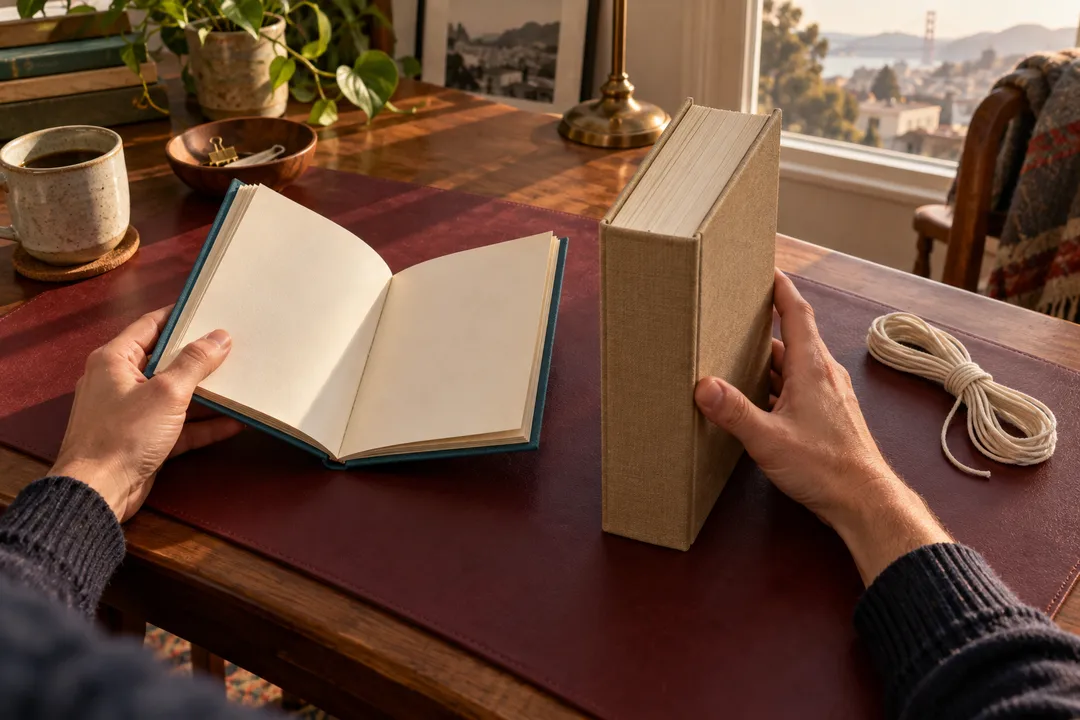
When browsing is permitted, choose a representative lesson and read it from setup to finish. Notice whether you can identify the starting condition, the action the performer takes, and what the audience should see. If you need to keep searching several earlier chapters, find out whether that sequence is intentional. Some books build a cumulative course, while others collect independent material. You want the structure to match how you intend to study, rather than discovering the prerequisites only after purchase.
Look at the relationship between words and illustrations. An image can clarify hand position, but the surrounding explanation should also help you understand direction and timing. Consider the print size and whether you can comfortably keep the book beside your practice area. A heavy volume that refuses to stay open may be enjoyable for reading in a chair and awkward for studying a movement at a small table. These are personal usability decisions, so assess them with your actual practice space in mind.
Count the materials hidden inside the lesson
Read the equipment list carefully. A lesson using ordinary household objects asks for a different commitment from a routine that calls for a specific accessory. List what you already own and what you would need to obtain. You do not have to buy every required item on the same visit. Choosing a book with a manageable first project can let you begin immediately and decide about more specialized materials after you understand the teaching style.
Ask the seller about the edition and any accompanying media described in the copy you are considering. An included video link, separate download, or supplementary booklet should be understood as part of that specific product. Avoid assuming that another edition has the same supporting material. If you already own a related book, bring its title and explain what you find difficult. That gives the conversation a useful starting point and helps prevent a recommendation that repeats the very explanation you are trying to improve.
Choose a manageable first reading project
Set a small outcome for the first week of study, such as understanding one routine's sequence and practicing its opening position. This is a suggested personal plan, not a guarantee about how quickly you will learn. Read the explanation without performing it first, then lay out the materials and work through the actions slowly. Keep the audience's view in mind. A series of movements makes more sense when you know what each action contributes to the visible effect.
After a practice session, write a question beside the relevant chapter title. Perhaps an illustration leaves you uncertain about direction, or the finishing position feels uncomfortable. Precise questions are easier to discuss than a general statement that a trick does not work. You can bring that note to a later conversation or seek another explanation of the same topic. A book becomes more useful when you treat it as working material and keep track of what it has helped you understand.
Give the browsing outing some breathing room
Ask Karpo to place a reading pause near the destination or along the route home. Choose a setting suited to opening a book, rather than assuming every cafe has a large empty table. Keep props packed while you read in shared space and leave room for other customers. The outing can combine discovery with a little time to absorb what interested you. Detailed practice belongs somewhere you can arrange materials without competing with plates, bags, or a busy neighboring table.
San Francisco weather and your plans for the rest of the day affect how you carry printed material. Put the purchase in a protective bag and avoid stacking drinks or damp clothing against it. A book is a less convenient souvenir when its corners are bent before you reach home. If your afternoon includes several stops, consider making the browsing visit later in the route. Karpo can help revise the sequence around your preferences without requiring you to commit to more shopping.
Practical Notes before adding another volume
Keep the receipt, exact title, author, and edition details together. Retain information about any associated media access and bookmark the lesson you intend to begin. Do not write a practice schedule so ambitious that opening the book feels like catching up on homework. A short, repeated session with one clear purpose is a reasonable starting approach. Let your interest determine the next project after you have spent enough time with the first explanation to know what it offers.
The strongest reason to buy a magic book is that you can describe how it fits your learning. Perhaps its illustrations answer a question, its first project uses materials you have, or its discussion helps you present a routine more clearly. If none of those connections appears, leaving without a book is a sound decision. Your SF shopping outing still produced something useful: a narrower question, a better understanding of your preferences, and a next step you can actually take.
Ask Karpo for more information.
Keep reading
- Bernal Heights Pottery Glaze Supply Browsing Route: Walk
 Potrero Hill Pottery Glaze Supply Browsing Route: Walk
 Mission Pottery Glaze Supply Browsing Route: Studio Walk