 Bernal Heights Pottery Glaze Supply Browsing Route: Walk
Hidden Gems & Odd Finds
SF Magic Shop: Three Tests for Your Practice Coins
Choose coin practice supplies for an SF magic shop outing by comparing grip, visibility, and your home setup, then shape a focused trip in the Karpo APP.
An SF magic shop search becomes more useful when you know what your practice coin needs to do. Start with three questions: can you hold it comfortably, can your audience see it, and can you rehearse with it where you live? Use the Karpo APP to shape a San Francisco shopping outing around that brief. The aim is a small, usable practice setup and a clear first exercise, rather than a drawer full of interesting metal objects.
Begin with the hand that will do the work
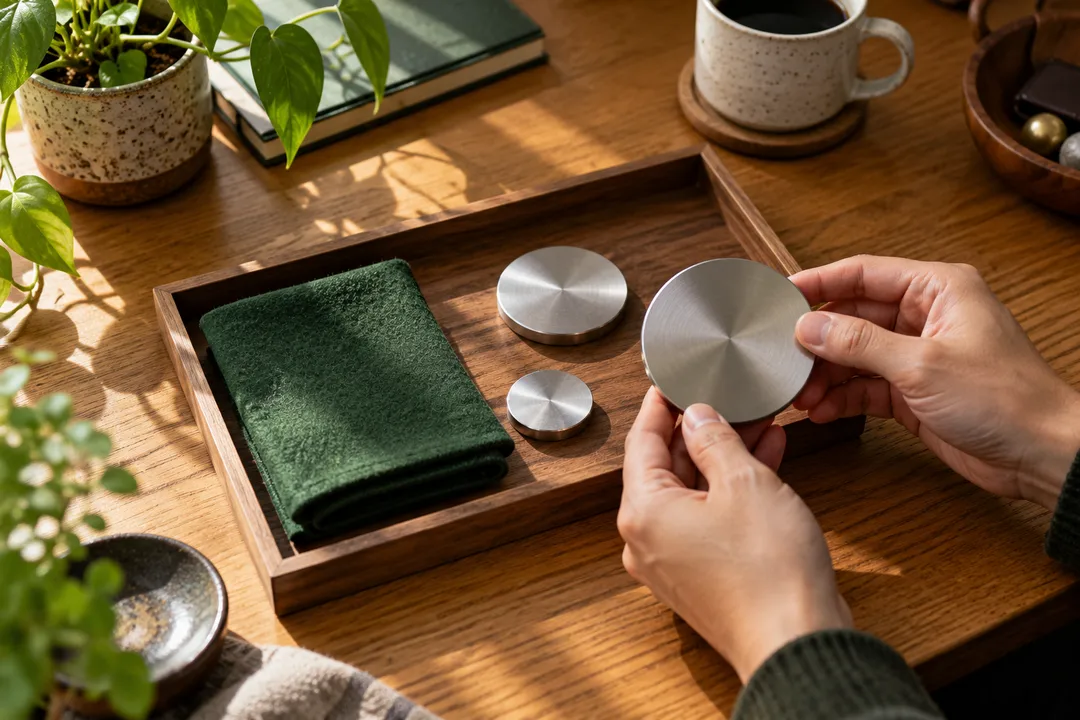
Take an ordinary coin you already own and notice its diameter, thickness, and edge. Move it slowly between your fingers over a folded towel. You are gathering personal observations, not testing whether you have a magician's hands. If it feels slippery, bulky, or difficult to retrieve from the table, write down that exact difficulty. These details give you something concrete to discuss when choosing equipment, without asking a seller to diagnose your entire learning style.
Try the same movement with your other hand. A comfortable starting object lets you focus on coordination and timing instead of compensating for an awkward grip. Bigger does not automatically mean easier, and a tiny object can become difficult to follow across a table. Treat size as a question to explore through permitted handling. The most useful comparison is between objects used for the same intended exercise, under similar conditions, with enough time to notice differences.
Give Karpo a precise shopping brief
A sample request is: “Help me plan an SF outing to look for beginner coin-magic supplies. I want a small setup for practicing at my dining table, and I prefer a short trip from my starting neighborhood.” Add your travel mode and available afternoon. That gives Karpo context for recommending places and arranging the outing. The purchase decision remains tied to the individual product and the explanation supplied with it.
Describe the kind of help you want during the visit. Perhaps you want to discuss an introductory book, compare a practice mat, or ask about a particular named routine. Those are different shopping conversations. Keep one as the main purpose and place the others below it. If the outing produces a useful explanation but no purchase, it can still help you narrow the next step. A good brief should make it easier to stop shopping as well as to begin.
Compare the audience view with the handling view
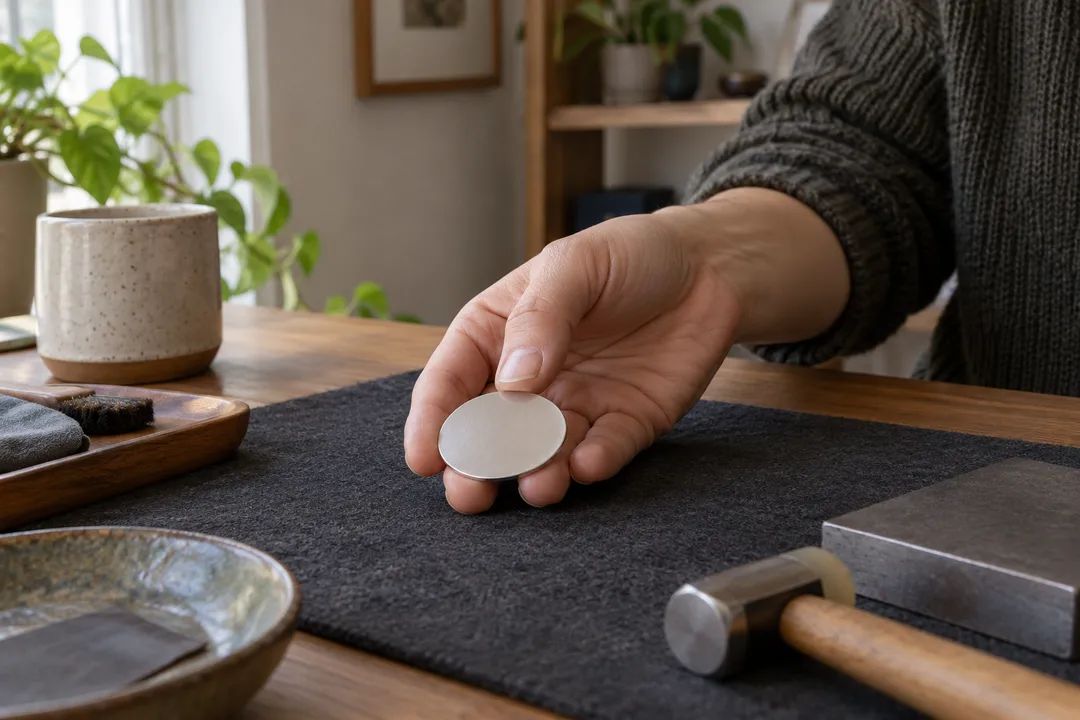
Imagine someone sitting on the opposite side of your actual table. A dark object against a dark mat can disappear visually before any trick begins. A shiny surface might reflect a window strongly. Use ordinary room lighting when judging how clearly the object reads. This is a practical observation exercise, not a promise that one finish works in every setting. Think about the scene in which you expect to perform and choose contrast deliberately.
Separate appearance from method. A matching set, an unusual finish, and a specially constructed prop each raise different questions. Ask what is included in the specific product, what ordinary items it requires, and how its instructions are delivered. You do not need an explanation of every secret before buying, but you do need enough product information to understand the commitment. Skip a specialist purchase when you cannot yet describe the effect you intend to learn with it.
Make dropping an object uneventful
Plan a forgiving practice surface. A soft mat or folded cloth can make retrieval easier and keep a dropped object from rolling immediately across the room. Measure the space you actually have, including where your elbows and written instructions will go. Leave a clear edge rather than filling the whole table. If you share that surface with meals or work, choose a setup you can put away without spreading small pieces across several rooms.
Think through storage before adding accessories. A small pouch with a consistent place for each item is easier to inventory than several loose pockets. Keep practice objects away from young children and pets, and use a closed container when you finish. You can make a simple packing note with the number of pieces you started with. That note is especially useful when a purchased set contains similar-looking components that belong together and should not be casually mixed with everyday change.
Turn a demonstration into a learning question
When a seller offers a demonstration, watch the effect from the intended audience position. Notice the opening situation and the final result before asking about equipment. Then explain your experience level and practice setting. A question such as “Does this lesson begin with ordinary objects?” is more useful than requesting the easiest trick in the shop. Respect any boundary around handling display pieces or recording a performance, and keep the conversation focused on the product being discussed.
Ask how the learning material is organized. A continuous video, a written sequence, and a collection of separate routines invite different study habits. Consider whether you can follow along without constantly moving your viewing device or book. Also ask whether access information comes inside the package. Keep that information with your receipt. You are choosing a way to study as much as an object to hold, so the explanation deserves an equal share of your attention.
Leave room for an ordinary afternoon
After choosing the main destination, tell Karpo whether you would enjoy a quiet drink or a short neighborhood walk along the way home. Keep that second stop optional. The outing should remain pleasant if you decide against a purchase or spend longer discussing a lesson. Avoid building a route around several speculative stock searches. One focused conversation followed by time to think is a more manageable plan than carrying new equipment between a string of unrelated counters.
If traveling with a friend, ask them to remember what they saw rather than offer running commentary on possible methods. Their account of the visible effect can help you decide whether the presentation interests you. Save technical practice for home, where you can arrange the table and retrieve loose objects easily. A busy cafe is a poor place to spread small components or repeatedly drop them while trying to protect a new purchase and balance a drink.
Practical Notes for the first practice session
Choose one short exercise from the instructions you purchased and work through it slowly. Keep the starting position and finishing position clear. Pause when the movement feels tense, then reset rather than rushing through repetitions. A brief session with a specific observation gives you something to improve next time. Write down the point where you lose track of the sequence, using the lesson's own terminology so that a later question is easy to understand.
Before buying anything else, explain to yourself what the current setup lacks. Perhaps the surface is too small, the written explanation assumes earlier knowledge, or you simply need more repetition. Each problem suggests a different response. Take that observation back to your next Karpo planning request if another outing would help. Your SF magic shop plan has done its job when the equipment, learning material, and space at home support the same modest practice goal.
Ask Karpo for more information.
Keep reading
- Bernal Heights Pottery Glaze Supply Browsing Route: Walk
 Potrero Hill Pottery Glaze Supply Browsing Route: Walk
 Mission Pottery Glaze Supply Browsing Route: Studio Walk