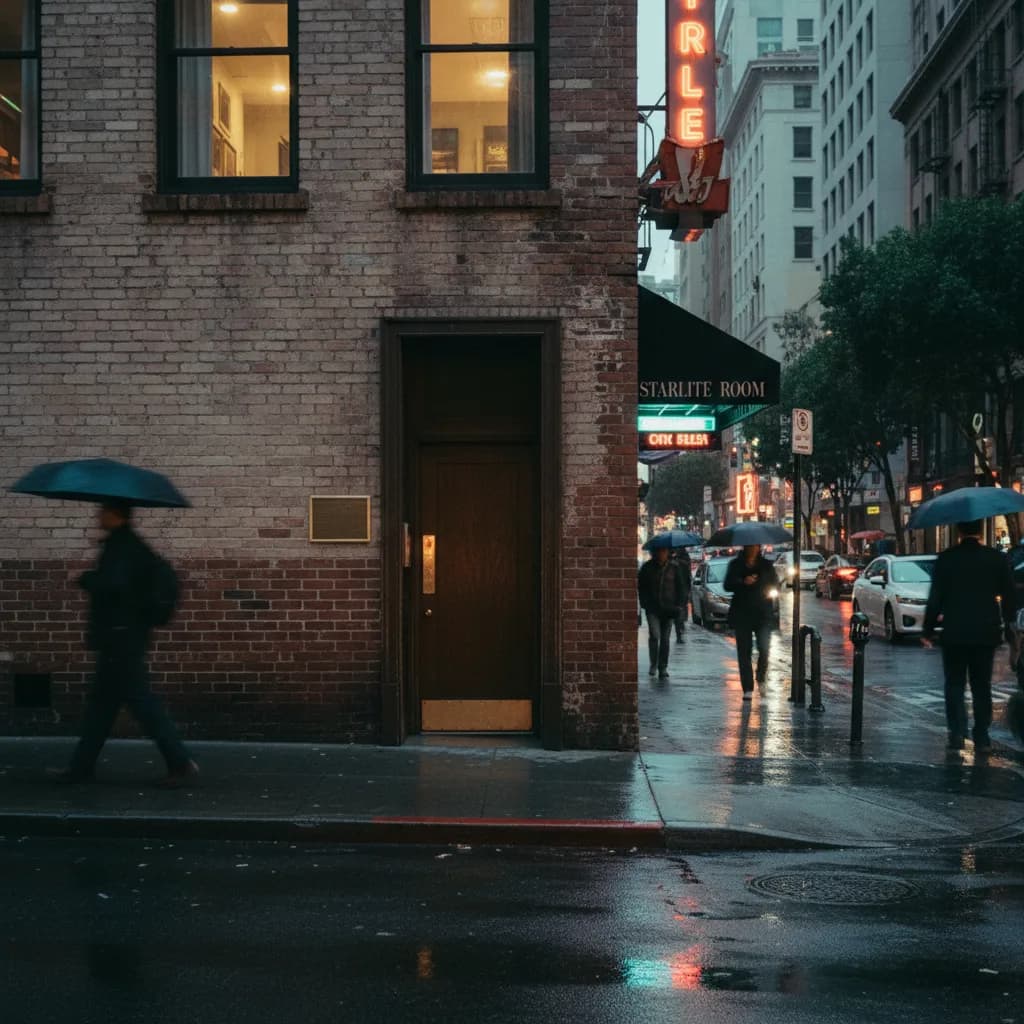
 Starlite Room Union Square: Unforgettable Concerts Above Powell Street
Weekend Plans
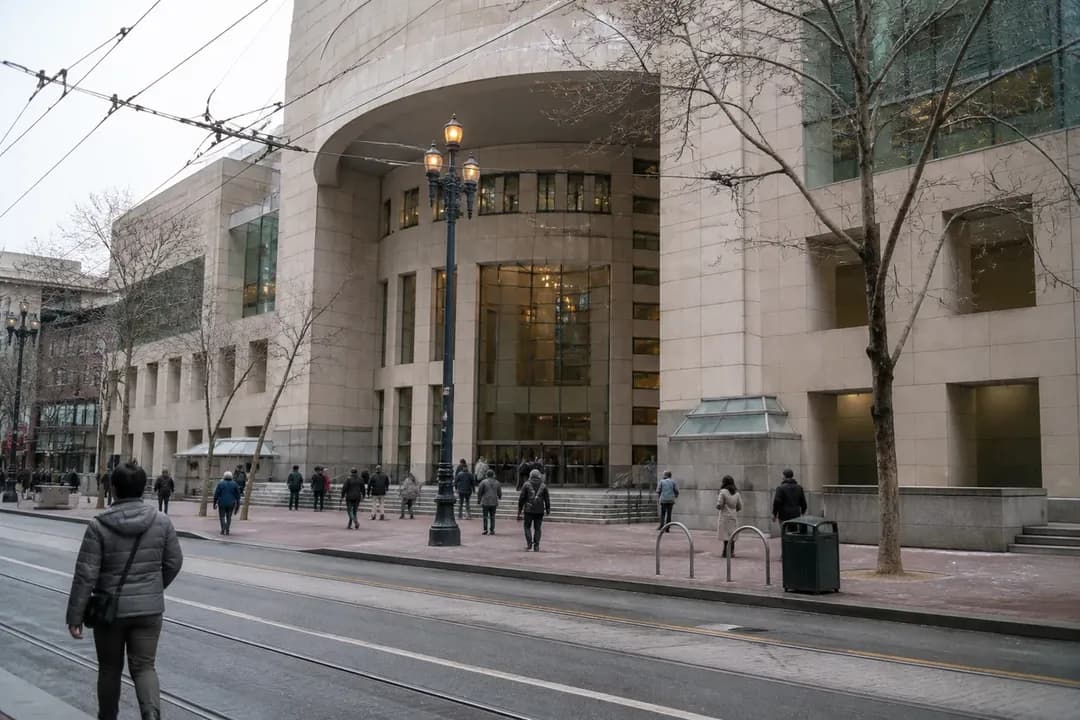
madison brooks San Francisco Library Verification Plan for Weekend Readers
A careful Civic Center library route for San Francisco readers checking sensitive online claims with official records and steady media habits.
San Francisco readers seeing madison brooks move through feeds this week have a better weekend option than arguing from clips. Make it a Saturday morning verification session at the San Francisco Main Library, where the public setting supports slower reading, notes, and a careful conversation with a classmate. The plan is simple: confirm the library hours, arrive through Civic Center with current transit alerts checked, and separate official records from commentary. With cool fog likely early and brighter afternoon breaks later, keep the route easy, the claims narrow, and the standard for sharing high.
Want a calmer San Francisco source-check route? Text Karpo for the Main Library stop, Civic Center transit checks, and links worth opening before Saturday morning.
100 Larkin Street Main Library Desk
Start at the official San Francisco Public Library listing, which places the Main Library at 100 Larkin Street and posts Saturday hours as 10 a.m. to 6 p.m. as checked on August 6, 2026. Save the page before you leave, because hours and service notices are living facts. If the listing changes, the plan changes with it; a screenshot from earlier in the week is not enough.
Choose the Main Library because this topic needs a public, quiet workspace rather than a comment thread. Bring a charged phone, headphones, a notebook, and one shared document with your classmate. Your first page should have four columns: confirmed, alleged, outdated, and cannot verify. That structure keeps the session useful when a post sounds urgent but lacks a docket, institutional statement, or reputable report.
Civic Center BART Platform Choice
BART lists Civic Center / UN Plaza Station at 1150 Market Street and identifies the Main Branch of the San Francisco Public Library among nearby destinations. For readers coming from the East Bay, Peninsula, or southern San Francisco, it is the cleanest regional transit choice. Check the station page before boarding, including advisories, because BART flags a schedule change beginning Monday, August 10, 2026, that may affect later trips.
Accessibility needs deserve a separate check, not a hopeful guess. BART says two elevators are needed between street and trains at Civic Center / UN Plaza, and the station page links to elevator and escalator service alerts. If either elevator path is unreliable on Saturday morning, use a Muni surface route, meet at another SFPL branch, or run the first verification block from home with library database access.
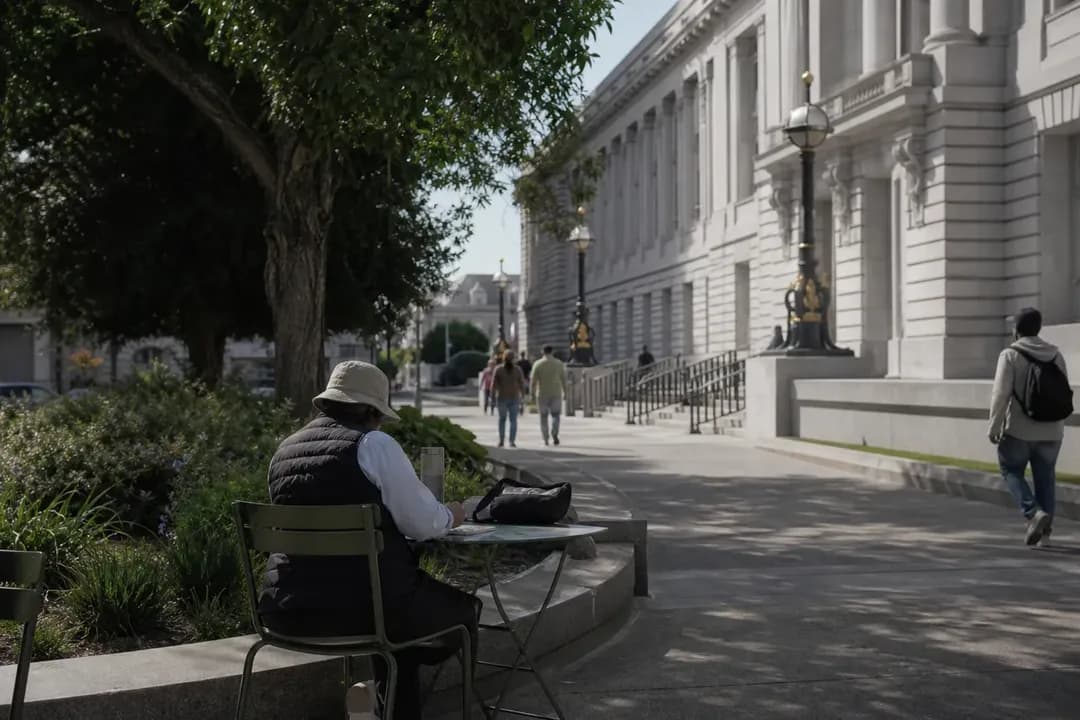
Muni Stop Near 100 Larkin
SFMTA’s place page for the San Francisco Public Main Library confirms the 100 Larkin Street location and lists nearby Muni service, including F Market & Wharves, J Church, L Taraval, M Ocean View, 5 Fulton, 9 San Bruno, 14 Mission, 19 Polk, 21 Hayes, 47 Van Ness, and 49 Van Ness/Mission. That gives readers practical approaches from the Mission, west side, Market Street, and Van Ness corridors.
Muni is often the better San Francisco choice when a transfer would add friction, but downtown service can still shift around events, traffic, or substitutions. Check live arrivals before walking into the fog, then pick an indoor meeting point after library entry. If one person is delayed, the other should begin collecting source URLs rather than waiting outside or trying to summarize half-read posts by text.
SFPL Table, WiFi, And Notes
The Main Library page lists WiFi, printing, meeting rooms, and study rooms among available features, which is enough to build a practical verification session. Do not assume a private room is open unless SFPL confirms it through the current reservation path. A regular table still works: one reader gathers official or court-adjacent pages, while the other logs claims, dates, and missing context in plain language.
Use two focused blocks instead of an open-ended dive. Spend about forty minutes collecting sources without debating them, take a short reset, then spend forty minutes ranking reliability. Stop when the conversation turns into guesses about motives, people, or court outcomes. The audience fit here is students, classmates, and careful weekend readers who want to understand a sensitive trend without becoming part of its rumor chain.
LSU President Message Folder
For background, LSU’s January 23, 2023 message confirms Madison Brooks was an LSU student and says arrests followed an investigation into events before her death after she was struck by a vehicle on Burbank Drive. Use that institutional source as context, not as a complete timeline. It explains why the name remains sensitive, but it does not verify every later claim appearing in current social posts.
The tradeoff is emotional clarity versus overreach. A university statement can anchor identity and institutional response, yet court status, charge details, hearing dates, and later filings require newer legal or reputable reporting. If a post names a defendant or describes a ruling, write down the exact claim and require a dated source. If you cannot confirm it on August 6, 2026, mark it unverified and do not share it.
Fifth Circuit Opinion Tab
Justia’s publication of Carver v. Baustert, dated March 2, 2026, provides a court-adjacent source connected to related civil litigation and describes a Fifth Circuit procedural outcome. Read it for the narrow thing it can prove: what that appellate opinion says and when it was issued. It is not a substitute for checking any current state criminal docket, later filings, or local courthouse updates.
Keep legal sources in a separate tab group from news coverage. The failure mode is mixing allegations, motions, opinions, and headlines until they all sound equally settled. Label each note with the source type and date: institutional statement, appellate opinion, local reporting, or social post. When language says prosecutors alleged something, keep the word alleged. When a court decides something, name the court, decision, and date.
Civic Center Plaza Exit Action
Before leaving Civic Center, spend ten minutes turning your work into a decision guide. Write three short lines: what is confirmed, what remains contested, and what you will not repeat. Add practical notes too, including whether Main Library hours matched the official listing, whether BART or Muni alerts changed the trip, and whether the workspace was calm enough for a second visit.
The final verification action is deliberately small. On Saturday morning, reopen the SFPL Main Library page, your BART or SFMTA route alert page, and the latest official or reputable source for the specific claim you plan to discuss. If any one of those checks fails, downgrade the plan: read from home, ask a librarian for database help, or wait for a confirmed update.
Tags: #AskKarpo #BeforeYouGo #SanFrancisco #SFPL #MainLibrary #CivicCenter #MediaLiteracy #SourceCheck #WeekendPlans #PublicLearning #TransitCheck #LibraryDay #CarefulReading #NewsVerification
Sources consulted: Source 1: sfpl.org · Source 2: bart.gov · Source 3: sfmta.com · Source 4: lsu.edu · Source 5: law.justia.com
All trademarks are the property of their respective owners.
Ask Karpo first
Tell Karpo your date, group size, budget, and starting point. We’ll check current access, timing, transit, and the cleanest San Francisco plan for San Francisco Main Library before you head out.
Ask Karpo for more information.
Keep reading
- Starlite Room Union Square: Unforgettable Concerts Above Powell Street
 Union Square Concerts: Love + Propaganda's Subterranean Rhythms Beckon
 Exotic dinner near me: Marrakech, a Tenderloin Moroccan Supper Club.