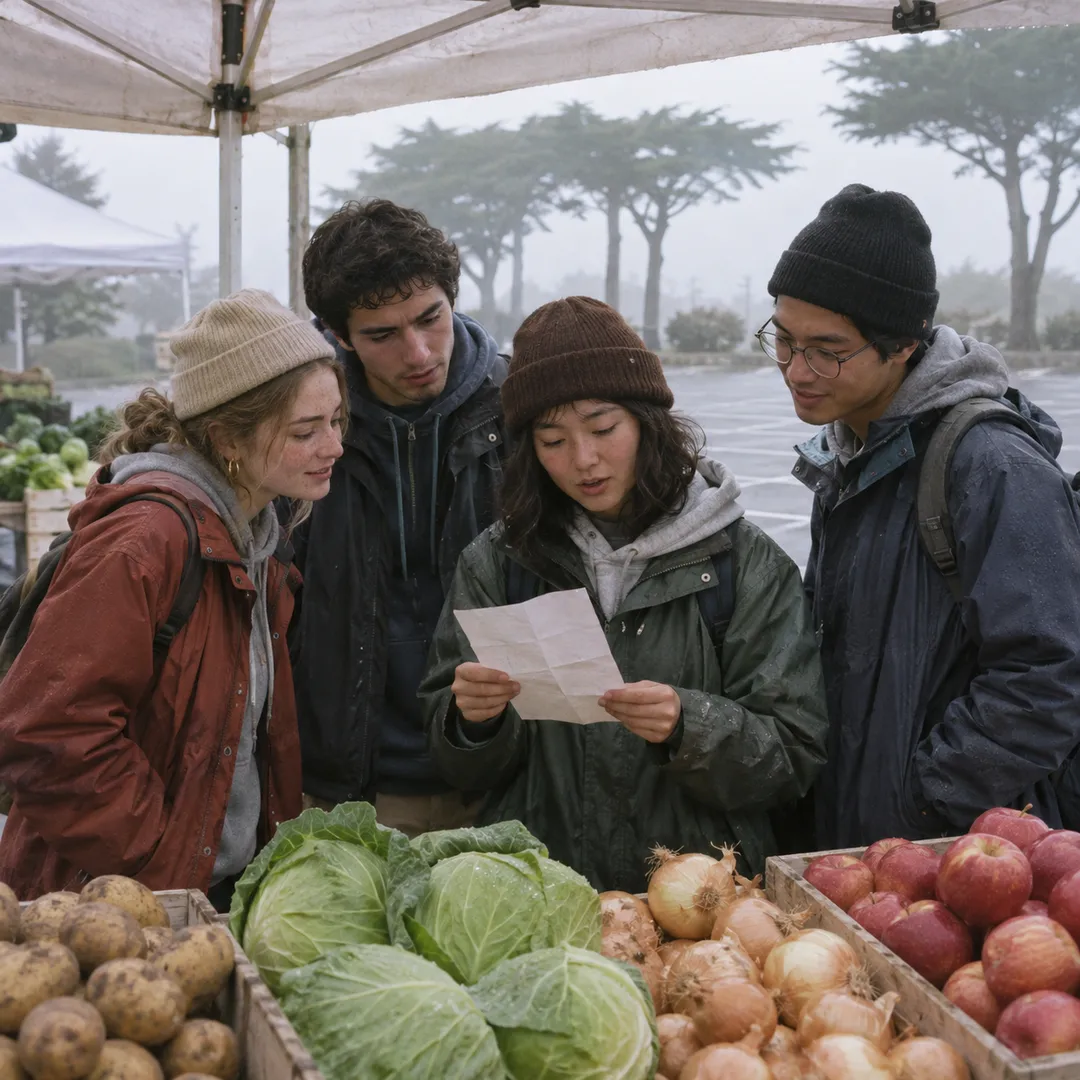
 Stonestown Winter Farmers Market Picker for Student Cooks
Weekend Plans

SF Local Event Finder: Lunch Breaks With A Firm Return
Find SF daytime event ideas that fit a short lunch break by giving a departure point, your required return time and whether you need food included.
A lunch-break outing in SF has to include the return to work, not just the event itself. Use a local event finder with a departure point, a genuine free window and a clear distinction between eating and attending. A short daytime program can still be unsuitable if it begins before you can arrive or finishes after you need to leave. In Karpo APP, make the return deadline the first condition. The examples here are hypothetical planning requests, with no live event or timetable implied.
Count the whole break rather than the program
Begin with the time when you can actually leave your desk or meeting location. Packing up, reaching the street and finding the event entrance belong inside the available window. Your personal travel buffer should reflect how rushed you want the break to feel. Do not make a plan that works only if every transition takes no time. A midday outing is useful when you can enjoy it and return without treating the last few minutes as a race.
Separate a flexible break from a fixed one. If a colleague is covering a task until a particular time, that boundary matters more than an event's appeal. If your afternoon work can shift, you have a different search. State the real situation without sharing confidential work details. “I need to be back in this neighborhood by my deadline” can be sufficient. The app needs a planning constraint, not access to your employer's internal calendar or responsibilities.
Decide whether the activity must include lunch. An interesting demonstration does not solve the meal question unless food is actually part of the advertised format. You might eat beforehand, bring something for an appropriate separate place or keep the break entirely for food on another day. Those are choices you make, rather than assumptions about an event's policy. Avoid attaching an extra restaurant stop to a window that already has little spare time.
Search for a format that can fit completely
A fixed talk, a scheduled demonstration and an exhibition-related drop-in have different timing demands. Read the organizer's description of participation for the actual session. A title that sounds casual does not establish flexible arrival or early departure. If you can only attend part of a program, choose a format explicitly compatible with that use. Otherwise prefer a shorter complete experience over missing an introduction and leaving before the useful final section.
Your request could say: “Find SF daytime event ideas near my departure area for this date. My full break, including both journeys, is the window below. I want an activity I can enjoy properly and still return by the stated time. Lunch is separate. Compare one very local idea with another that has a stronger subject fit, and explain the time tradeoff.” Replace the example conditions with the limits that apply to your day.
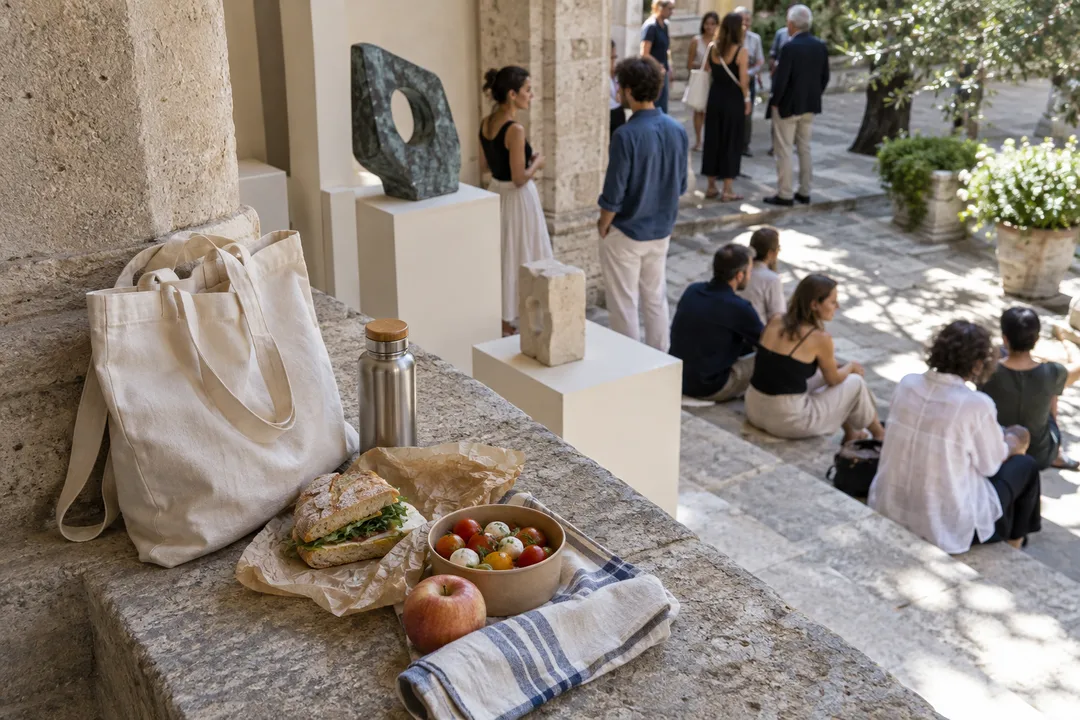
Give the search one clear interest. Perhaps you would enjoy a visual demonstration after a morning of reading, or a short talk on a subject you follow. A specific preference gives the comparison more value than a broad request to use spare minutes. It also helps you reject a candidate that technically fits the window but does not sound enjoyable. The aim is a worthwhile break, not a claim of efficiency from filling every moment.
Keep evidence about the session close to the decision
The dated event information should establish what happens and when. A venue being open at lunchtime does not establish a program you can attend then. Likewise, a long-running exhibition and a one-time guided session are different offerings. Ask Karpo to preserve that distinction when explaining an idea. You should be able to identify the particular activity without reconstructing its timing from several unrelated pages about the place.
Admission arrangements can add time or commitment. A session requiring registration differs from a walk-up program, and either can have its own arrival instructions. Read those terms for the exact date. A free ticket is still a ticket if the organizer requires one. This article gives no price or admission availability because those facts must come from the selected provider, rather than being assumed from the brevity of the event.
Skip the candidate whose advertised timing consumes the entire break before travel is counted. A fascinating subject does not make the journey disappear. You can retain the idea for another date or ask for a similar format outside working hours. A more modest local activity might suit today's purpose better. That is a judgment about fit, and stating it plainly keeps the search from becoming a negotiation against your own return deadline.
Give the neighborhood a supporting role
A direct walk can itself provide a useful change of scene. If it lies naturally between work and the event, there is no need to add another destination. Leave landmark detours and shopping for a less constrained outing. The surrounding neighborhood is part of the experience, but it should not become another schedule dependency. You can notice an interesting street on the approach without promising to visit a particular business you have not researched.
If you invite a colleague, share the actual activity and return plan rather than asking whether they want to “see what is around.” That lets them decide whether the break fits their responsibilities. You can also attend separately if your time windows do not align. A small outing does not need a group to count as a good use of the afternoon, and coordinating several people can consume the flexibility you were trying to enjoy.
Choose a simple fallback before leaving. If a candidate's entry arrangement is unclear or the session no longer fits your day, a shorter local break can still be worthwhile. Do not replace it at the last moment with another distant event simply to preserve the idea of attending something. The search has done useful work when it identifies that today's window is too tight. Another date can offer a better experience of the same interest.
Practical Notes for a midday search
Keep the departure point, actual free window, meal decision and return deadline visible in your brief. Read the selected organizer's session and admission instructions, then complete any required registration through its stated channel. A recommendation does not guarantee entry or protect time in your workday. The example requests here describe how to make a decision, and none establishes a particular SF activity, transport duration or remaining place.
Open Karpo APP with a realistic window and one interest you would enjoy exploring during it. Ask for a small comparison that includes the whole trip, choose a fully workable candidate and keep optional stops out of the commitment. A successful lunch-break outing leaves you with something worth remembering and enough room to return calmly. It should feel like a break you chose, rather than another appointment squeezed between obligations.
Ask Karpo for more information.
Keep reading
- Stonestown Winter Farmers Market Picker for Student Cooks
 Clement St Winter Farmers Market Picker for Lunar New Year
 Fort Mason Winter Farmers Market Picker for Citrus Bakers