 Bernal Heights Pottery Glaze Supply Browsing Route: Walk
Hidden Gems & Odd Finds
Japantown Local Bookstore Gift Hunt: Manga, Art and Washi
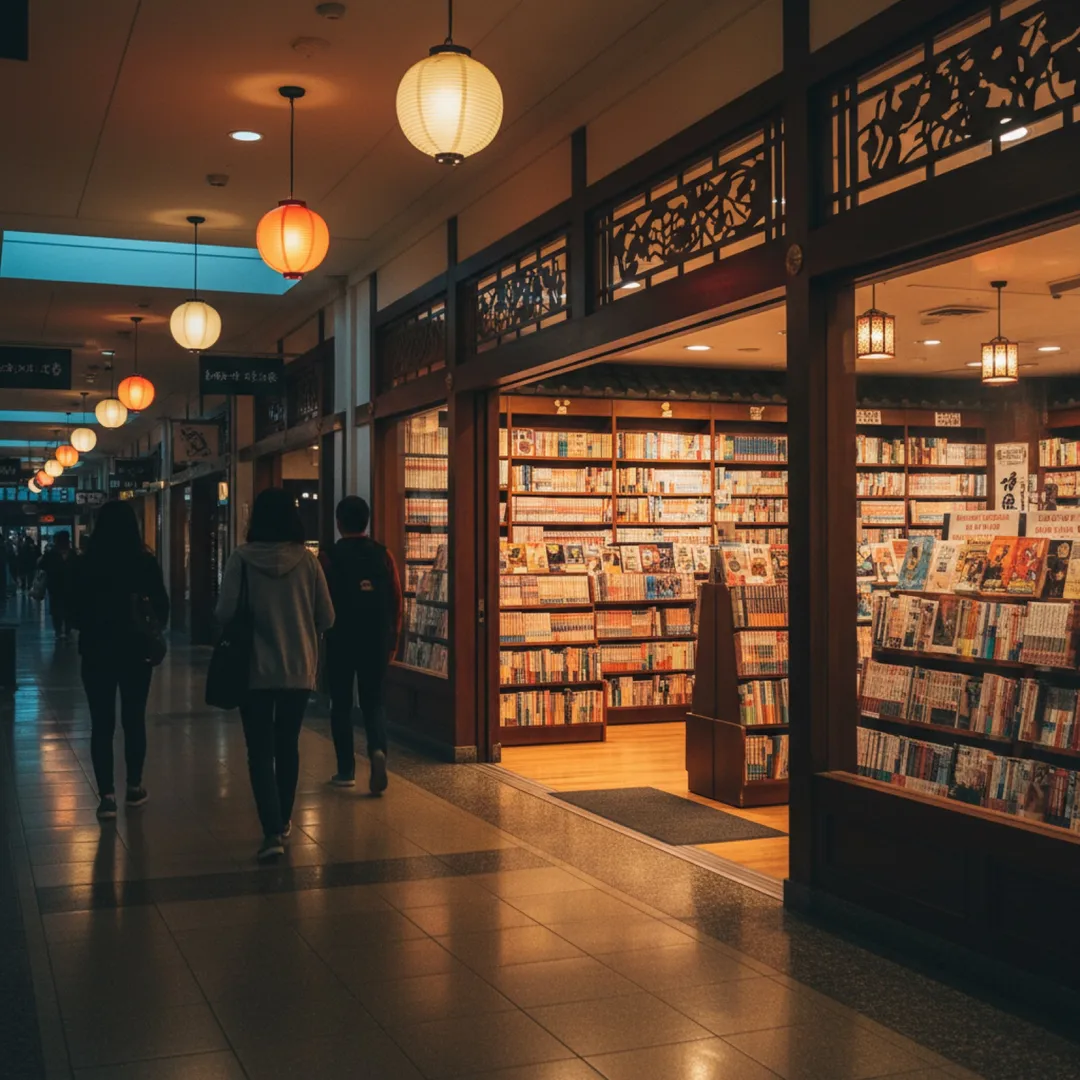
Japantown's bookstore gift hunt runs through Japan Center's malls, where manga, art books and stationery share one roof. Rainy days suit it perfectly.
Japantown is one of only a handful of historic Japanese neighborhoods left in the United States, and it may be the easiest place in San Francisco for a local bookstore gift hunt when the weather turns. Most of the shopping happens indoors, inside the connected malls of Japan Center, so you can wander from manga shelves to stationery counters to a bowl of ramen without ever opening an umbrella. The gifts you find here carry a sense of craft and culture that general bookstores rarely match.
A Neighborhood Shaped by Resilience
The story of Japantown runs deeper than its shopping arcades. Japanese immigrants built a thriving community in the Western Addition in the early twentieth century, and wartime incarceration emptied it almost overnight. Families who returned found their neighborhood changed, and later redevelopment cleared many of the old blocks. The Japan Center complex rose from that history, and today it anchors a district that still hosts cultural festivals, community groups and generations of family businesses.
Knowing that history makes browsing more meaningful. Many shops here are run by people with long ties to the community, and their shelves reflect it. You will find books on Japanese American history, the incarceration camps and local family stories alongside imported titles, which makes for thoughtful gifts for history lovers and anyone exploring their own heritage.
What to Look For on the Shelves
Manga is the obvious draw, and Japantown is a strong place to pick up volumes for a fan who already follows a series or to start someone on a new one. If you do not know where to begin, ask staff for a complete short series rather than the first volume of a long saga. A tidy set of three or four books makes a satisfying gift that feels finished.
Art and design books are the hidden treasure here. Look for collections of woodblock prints, Japanese architecture, garden design and illustrated cookbooks that explain regional dishes. Many are beautifully printed with textured covers, which makes them feel special before they are even opened. Language learners appreciate graded readers and illustrated dictionaries, while kids often love picture books with Japanese folktales or bilingual text.
Home cooks deserve their own corner of the hunt. Japanese cookbooks that focus on a single subject, such as bento, pickles or home-style noodles, feel more useful than broad overviews. Pair one with a pair of lacquered chopsticks or a small ceramic dish from a nearby housewares counter, and the gift invites the recipient to cook from it that same week.
Pairing Books With Stationery and Wrapping
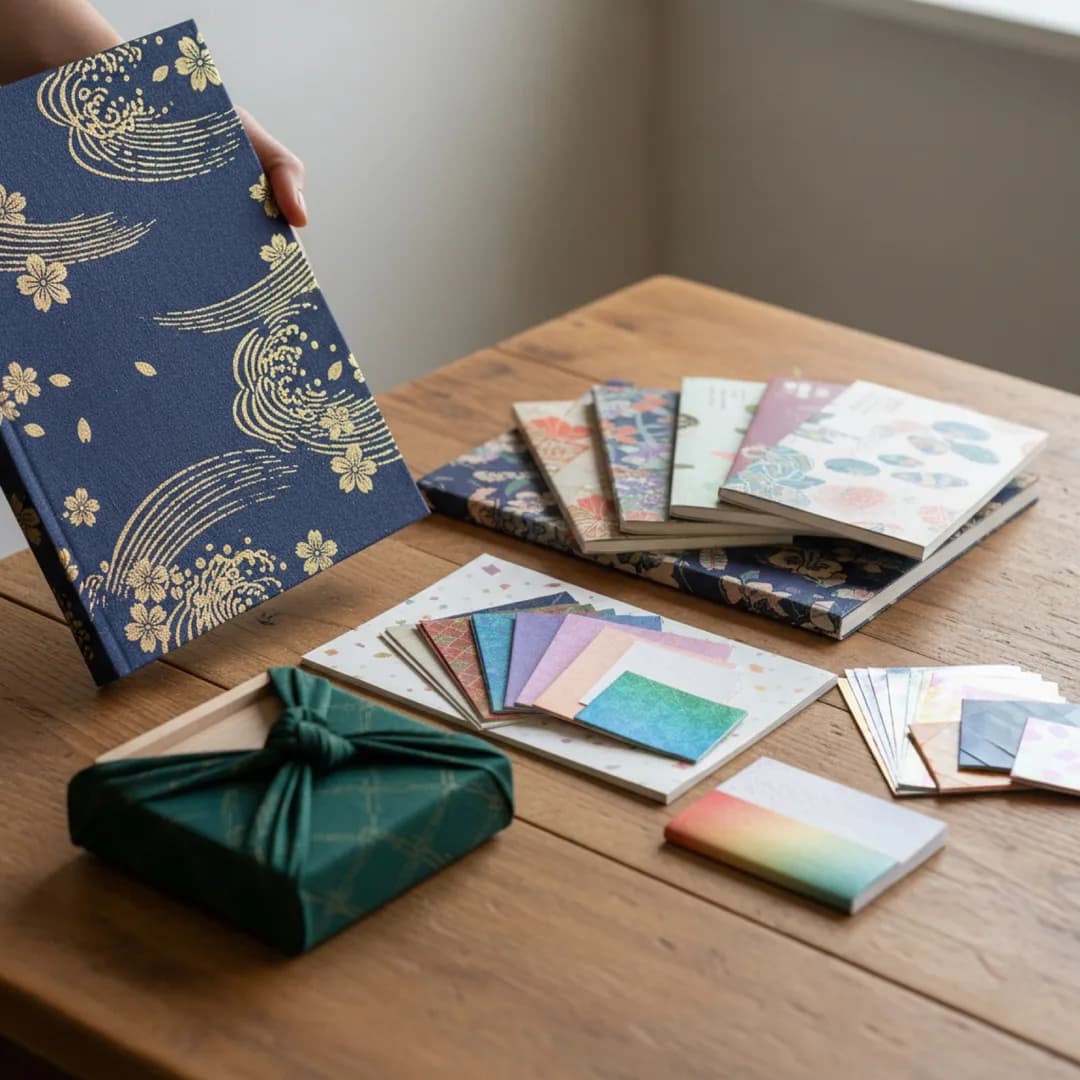
The real magic of a Japantown gift is what you add to the book. The neighborhood's stationery sections are packed with washi notebooks, gel pens, origami paper and patterned tape that turn a simple novel into a full gift set. Choose two or three small items that match the book's mood, such as brush pens with a calligraphy guide or a sketchbook with an illustration manual.
For wrapping, consider a furoshiki, the square Japanese cloth used to bundle gifts. Folded around a book and tied with a simple knot, it looks elegant and becomes a second present the recipient can reuse. Some shops sell small decorative envelopes and gift tags that suit cards and short notes, which finish the package neatly.
Moving Through Japan Center With a Plan
Japan Center stretches across several connected buildings, and first-time visitors sometimes lose track of where they started. A simple approach is to begin at the Peace Plaza, where the five-tiered Peace Pagoda stands, then work through one mall wing at a time. Browse the larger bookstore spaces first so you know what is available, then visit the smaller gift and stationery counters to build around your chosen title.
Weekday afternoons are relaxed and give you room to linger over art books. Weekends draw crowds, especially during festival seasons, and the energy can be fun if you enjoy a busy scene. When the cherry blossom festival or other community celebrations fill the plaza, plan to arrive early in the day and finish shopping before performances draw the biggest groups.
Breaks, Snacks and the Streets Outside
Food is part of the Japantown experience, and a break between shops makes the hunt more enjoyable. Grab a matcha drink, mochi or a crisp taiyaki filled with sweet red bean and sit near the plaza to look over your finds. If the hunt runs long, a ramen or udon lunch inside the mall gives you a warm reset.
Step outside onto the Buchanan Street pedestrian mall, where small shops and historic buildings line a short walkway decorated with stone fountains. North of the center, upper Fillmore Street offers a very different shopping scene with boutiques and cafés, while a walk south leads toward the Fillmore jazz district history and Alamo Square's painted ladies. Linking those areas turns the gift hunt into a full afternoon across several distinct neighborhoods.
Planning With Karpo APP
Before you go, ask Karpo APP to suggest bookstores, stationery counters and gift shops in and around Japantown. Tell it who the gift is for, such as a teenager who loves anime or a friend who practices calligraphy, and Karpo will recommend nearby spots that fit. Save them in a list so you can move through Japan Center in a sensible order.
Once you are there, use Karpo APP to find a nearby dessert shop or a quiet spot to rest your feet. If a particular book is not on the shelf, ask Karpo for another bookstore in the area that might carry it. To ask about a specific title or event, contact the shop directly.
Practical Notes for Japantown Gift Hunters
Japantown sits between Pacific Heights and the Western Addition, and several bus lines along Geary and Fillmore stop close to the malls. There is a public parking garage beneath Japan Center, convenient on rainy days when you plan to carry heavy art books.
Bring a sturdy bag with a flat bottom, since imported books often come in larger formats. If you plan to buy manga in quantity, check your list against what the recipient already owns so you do not duplicate volumes. Treat stationery as an add-on budget rather than an afterthought, because it is easy to fill a basket with beautiful small things. If you are shopping for a younger child, look for sticker books, simple origami kits with picture instructions and character notebooks. These small items travel well in stockings and make the hunt affordable when your list is long.
Leave time to sit in the plaza at the end, because that pause is part of what makes a Japantown gift feel like it came from somewhere special.
Ask Karpo for more information.
Keep reading
- Bernal Heights Pottery Glaze Supply Browsing Route: Walk
 Potrero Hill Pottery Glaze Supply Browsing Route: Walk
 Mission Pottery Glaze Supply Browsing Route: Studio Walk