This guide is built for people who want the experience without maximum noise. Optimize for comfort, conversation, and an unhurried exit. The headline may be timely, but the useful part is a plan that still works when a venue changes hours, a schedule moves, or the group chat wakes up late.
Text Karpo what matters most—timing, budget, neighborhood, noise level or accessibility—and use the reply to narrow the city to a small number of workable choices. Karpo's role here is not to add more tabs.

National surveillance reported broad growth in infections in August, with wastewater and lineage monitoring drawing renewed attention. Conditions can change quickly, so the durable value is a decision framework for tests, indoor events, transit and conversations with a clinician rather than a fixed claim about today's neighborhood risk.
Start with the city, not the headline
San Francisco residents regularly move between crowded transit, offices, restaurants, concerts and foggy outdoor spaces in the same day. A useful city guide should help readers adjust plans without turning every invitation into a crisis or treating public-health guidance as static.
For people who want the experience without maximum noise, the highest-value decision is usually the first one: where the plan begins. Once that is fixed, arrival time, food, transportation and the backup become much easier to coordinate. The opposite approach—collecting a long list before choosing a neighborhood—creates options without creating a plan.
Use a two-option rule. Pick one primary choice that best matches the group's energy and one backup that solves the most likely failure mode. The backup should be close enough to use without restarting the day. It should also be genuinely acceptable, because a theoretical backup rarely survives real traffic, weather or a full room.
Neighborhood logic and tradeoffs
The Mission offers dense restaurant clusters, outdoor parklets, and late-afternoon sun that burns off earlier than the Sunset. If your primary choice is a taqueria with a back patio on Valencia, your backup might be a quieter café three blocks away rather than a highly rated spot in the Marina that requires a bus transfer and thirty minutes.
The Embarcadero and Ferry Building area provide open-air space, predictable transit access, and proximity to both BART and Muni lines. The tradeoff is wind. If your group prefers certainty over novelty, a confirmed outdoor table near the water beats a waitlist at an indoor venue with better reviews but no ventilation details.
Hayes Valley and the Civic Center corridor offer walkable density between cultural venues, but indoor crowding varies widely by event type and time of day. If you are attending a performance, verify whether the venue requires proof of vaccination, offers assigned seating, or has updated air handling. Do not assume that last season's policy is still current.
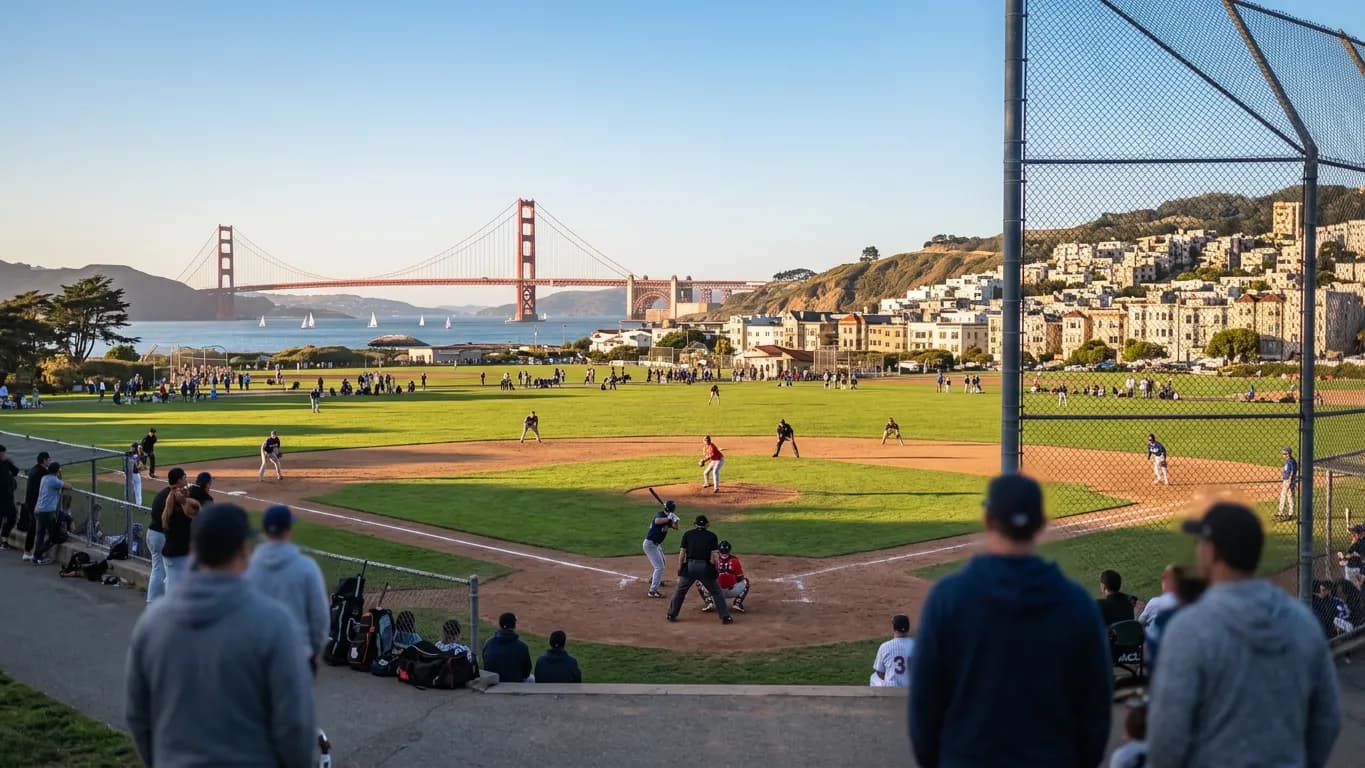
Golden Gate Park and the Richmond provide outdoor options with natural ventilation, but fog and wind can arrive without warning in late summer. A backup plan here means a nearby café or covered pavilion, not a cross-city pivot to SoMa.
The verification pass
Time-sensitive city guides age quickly. Verify operational details on the day you go, and distinguish an announced date from a confirmed reservation, ticket, seat, broadcast feed or medical recommendation. Screenshots and old social posts are useful clues, not guarantees.
- Check current CDC, California Department of Public Health, and San Francisco Department of Public Health guidance before acting.
- Use a fresh test according to its instructions when symptoms or exposure make it relevant.
- Improve ventilation or move a gathering outdoors when practical.
- Carry a well-fitting mask for crowded indoor situations if it fits your risk plan.
- Contact a qualified clinician for personal medical advice, treatment eligibility or urgent symptoms.
Do not rely on a venue's website alone. Call to confirm hours, outdoor seating availability, current capacity limits, and whether reservations are required or merely suggested. A restaurant that accepted walk-ins in July may now require advance booking. A museum that offered timed entry last month may have returned to open admission.
Build the plan in three chapters
Chapter one is arrival. Decide when the group should actually meet, not merely when the event begins. Give the earliest person a useful task such as checking the room, confirming the table or finding the correct entrance. That turns waiting into information for everyone else.
If you are meeting at a café in the Castro at 3 p.m., the first arrival can text whether the outdoor tables are full, whether the indoor space feels crowded, or whether the line is out the door. That single message lets the rest of the group activate the backup without confusion or negotiation.
Chapter two is the main experience. Protect it from avoidable friction by agreeing on one communication channel and one decision-maker for last-minute changes. If everyone independently calls venues, checks maps and forwards updates, the group gets noisier while the information gets worse.
Chapter three is the exit. Decide whether the group wants food, a walk, a second venue or a clean trip home. In San Francisco, the post-event move often determines whether the day feels complete or exhausting. A short next step is usually better than an ambitious cross-city detour.
If your primary plan is a Saturday afternoon at the de Young Museum, the exit might be a walk through the park to a nearby tea shop in the Inner Sunset, not a dinner reservation in North Beach that requires driving or a forty-minute transit trip during weekend service gaps.
Comfort can matter more than spectacle; certainty can matter more than novelty; and a ten-minute walk can be more valuable than another five-star listing across town.
What this angle changes
A guide for people who want the experience without maximum noise should not pretend that every reader wants the loudest, cheapest or most famous option. It should make the tradeoffs visible.
A reserved table at a quiet restaurant with good airflow may serve your group better than a no-reservation spot with a two-hour wait and unclear ventilation. A museum visit on a Thursday morning may offer more space and less stress than a weekend afternoon, even if it requires taking a half day off work.
Transit decisions matter. BART offers speed and frequency on core routes, but crowding varies by line and time of day. Muni provides neighborhood access, but weekend schedules and delays can add unpredictability. A ride-share or bike-share trip may cost more but reduce exposure time and schedule risk.
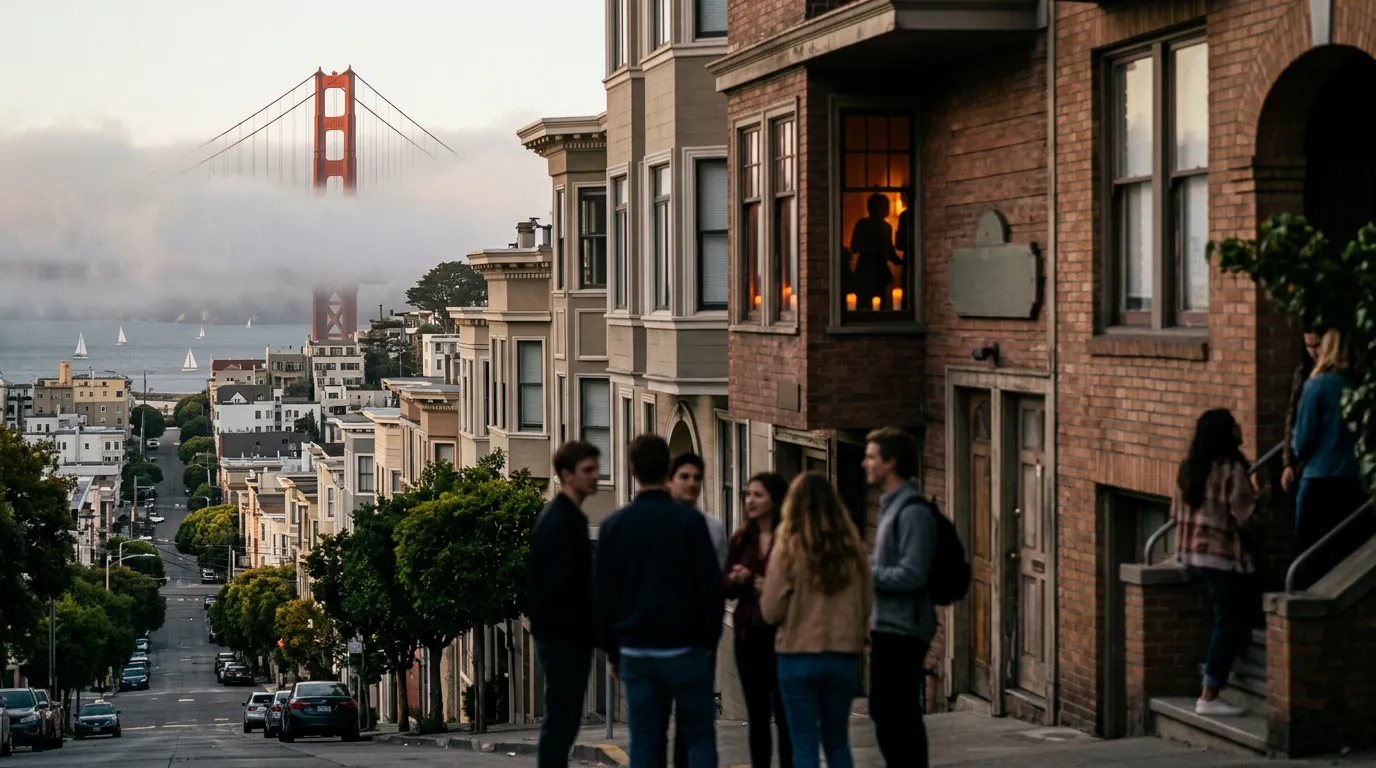
Weather matters. Late-summer fog in San Francisco is not a minor inconvenience; it changes temperature by fifteen degrees and turns an outdoor plan into a cold wait. Check the hourly forecast for your specific neighborhood, and bring layers even if the morning was sunny.
What to save, what to skip
Save the primary choice, the backup, the arrival time and the one detail that must be reconfirmed. Then stop researching. The goal is not to prove that you found every possible option. The goal is to make it easy to say yes, show up, and enjoy late-summer outings in San Francisco.
Write down the name and address of your primary venue, the name and address of your backup, the time the first person should arrive, and the single question that must be answered on the day—such as whether outdoor seating is available, whether the event is still happening, or whether the group needs tickets in advance.
Do not save ten browser tabs. Do not forward every review. Do not create a shared document with ranked options. Those tools add coordination cost without adding clarity.
Checklist
- Pick one neighborhood based on group energy and transit access.
- Choose one primary venue and one nearby backup.
- Verify hours, reservation requirements, and outdoor seating on the day you go.
- Set an arrival time that accounts for the first person's recon task.
- Agree on one communication channel and one decision-maker.
- Plan a short post-event step or a clean exit home.
- Check current public health guidance and personal risk factors.
- Carry a mask, bring layers, and confirm the backup is genuinely acceptable.
Tags: #san-francisco #late-summer #covid-planning #low-key #city-guide #neighborhood-logic #verification #backup-plan #karpo
Sources consulted: CDC COVID-19 Guidance · California Department of Public Health · San Francisco Department of Public Health
All trademarks are the property of their respective owners.