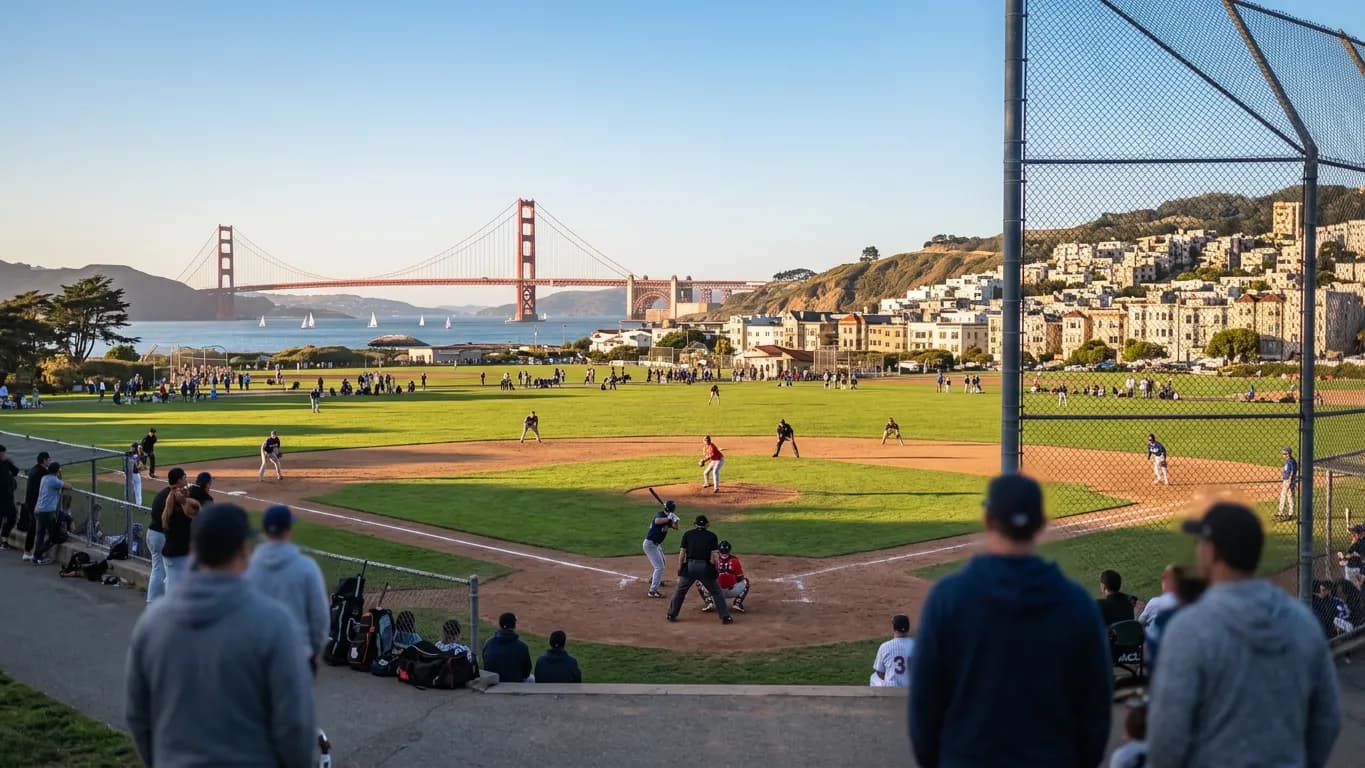
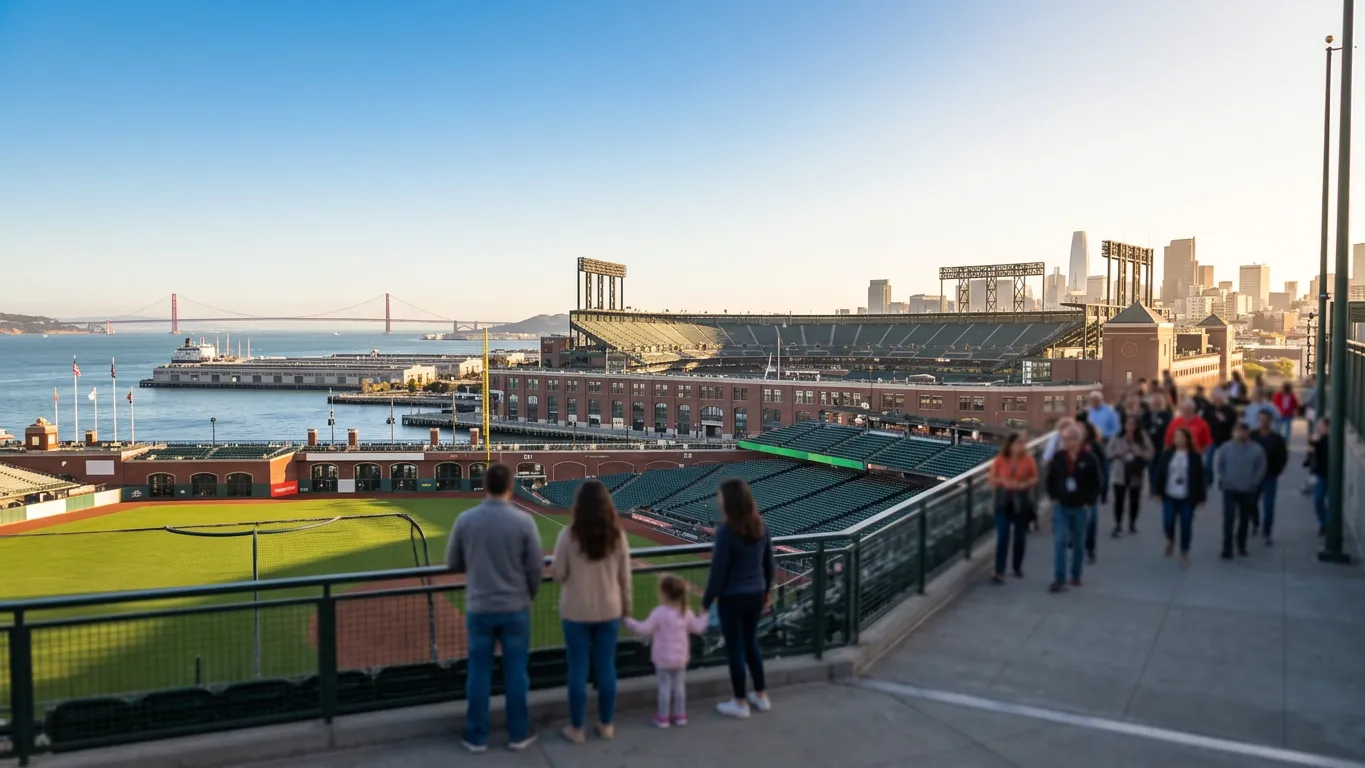
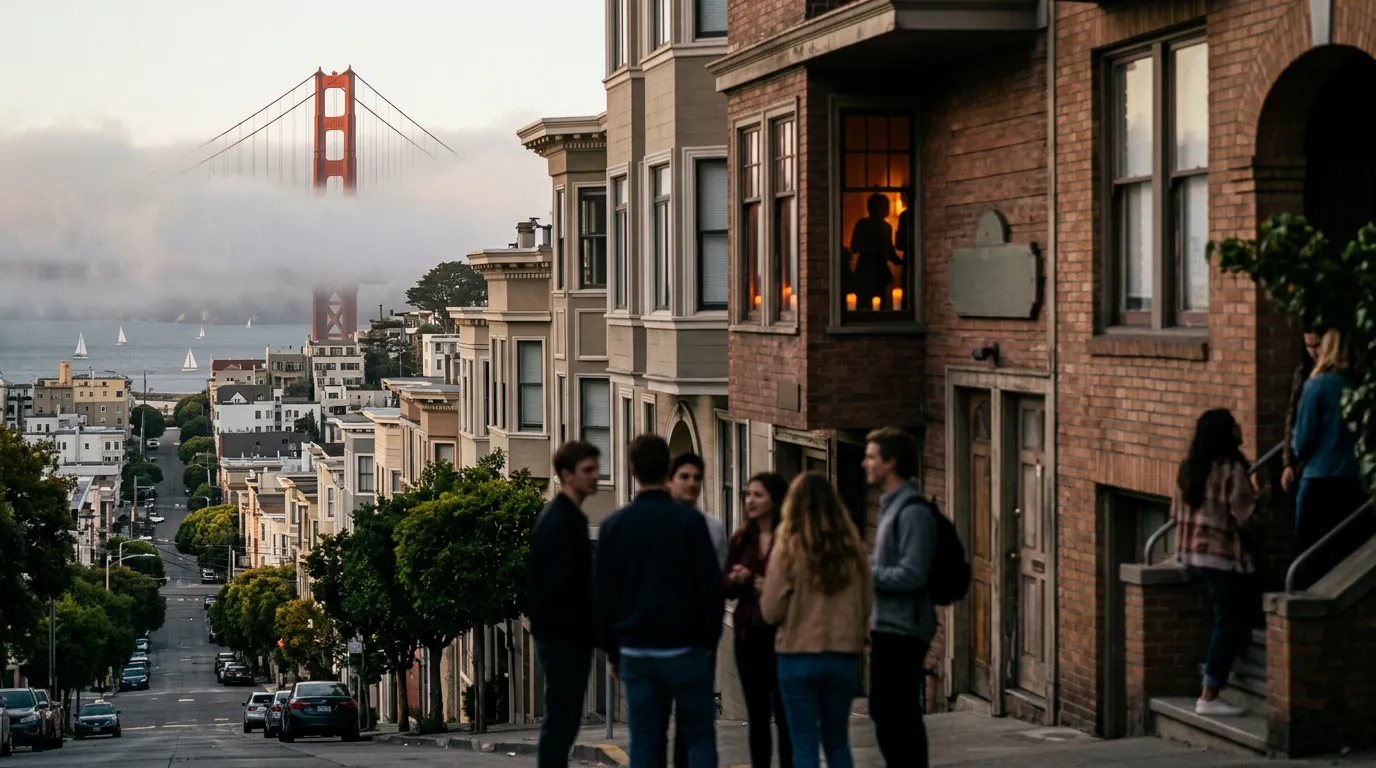
This guide is built for a group chat trying to agree on one plan. Choose the meeting point before debating the details. The headline may be timely, but the useful part is a plan that still works when a venue changes hours, a schedule moves, or the group chat wakes up late.
Text Karpo what matters most—timing, budget, neighborhood, noise level or accessibility—and use the reply to narrow the city to a small number of workable choices.

National surveillance reported broad growth in infections in August, with wastewater and lineage monitoring drawing renewed attention. Conditions can change quickly, so the durable value is a decision framework for tests, indoor events, transit and conversations with a clinician rather than a fixed claim about today's neighborhood risk.
Start with the meeting point, not the menu
San Francisco residents regularly move between crowded transit, offices, restaurants, concerts and foggy outdoor spaces in the same day. A useful city guide should help readers adjust plans without turning every invitation into a crisis or treating public-health guidance as static.
For a group chat trying to agree on one plan, the highest-value decision is usually the first one: where the plan begins. Once that is fixed, arrival time, food, transportation and the backup become much easier to coordinate. The opposite approach—collecting a long list before choosing a neighborhood—creates options without creating a plan.
Use a two-option rule. Pick one primary choice that best matches the group's energy and one backup that solves the most likely failure mode. The backup should be close enough to use without restarting the day. It should also be genuinely acceptable, because a theoretical backup rarely survives real traffic, weather or a full room.
Neighborhood logic for late-summer plans
Mission District offers dense restaurant options, outdoor parklets and easy BART access, making it a strong primary choice for groups arriving from different parts of the city. The backup can be another spot on Valencia or 24th Street within a ten-minute walk. Verify outdoor seating availability and current hours on the day you go.
Hayes Valley works well for groups that want a quieter start before moving to a louder venue. The neighborhood is compact, so a backup café or wine bar is usually visible from the primary choice. Check whether outdoor tables are first-come or reservable, and confirm closing times if your plan extends past dinner.
Golden Gate Park and the surrounding neighborhoods provide outdoor space with built-in ventilation. A primary choice might be a picnic near the Music Concourse or the meadows west of Stow Lake, with a backup café on Irving or Judah if weather turns. Bring layers for fog, and verify any scheduled events or closures that might affect parking or transit.
North Beach and the Embarcadero offer waterfront walks and indoor-outdoor restaurant options, but weekend crowds can make spontaneous seating difficult. Choose a primary spot with a reservation or early arrival time, and pick a backup that accepts walk-ins or has a bar where the group can wait. Verify whether outdoor heaters are available if your plan runs into evening fog.
The verification pass
Time-sensitive city guides age quickly. Verify operational details on the day you go, and distinguish an announced date from a confirmed reservation, ticket, seat or medical recommendation. Screenshots and old social posts are useful clues, not guarantees.
- Check current CDC, California and San Francisco Department of Public Health guidance before acting.
- Use a fresh test according to its instructions when symptoms or exposure make it relevant.
- Improve ventilation or move a gathering outdoors when practical.
- Carry a well-fitting mask for crowded indoor situations if it fits your risk plan.
- Contact a qualified clinician for personal medical advice, treatment eligibility or urgent symptoms.
- Confirm venue hours, outdoor seating status and reservation policies on the day of your plan.
- Check Muni alerts and BART advisories if your group relies on transit.
- Verify that your backup choice is actually open and has capacity before leaving the primary location.
Build the plan in three chapters
Chapter one is arrival. Decide when the group should actually meet, not merely when the event begins. Give the earliest person a useful task such as checking the room, confirming the table or finding the correct entrance. That turns waiting into information for everyone else. In San Francisco, add fifteen minutes for Muni delays and thirty minutes if anyone is driving from the East Bay during commute hours.
Chapter two is the main experience. Protect it from avoidable friction by agreeing on one communication channel and one decision-maker for last-minute changes. If everyone independently calls venues, checks maps and forwards updates, the group gets noisier while the information gets worse. The decision-maker should have the backup address saved and ready to share if the primary choice falls through.
Chapter three is the exit. Decide whether the group wants food, a walk, a second venue or a clean trip home. In San Francisco, the post-event move often determines whether the day feels complete or exhausting. A short next step is usually better than an ambitious cross-city detour. If the group splits on next steps, agree on the split before leaving the main venue rather than debating it on the sidewalk.
What this angle changes
A guide for a group chat trying to agree on one plan should not pretend that every reader wants the loudest, cheapest or most famous option. It should make the tradeoffs visible. Comfort can matter more than spectacle; certainty can matter more than novelty; and a ten-minute walk can be more valuable than another five-star listing across town.
Timing matters more in late summer than in spring. August and September bring microclimates into sharp relief: the Mission can be warm while the Sunset is socked in with fog. An outdoor plan that works at two p.m. may require jackets and heaters by six p.m. Build arrival time around the experience you want, not just the reservation slot you found.
Transit and parking tradeoffs shift depending on neighborhood. BART makes the Mission and downtown accessible for groups coming from the East Bay, but the Sunset and Richmond require Muni or driving. If the group includes people with different transit options, choose a neighborhood that works for the majority and coordinate rideshares for the rest. Do not assume everyone can easily reach every part of the city.
Choose the meeting point before debating the details. Once that is fixed, arrival time, food, transportation and the backup become much easier to coordinate.
What to save, what to skip
Save the primary choice, the backup, the arrival time and the one detail that must be reconfirmed. Then stop researching. The goal is not to prove that you found every possible option. The goal is to make it easy to say yes, show up, and enjoy a late-summer outing in San Francisco.
Skip the long list of alternatives. If the group cannot agree on a primary and a backup, the problem is not a lack of options. It is a lack of clarity about what the group actually wants. Use the first ten minutes of the group chat to surface priorities—timing, budget, noise level, accessibility—and then choose based on those, not on exhaustive research.
Skip the perfect plan. Conditions change, venues close, people run late, and fog rolls in. A good plan is one that the group can execute without constant renegotiation. A perfect plan that requires everything to go right is not a plan; it is a wish.

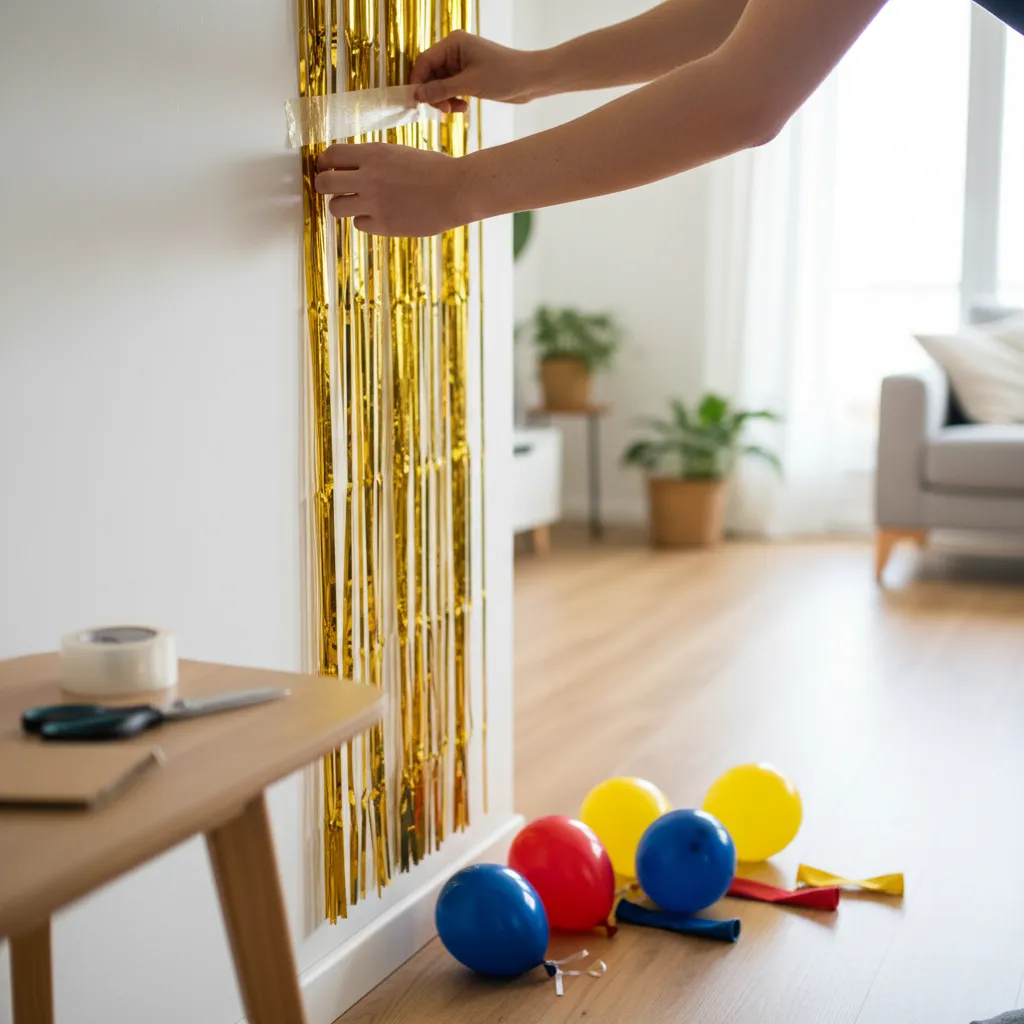
Checklist for group plans
- Choose a primary meeting point and a nearby backup.
- Set an arrival time that accounts for transit delays and gives the first person a useful task.
- Verify venue hours, outdoor seating and reservation status on the day you go.
- Agree on one communication channel and one decision-maker for last-minute changes.
- Decide on the exit plan—food, walk, second venue or clean trip home—before leaving the main event.
- Check current public health guidance and have a plan for tests, masks and ventilation that fits your group's risk tolerance.
- Save the backup address and share it with the group before anyone leaves home.
Tags: #san-francisco #late-summer-plans #group-outings #covid-planning #neighborhood-guide #karpo
Sources consulted: San Francisco Department of Public Health · California Department of Public Health · Centers for Disease Control and Prevention · San Francisco Municipal Transportation Agency
All trademarks are the property of their respective owners.