 Bernal Heights Pottery Glaze Supply Browsing Route: Walk
Hidden Gems & Odd Finds
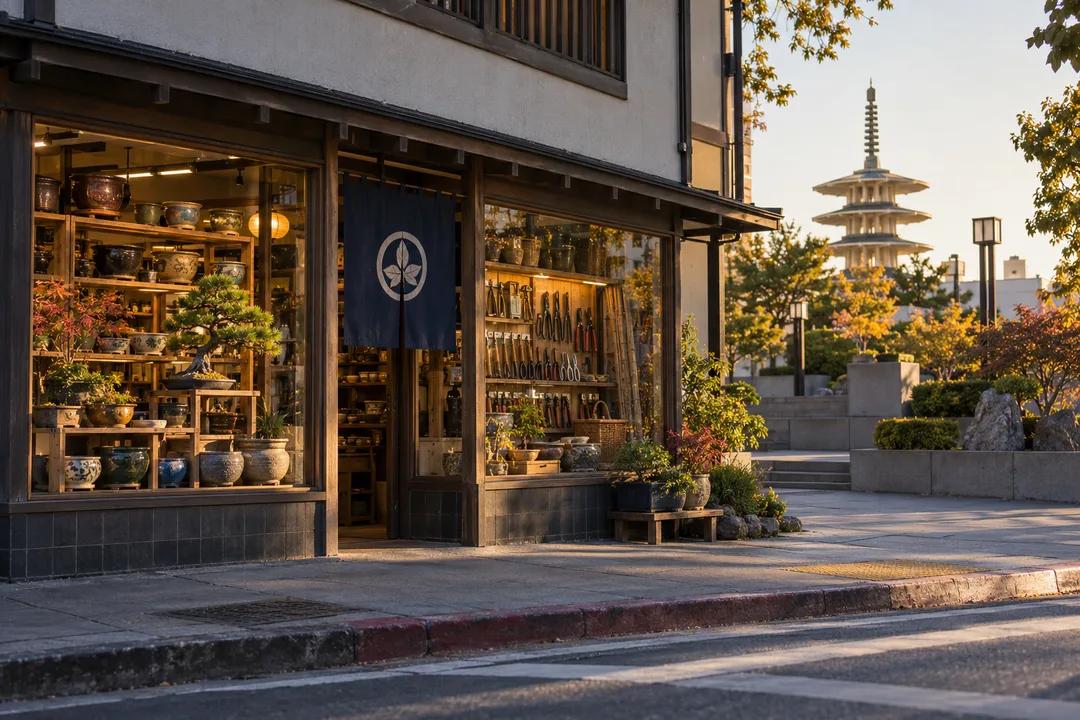
Soko Hardware Japantown Kitchenware Store: Donabe Since 1925
Soko Hardware at 1698 Post Street in Japantown is open Tuesday to Sunday and closed on Mondays. The family has run it since 1925, with donabe and whetstones.
Soko Hardware is a Japantown hardware store where the kitchen aisle is the reason most cooks walk in. The shop at 1698 Post Street has been run by the Ashizawa family since 1925, and it is open Tuesday through Saturday from 9 am to 5:30 pm and Sunday from 10 am to 5:30 pm, closed Mondays. Shelves hold clay donabe pots, steamers, cast ironware, Japanese knives and whetstones beside saws, chisels and bonsai tools.
A Century On Post Street
Masayasu and Naka Ashizawa opened the store in 1925 on Post Street, a few doors from today's address. They named it Soko, which the family explains means mulberry harbor and later became a Japanese term for San Francisco. Their son and daughter-in-law, Masao and Agnes, took over next, then grandson Philip and his wife Eunice, who manage the store today. David and Lauren Ashizawa and their cousin Aaron Katekaru make up the fourth generation behind the counter.
The family's own history notes one long interruption: during World War II the Ashizawas were sent to the Topaz incarceration camp in Utah, and the store did not operate. Apart from that, it has opened every day except Sundays for most of its life, although Sunday hours are now part of the schedule. The city lists Soko Hardware on its Legacy Business Registry, and its centennial celebration drew the mayor and the Consul General of Japan, with September 27 proclaimed Soko Hardware Day.
The Kitchen Shelves Worth Studying
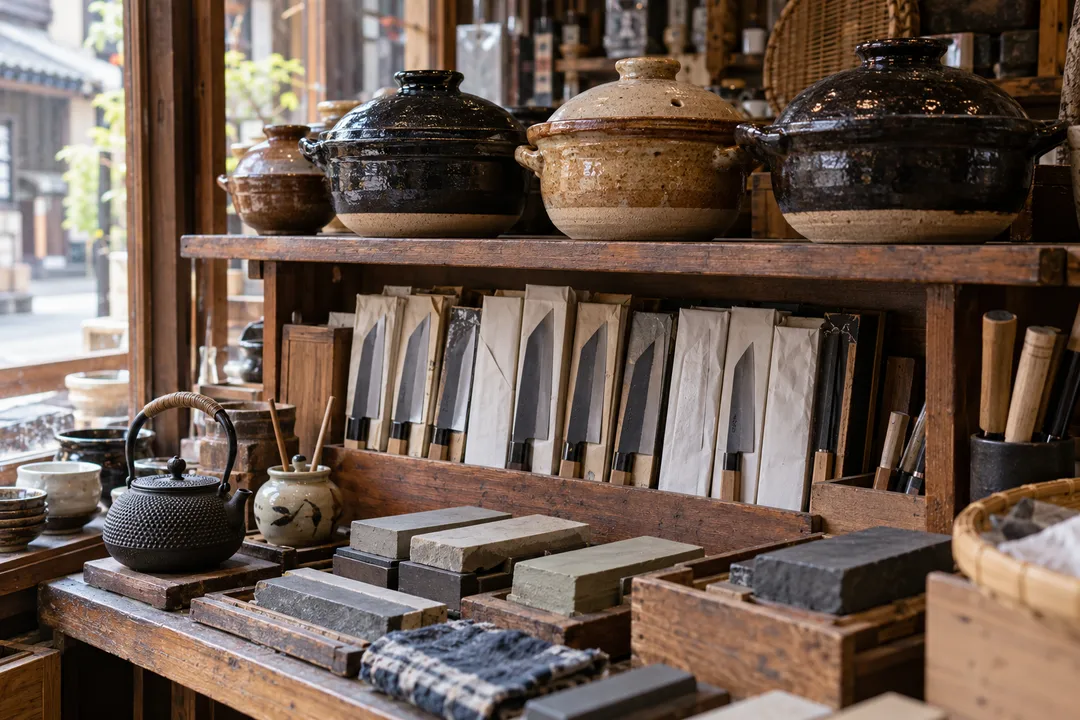
The cookware section is organized the way a Japanese home kitchen is. You will find donabe, the glazed clay pots used for hot pot and rice, plus bamboo and metal steamers, cast iron kettles and pans, sushi-making tools and mortar-and-pestle sets for grinding sesame. The specialty gadget shelf is where smaller finds hide, and it rewards a slow look.
Knives and whetstones are the other big draw. The store's own list of signature items includes yanagi-ba, the long single-bevel knife used for slicing raw fish, and Japanese whetstones for keeping that edge. Pair a knife with a stone rather than buying one alone, since a single-bevel blade needs regular honing to stay useful. If you already own Japanese knives, the whetstone shelf alone justifies the trip.
Tableware, Sake Sets And Gifts
Beyond the stove, Soko stocks the pieces that finish a Japanese table. The dishware section lists rice bowls, noodle bowls, soup bowls, soba sets, sushi and sashimi plates, bowls with lids and chawanmushi cups, along with chopsticks, chopstick rests, soy sauce bottles and soy dishes. The sake shelf has bottles, cups and full sets, and the tea section carries teapots, teacups, canisters, kettles and tea ceremony bowls.
Gift shoppers head for the lacquer trays, jubako stacking boxes, bento boxes, puzzle boxes and porcelain from Arita and Mashiko. Textiles include furoshiki wrapping cloths and noren doorway curtains, and the home section stocks kenzan flower frogs and hasami flower scissors for ikebana. A furoshiki wrapped around a donabe makes a gift that needs no extra paper.
The Hardware Side Of The Store
Do not overlook the half of the shop that is still a working hardware store. Woodworkers come for Japanese pull saws, nomi chisels, hammers, planes and hatchets, plus handles, frames and tansu hardware for restoring Japanese chests. The gardening corner carries bonsai tools, sickles, hoes, rakes, pots and bamboo water fountains. The family also lists butsudan, the Buddhist home shrines, and shoji paper among its specialties, which few other San Francisco stores stock.
Shopping Tips And An Honest Note
Soko's website exists to show inventory, and the store says plainly that not everything in the shop appears online, so treat the site as a preview rather than a shopping cart. Prices are not listed there, which means the visit itself is how you compare options.
Our honest take: do not come on a Monday, because the store is closed, and skip the long holiday weekends too. The store's 2026 holiday list still ahead includes Thanksgiving on November 26 and Christmas. Weekends draw the most visitors to Japantown as a whole, so a Tuesday or Wednesday at the 9 am opening is the easiest moment to ask detailed questions about clay pots or blade angles.
How To Pick A Donabe
If donabe are new to you, start by choosing the job. A shallow, wide pot suits hot pot dishes cooked at the table on a portable burner, while a taller pot with a heavy double lid is made for rice. Glazed clay needs care: let a new pot dry completely, avoid heating it empty, and never move it from flame straight onto a cold counter. Many cooks season a new donabe by simmering rice porridge in it before the first meal.
Bring the size of your burner or stovetop in mind when you shop, and lift the pot to feel the weight before buying, since a full donabe gets heavy. If you plan to serve at the table, pick up matching ceramic ladles and small bowls on the same visit, because the shop's tableware sits only a few steps from the cookware aisle.
A Japantown Loop From The Shop
Soko sits on the north side of Post Street, facing the Japan Center malls across the road. Cross over to Peace Plaza, where the five-tier Peace Pagoda rises above the courtyard, then walk through the malls toward Kinokuniya for Japanese cookbooks and stationery. If you came for a donabe, a cookbook on hot pot is the natural next stop.
From the plaza, walk north to Buchanan Street's pedestrian mall, where two origami-inspired fountains by sculptor Ruth Asawa anchor the block. The 38 Geary bus stops along Geary Boulevard just south of the malls, and the 22 Fillmore runs a few blocks west, which makes Japantown an easy stop between downtown and the Western Addition.
Practical Notes
Address: 1698 Post Street, San Francisco, CA 94115, at Buchanan Street in Japantown. Hours: Tuesday to Saturday 9 am to 5:30 pm, Sunday 10 am to 5:30 pm, closed Mondays. Email: info@sokohardware.com. Holiday closures in 2026 include Thanksgiving on November 26 and Christmas. Prices are not published online, so plan to compare items in person.
Ask Karpo for more information.
Keep reading
- Bernal Heights Pottery Glaze Supply Browsing Route: Walk
 Potrero Hill Pottery Glaze Supply Browsing Route: Walk
 Mission Pottery Glaze Supply Browsing Route: Studio Walk