The battery rules you learned for domestic flights are the beginning of the story, not the end of it. Fly out of SFO's international terminal and your gear crosses into other regimes mid-trip: a foreign carrier's cabin policy on the outbound, another country's security theater on the return, sometimes a third airline's rules on a connecting leg. In 2026 — a year when battery incidents pushed carriers worldwide to tighten up, with several major Asian airlines moving first and furthest — the international traveler's battery homework has genuinely grown. Here is the shape of it.
Karpo can check the battery rules for every airline on your itinerary — outbound, connection and return — before you pack. Text Karpo your route and get the strictest common denominator in one answer.

The floor is global, the fences are not
The baseline travels well: international aviation standards mirror the familiar US framework — spare batteries and power banks cabin-only, roughly 100 Wh unrestricted, 100–160 Wh with airline approval, beyond that cargo-only. That harmony is why your legal carry-on doesn't become contraband mid-ocean. What varies — increasingly — is what airlines let you do with batteries in the air and where they must sit. Through 2026, a wave of carriers, prominently in Asia, moved to bar charging devices from power banks in flight, prohibit power banks in overhead bins, or require spares kept on your person. The same power bank can be a bedside companion on one airline and a keep-it-visible item on the next.
The practical consequence: on international itineraries, the airline's policy matters more than the country's. Two carriers flying the identical SFO route can run different rules, and codeshares follow the operating airline's policy — the one painted on the plane, not the one on your ticket.

Where SFO flyers get caught
The classic traps have a pattern. The connecting-flight trap: your gear clears the long-haul leg, then a regional carrier on the final hop runs stricter rules with smaller aircraft and less patience. The return-leg trap: security screening abroad may treat unlabeled power banks far less charitably than SFO did on the way out — worn-off capacity printing that got a shrug at home can mean confiscation elsewhere. And the duty-free trap: buying a power bank abroad, then discovering at the gate that the airline caps capacity or requires original retail packaging for new batteries. None of these are exotic; all of them are five-minute checks the night before each leg.
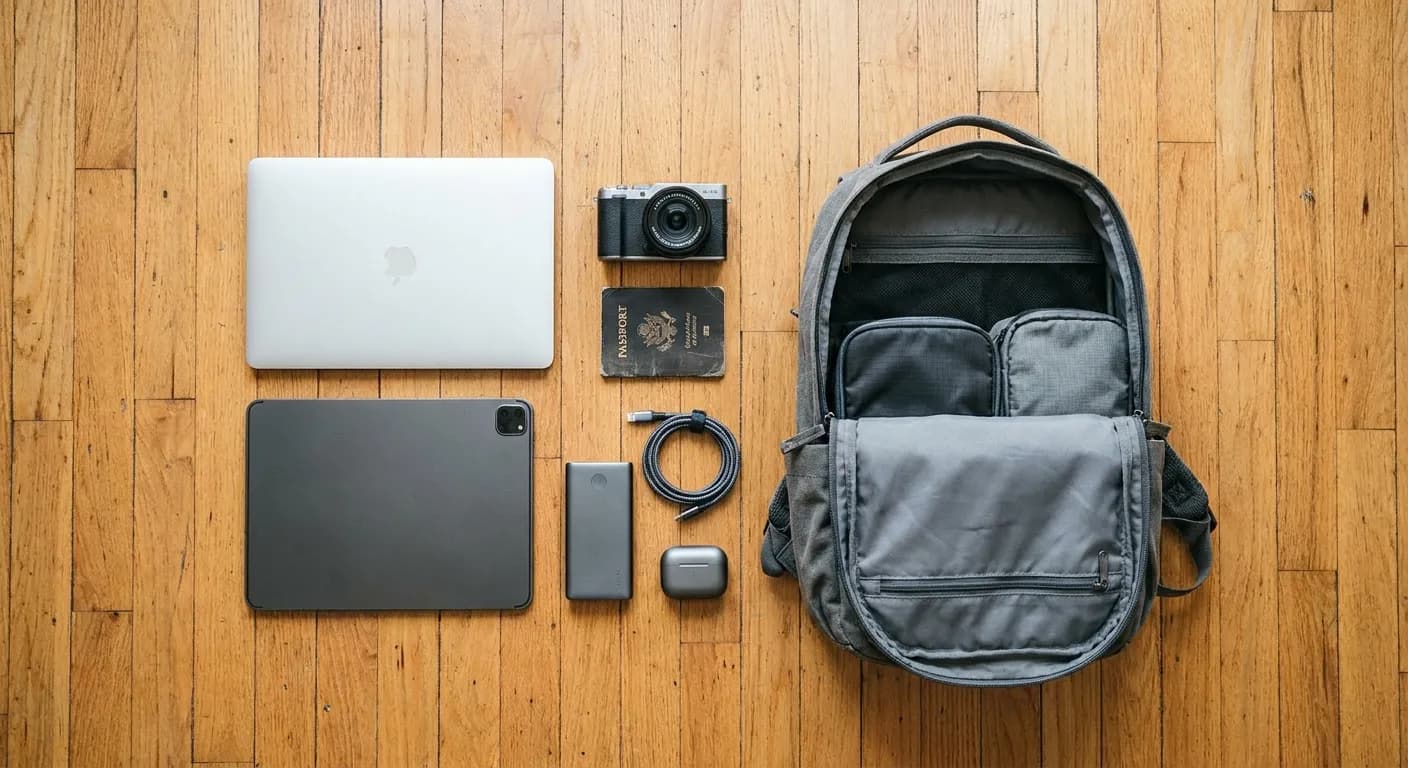
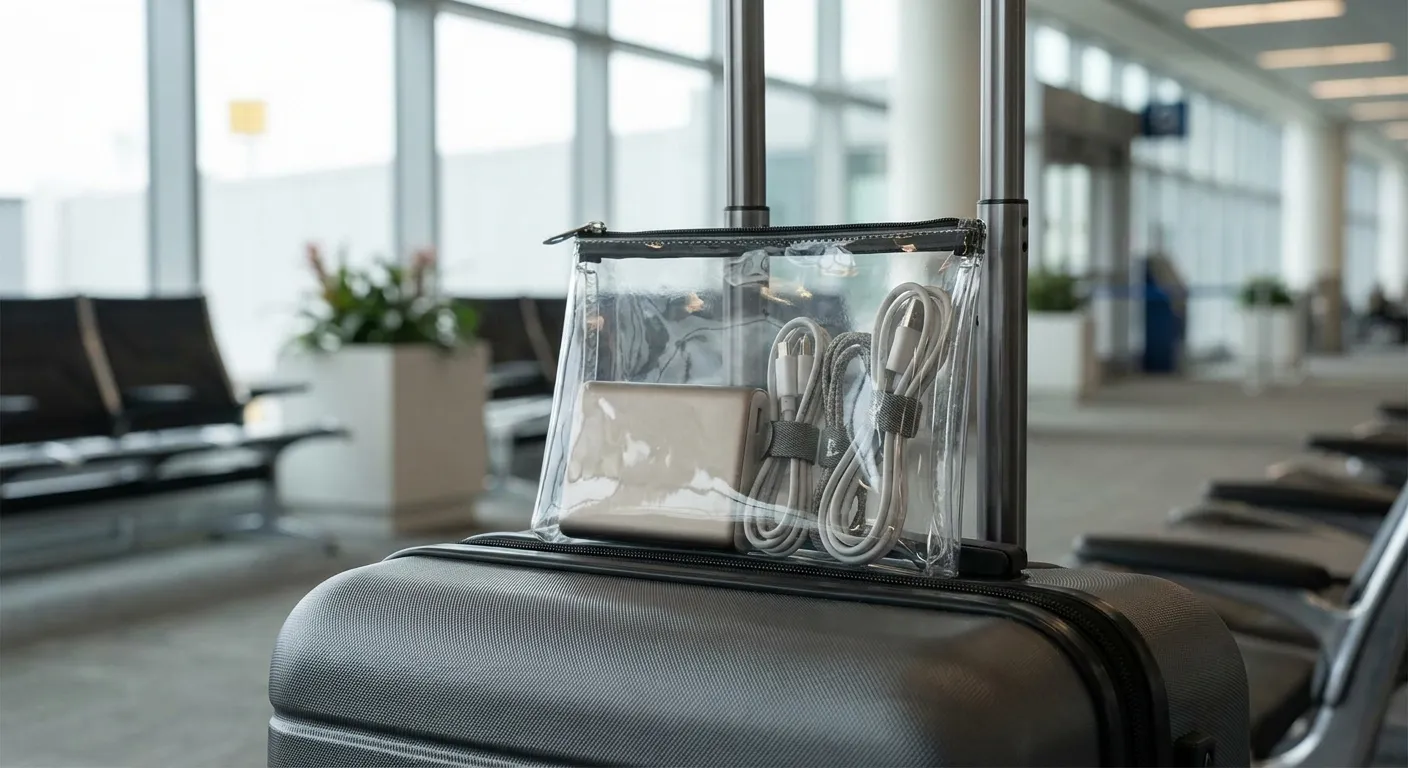
Frequent Asia-Pacific flyers out of SF have already adapted: batteries with big, legible Wh labels, spares in a dedicated clear pouch that comes out at every checkpoint, and everything charged at the gate so in-flight rules barely matter.
The pre-trip routine that covers everything
Three checks, in order. First, each operating airline's battery page — search the airline name plus "battery policy," and read the version dated this year, since many pages changed mid-2026. Second, your gear labels: every battery showing readable watt-hours under 100, terminals protected, nothing swollen or elderly. Third, the itinerary math: if any leg bans in-flight power-bank use, plan your charging like fuel stops — full devices at boarding, gate outlets at connections, and the power bank as reserve rather than primary. The routine takes less time than choosing a seat and eliminates essentially every battery-related way a trip goes sideways.
The direction things are heading
Expect more convergence toward the stricter end. Aviation safety culture is imitative — when major carriers tighten and nothing bad happens to their customer satisfaction, others follow — and 2026's incident count keeps the pressure on. For travelers, the durable strategy isn't memorizing any single airline's rules; it is packing to the strictest plausible standard: certified batteries, visible labels, cabin placement, gate charging. Do that, and every future rule change lands as trivia rather than turbulence.
Practical notes
International standards match the US baseline — spares cabin-only, 100 Wh threshold, 100–160 Wh with approval — but airline-specific use restrictions vary widely and tightened through 2026, especially among Asian carriers. Check every operating airline on the itinerary separately; codeshares follow the operator's rules. Unlabeled batteries risk confiscation at foreign checkpoints. Federal guidance: FAA PackSafe; international framework: IATA's lithium battery guidance; each airline's battery page has the operative fine print.
Tags: #karpo #sanfrancisco #sfo #internationaltravel #batteryrules #powerbank #longhaul #travelsafety #asia #travel2026
Sources consulted: faa.gov · iata.org · flysfo.com
All trademarks are the property of their respective owners.
Ask Karpo first
Routing SFO to Tokyo with a connection? Ask Karpo for every carrier's current battery rules in one pass, plus what to top up before boarding — long-hauls are better when the only surprise is the meal.