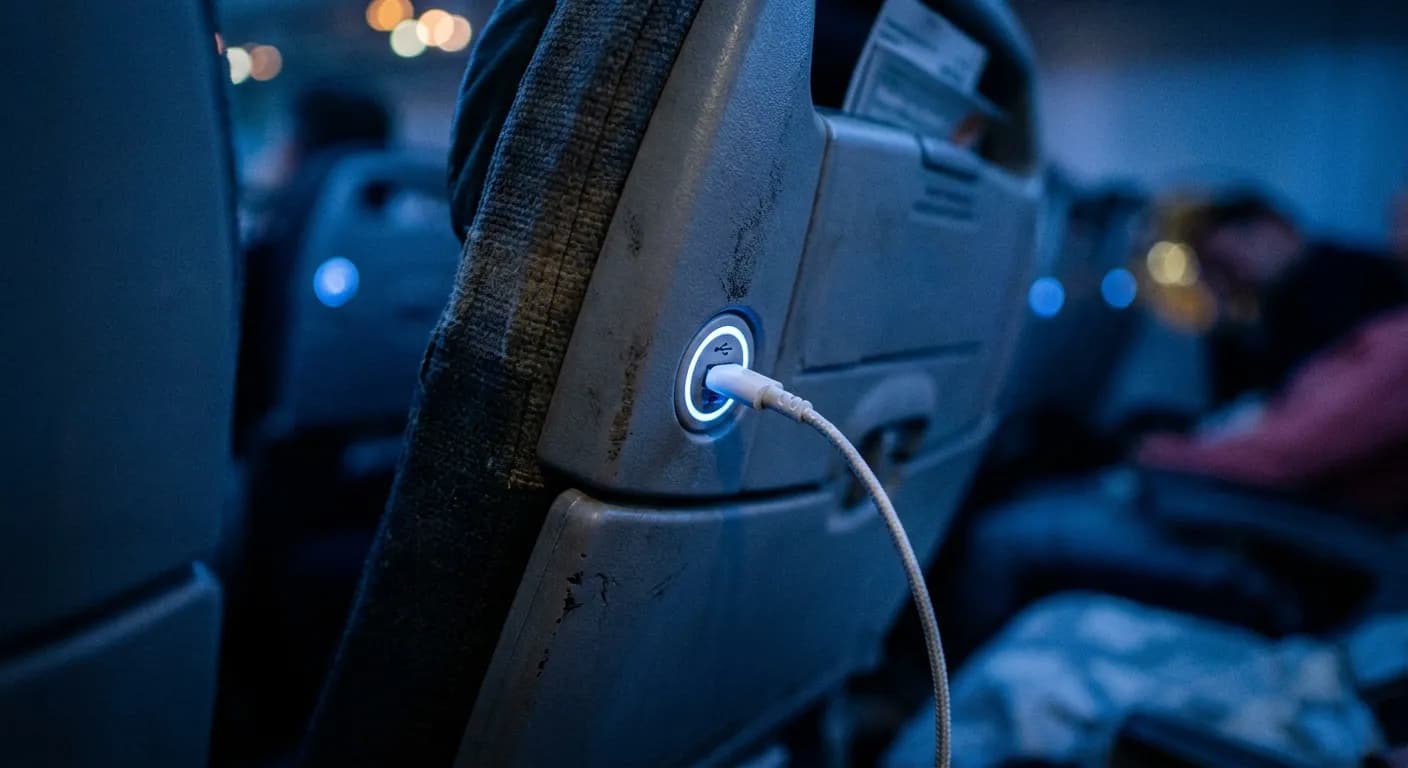
The quiet luxury of the modern flight — falling asleep somewhere over the Rockies while your phone drinks from a power bank in your lap — is getting an asterisk. Through 2026, a growing list of airlines has tightened the rules on using and charging power banks in the air, pushed by a year of well-publicized battery incidents: 58 on US passenger flights through August by the federal count, including the American Airlines laptop fire on August 21 that needed a thermal containment bag and left one passenger requiring medical attention. For travelers out of SFO — where everyone boards with a personal power grid — the etiquette of in-flight charging is turning into policy.
Karpo can check your airline's current power-bank and charging rules before any flight, so the first you hear of a restriction isn't the cabin announcement. Text Karpo your flight number and board informed.

What exactly is changing
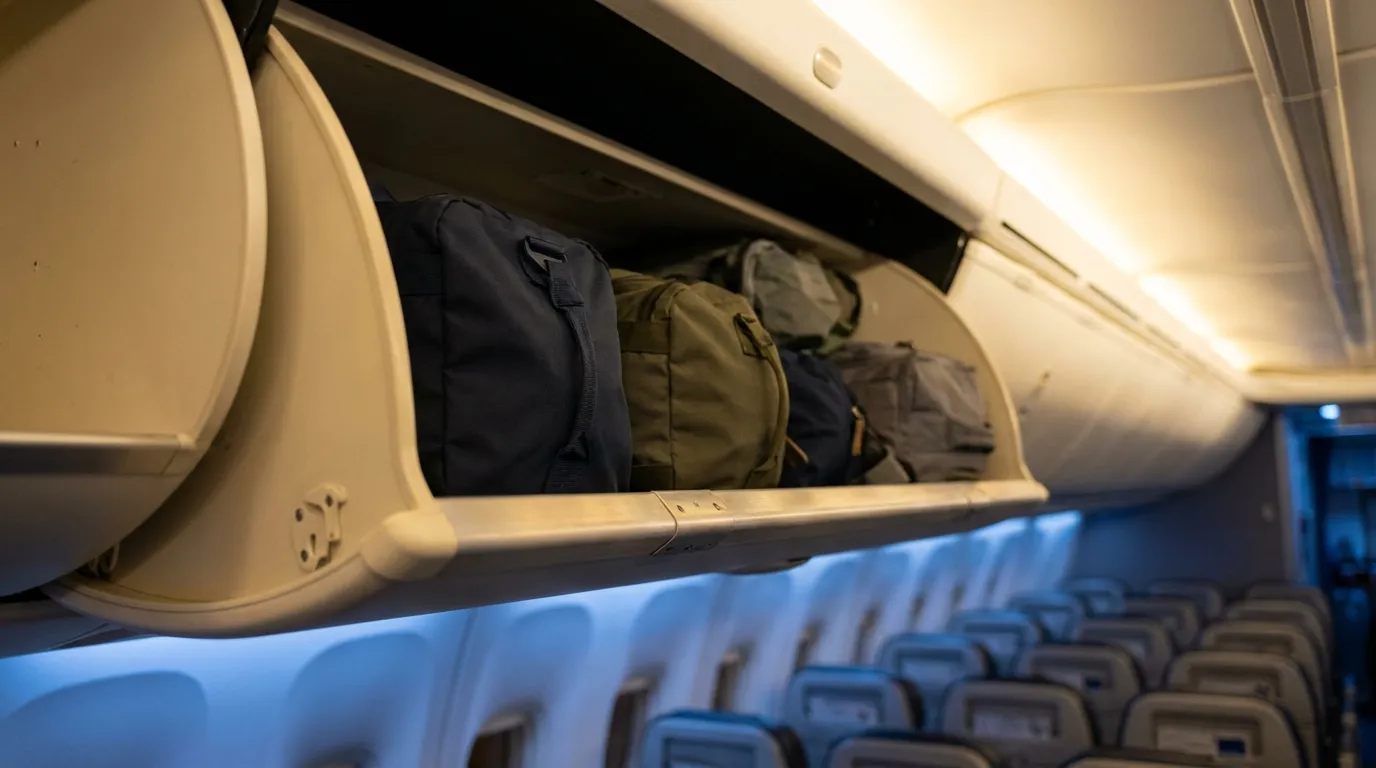
The shifts cluster into three patterns. Some carriers — with several major Asian airlines moving earliest and most publicly — now bar using power banks to charge devices during flight, full stop. Others restrict where the battery lives: no charging inside overhead bins, spares kept in the seat pocket or on your person, visible rather than buried in a bag above your head. A third group targets the seatback USB port daisy chain — charging a power bank from the aircraft's own power while it charges your phone. The common thread is visibility and access: airlines want any battery that might misbehave to be somewhere a human will notice within seconds, not smoldering in a closed bin over row 34.
US carriers have so far moved more cautiously than their Asian counterparts, and policies genuinely differ airline to airline — which is exactly the problem. The rule you flew under in March may not be the rule in September, and international itineraries out of SFO can cross three different policy regimes in one trip.
The logic behind the crackdown
None of this is theater. Battery incidents have a consistent anatomy: heat builds unnoticed, and the difference between a hissing device and a cabin fire is usually how fast someone reacts. A power bank charging in a lap gets noticed in seconds; the same power bank cooking inside a duffel in the overhead bin does not. Charging is also when batteries run warmest — a marginal cell is most likely to fail while taking on power. So the new rules aim at the two risk multipliers airlines can actually control: don't let batteries work hard where nobody can see them, and keep them reachable when seconds matter. The federal baseline hasn't moved — spares in the cabin, watt-hour limits intact — but airlines are building fences well inside it.
The new in-flight etiquette
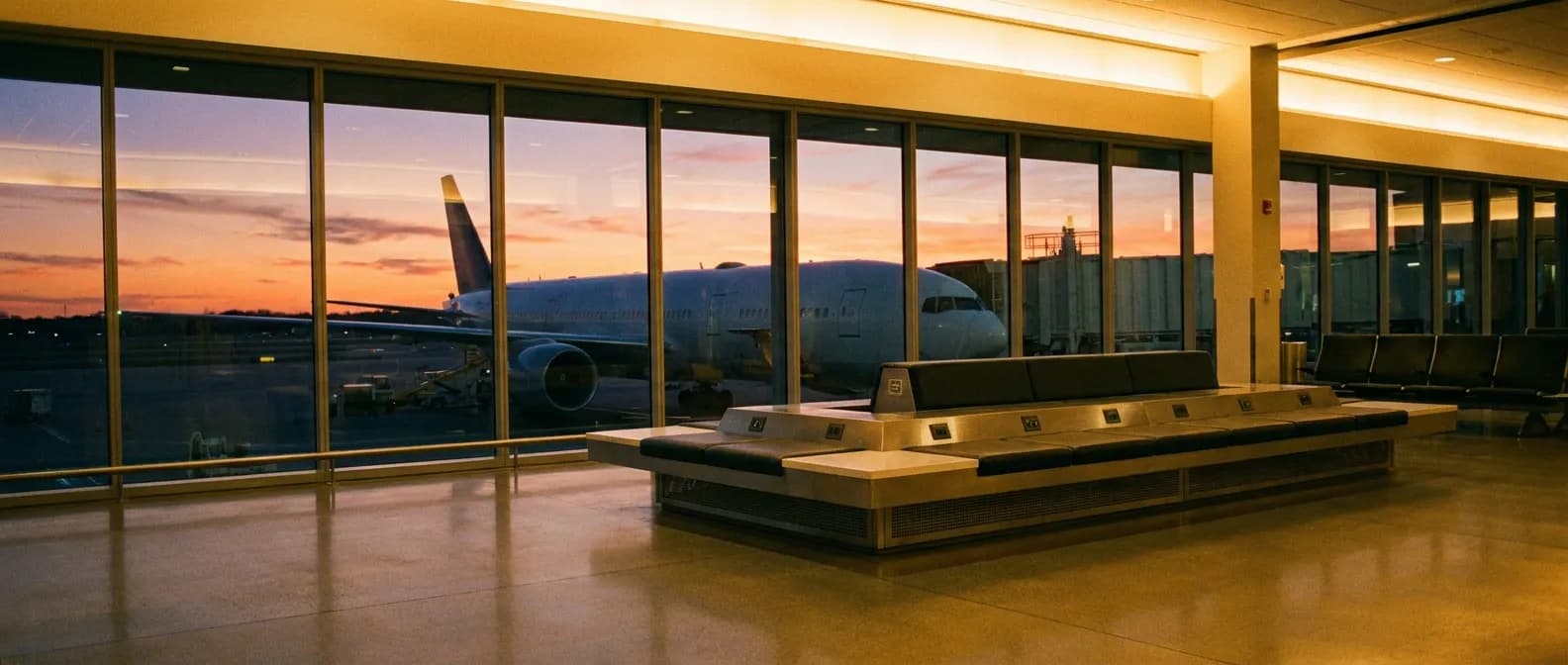
Practically, the well-adjusted 2026 flyer does this: charge from the seat, not the bin — power bank in the seatback pocket or on the tray, cable visible. Top up your devices at the gate instead, where SFO's outlets are plentiful, so the power bank becomes your backup rather than your primary. On carriers that ban power-bank use outright, the seatback USB or under-seat outlet is your only friend — worth knowing before a fourteen-hour leg, and worth a fully-charged everything at boarding. And whatever the airline, the universal move stands: if any device gets hot, tell the crew immediately rather than diagnosing it yourself at 36,000 feet.
Reading the room from SFO
The direction of travel is one-way: more restriction, not less, as long as the incident count keeps making headlines. That is not a reason for dread — it is a reason for the thirty-second pre-flight check. Your airline's battery policy lives on its website's baggage or dangerous-goods page and in the app; the FAA's PackSafe pages hold the federal floor. Skim both the night before an international departure and you will never be the passenger negotiating with a gate agent about a brick of lithium at 6 a.m.
Practical notes
Federal rules remain: power banks and spare batteries cabin-only; under 100 Wh unrestricted, 100–160 Wh with airline approval. Airline-specific additions in 2026 vary — some ban in-flight power-bank use or in-bin charging entirely; several Asian carriers are strictest, and policies keep changing, so verify your specific airline shortly before travel. Charge devices at the gate, keep spares visible in flight, and report any overheating device to crew instantly.
Tags: #karpo #sanfrancisco #sfo #inflightcharging #powerbank #airlinerules #travelsafety #lithiumbattery #travel2026
Sources consulted: faa.gov · aerotime.aero · flysfo.com
All trademarks are the property of their respective owners.
Ask Karpo first
Long-haul out of SFO next month? Ask Karpo what your airline currently allows in the air, where the good gate outlets are, and what to top up before boarding — the informed seat is the comfortable one.