 Bernal Heights Pottery Glaze Supply Browsing Route: Walk
Hidden Gems & Odd Finds
Chinatown Independent Zine Shop Finder: Grassroots Art Loop
Discover bilingual community zines and grassroots activist art near Portsmouth Square using our San Francisco independent zine shop finder walking guide.
San Francisco's historic Chinatown is the oldest Chinatown in North America, renowned for its resilient community organizations, rich diaspora cultural heritage, and vibrant grassroots artistic expression. In recent years, a dynamic movement of young Asian American artists, community historians, and independent printmakers has established meaningful publishing initiatives across the enclave. Utilizing an independent zine shop finder to explore Chinatown reveals a wealth of bilingual storytelling, risograph art prints, oral history pamphlets, and grassroots activist publications that celebrate family memory, immigrant labor struggles, and intergenerational solidarity.
Grassroots Diaspora Publishing Around Historic Alleys
Navigating the labyrinthine alleyways between Grant Avenue, Stockton Street, and Portsmouth Square brings explorers into direct contact with Chinatown's rich civic life. Beneath traditional red lantern strings and historic pagoda-roof balconies, independent cultural hubs, non-profit community galleries, and creative studio boutiques offer welcoming spaces for grassroots print distribution.
Unlike conventional commercial bookstores, print counters in Chinatown are deeply rooted in local activism and neighborhood preservation. Publications available here frequently emerge from community workshops where youth collaborate with neighborhood seniors, recording oral histories, documenting historic family-run businesses, and illustrating traditional culinary recipes passed down through generations.
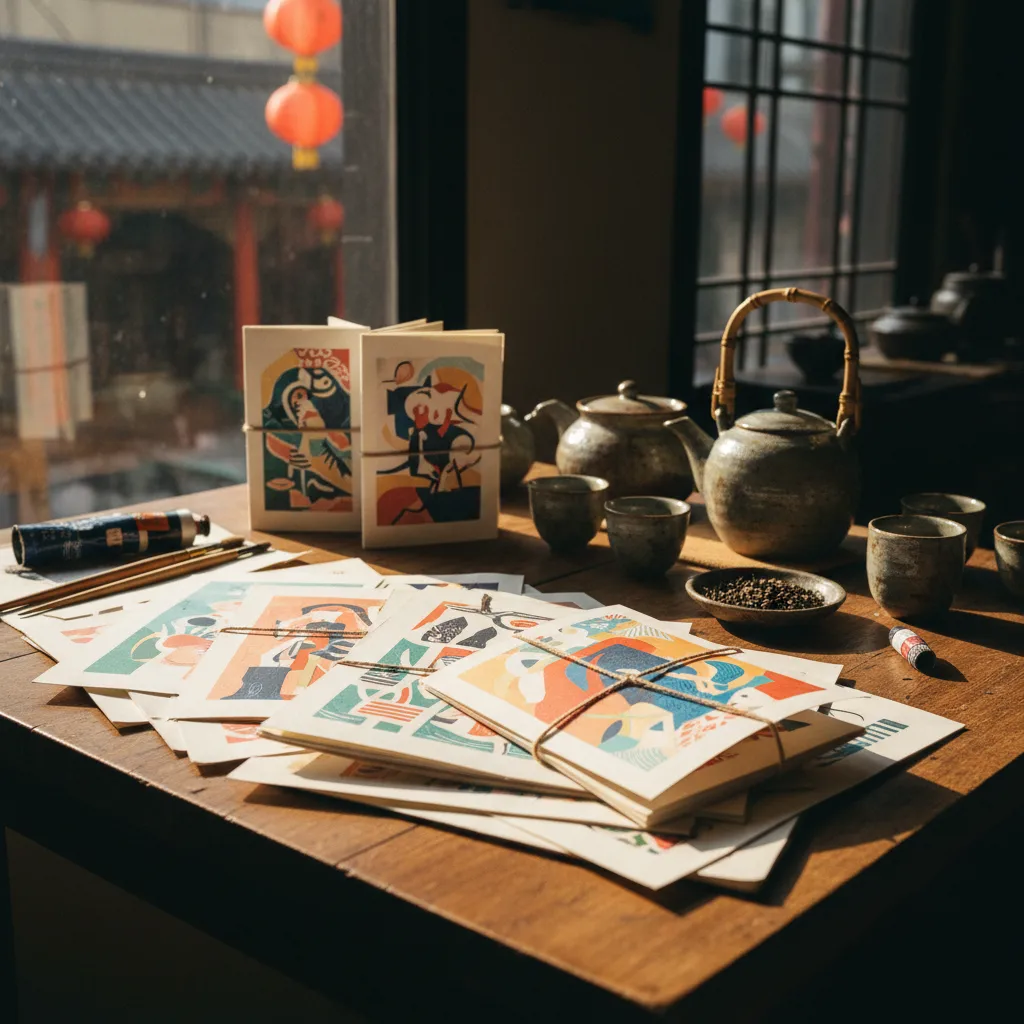
Entering these creative spaces reveals a warm, intentional atmosphere where books are treated as cultural bridges across generations. Handcrafted wooden counters display bilingual zines bound with delicate red thread, risograph art folios highlighting Chinatown's historic architecture, and graphic narratives examining immigrant labor rights, housing equality, and diaspora identity.
A defining hallmark of Chinatown zines is the seamless pairing of traditional visual arts with contemporary graphic design. Visitors will discover publications featuring classical Chinese brush calligraphy and woodblock print aesthetics intertwined with modern risograph ink textures, bilingual typography, and urban street photography.
Community bulletin boards within these hubs display announcements for upcoming risograph printing workshops, youth poetry readings, and oral history walking tours, underscoring the vital community-building mission that drives Chinatown's independent press movement.
Many of these self-published booklets are bilingual, featuring Cantonese, Mandarin, and English texts that bridge generational language divides. This dual-language format allows elders and younger generations to share reading experiences, reinforcing the communal warmth that characterizes Chinatown life.
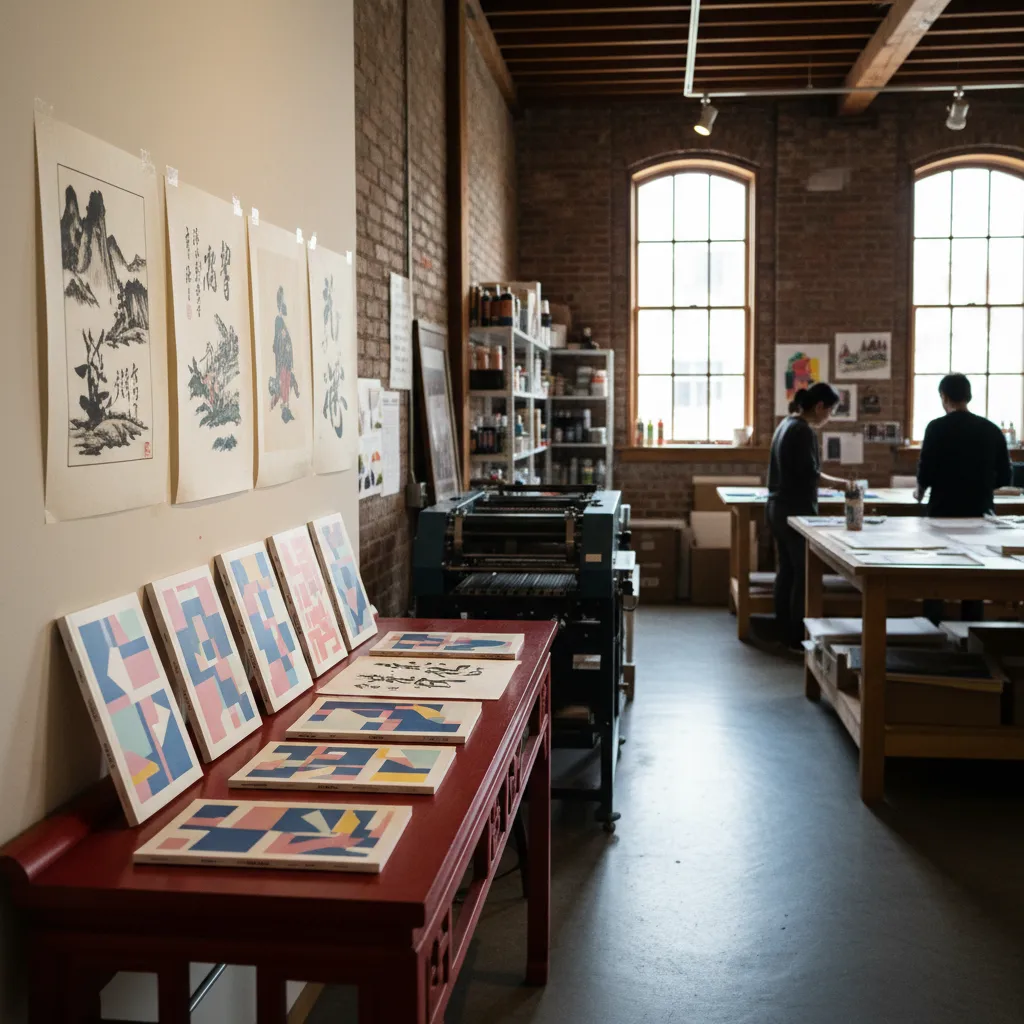
Independent print studios tucked inside historic association buildings often make their equipment available for community zine-making sessions. Inexpensive photocopying and risograph printing enable local youth to self-publish their own comics, memoirs, and activist flyers without financial barriers.
Chinatown's small-press counters also serve as gathering hubs for creative writing workshops and storytelling circles. Local residents and visitors alike are invited to contribute their own family anecdotes and reflections on immigration, helping assemble collective community anthologies that document the evolving living history of the quarter.
Visual Storytelling: Oral Histories and Risograph Prints
The publications found across Chinatown zine racks showcase exceptional narrative power and graphic ingenuity. Illustrated family memoirs explore immigration journeys across the Pacific, chronicling the trials of early arrivals at Angel Island, the resilience of garment workers, and the bustling life of neighborhood herbal medicine dispensaries.
Risograph prints produced by local collectives celebrate Chinatown's iconic landmarks, from the Dragon Gate on Bush Street to the lively card and chess players gathering daily in Portsmouth Square. These colorful prints offer accessible, affordable artworks that honor the district's everyday social fabric.
Culinary culture also serves as a beloved theme throughout local zines. Hand-drawn guides illustrating traditional dim sum etiquette, neighborhood bakery highlights, and family recipes for restorative herbal soups are lovingly compiled by community artists, celebrating the profound cultural significance of shared neighborhood meals.
Activist publications produced by grassroots advocacy groups address pressing contemporary challenges, such as neighborhood tenant rights, language access, and historic preservation in the face of rapid urban redevelopment. Purchasing these zines directly supports ongoing community organizing efforts within the historic quarter.
Folkloric zines reinterpreting traditional Cantonese myths, lunar calendar celebrations, and ghost stories through modern comic illustration also enjoy wide popularity among visitors. These imaginative booklets breathe contemporary vitality into ancient storytelling traditions.
Artisan postcards and folded mini-prints displayed alongside zines highlight historic storefront typography, hand-painted merchant signs, and ornate neon marquees, serving as charming graphic souvenirs of Chinatown's unique aesthetic landscape.
Screenprinted art broadsides celebrating the culinary traditions of Chinatown's dim sum tearooms, herbal apothecary shops, and family-owned produce markets decorate the walls of local printshops. These striking prints offer affordable, high-impact artworks that allow patrons to celebrate the neighborhood's vibrant street life in their own living spaces.
Community printmakers in Chinatown also collaborate with local youth organizations to produce hand-printed calendars and seasonal greeting cards. These accessible paper artworks showcase neighborhood architectural motifs such as classic balcony tiles, ornamental dragon reliefs, and historic neon alleyway signs.
Planning Your Chinatown Independent Arts Walking Route
A self-guided exploration of Chinatown's independent print and community arts destinations is ideally experienced on foot. Begin your walk at the Dragon Gate at Bush Street and Grant Avenue, walking north into the historic heart of the district and branching into scenic side alleys like Ross Alley and Waverly Place.
Late morning on weekdays or mid-afternoons provide an optimal visiting tempo, allowing ample time to browse small-press tables, converse with knowledgeable community volunteers, and observe the neighborhood's bustling civic energy without encountering large tour groups.
When handling hand-bound zines and limited-edition risograph folios, careful browsing etiquette is greatly appreciated. Clean hands and gentle page turning ensure that delicate paper bindings and hand-inked surfaces remain immaculate for all community patrons.
To seamlessly chart pedestrian routes between historic community plazas, independent art hubs, and nearby tea lounges, the Karpo APP provides reliable urban navigation. The digital platform helps visitors organize neighborhood walking lists, discover independent cultural venues, and explore San Francisco with ease and confidence.
Take time during your walk to observe the vibrant social interactions taking place across Portsmouth Square, often called Chinatown's living room. The lively chatter of chess matches and traditional musical rehearsals provides a rich acoustic accompaniment to your artistic journey.
Conclude your Chinatown arts excursion by finding a quiet bench overlooking Portsmouth Square or pausing at a neighborhood tea counter to read through your newly acquired publications. The bilingual verses, expressive illustrations, and poignant community memories preserved in Chinatown zines offer an unforgettable window into San Francisco's living history.
Ask Karpo for more information.
Keep reading
- Bernal Heights Pottery Glaze Supply Browsing Route: Walk
 Potrero Hill Pottery Glaze Supply Browsing Route: Walk
 Mission Pottery Glaze Supply Browsing Route: Studio Walk