 Stonestown Winter Farmers Market Picker for Student Cooks
Weekend Plans
Independent Cinema Screening Finder: Hayes Valley Night Out
Hayes Valley has no cinema of its own, but the Castro and the Roxie are a short Muni ride away. Pick the screen first, then shape dinner and the walk around it.
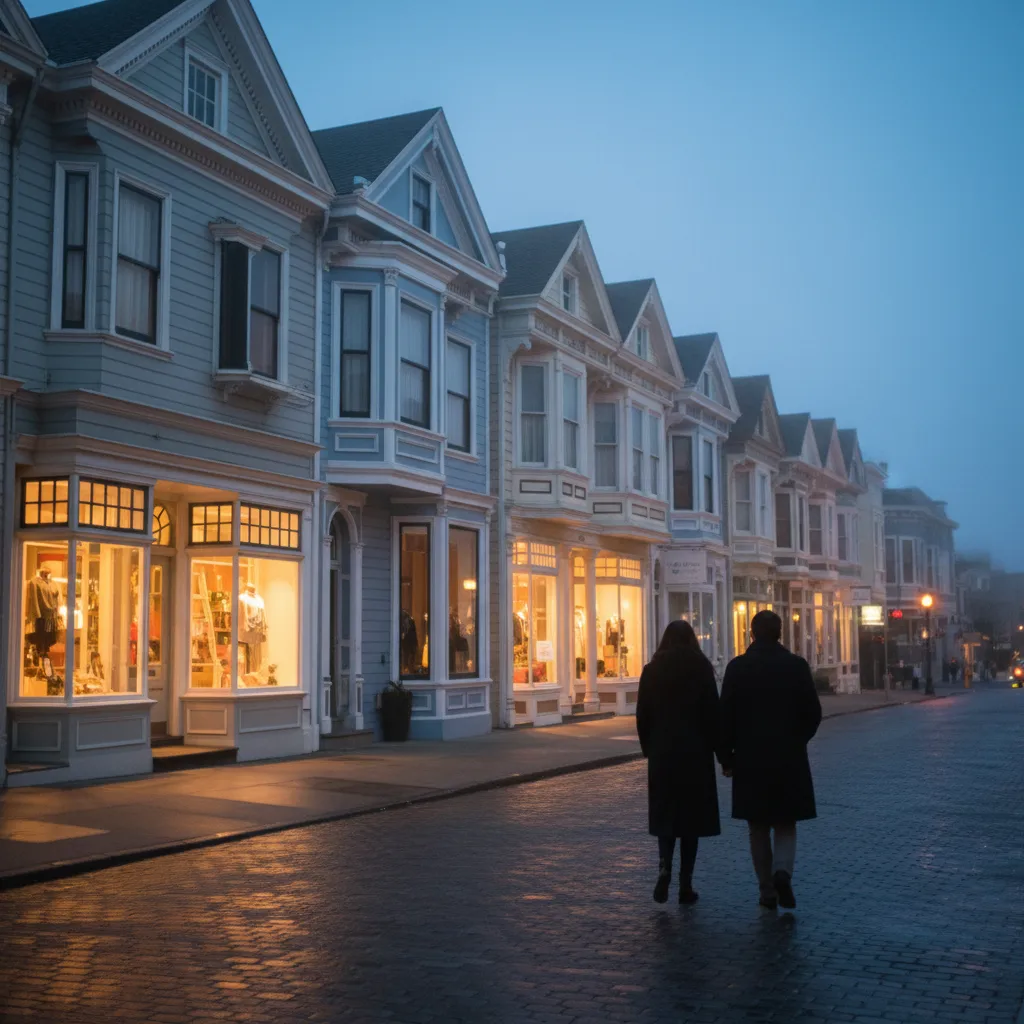
Hayes Valley is where a lot of San Francisco evenings begin. The boutiques on Hayes Street, the coffee windows, and the lawn at Patricia's Green make it an easy place to meet friends, yet the neighborhood itself does not have a movie theater. That turns out to be an advantage. From here, two of the city's best-loved independent screens, the Castro Theatre and the Roxie, sit a short Muni ride or a brisk walk away, so you can treat Hayes Valley as a base camp and choose the film that fits the night rather than the closest marquee.
Why Start a Film Night Here
The appeal is mostly about logistics. Hayes Valley sits between the Civic Center cultural blocks and the residential slopes toward the Castro and the Mission, so it works as a meeting point for people coming from different parts of the city. Someone arriving from downtown can ride Muni Metro to Van Ness, while friends from the Inner Sunset or Noe Valley can come in on the N or J lines and walk a few blocks over.
It also gives you somewhere to wait. Independent screenings in San Francisco often start at slightly odd times, a 6:45 restoration or a 9:15 festival repeat, and a neighborhood full of small bars and dinner spots lets you fill the gap without rushing. You can eat first and head out, or see an early show and come back for a late bite on Hayes Street, which tends to stay lively after the symphony and SFJAZZ crowds let out.
Castro or Roxie: Two Different Evenings
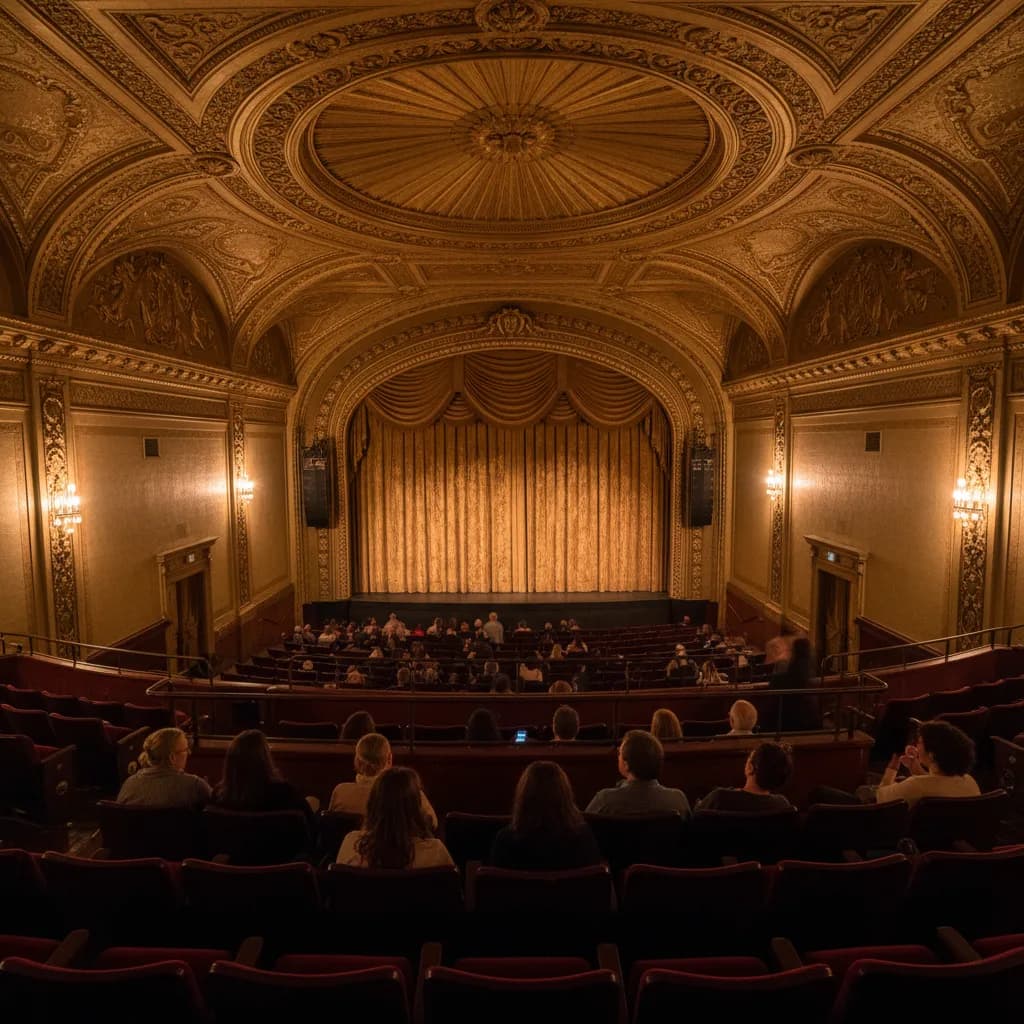
The Castro Theatre is the grand option. It opened in 1922, was designed by architect Timothy Pflueger, and is one of the most photographed movie palaces on the West Coast, with its towering vertical sign and ornate auditorium. After a long and much-debated renovation it is back to hosting films alongside concerts and live events, so the first step is checking whether your chosen night is a screening night at all.
The Roxie, on 16th Street in the Mission, is the scrappier choice and proud of it. The theater traces its history to 1909 and is now run as a nonprofit, programming new independent releases, documentaries, festival selections and repertory oddities on its two screens. A Roxie night tends to feel like a conversation with the programmers, often with a filmmaker Q&A or a themed series attached.
A quick way to decide: if your group wants spectacle, a restored classic, or a sing-along with a full house, look at the Castro first. If they want something they have not heard of yet, a local premiere, or a documentary that will spark an argument on the walk home, start with the Roxie calendar.
Building the Shortlist Before You Leave Home
A film night with friends usually fails at the planning stage, not at the theater. Five people suggest five different films in a group chat, the thread scrolls away, and by Friday nobody has decided anything. The fix is to build one shortlist with three or four candidates and a single line beside each explaining why it is there, such as a 35mm print, a director in person, or simply a short running time for a work night.
This is where the Karpo APP fits in. You can save each screening you are considering to a list, add a note about the venue and the reason it made the cut, and share that list with the group so everyone votes from the same page. Karpo does not sell tickets or track seat availability, so once the group agrees, buy directly through the cinema's own website, which is also where the authoritative showtimes live.
Timing Dinner Around the Screen
For an early show at the Castro, eat in Hayes Valley beforehand and give yourself a relaxed half hour to get over the hill. Market Street is the natural spine of the trip, and Muni Metro connects Van Ness station with Castro station in a few stops. For a later Roxie show, you can do the reverse: drinks on Hayes Street, then a ride or walk to the Mission, and dinner in one of the many places around 16th and Valencia afterwards.
If you are going straight from work, think about how long the film runs before you plan anything else. Restorations of older epics and festival documentaries can run well past two hours, and a late start combined with a long running time means a midnight finish. A short feature on a weeknight leaves room for a slow dinner instead.
A Walk to Fill the Gaps
If you arrive early, Hayes Valley rewards a slow loop. Patricia's Green is a small park built on the footprint of the old Central Freeway ramp and usually has a rotating public art piece. A few blocks west, Alamo Square offers the classic view of the Painted Ladies with the downtown skyline behind them, and it is a pleasant place to sit for twenty minutes before heading to a show.
Walking from Hayes Valley to the Castro takes you uphill through the Lower Haight and Duboce Triangle, a route with plenty of Victorian streets and corner cafes. It is a good option on a dry evening when you have time to spare, and it lets you arrive at the theater already in a cinematic frame of mind. Bring a layer; fog can roll in quickly once the sun drops.
Practical Notes for Hayes Valley Film Nights
Showtimes, ticket prices, membership perks and accessibility details are all published by the theaters themselves, and they change with each program, so use the official Castro Theatre and Roxie websites as your source of truth. Special events and festival screenings can sell out, so if a guest filmmaker or a rare print is part of the draw, buy ahead rather than hoping for the door.
Watch the festival calendar too. San Francisco has a dense year of film events, including SFFILM, which dates back to 1957, and Frameline, the LGBTQ+ film festival founded in 1977 and strongly associated with the Castro. During those weeks, programs fill up quickly and the neighborhoods around the theaters get busier, which is part of the fun but worth planning for.
Finally, keep a small record of what worked. Note which theater suited the group, how long the trip took, and where you ate. After two or three nights, that record turns into a personal guide to film nights from Hayes Valley that is far more useful than any generic list.
Ask Karpo for more information.
Keep reading
- Stonestown Winter Farmers Market Picker for Student Cooks
 Clement St Winter Farmers Market Picker for Lunar New Year
 Fort Mason Winter Farmers Market Picker for Citrus Bakers