 Stonestown Winter Farmers Market Picker for Student Cooks
Weekend Plans
Cable Car Museum Horror Wax Museum: Free SF Stop
The free Cable Car Museum at 1201 Mason Street gives a horror wax museum search a mechanical San Francisco twist, with moving cables and historic cars.
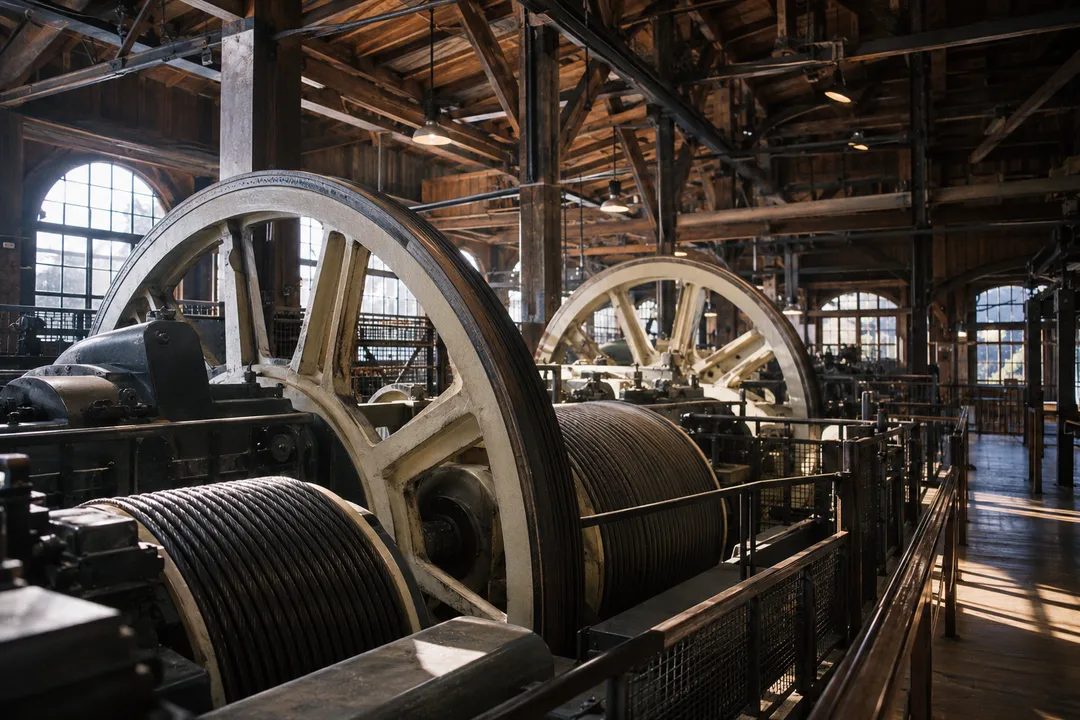
The San Francisco Cable Car Museum gives a horror wax museum search a mechanical turn: the unsettling motion is real, the machinery is historic, and the building lets visitors watch cables pull cars through the city. The museum is at 1201 Mason Street in San Francisco, admission is free, and the official museum site is the right place to check daily hours and holiday exceptions. It is not a wax attraction, but the exposed wheels, wood, and iron create a convincing industrial ghost story.
The Mechanical Horror Is Real
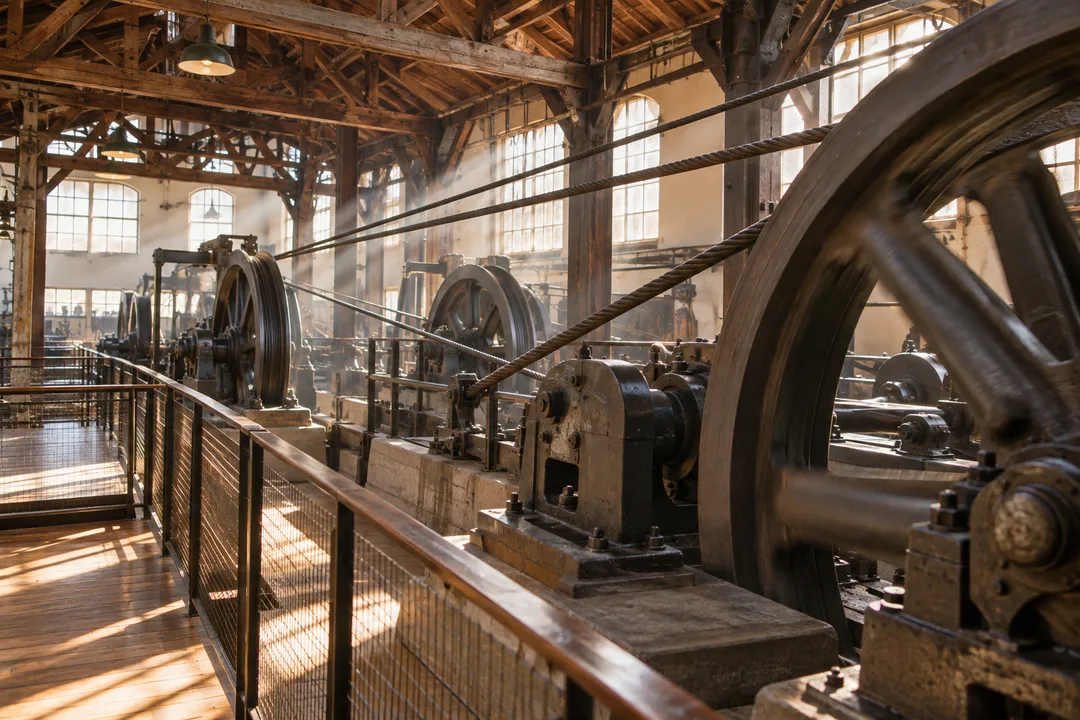
The main floor is active rather than staged. Large cable wheels keep turning, cables run through the building, and historic cars sit beside the machinery that made the network possible. A visitor expecting a quiet collection may be surprised by the sound: vibration, metal, and the steady pull beneath the street. That is the horror-museum connection. The city above looks ordinary because the invisible mechanism underneath never stops doing its work.
Start at the viewing area and watch one complete movement before walking toward the cars. The best detail is not always the largest wheel; it may be a cable sliding through a guide or the way an old car’s interior shows how many hands once depended on it. A transit fan will want the diagrams, while a first-time visitor should give the machinery a few minutes before reading every label.
What To Watch On The Main Floor
The museum’s quiet rule is practical: stay behind the viewing boundary and do not treat the working equipment as a photo backdrop. A parent can point out the moving parts, a visitor with a camera can wait for a clear angle, and a local commuter may come in for a quick look. Let people pass on the stairs and keep the central viewing area open. The machinery is impressive without a crowd pressing against it.
Because admission is free, the temptation is to drop in without a plan and leave after one glance. I would not do that. Give the museum at least twenty minutes, especially if the cables are moving at full rhythm. The other mistake is expecting a theatrical scare. There are no actors and no artificial monsters; the unease comes from seeing a powerful system operating inside an old urban building.
A Free Visit With Rules
The free admission changes the queue strategy. You are not protecting an expensive timed ticket, but the room can still feel tight when several cable cars arrive or a walking group enters. Visit earlier for a clearer view, or step aside and wait through one machinery cycle. A short pause is worth it because the sound and movement make more sense once you stop trying to photograph everything at once.
Check the official museum page before leaving for the current schedule. Museum information commonly lists 10 am to 5 pm daily, with exceptions for major holidays, but a remembered weekday schedule should not override the live source. The building is on a hill, and the walk from a cable-car stop can be steep. Wear shoes with traction, particularly if the street is wet, and allow time for the climb.
After the visit, walk through Nob Hill rather than immediately chasing another attraction. Huntington Park offers a quieter pause, while Grace Cathedral adds a different kind of interior scale. If the group wants more motion, take a cable car downhill and watch the same system from the passenger side. That sequence connects the museum’s machinery to the living route outside instead of treating the collection as an isolated stop.
Nob Hill After The Museum
A hungry group should decide whether to eat before the hill or after descending. The neighborhood has restaurants, but hills and waits can wear down a party that expected a quick free museum. A snack near the next transit stop is enough for a short visit. If rain starts, use the museum as the sheltered anchor, then choose an indoor destination rather than forcing a long walk on wet pavement.
Practical notes: the museum is at 1201 Mason Street, San Francisco, CA 94108. Admission is free. The official site lists museum information and should be checked for the day’s hours and holiday closures; the commonly published schedule is 10 am to 5 pm daily. The building includes stairs, working machinery, and areas where sound and vibration are noticeable. Keep children close to the viewing boundaries.
The Cable Car Museum has a stronger local story than a generic oddity stop. It explains how San Francisco’s cable system developed, how the cars changed, and why the underground power still matters. The historic vehicles are not props. Their scratches, seats, and metal fittings make the city’s transport history visible. A horror wax museum search can end here because the atmosphere comes from real infrastructure rather than fabricated spectacle.
Practical Details
I would skip trying to combine the museum with too many destinations on the same hill. The visit is free, but the terrain is not effortless, and a rushed itinerary turns a fascinating mechanism into a checkbox. Pick one nearby park or cathedral, then descend with time to notice the street. The best souvenir is understanding that the cable under the pavement is still the moving character in the story.
A complete stop can take thirty minutes, or longer for transit enthusiasts who read every diagram. The museum works for solo visitors, families, and travelers who want a low-cost indoor break. The atmosphere is calm enough for careful looking but never completely silent. Stand near the machinery, let the sound settle, and notice how quickly a working system begins to feel almost alive.
Practical Notes
Karpo APP can help shape the next leg after the museum. Ask for a downhill route that avoids the steepest blocks, a lunch near the next cable-car stop, or a second indoor visit if the weather turns. The app adds the neighborhood judgment that a museum page cannot: whether the group should linger, descend, or change plans before the hill decides for you.
Ask Karpo for more information.
Keep reading
- Stonestown Winter Farmers Market Picker for Student Cooks
 Clement St Winter Farmers Market Picker for Lunar New Year
 Fort Mason Winter Farmers Market Picker for Citrus Bakers