 Bernal Heights Pottery Glaze Supply Browsing Route: Walk
Hidden Gems & Odd Finds
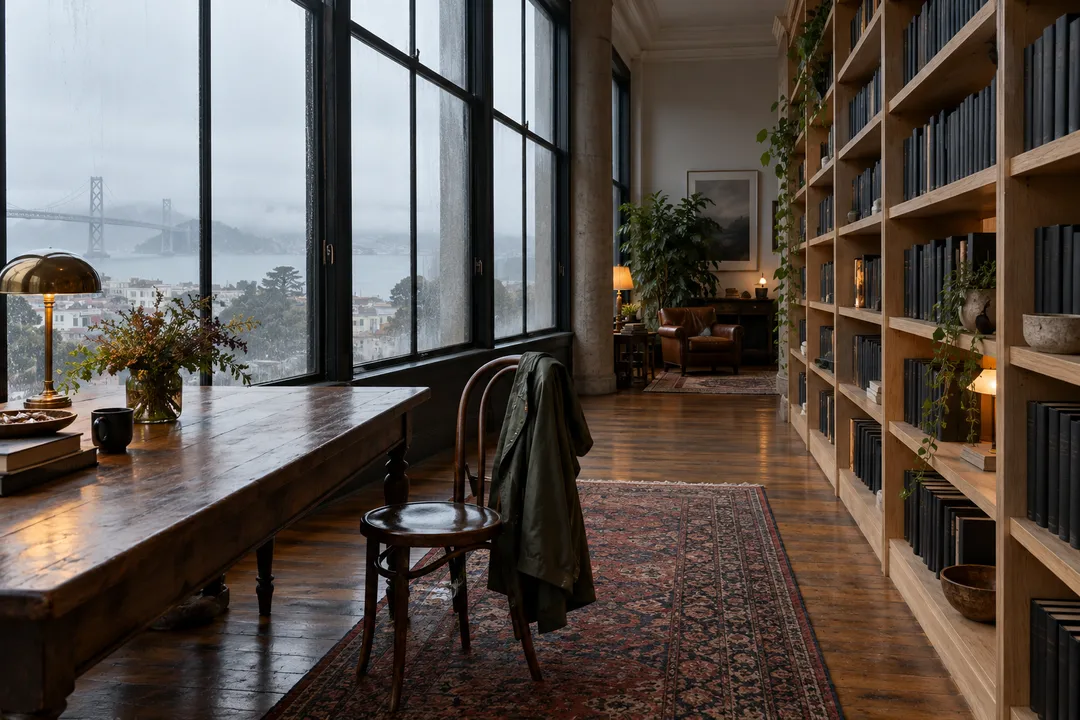
SF Horror Bookstore: Find Quiet Dread Without Gore
Shape an SF horror bookstore search around quiet dread and your content preferences, then narrow the reading choices with a clear, spoiler-light brief.
An SF horror bookstore request becomes more useful when you describe the kind of fear you enjoy. A reader looking for an unsettling house, an unreliable narrator, and very little gore needs a different recommendation from someone collecting creature features. Start with those preferences in Karpo APP, then add the part of San Francisco where you want to browse. The aim is a manageable reading shortlist with reasons behind it, rather than a promise that a particular paperback is sitting on a shelf.

Describe the atmosphere without giving away the ending
Choose two books whose mood worked for you and explain the attraction without retelling their plots. Perhaps a familiar room gradually became threatening, or an ordinary conversation felt wrong long before anything supernatural happened. Those details give a recommendation request more direction than simply asking for something terrifying. You can also describe the reading experience you want: a slow opening, an enclosed setting, an ambiguous explanation, or a story that stays disturbing after the final page.
Content preferences deserve equal space. Say whether you want to avoid graphic injury, cruelty to animals, sexual violence, or a particular kind of grief. You do not need to justify the boundary or describe a personal experience. A concise instruction is enough. Request an explanation of how each suggestion fits, with plot details kept to the minimum needed for a decision. If an answer cannot establish a relevant content detail, keep that uncertainty visible rather than treating silence as reassurance.
Translate a mood into a bookselling question
A useful prompt could read: "Help me choose atmospheric horror to browse for in San Francisco. I like unease in ordinary places and would rather avoid explicit violence. Suggest several books with short, spoiler-light reasons, then help me narrow the bookstore search to my preferred neighborhood." This is a request you can adapt, not a screenshot of a guaranteed product response. Add any authors you have already read so the first list does not send you back to familiar work.
Separate a recommendation for a novel from a recommendation for a shop. The novel answers what you might enjoy reading. The shop answers where an outing might begin. A beautiful dark interior does not establish a relevant selection, and a modest-looking seller may have the stronger catalog. Ask for evidence about the fiction selection when choosing a destination. An author appearance or a staff essay can show an interest in the genre, but neither establishes present availability of the title you want.
Use a small comparison to find your next read
Keep the first comparison short enough to understand. Three candidates can reveal useful differences: one might emphasize a haunting, another an isolated community, and a third the narrator's perception. Ask for the central source of tension, approximate narrative pace, and whether the story stands alone. Those are reading decisions. Do not turn them into a popularity contest where the book with the most enthusiastic adjectives wins. The explanation should help you say why one choice belongs in your bag.
When a description feels too broad, refine one dimension at a time. You might request the same atmosphere in a shorter work, a less graphic story with a similarly uneasy setting, or a different author whose approach is more intimate. Changing every preference together makes it harder to understand what improved the result. Keep the original reason you wanted the book in view. A recommendation that satisfies an incidental format preference while losing the mood has missed the main point.
Give the physical browse a purpose
Bring a brief note containing the author, title, and one acceptable alternative. During a visit, you can use that note to ask a bookseller a specific question without reciting the whole recommendation conversation. If the exact book is absent, explain the atmosphere you wanted and whether you welcome another writer. A useful staff suggestion may move beyond your list. The point of preparing is to make that exchange easier, not to force every shelf into the shape of an earlier answer.
Read a few paragraphs where browsing is permitted and pay attention to the prose. Does the voice create the sort of unease you described, or does the writing keep you at a distance? Consider the print size and physical comfort too. An attractive edition can still be unpleasant to read on the journey home. Skip a collectible upgrade when you are uncertain about the story itself. A simpler reading copy leaves room to discover whether the author deserves a permanent place on your shelf.
Let a foggy afternoon remain flexible
For an illustrative afternoon plan, allocate more attention to browsing than to accumulating destinations. You could choose one primary book stop and leave a nearby walk optional. These are personal planning choices, not claims about a shop's hours or the duration of a particular journey. Tell Karpo the starting area and where you need to finish. If weather makes the outdoor part unappealing, the reading task can still succeed without replacing it with another elaborate itinerary.
Protect a purchase from moisture with a bag that closes securely. A thin paper receipt and a paperback cover are easy to damage when you repeatedly take them out on a damp sidewalk. Put your title note somewhere accessible before leaving. If you plan to meet a friend afterward, keep that meeting as the fixed boundary and allow the browse to contract. A bookstore outing should not require perfect weather or an uninterrupted afternoon to produce a satisfying new read.
Practical Notes for sensitive readers
Distinguish a content preference from a guarantee. Publisher copy, a bookseller's description, and an informal recommendation may reveal different amounts about disturbing material. Ask narrowly about the element that matters to you and decide how much uncertainty you accept. You can decline a recommendation without finishing an explanation of your taste. That choice is especially useful when the only persuasive argument is that everyone else seems to love the book. Your reading comfort is a sufficient criterion.
Keep notes on what the first chapters actually deliver. A request for quiet dread can sound convincing until the prose shifts into a style you dislike. If that happens, describe the mismatch in your next Karpo conversation: too much exposition, too little character intimacy, or a threat revealed earlier than you wanted. Specific feedback gives the next search a better starting point. It is more useful than describing the whole genre as a success or failure after one purchase.
The finished result is a personal reading brief you can reuse: preferred tension, excluded content, desired length, and a convenient browsing area. Karpo's public site describes starting with your mood and working around your schedule; those are the product ideas used here. Book selection, shelf availability, and shop policies still come from the relevant seller. Leave with one promising story or a clearer understanding of what you want next, and let either outcome count as a worthwhile afternoon.
Ask Karpo for more information.
Keep reading
- Bernal Heights Pottery Glaze Supply Browsing Route: Walk
 Potrero Hill Pottery Glaze Supply Browsing Route: Walk
 Mission Pottery Glaze Supply Browsing Route: Studio Walk