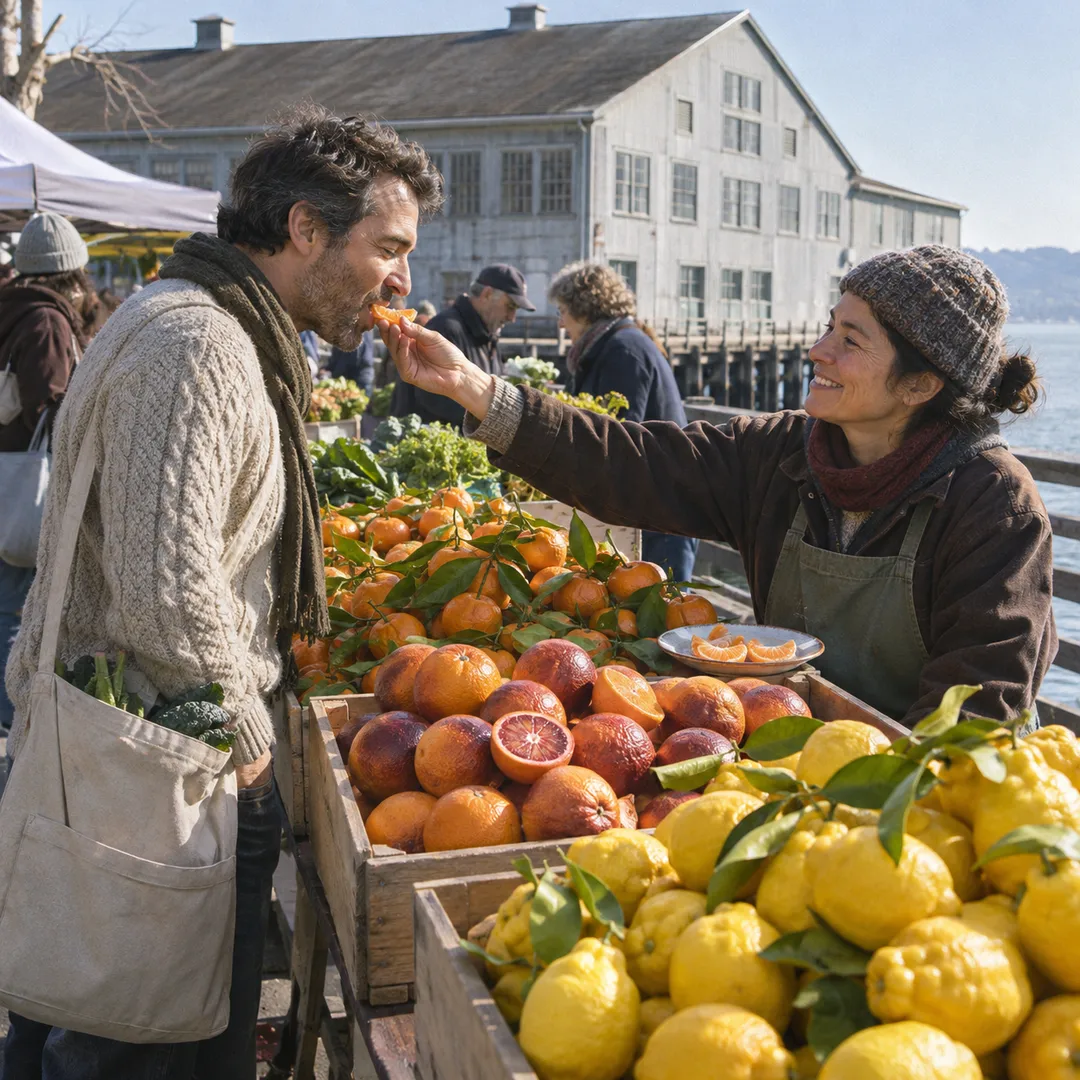
 Stonestown Winter Farmers Market Picker for Student Cooks
Weekend Plans
Pacific Heights Historic Mansion Near Me: Haas-Lilienthal House Guide
A complete visitor guide to the Haas-Lilienthal House at 2007 Franklin Street in Pacific Heights, exploring San Francisco's premier furnished Queen Anne Victorian house museum.
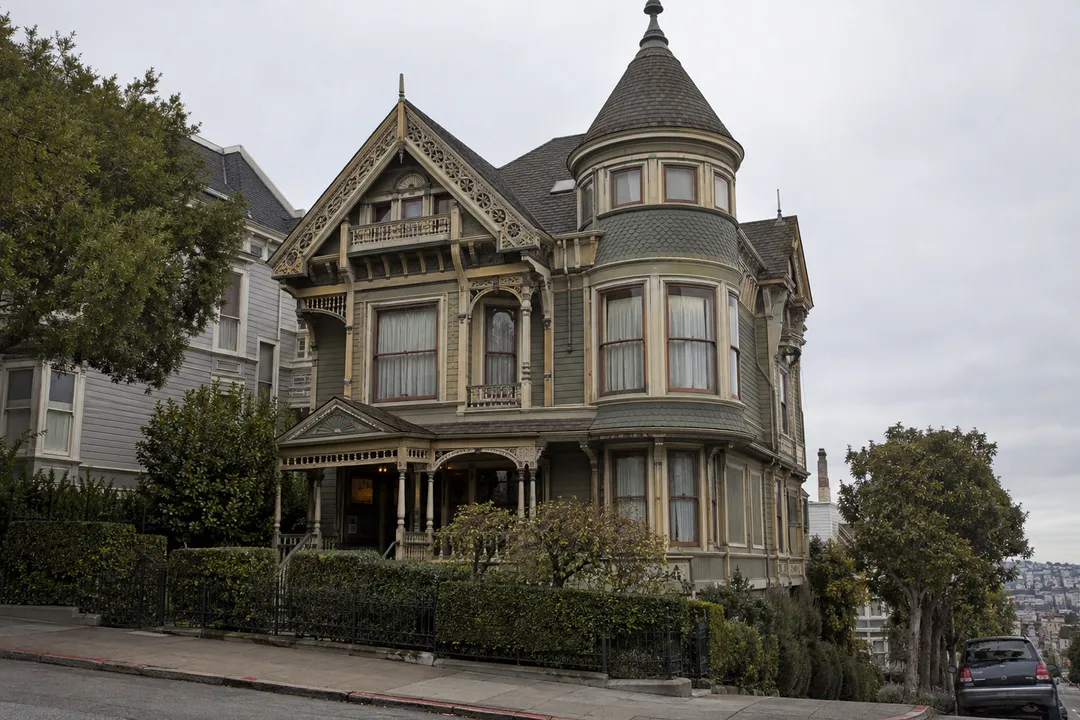
Standing proudly along the crest of Pacific Heights at 2007 Franklin Street, the Haas-Lilienthal House represents the crowning jewel of San Francisco's Gilded Age domestic architecture. Constructed in 1886, this sprawling Queen Anne Victorian residence is celebrated as the city's only fully furnished historic house museum from the Victorian period that opens its doors regularly to the public. While thousands of Victorian facades line the rolling hills of San Francisco, the vast majority remain strictly private homes. The Haas-Lilienthal House provides an exceptional opportunity to step beyond the ornate wooden facade into an authentic nineteenth-century interior where three generations of a prominent merchant family lived, entertained, and preserved their legacy across eight historic decades. If you are seeking a premier historic mansion near me in San Francisco, this Pacific Heights landmark offers an unparalleled journey into the city's architectural and cultural heritage.
Architectural Origins and Survival of the 1906 Disaster
The estate was commissioned in 1886 by Bavarian immigrant William Haas, who arrived in California during the Gold Rush era and built a substantial fortune as a partner in the wholesale grocery firm Haas Brothers. To design a family home worthy of his commercial stature, Haas hired respected Bavarian-born architect Peter R. Schmidt. Schmidt embraced the exuberant Queen Anne style then sweeping American cities, combining multiple gables, asymmetrical bay windows, an imposing three-story corner turret, and intricate redwood siding finished with fish-scale shingles. Master builder Michael McCann supervised the construction, utilizing native old-growth redwood that offered both structural flexibility and exceptional resistance to decay.
The true turning point in the mansion's history arrived on the morning of April 18, 1906, when the Great Earthquake violently jolted Northern California. While the house shook violently, its flexible redwood framing sustained remarkably little structural harm. The catastrophic firestorm that followed threatened to engulf the entire Western Addition, advancing relentlessly west toward Franklin Street. The Haas family watched from their attic windows as federal troops and firefighters dynamited mansions along Van Ness Avenue, just one block east, creating a wide firebreak that halted the flames. Because the house escaped destruction, it provided temporary shelter to extended relatives whose downtown residences were incinerated, cementing its role as an enduring sanctuary.
Lavish Parlors and Museum Collections
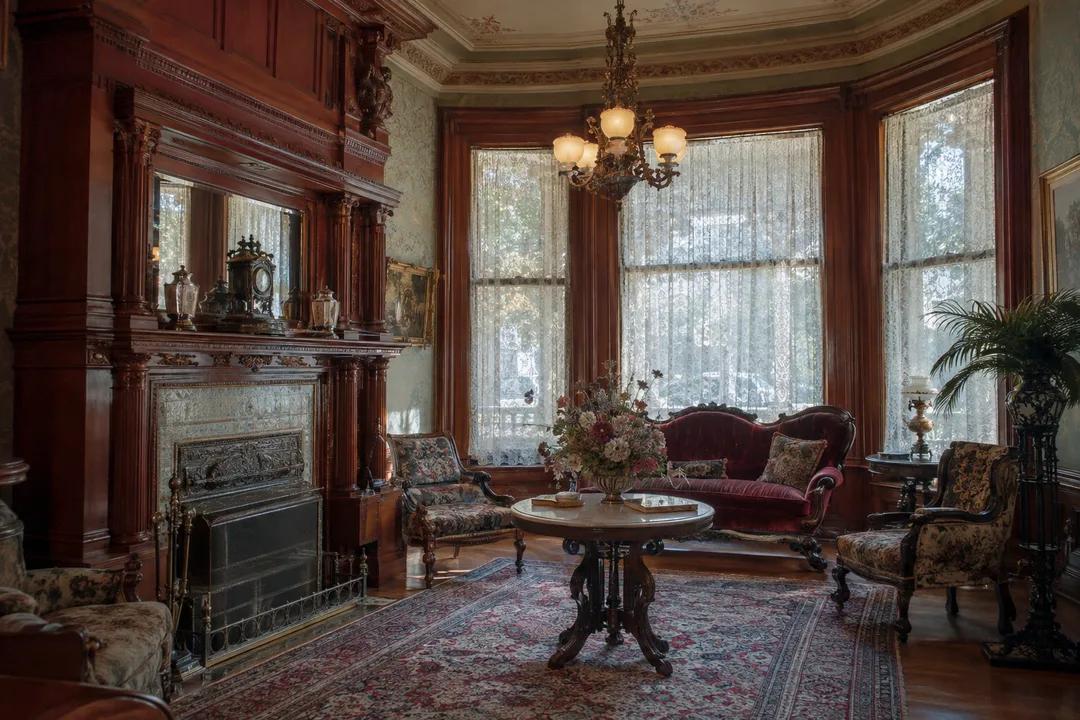
Stepping through the heavy double entrance doors transports visitors into a meticulously preserved interior containing original furniture, family portraits, and decorative arts spanning the 1880s through the 1920s. The front parlor features soaring coved ceilings, hand-stenciled friezes, and an imposing carved mahogany fireplace mantelpiece fitted with original ceramic hearth tiles. Elaborate brass chandeliers, originally designed for dual gas and early electric illumination, hang above plush velvet settees and Victorian tufted armchairs where Bertha Greenebaum Haas hosted afternoon social calls and literary meetings.
Beyond the formal parlor, the expansive dining room showcases a grand oak banquet table surrounded by embossed leather dining chairs, a built-in buffet with beveled leaded glass, and authentic family silver services. Upstairs bedrooms retain their original marble-topped washstands, brass bed frames, and wardrobe armoires. The rear kitchen wing reveals historic cast-iron stoves, copper cookware, and early servant communication annunciator boxes that vividly illustrate the daily household routines required to maintain an eleven-thousand-square-foot Victorian residence.
Docent Tours, Admission Fees, and Practical Scheduling
The Haas-Lilienthal House is operated by San Francisco Heritage, a non-profit historic preservation organization headquartered within the property. Docent-led public tours take place on select Wednesdays at 12:30 pm and 2:00 pm, as well as on Saturdays with departures at 12:00 pm noon, 1:00 pm, and 2:00 pm. Because tour groups are kept intimate to protect fragile flooring and vintage furnishings, booking tour reservations online in advance through the San Francisco Heritage portal is strongly recommended. Knowledgeable volunteer docents lead each forty-five-minute tour, sharing rich biographical anecdotes regarding family members, domestic staff, and San Francisco's dramatic urban evolution.
Tour admission is priced at $10 for general adult visitors, $8 for seniors aged sixty-five and older, active military personnel, and university students with valid identification, and $5 for youth aged six to twelve. Children aged five and younger receive free admission when accompanied by an adult guardian. Members of San Francisco Heritage and reciprocal National Trust for Historic Preservation members also enjoy complimentary entry. Private group tours and photography bookings can be arranged in advance by contacting the administrative office.
Pacific Heights Walking Route and Nearby Highlights
A visit to the Haas-Lilienthal House pairs naturally with an architectural walking exploration through Pacific Heights. Walking two blocks west along Jackson Street brings you to Lafayette Park, an elevated twelve-acre public hilltop park offering sweeping panoramic vistas of the downtown skyline, San Francisco Bay, and the Golden Gate Bridge. The surrounding residential blocks along Franklin, Jackson, and Washington Streets showcase premier Romanesque Revival, Shingle Style, and Classical Revival residences designed by renowned architects Willis Polk and Albert Pissis.
Following your mansion tour, stroll four blocks south to California Street or four blocks west to Fillmore Street, where lively shopping corridors feature independent bakeries, artisanal espresso bars, and historic neighborhood dining spots. The walk down Sacramento Street introduces antique galleries and vintage design boutiques that echo the decorative craftsmanship celebrated inside the Haas-Lilienthal House.
Visitor Essentials, Transit Routes, and Accessibility
The Haas-Lilienthal House is located at 2007 Franklin Street, San Francisco, CA 94109, situated at the corner of Franklin and Jackson Streets. Public transit access is convenient via the San Francisco Municipal Railway, with the 1 California, 2 Sutter, and 49 Van Ness/Mission bus lines stopping within three short walking blocks of the front entrance.
On-street parking in Pacific Heights consists primarily of metered spaces and two-hour neighborhood residential zones that fill quickly during daytime hours. Visitors arriving by car should plan extra time to locate street parking or utilize commercial parking garages located on California Street or Van Ness Avenue. Because this multi-level landmark features historic staircases without modern passenger elevators, guests requiring accessible accommodations should phone ahead to review specific access arrangements.
For travelers and architecture enthusiasts looking to discover more historic sites, walking corridors, and cultural treasures throughout San Francisco, the Karpo APP provides curated neighborhood guides, insider dining recommendations, and interactive walking itineraries tailored to your personal taste.
Ask Karpo for more information.
Keep reading
- Stonestown Winter Farmers Market Picker for Student Cooks
 Clement St Winter Farmers Market Picker for Lunar New Year
 Fort Mason Winter Farmers Market Picker for Citrus Bakers