 Stonestown Winter Farmers Market Picker for Student Cooks
Weekend Plans
Glassblowing Studio Near Me in Bayview: Public Glass San Francisco
Step inside Public Glass on Armstrong Avenue in Bayview to gather molten glass from a 2100 degree furnace, craft custom tumblers, and master classic hot shop skills.
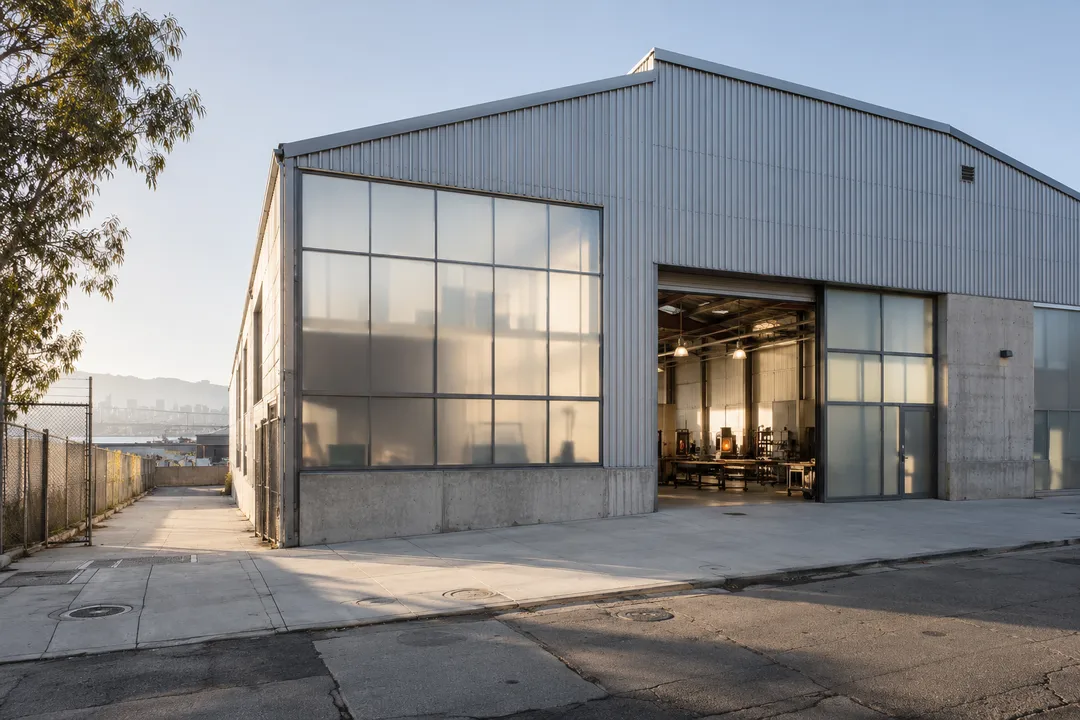
Public Glass operates out of a cavernous converted industrial warehouse at 1750 Armstrong Ave, San Francisco, CA 94124, situated right in the historic Bayview district near Third Street. Anyone searching for a glassblowing studio near me will discover an authentic, active hot shop humming with continuous furnace heat and active artisan production. The studio charges $165 for its introductory three-hour glassblowing workshop and welcomes complete novices eager to gather glowing molten silica directly from a crucible kept at 2100 degrees Fahrenheit.
Stepping Inside the Roaring Bayview Hot Shop Facility
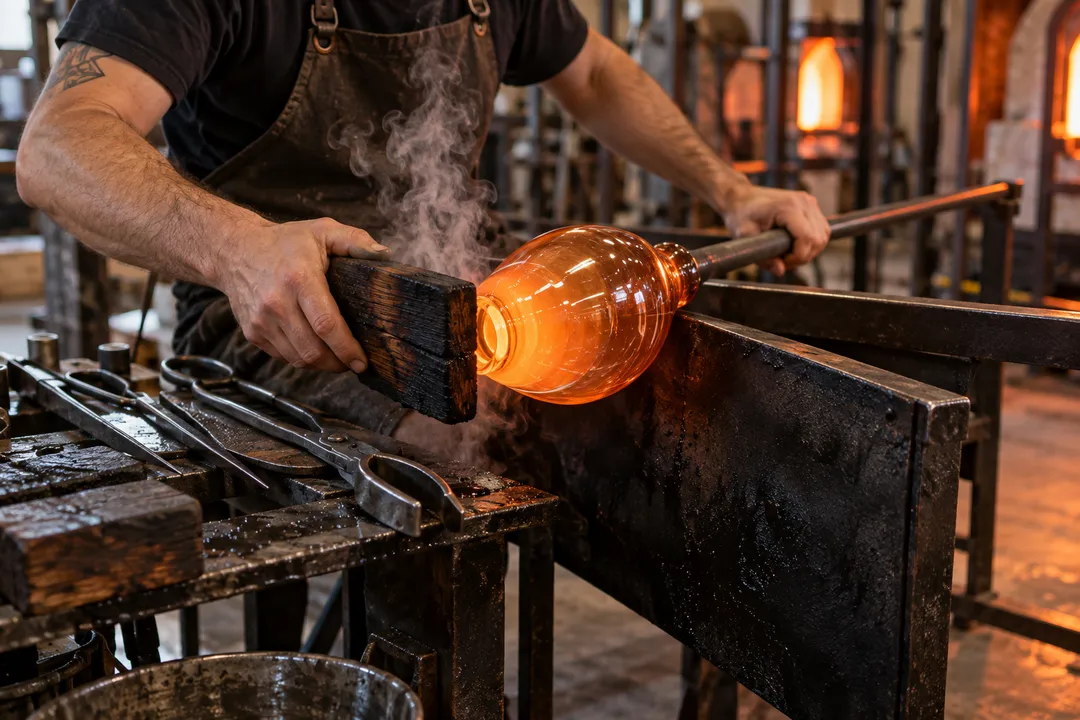
Walking through the wide roll-up cargo doors off Armstrong Avenue reveals a vast creative space filled with the resonant hum of forced-air blowers and heavy industrial equipment. Unlike commercial craft galleries that keep their fabrication tucked behind observation glass, Public Glass places visitors right on the active studio floor alongside working resident artists. The main room houses two massive melting furnaces, three secondary glory holes for reheating work in progress, and four dedicated glassmaker benches equipped with sturdy iron arm rails.
The atmosphere is warm and intensely focused, scented faintly with beeswax lubricant and scorched fruitwood blocks. Racks along the perimeter hold dozens of hollow stainless steel blowpipes and solid steel punties organized meticulously by length and head diameter. Overhead cranes and heavy ventilation hoods keep the warehouse air circulating steadily, creating an authentic workspace where raw thermal energy meets disciplined, patient craftsmanship across every square foot of polished concrete floor.
Industrial safety lines painted in bright yellow mark clear pathways between the furnace zone and the working benches. Large cooling troughs filled with clean water allow artisans to quench hot pipes, while open storage shelves display an inspiring assortment of student bowls, colored sculptural platters, and experimental vessels cooling in progress.
Gathering Molten Crystal and Working the Benches
Hands-on instruction begins at the furnace face, where students learn how to balance a long steel pipe while dipping its preheated head into the glowing reservoir of clear molten crystal. A slow, steady rotation of the pipe prevents the syrup-like glass from drooping toward the floor as you back away from the furnace threshold. Within moments, you step over to the marver, a polished thick steel table where rolling the gather establishes an even cylinder and cools the outer skin.
From the marver, you transition directly to the wooden bench to sit and roll the pipe across the guide rails while taking your first delicate breath down the hose to create an initial starter bubble. Your instructor guides your hands as you cup a wet cherry wood block around the spinning sphere, letting steam create a micro-cushion that shapes the molten bubble into a symmetrical sphere. Steel diamond shears cleanly trim away excess glass, while carbon paddle boards flatten the vessel base before transfer to a punty rod.
To add vibrant color patterns, students roll the glowing gather through shallow stainless steel trays filled with crushed German glass frit and colored powder matrices. Returning the coated piece to the glory hole for a thirty-second reheat melts the glass granules flush with the surface, producing rich swirls of cobalt, amber, and emerald green that stretch gracefully as the bubble expands.
Class Pricing Schedules and Weekend Workshop Formats
The studio maintains a transparent tuition model tailored to casual weekend explorers and serious apprentices alike. The popular three-hour Play with Fire weekend introductory class costs $165 per seat, providing all necessary furnace clear glass, colored frit powders, and shop equipment. Students complete two finished keepsake projects, such as a paperweight and a blown drinking tumbler, which remain in the studio ovens to cool gradually overnight.
For students seeking deeper technical foundation, Public Glass offers comprehensive six-week evening courses priced at $750. These multi-week tracks meet weekly for three hours and cover advanced cup mechanics, lip fire-polishing, optic mold patterns, and independent studio safety certification. Intermediate students who pass their technical review can rent open hot shop bench time at $45 per hour to produce their own production glass runs.
Specialized one-day masterclasses in flameworking and torch beadwork are also offered at $120 per session, allowing crafters to sit at dedicated bench torches running oxygen and propane. Studio gift certificates and group booking rates make it easy for friends and families to celebrate milestones together around the furnace floor.
Essential Safety Regulations and Annealing Protocols
Operating inside an active glass shop requires strict adherence to protective protocols to ensure safety around extreme thermal zones. Every student must wear closed-toe leather work boots, durable denim pants, and shirts woven from one hundred percent natural cotton fibers, as synthetic textiles melt when exposed to radiant furnace heat. Public Glass provides dark didymium safety glasses that filter out sodium flare while protecting eyes from flying sparks and intense infrared radiation.
Because molten glass shatters violently if brought directly into room temperature air, freshly finished pieces must undergo controlled cooling inside a specialized electric annealer. Technicians place the completed cups into the chamber at 960 degrees Fahrenheit, slowly lowering the internal temperature over twelve hours to relieve internal molecular stress. Students return to Armstrong Avenue on Wednesday afternoons or arrange postal shipment to collect their finished, durable creations.
Thirty Years of Nonprofit Community Craft in Hunters Point
Public Glass was established in 1996 by a dedicated collective of local artists who recognized that San Francisco lacked an accessible, community-oriented facility for hot glass education. Over the past three decades, the organization has expanded its programming to include youth mentorship programs for Bayview neighborhood schools, open community demo nights, and subsidized studio residencies. Its signature Hot Glass Cold Beer fundraising evenings bring hundreds of locals together to watch master glassmakers collaborate while enjoying local craft ales.
The studio also houses a comprehensive cold shop equipped with water-fed diamond lapidary wheels, belt sanders, and vibrating polishers. Here, artists spend quiet hours grinding pontil marks flat and buffing vessel rims to gem-like transparency. The facility operates as an educational sanctuary where the centuries-old lineage of Venetian furnace work continues to thrive amid modern urban San Francisco.
Muni T Third Access and Bayview Industrial Environs
Reaching the studio by public transit is easy via the San Francisco Municipal Railway network. Riders take the Muni T Third light rail line and disembark at the Carroll Station or Gilman and Paul Station on Third Street, followed by a short five-minute walk east along Armstrong Avenue across Keith Street. Drivers find street parking along Armstrong Avenue and nearby Carroll Avenue, with convenient highway connections to both Interstate 280 and Highway 101.
Following an energetic hot shop session, visitors can explore the neighborhood by walking two blocks north to Third Street to visit local neighborhood eateries. All Good Pizza offers wood-fired pies and garden patio seating at 1605 Jerrold Ave, while the nearby Flora Grubb Gardens on 1634 Jerrold Ave provides a sunlit haven of rare succulents and specialty coffee. The industrial architecture of Bayview frames an afternoon that seamlessly pairs creative industrial craft with neighborhood character.
Ask Karpo for more information.
Keep reading
- Stonestown Winter Farmers Market Picker for Student Cooks
 Clement St Winter Farmers Market Picker for Lunar New Year
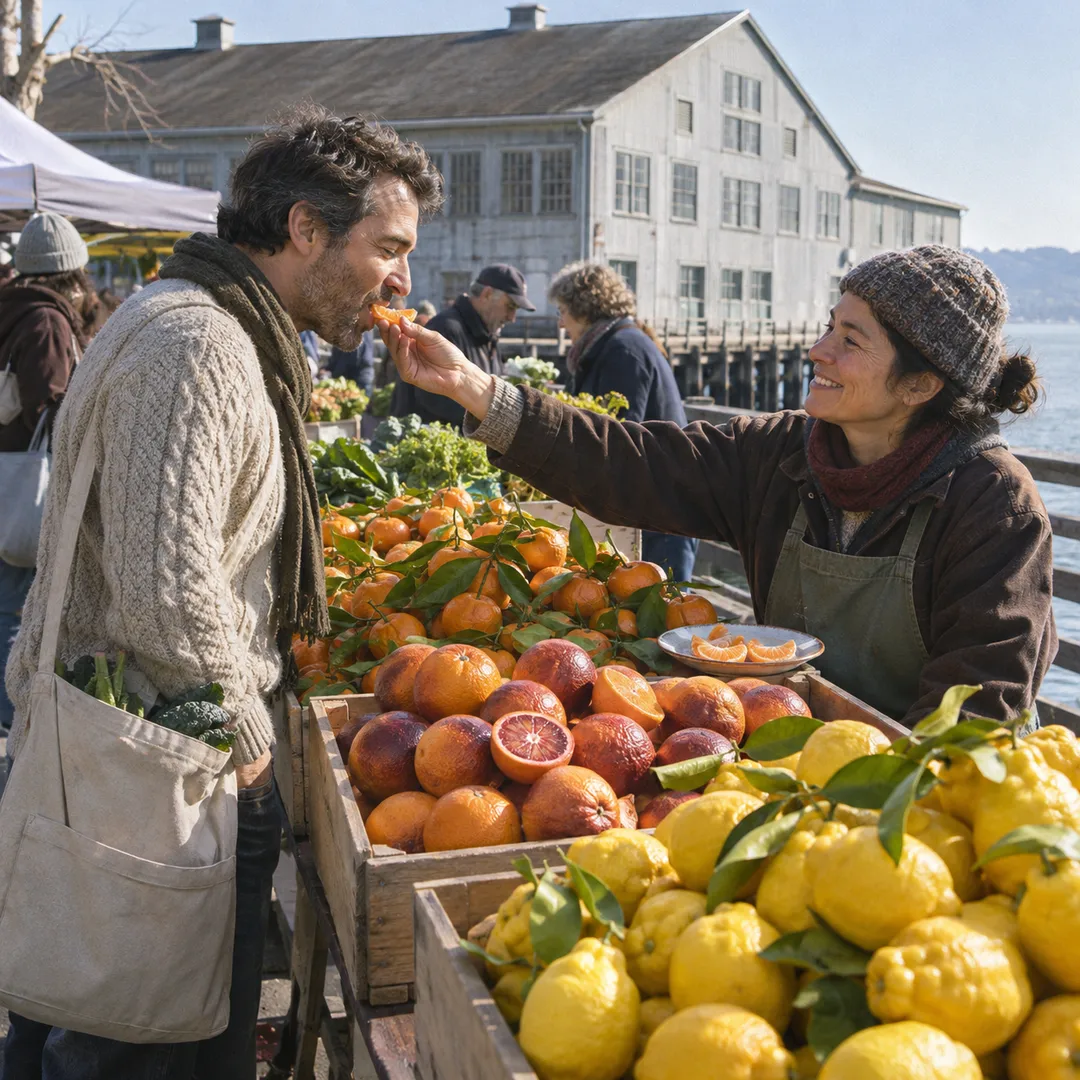 Fort Mason Winter Farmers Market Picker for Citrus Bakers