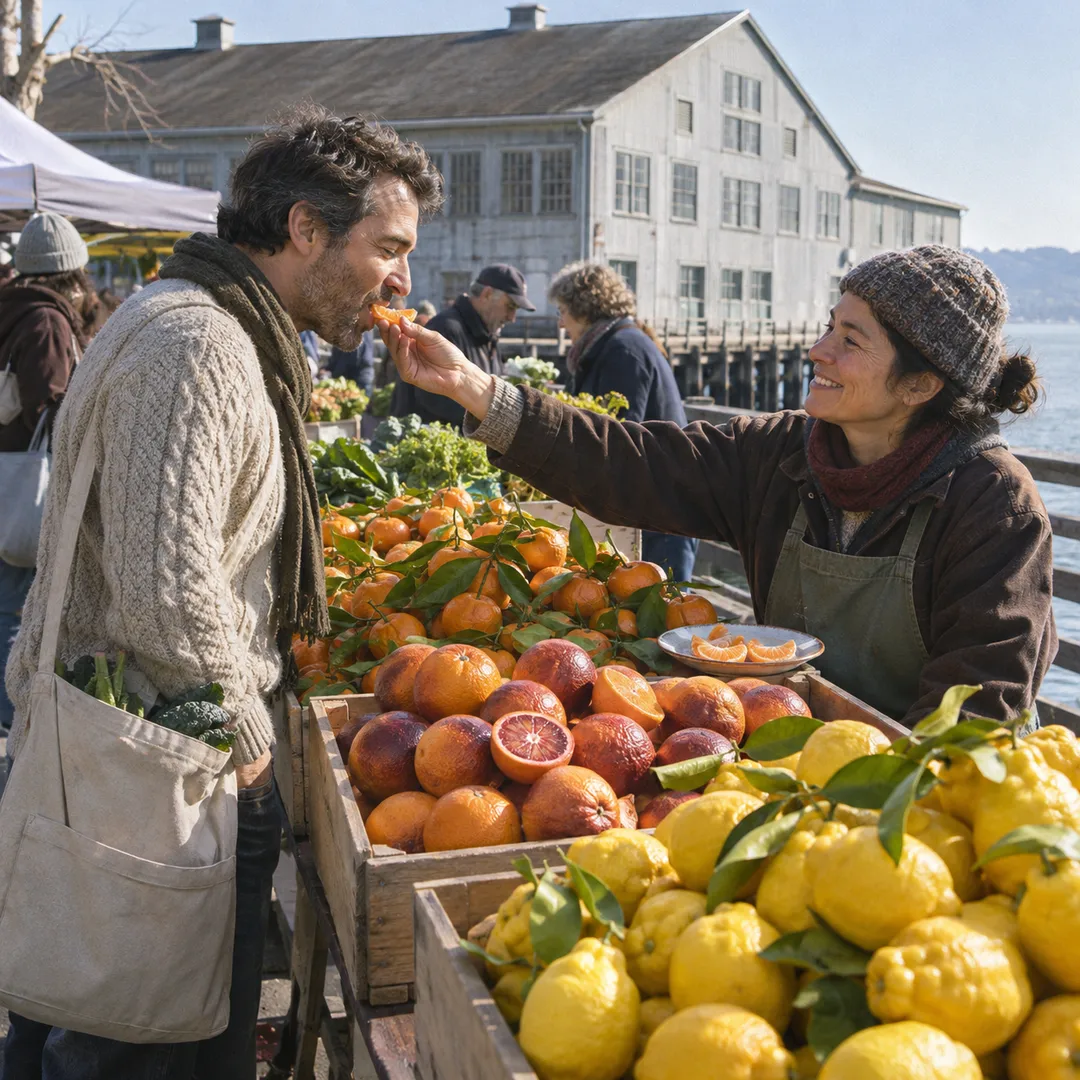
 Stonestown Winter Farmers Market Picker for Student Cooks
Weekend Plans
Ghost Walk Near Me in Chinatown: Cynthia Yee's Ghost Tour
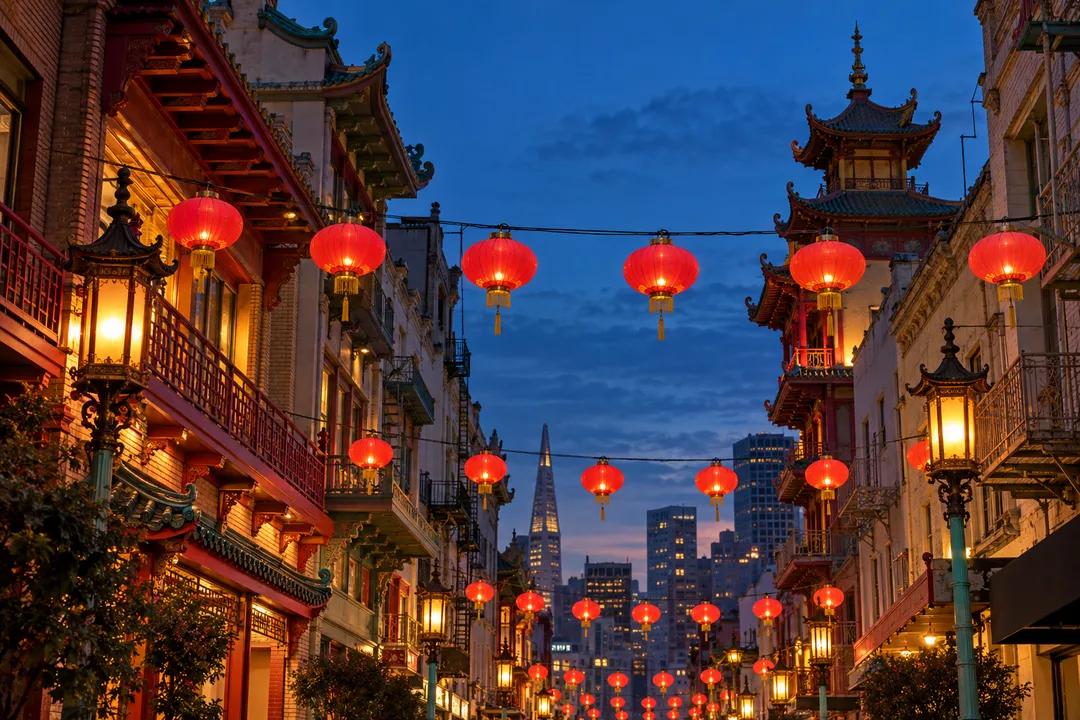
Cynthia Yee's SF Chinatown Ghost Tours meets outside Old St. Mary's Cathedral at 660 California Street, leading lantern-lit walks through historic alleyways and ancestral folklore for $45.
The Haunted SF Chinatown Experience by SF Chinatown Ghost Tours gathers participants outside the stone entrance of Old St. Mary's Cathedral at 660 California Street, where Grant Avenue marks the threshold of America's oldest Chinatown. Established and led by Cynthia Yee, a lifelong Chinatown resident, former 1967 Miss Chinatown, and celebrated Grant Avenue performer, this two-hour flashlight-guided walking tour reveals the supernatural traditions, ancestral veneration customs, and dark historical events that shaped this resilient immigrant quarter. With admission priced at $45 per person, this tour provides anyone searching for a ghost walk near me with an insider's look into the spirit world of historic San Francisco.
Cynthia Yee and Ancestral Folklore
Unlike commercial tour operators who recount folklore from third-party guidebooks, Cynthia Yee grew up immersed in the living traditions of Chinatown. Her mother was a founding member of a local Taoist temple, giving Yee firsthand knowledge of paper offering rituals, Hungry Ghost festival customs, and household spiritual protections designed to appease wandering souls.
Standing before the granite steps of Old St. Mary's Cathedral, which was constructed in 1854 using granite quarried in China and brick brought around Cape Horn, Yee introduces the philosophical foundations of Chinese spiritual cosmology. She explains how the sudden, violent deaths of early gold miners, railroad workers, and victims of the 1870s anti-Chinese riots left generations of untended spirits who remain tethered to the narrow alleyways between Stockton and Kearny Streets.
Yee provides authentic context on how neighborhood residents distinguish between benevolent ancestral guardians and wandering hungry ghosts. Her personal recollections of growing up in mid-century Chinatown bridge historic folklore with living community practices that continue across local temples today.
Waverly Place and Historic Tong Feuds
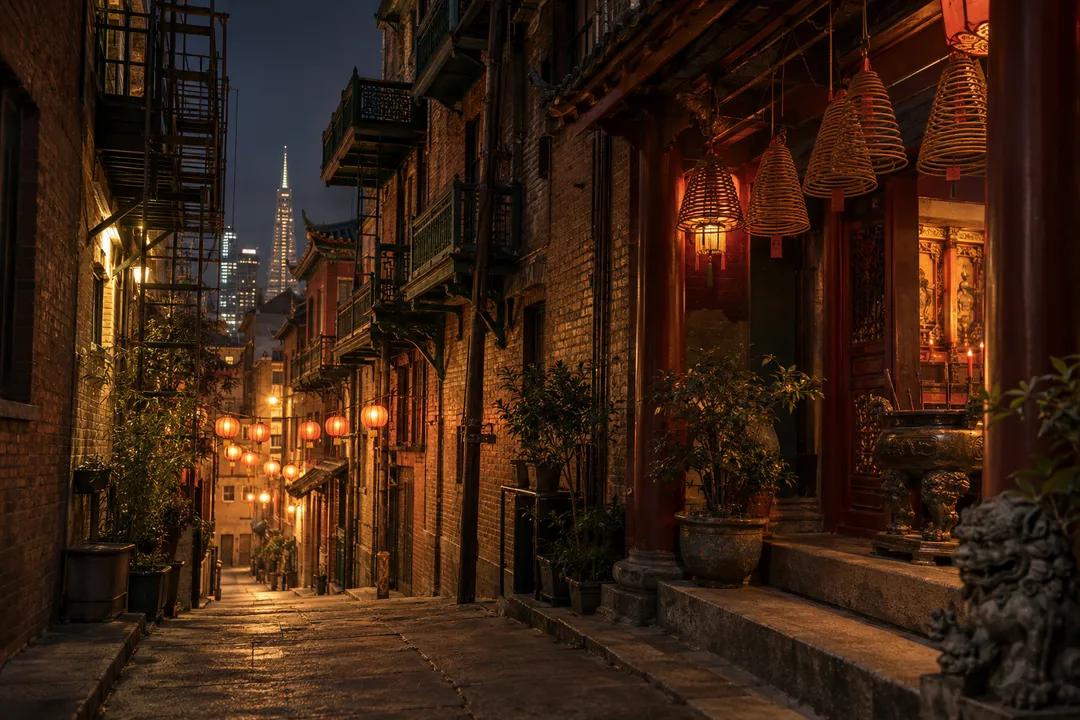
The tour weaves away from neon-lit Grant Avenue and enters Waverly Place, historically known as the Street of Fifteen Cents for the price of early haircuts. Pausing outside the multi-story family association buildings adorned with painted balconies and rooftop Taoist shrines at 125 Waverly Place, Yee recounts the fierce territorial battles between rival tongs that played out along this corridor in the late nineteenth century.
The guide illuminates second-story window grilles where sentries once kept watch for rival hatchet men. Eyewitnesses and shopkeepers working late into the night have long reported hearing the rapid shuffling of cloth-soled shoes echoing across empty cobblestones and catching glimpses of shadowy figures vanishing into sealed second-story doorways. Yee explains how family association elders conduct annual ancestor cleansing ceremonies to keep these lingering historical energies at peace.
Ross Alley and Underground Escape Routes
Continuing deeper into the neighborhood's interior maze, the group steps into Ross Alley, the oldest alleyway in San Francisco, situated between Jackson and Washington Streets. Now home to traditional fortune cookie makers at 56 Ross Alley, this passage was once notorious during the Barbary Coast era for underground opium dens, hidden gambling parlors, and clandestine escape tunnels running beneath wooden sidewalks.
During the catastrophic fire following the 1906 earthquake, dozens of residents took refuge within subterranean brick vaults, only to be trapped when falling timbers sealed the exits above. Yee leads visitors to historic iron cellar doors still visible in the alley masonry, sharing stories of phantom knocking and muffled voices heard rising through basement grates during quiet autumn evenings. The guide debunks Hollywood stereotypes while illuminating the harsh realities faced by bachelor communities who lived and perished in subterranean quarters.
St. Mary's Square and the Spirits of 1906
The walk touches St. Mary's Square along Pine Street, pausing near the stainless steel and red granite monument dedicated to Sun Yat-sen. Yee highlights the transformation of the surrounding blocks from nineteenth-century brothels and tenement apartments into modern community spaces, noting how early Cantonese immigrants maintained private paper burning ceremonies on street corners to send sustenance to ancestors across the Pacific Ocean.
Participants listen to accounts of spectral encounters documented by night security guards in nearby commercial buildings overlooking the square, including sightings of traditional Qing dynasty silk garments floating past plate-glass windows. Yee explains the significance of traditional Chinese funeral processions that historically moved along Grant Avenue, with brass bands playing mournful hymns to guide departed spirits safely toward the spirit realm.
What to Expect on the Route and Booking Rules
The tour covers roughly one mile of continuous walking across paved alleyways, staircases, and historic sidewalks over a full two-hour duration. Because Chinatown features steep grades between California and Jackson Streets, comfortable walking shoes with firm ankle support are essential. Guests receive handheld LED flashlights to illuminate unlit passageways and architectural details.
Reservations must be arranged in advance online through sfchinatownghosttours.com or by contacting Cynthia Yee directly by telephone at (415) 793-1183. Tickets are priced at $45 per attendee. Tours run in light rain or clear night air, requiring participants to bring warm layers and windproof jackets to combat coastal breezes funneling down east-west street corridors.
An Honest Assessment: What to Skip and What to Watch For
Travelers looking for fabricated jump-scares or costumed actors jumping from dark doorways should look elsewhere. This experience is a cultural masterclass in Chinese ghost folklore, municipal history, and authentic neighborhood traditions delivered by an elder who has lived on these streets for over seven decades. Strollers and rolling luggage should be avoided due to narrow alley clearances and steep curb steps.
Keep your eyes peeled for small Taoist mirror talismans, known as bagua, mounted above doorways along Waverly Place and Ross Alley, placed to deflect negative spiritual energies. Notice the faint scent of sandalwood incense wafting from rooftop family association temples, which adds an authentic olfactory dimension to the nighttime exploration.
Practical Notes and Neighborhood Contingencies
The tour's departure point outside 660 California Street is conveniently served by the California Street Cable Car line, as well as the Muni 1-California bus, the 30-Stockton, and the 45-Union/Stockton lines stopping at Stockton and California. The Chinatown Rose Pak Central Subway Station at 943 Stockton Street is located four blocks north, providing rapid rail connections to Union Square and Market Street. Public parking is available at the Portsmouth Square Garage at 733 Kearny Street and the St. Mary's Square Garage at 433 Kearny Street.
Restrooms should be utilized prior to arrival, as public facilities along historic alleyways are closed during evening hours. After the tour finishes near Portsmouth Square, visitors can continue exploring Chinatown's culinary offerings at late-night neighborhood institutions such as Hon's Wun-Tun House at 648 Kearny Street or enjoy handcrafted tea at Imperial Tea Court inside the Ferry Building.
Ask Karpo for more information.
Keep reading
- Stonestown Winter Farmers Market Picker for Student Cooks
 Clement St Winter Farmers Market Picker for Lunar New Year
 Fort Mason Winter Farmers Market Picker for Citrus Bakers