The search spike around lucasfilm canceled star wars movie is less useful as gossip than as a reminder: careers in film are built between announcements. In San Francisco, a cloudy August weekend can become a practical reset for a solo aspiring filmmaker who wants hands-on training, credible feedback, and a local path beyond fandom. The city has active resources, but they serve different stages. BAVC Media is strongest for production and post skills, SFFILM FilmHouse is aimed at Bay Area filmmakers with projects, CCSF offers structured cinema study, and Film SF explains when public shoots need permits. The right move is choosing the next constraint, not chasing every class.
Want a San Francisco-ready filmmaking plan without sorting every program page yourself? Text Karpo for nearby class leads, transit-aware options, and verification prompts before you book or apply.

Start at SFFILM FilmHouse in the Presidio
SFFILM’s FilmHouse Residency is the closest current match to the old idea of Film Arts Foundation as a civic filmmaker hub. The active program is in the Presidio and supports Bay Area-based filmmakers with office space, editing suites, advisors, industry talks, mixers, table reads, pitch sessions, and work-in-progress screenings. It is not a drop-in beginner class, so treat it as a target community if you already have a narrative, documentary, hybrid, short, or episodic project moving.
The timing matters on August 10, 2026: SFFILM says FilmHouse applications are open and close September 3, 2026. That makes this weekend useful for drafting a project description, checking whether all applicants live full-time in the Bay Area, and confirming whether your collaborator can commit. Accessibility is also published: FilmHouse is wheelchair accessible, located on the second floor of the Tides Converge building, with elevator access and accommodations available for in-person and virtual programs.
Use BAVC Media for Camera, Audio, and Editing Practice
BAVC Media is the more direct first stop if your gap is technical. Its training page describes project-based mediamaking classes for all levels, capped at 10 students, taught by working professionals. The public schedule should be checked before booking because listed dates change, but the recurring subject areas are useful: video production, editing, audio production, post-production, cinematography, and related production skills. For a solo learner, small class size is the practical value, not brand prestige.
The failure mode is signing up for software before knowing your story problem. If you have never completed a short, start with production or audio so you learn what footage and sound are hard to capture. If you already have clips, an editing class is more efficient. BAVC also runs selective documentary development through the MediaMaker Fellowship, but its 2026 applications are closed, so use that page for expectations and future timing rather than immediate access.
Map a CCSF Cinema Route Before Paying Workshop Prices
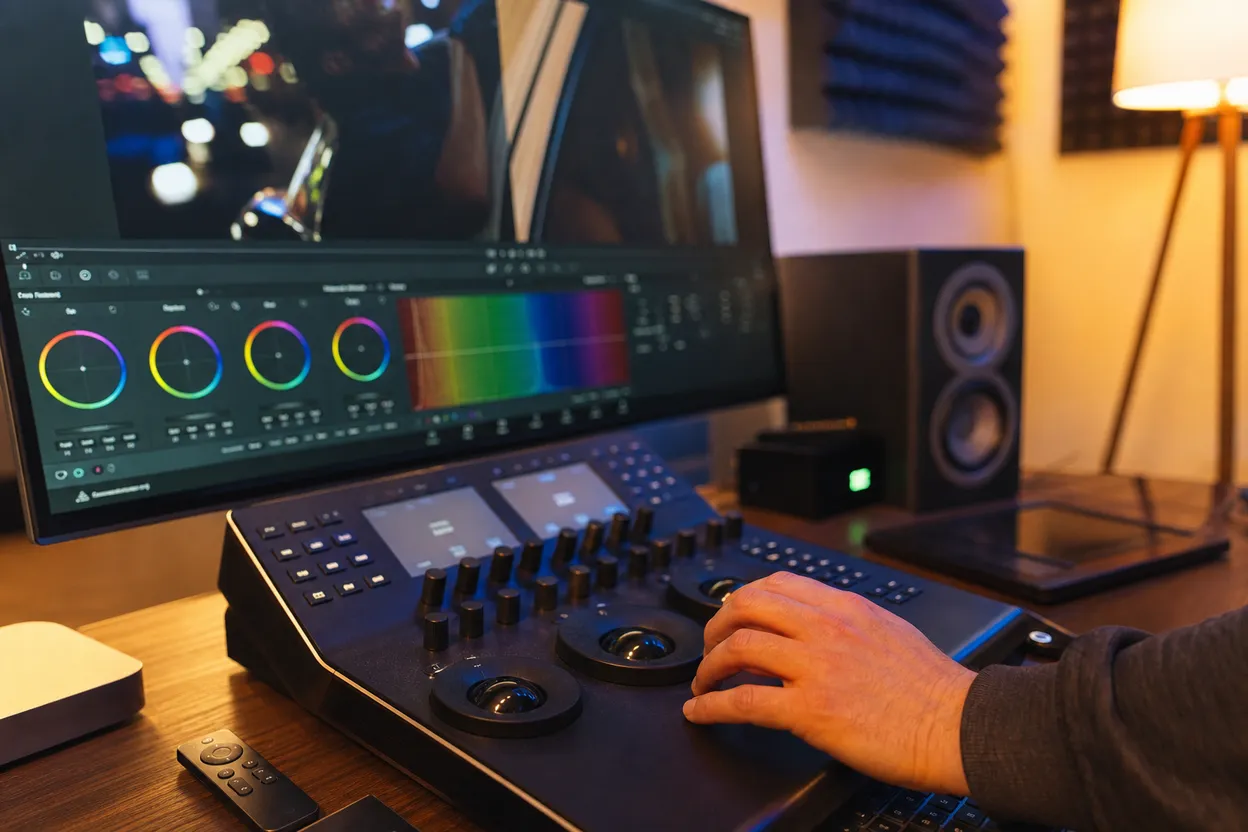
City College of San Francisco gives the slower, more structured option. Its Cinema Department lists production and film studies pathways, including an Associate in Science in Cinema Production, an Associate in Arts in Film Studies, and certificates in Cinema Foundations, Cinematography, Directing, Film Studies, Pre-Production/Producing, and Scriptwriting. That matters if you need sequence, critique, and transcripts more than a one-weekend burst. It is also a useful comparison point before spending on short private workshops.
The tradeoff is pace. CCSF can be better for people changing careers, rebuilding fundamentals, or preparing for transfer, but it will not usually solve an immediate weekend production problem. Before enrolling, verify current registration windows, campus format, prerequisites, fees, and whether a certificate aligns with your actual bottleneck. A screenwriter may need Scriptwriting or Directing; a self-shooter may need Cinematography; a producer should look at Pre-Production/Producing before buying more camera time.
Check Film SF Before Shooting on Streets, Parks, or Transit
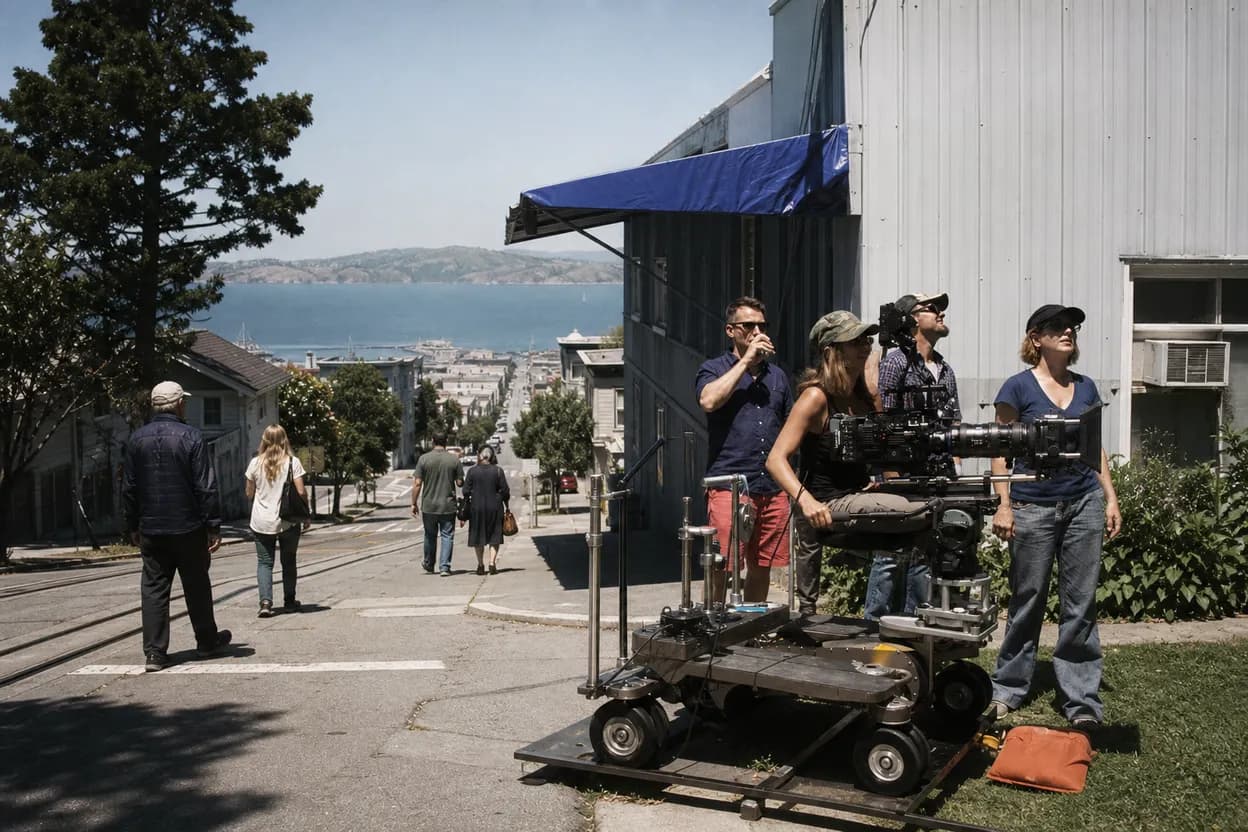
A local learning plan should include permits before anyone points a camera at a public setting. The official SFGOV Film Permit page directs filmmakers to the San Francisco Film Commission, also known as Film SF, for permit guidance. Do not assume a student project, small crew, tripod, drone, sidewalk scene, or branded shoot is exempt. The rules depend on location, activity, equipment, and impact, and they can change by agency or site.
For a medium-difficulty weekend plan, keep your first exercise low-friction: interiors with permission, controlled audio, a short scene, and no blocked sidewalks. If the idea needs public space, build a verification step before casting friends or renting gear. Confirm the permit route, insurance needs, neighborhood constraints, parking, power, and whether transit property has separate rules. The backup is simple: storyboard the public scene, then shoot a private-space proof of concept while the official access question is unresolved.
Take Muni or Presidio Transit When Parking Is the Weak Link
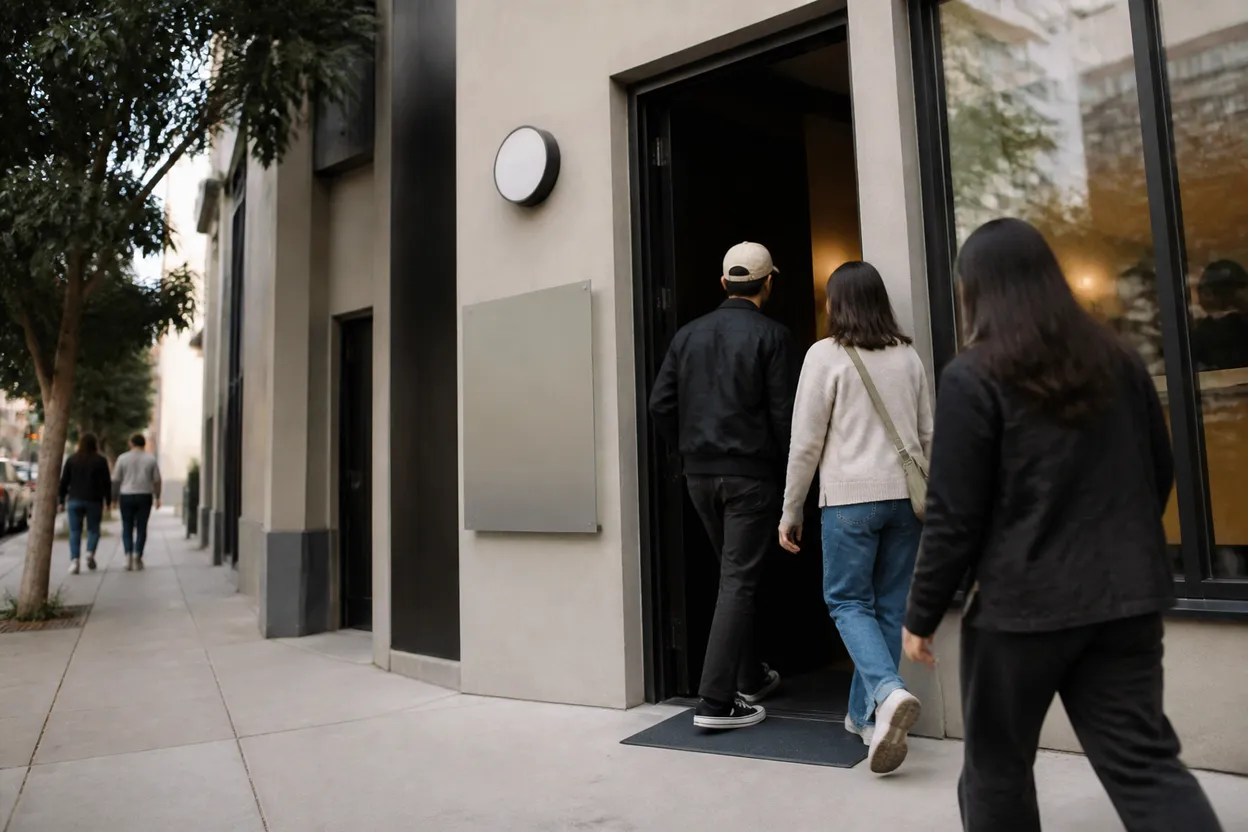
FilmHouse’s own page notes nearby metered parking, metered street parking in surrounding neighborhoods, bike racks, and parking that is generally free after 6 p.m. Pacific time. That is helpful but not a guarantee, especially on weekends around the Presidio. If you are attending a talk, interview, or application event, plan the route before the day of travel and leave slack for transfers, fog, hills, and event crowds.
Transit is part of production discipline. A filmmaker who arrives rushed misses the informal conversations where collaborators appear. For gear-heavy workshops, rideshare or a car may be practical; for notebook-only events, transit plus a backup walk is easier. Accessibility planning should be specific, not assumed: check building entrance, elevator access, restroom access, and the event host’s accommodation process before committing. If weather is cloudy, protect paper notes and batteries rather than overpacking camera equipment.
Bring One Two-Minute Scene to a Table Read or Class
The best response to franchise uncertainty is making something small enough to finish. Bring one two-minute scene, one documentary interview outline, or one visual sequence to whichever San Francisco resource fits your stage. SFFILM FilmHouse programming includes table reads, pitch sessions, industry talks, resident-led workshops, and work-in-progress screenings. BAVC classes emphasize hands-on exercises. CCSF offers longer study paths. Each setting rewards concrete material more than broad ambition.
Keep the exercise narrow: one location, two characters or one subject, available sound, and a measurable learning goal. If you are inspired by canceled movie news, translate that energy into craft questions: how does worldbuilding show up without franchise scale, how does sound imply offscreen space, and how does editing create momentum? The failure mode is copying IP or waiting for permission from the industry. Your own short should avoid protected characters, logos, music, and derivative story elements.
Verify Applications, Class Seats, and Venue Access on August 10
Before acting, open the current program pages yourself on Monday, August 10, 2026. Confirm SFFILM FilmHouse deadlines, eligibility, location details, and accessibility notes; check BAVC’s live class schedule for seats, format, tuition, refund rules, and prerequisites; review CCSF registration and course availability; and use Film SF for any shoot that touches public property. Screenshots are useful because event pages, application cycles, and class rosters change quickly.
The final decision should match your next seven days. Choose BAVC if you need a skill you can practice immediately, SFFILM if you have a project ready for community and application scrutiny, CCSF if you want an academic pathway, and Film SF if you are moving from learning to production. If any price, date, address, access rule, or permit requirement is unclear, do not guess. Make verification the first task, then book the option that survives it.
Tags: #SanFrancisco #SFFILM #FilmHouse #BAVCMedia #FilmSF #CCSF #Filmmaking #CreativeWorkshops #IndieFilm #WeekendPlan #PresidioSF #BayAreaFilm #AskKarpo #BeforeYouGo
Sources consulted: Source 1: sffilm.org · Source 2: bavc.org · Source 3: bavc.org · Source 4: ccsf.edu · Source 5: sfgov.org · Source 6: lucasfilm.com
All trademarks are the property of their respective owners.
Ask Karpo first
Tell Karpo your date, group size, budget, and starting point. We’ll check current access, timing, transit, and the cleanest San Francisco plan for Film Arts Foundation before you head out.