 Bernal Heights Pottery Glaze Supply Browsing Route: Walk
Hidden Gems & Odd Finds
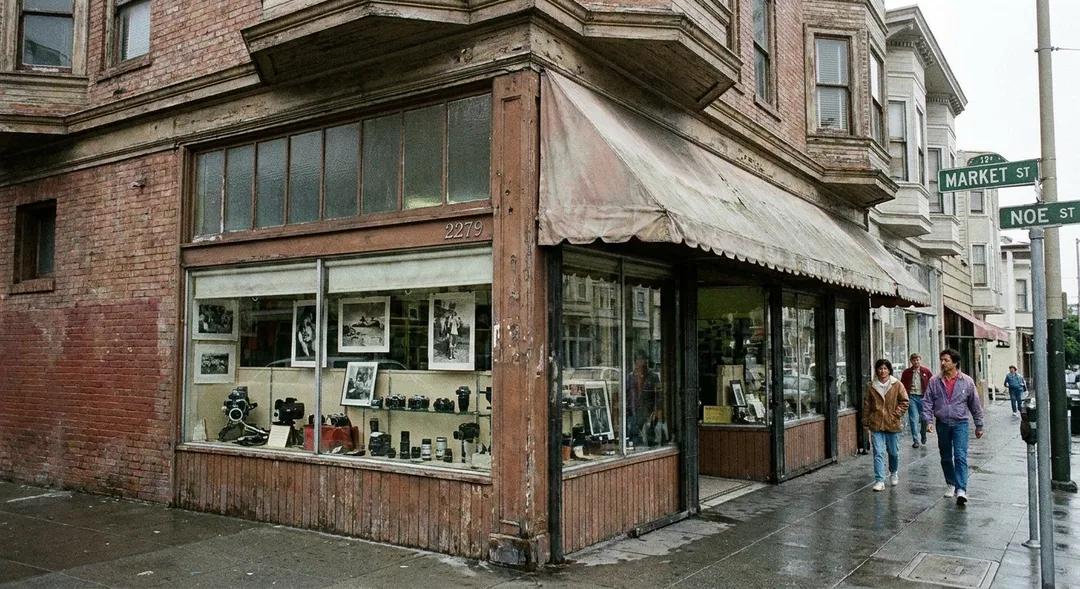
Photoworks SF Film Lab in Castro: $10 Color Rolls
Photoworks SF at 2279 Market Street processes color rolls from $10.00. Drop off your canisters in the Castro and pick up fresh scans promptly.
Photoworks SF has operated at 2279 Market Street since 1987, handling analog emulsions directly at the counter where Market meets Noe Street. Photographers searching for a reliable film lab near me find a dedicated darkroom team that accepts 35mm C-41 color developing starting at $10.00 per roll. Carrying exposed canisters directly to experienced technicians removes the unpredictability of postal drop boxes and distant clearing houses.
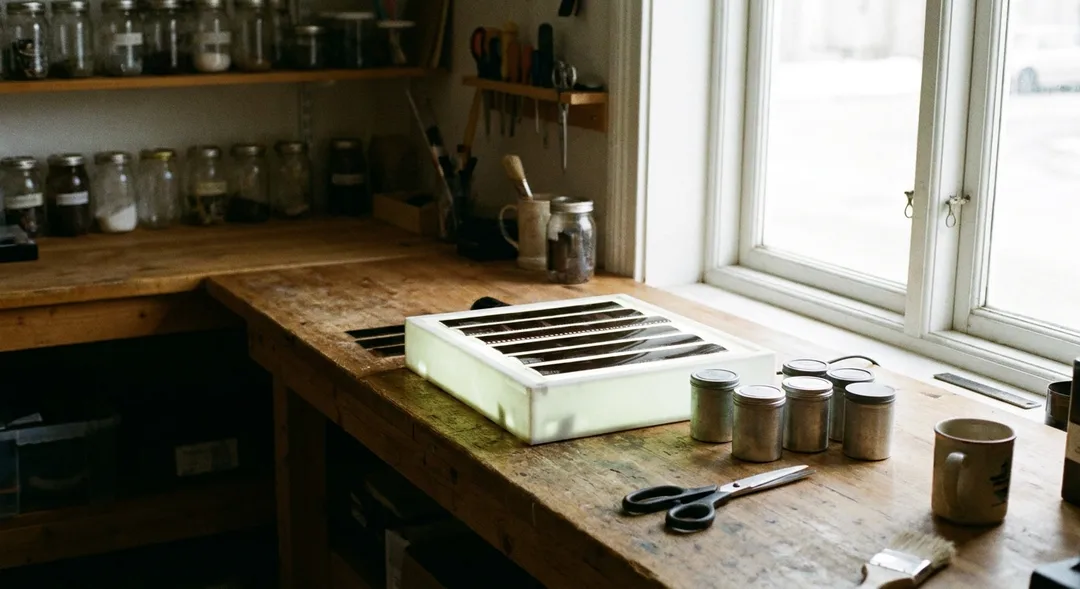
Counter Check-In and Roll Preparation
Walking into the sunlit space, photographers place their canisters on the wooden intake station where technicians inspect each cassette for damaged spools or loose leaders. The staff asks whether rolls ran at box sensitivity or require push processing before tagging each envelope with an individual tracking number. This initial conversation ensures that delicate color-negative tones receive appropriate chemistry timing.
First-time visitors should separate their black-and-white canisters from standard C-41 rolls prior to approaching the desk to streamline the intake queue. The store maintains an active minimum order threshold of $20 per submission, making it practical to bundle two or more rolls together during a single drop-off run. Keeping negative sleeves clean and dry inside protective canvas pouches prevents ambient dust from settling on emulsion surfaces during transit.
The counter staff asks routine questions about shooting conditions to verify if frames were exposed under bright beach sun or dim interior tungsten lamps. Specifying high-contrast conditions allows the team to flag rolls for custom evaluation during the machine run. A quick check of each plastic spool prevents overlapping film turns inside the darkroom cassettes.
Chemistry Standards and Push Processing Choices
The laboratory runs seasoned chemical baths calibrated for standard color-negative processing as well as black-and-white developing and traditional E6 slide film. Photographers shooting indoor documentary frames at nighttime push Portra or Tri-X by one or two stops by specifying developer adjustments on the intake slip. The lab charges clear flat rates for push processing, allowing shooters to stretch grain structure intentionally.
Rather than guessing how automated machines might adjust contrast, local photographers discuss scanner density settings right at the front counter. The technicians output high-resolution files formatted to preserve highlight information across textured midtones, giving editors maximum dynamic range for subsequent digital adjustments. Clear communication at check-in eliminates the risk of blown-out street scenes or muddy shadow values.
Medium format enthusiasts bringing 120 rolls receive the same careful handling across wide-channel roll film scanning options. The technicians monitor developer temperatures throughout continuous cycles, preventing reticulation or color crossover on sensitive daylight film stocks. Archival chemical washes ensure negatives emerge spotless and remain stable across decades of preservation.
Avoiding Midday Lines and Optimal Timing
Counter traffic clusters heavily on Saturday afternoons between 1:00 PM and 3:00 PM when neighborhood hobbyists drop off their weekend rolls. Arriving on weekday mornings shortly after the 11:00 AM opening offers uninterrupted conversations with the processing staff. If counter lines extend past four people during peak hours, visiting the nearby Duboce Park pathway provides a pleasant pause before returning.
Skip ordering oversized display prints on rush turnaround when standard digital scans fulfill your immediate review needs, as specialty enlargement papers add unnecessary processing delays. If unexpected laboratory equipment maintenance temporarily pauses same-day intake, walking downhill toward Mission Dolores corridors offers functional camera consignment browsing. Having an organized backup plan keeps your shooting routine entirely on track.
Shooters operating on strict publishing deadlines should schedule roll drop-offs on Tuesday or Wednesday mornings when processing queues run lighter than weekend peaks. Avoid dropping off film immediately before holiday long weekends, as increased intake volume slows turnaround intervals. Planning ahead allows the darkroom crew to execute thorough quality inspections on every batch.
Castro Street Photowalk and Transit Connections
Leaving your canisters in reliable hands opens up an inspiring street photography circuit along Market Street and adjacent Castro avenues. Turning onto 18th Street leads past historic Edwardian bay windows, independent record storefronts, and vibrant neighborhood murals that reward observant 35mm lens framing. The contrast of afternoon sunlight filtering through transit wires creates layered architectural compositions within three short blocks.
Muni Metro streetcar lines F Market and Castro subway connections at Harvey Milk Plaza stop within two minutes of the shop entrance. Commuters riding inbound trains from Twin Peaks can complete a rapid drop-off before continuing downtown without transferring between transit systems. The flat sidewalk approach accommodates cyclists carrying padded shoulder bags packed with analog gear.
Walking eastward along 16th Street brings photographers into tree-lined residential blocks with cast-iron fences and vintage storefront architectural signage. Taking advantage of the neighborhood's sharp grade changes lets photographers frame expansive urban vistas looking back toward downtown towers. Keeping a spare rangefinder camera loaded with black-and-white stock turns the errand into a productive session.
Practical Handoff Notes and Routine Planning
Photoworks SF welcomes walk-in customers at 2279 Market Street during regular business hours from 11:00 AM to 6:00 PM Monday through Friday, and from 12:00 PM to 5:00 PM on Saturday and Sunday. The lab delivers digital download links via secure email notifications once negative strips pass quality scanning.
Analog photographers who prefer processing their own black-and-white stocks can purchase fresh chemistry jugs, Ilford fixer, and replacement developing reels directly from the display shelf. The retail counter keeps Ilford HP5, Kodak Tri-X, and Portra rolls in stock at regular retail prices for shooters who want to reload immediately. This blend of retail supplies and custom laboratory services makes the Castro storefront an indispensable resource for local creators.
When planning high-volume projects such as wedding coverage or multi-week documentary series, consult the intake technicians about custom roll batching before shooting starts. Establishing preferred color balance references in advance ensures that finished contact sheets align with client expectations across every roll. Taking time to discuss workflow details upfront turns routine processing into a dependable artistic collaboration.
Customers collecting cut negative sheets receive them neatly sleeved in archival print sleeves that fit standard binder storage. Inspecting the physical negative strips under counter light reveals crisp edge markings and consistent frame spacing across every exposure. Archiving these physical sleeves ensures your photographic negatives remain accessible long after digital files are backed up.
Ask Karpo for more information.
Keep reading
- Bernal Heights Pottery Glaze Supply Browsing Route: Walk
 Potrero Hill Pottery Glaze Supply Browsing Route: Walk
 Mission Pottery Glaze Supply Browsing Route: Studio Walk