 Bernal Heights Pottery Glaze Supply Browsing Route: Walk
Hidden Gems & Odd Finds
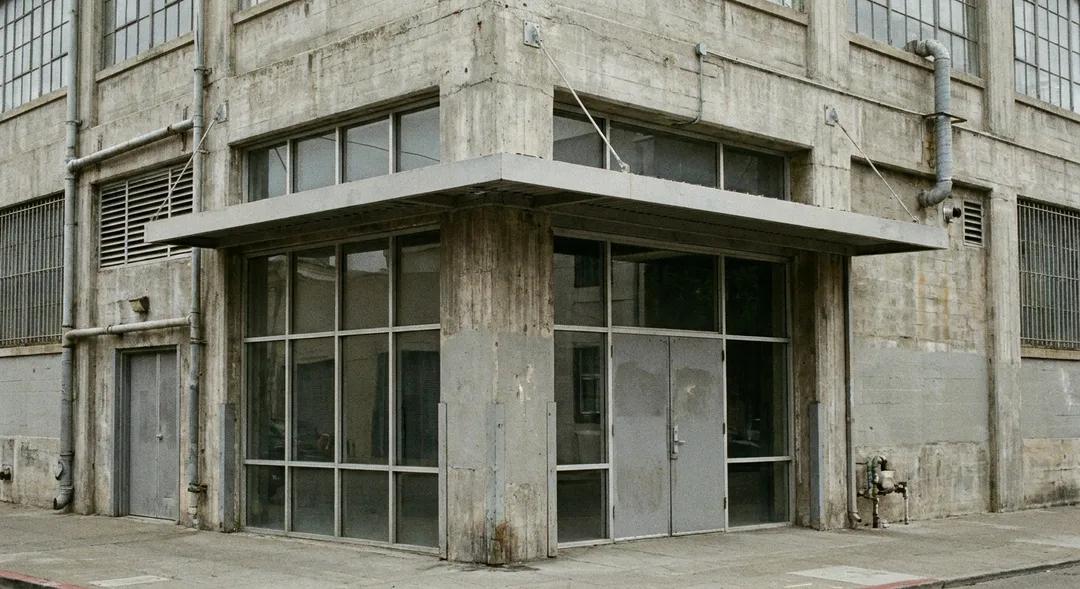
Oscar's Film Lab in SoMa: $1.00 Proof Prints
Oscar's Photo Lab at 790 Brannan Street processes film rolls with proofs from $1.00. Hand your emulsion to seasoned SoMa photographic technicians.
Oscar's Photo Lab was founded in 1982 by Noubar Oscar Demirjian, establishing a professional analog darkroom at 790 Brannan Street in the heart of San Francisco's design corridor. Photographers seeking a reliable film lab near me bring exposed rolls to this working commercial facility where proof prints start at $1.00 per sheet and base developing begins at $11.00 per roll. Rather than entrusting irreplaceable assignments to automated drop kiosks, local shooters rely on four decades of master lab printing expertise.
Intake Workflow and Commercial Standards
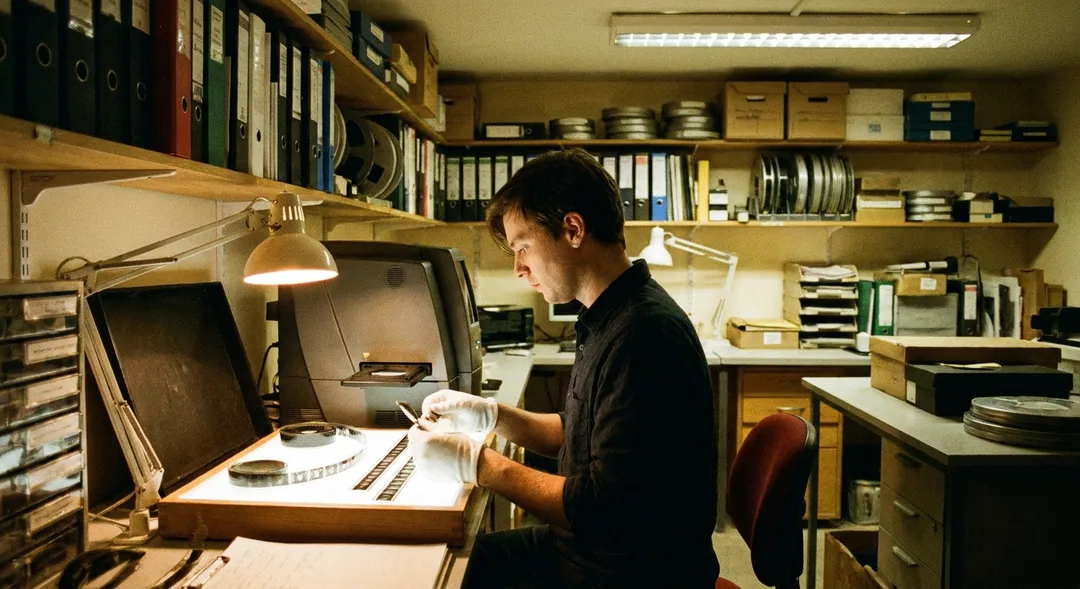
Walking into the spacious workroom at 790 Brannan Street reveals an authentic production environment equipped with darkroom enlargers, roller-transport processors, and high-resolution scanning stations. Intake staff members log each client job envelope with clinical precision, noting whether color negative, true black-and-white, or archival transparency film fills the order. Handing film directly to veteran darkroom specialists guarantees that critical commercial frames receive rigorous chemistry oversight.
Commercial photographers and fine art printmakers frequently request physical reference prints alongside their primary film development. The lab offers 5x7 companion proof prints starting at $1.00 each, providing a tangible color balance reference for client review sessions. Keeping rolls sealed inside dust-tight hard containers protects fragile emulsion layers from city transit debris while navigating the SoMa industrial blocks.
During check-in, technicians confirm whether exposures require standard linear developing or custom density adjustments for high-contrast architectural lighting. Reviewing roll metadata upfront allows the lab crew to calibrate scanning curves that preserve delicate highlight details on overcast morning street captures. This level of technical transparency gives working editorial shooters complete confidence in their deliverables.
Darkroom Chemistry and Archival Standards
The laboratory operates dedicated chemical processors that undergo continuous replenishment and daily densitometer control strips. This disciplined testing regimen ensures chemical activity remains uniform across daylight C-41 color films, preventing color shifts across long production batches. Commercial clients shooting demanding fashion or architectural campaigns count on this unwavering tonal repeatability.
Black-and-white processing takes place in controlled chemical baths optimized for full tonal graduation from deep obsidian shadows to clean paper highlights. Photographers exposing medium format 120 or 4x5 sheet films receive negatives dried in dust-filtered vertical cabinets that eliminate drying marks. High-volume flatbed and drum scanning systems capture fine silver halide textures with exceptional optical clarity.
Large format studio artists can order custom darkroom contact sheets that display every frame at actual size on archival photographic paper. These physical contact proofs allow curators and photo editors to evaluate composition, focus, and negative density under standard gallery daylight fixtures. Archival processing ensures silver gelatin prints remain resistant to fading over decades of display.
Avoiding Midday Congestion and Optimal Drop-Off Timing
Counter activity reaches peak intensity on weekday mornings between 9:00 AM and 10:30 AM when commercial photography assistants drop off studio assignments from the preceding day. Planning your visit for early afternoon between 1:30 PM and 3:00 PM guarantees minimal wait times and allows leisurely conversations with the master lab staff. If temporary intake processing delays occur, the surrounding design showroom blocks offer pleasant walking diversions.
Skip requesting same-day expedited rush service if standard production schedules accommodate your workflow, as deliberate processing intervals give chemical washes optimal time to clear residual silver complexes thoroughly. If commercial delivery trucks temporarily obstruct loading zones, finding nearby metered parking along 7th Street provides a functional backup. Keeping your production schedule flexible ensures superior physical results.
Photographers delivering mixed media packages with multiple formats should sort 35mm rolls, 120 spools, and sheet film holders into separately labeled envelopes. Providing concise written notes about push ratings or special crop requirements expedites counter check-in for everyone. Clear communication at the front desk keeps the darkroom schedule operating smoothly.
South of Market Industrial Photowalk Corridors
Exiting the laboratory onto Brannan Street places you in one of San Francisco's most architecturally compelling industrial districts. Walking northeast toward 6th Street leads past former rail depots, weathered timber loading docks, and brick warehouse conversions that offer striking geometric shadow patterns. Raking afternoon light illuminates textured red brick facades, providing ideal subjects for black-and-white contrast studies.
The lab sits within convenient reach of the 4th and King Caltrain Station and Muni Metro T Third line stops, making regional transit effortless for South Bay commuters. Cyclists utilizing the Townsend Street protected bike corridor can reach the intake desk quickly and park securely inside the building foyer. Wide sidewalks accommodate photographers carrying heavy pelican cases and lighting gear.
Continuing northwest toward Townsend Street brings photographers to quiet rail spur alleys and historic freight bridges that evoke mid-century maritime commerce. The juxtaposition of industrial steel trusses and contemporary glass towers creates dynamic urban compositions along every cross street. Exploring the surrounding blocks turns an ordinary lab errand into an inspiring photo excursion.
Studio Hours and Customer Service Protocols
Oscar's Photo Lab welcomes clients at 790 Brannan Street Monday through Friday from 9:00 AM to 5:00 PM, remaining closed on Saturday and Sunday. Digital scans are delivered through secure cloud galleries as soon as technician quality checks conclude.
Students enrolled in Bay Area arts academies and independent photography programs frequently utilize the lab's scanning suites to prepare final graduate portfolios. The technical staff offers constructive feedback on frame densities, helping emerging photographers identify exposure calibration issues in vintage camera shutters. This supportive educational relationship makes the SoMa facility an enduring anchor within San Francisco's visual arts community.
When preparing long-term exhibition work, shooters can schedule custom color profiling sessions to match specific darkroom outputs with commercial digital press standards. Having access to experienced master technicians ensures that delicate split-toning effects and contrast curves translate seamlessly from film base to final gallery presentation. Collaborative craftsmanship remains the hallmark of this historic studio space.
Finished negative strips are packaged in archival polypropylene preservation pages that fit standard archival three-ring binders. Photographers picking up physical negatives can examine them on the front counter's illuminated light tables with optical loupes to confirm razor-sharp edge sharpness. Archiving physical negative sheets ensures your original film frames retain timeless durability for future portfolio enlargements.
Ask Karpo for more information.
Keep reading
- Bernal Heights Pottery Glaze Supply Browsing Route: Walk
 Potrero Hill Pottery Glaze Supply Browsing Route: Walk
 Mission Pottery Glaze Supply Browsing Route: Studio Walk