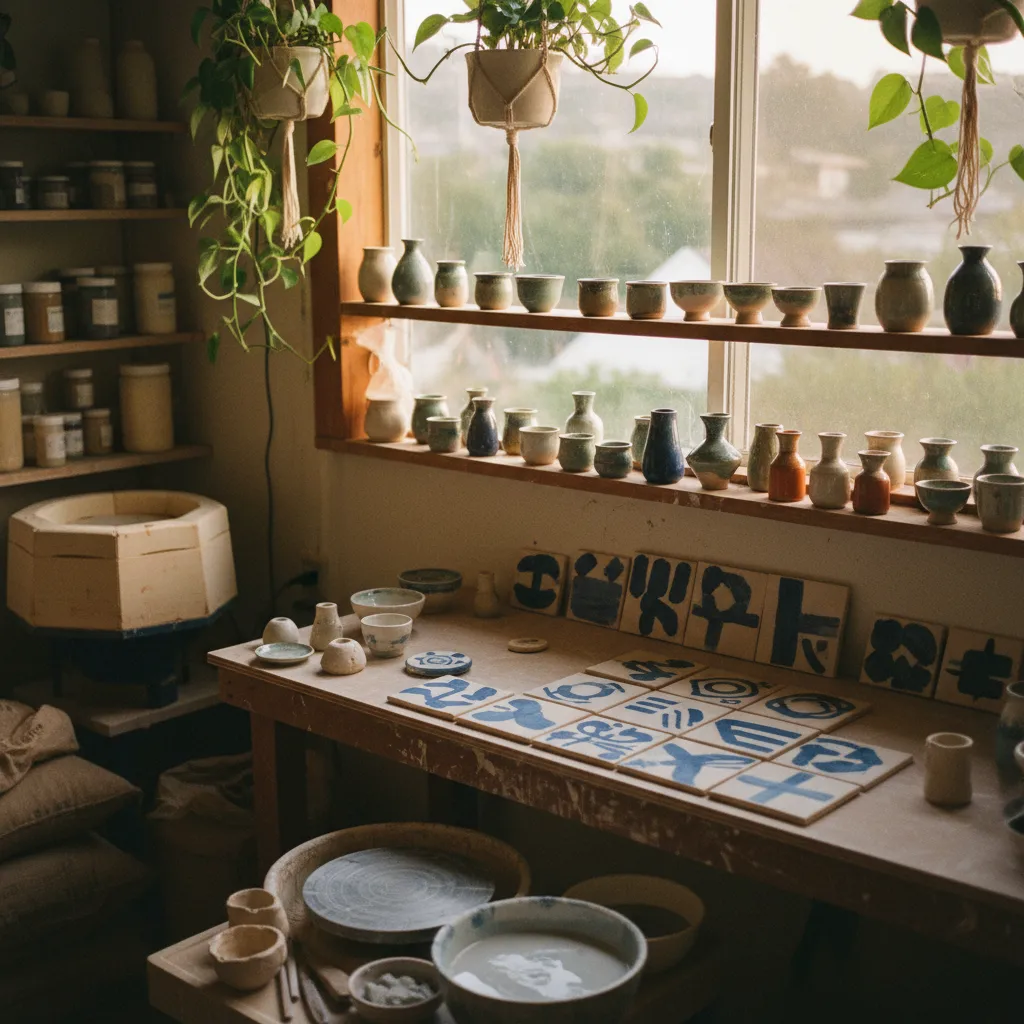
 Bernal Heights Pottery Glaze Supply Browsing Route: Walk
Hidden Gems & Odd Finds
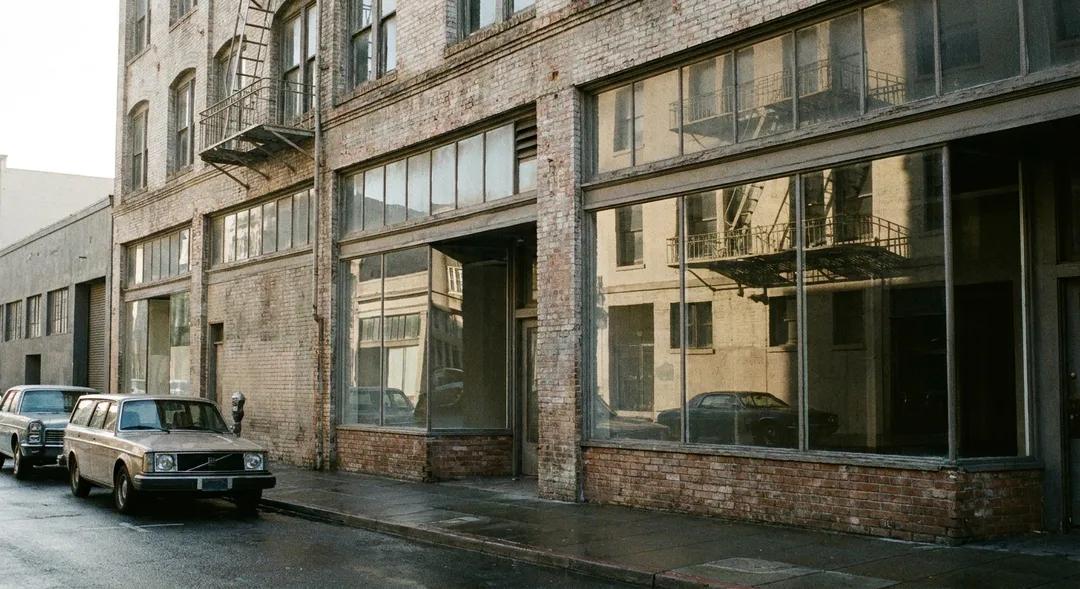
Dickerman Prints Film Lab in SoMa: $12 Custom Rolls
Dickerman Prints at 1141 Howard Street develops 35mm rolls from $12. Entrust your creative analog projects to master SoMa darkroom printers.
Dickerman Prints was founded in 1996 by master darkroom printer Seth Dickerman, establishing a revered custom photographic sanctuary at 1141 Howard Street in San Francisco's creative South of Market corridor. Photographers seeking an exceptional film lab near me bring exposed rolls to this appointment-based studio where 35mm and 120 film processing starts at $12 per roll. When older neighborhood facilities like Lightwaves Imaging closed their doors permanently, local visual artists gravitated toward Dickerman Prints for meticulous fine-art craftsmanship.
Appointment Check-In and Custom Project Consultation
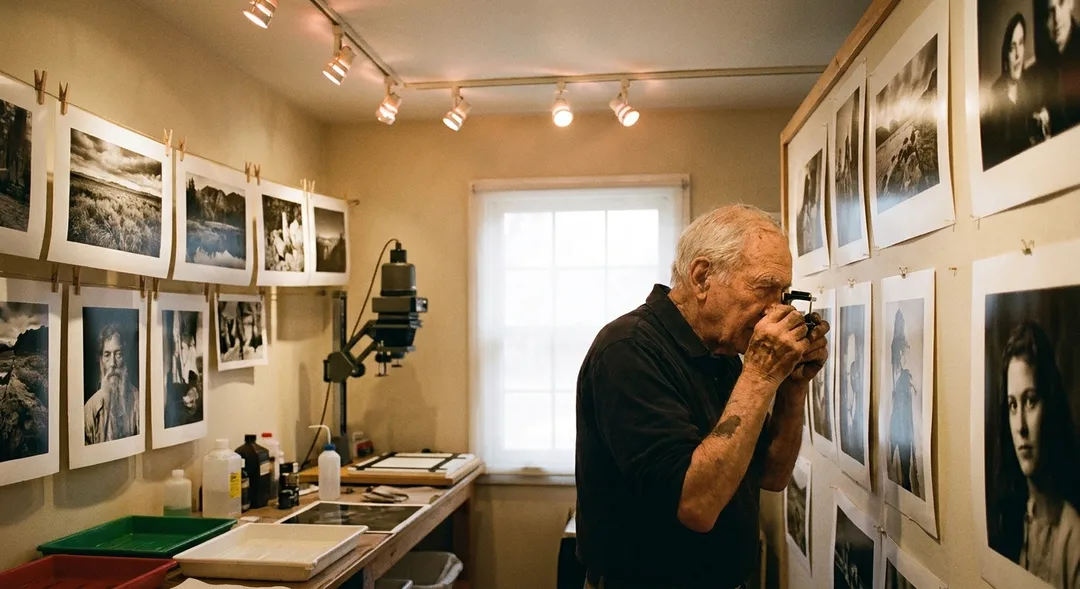
Entering the serene gallery workroom at 1141 Howard Street contrasts sharply with the frantic pace of ordinary high-volume commercial minilabs. Clients meet directly with seasoned laboratory technicians who examine film cassettes under balanced viewing illumination and record precise processing instructions. Handing film directly to master printers ensures that delicate exposure nuances and artistic intentions receive focused personal attention throughout chemical cycles.
The laboratory accommodates a wide spectrum of analog formats, processing standard 35mm and medium format rolls starting at $12 each, alongside 220 rolls at $18 and individual 4x5 sheet films at $8 per sheet. Photographers who shoot large format view cameras or high-end medium format systems find unmatched consistency across both color-negative and silver-halide black-and-white emulsions. Keeping film canisters stored inside padded gear cases safeguards rolls from mechanical shock during your downtown transit.
During intake consultations, photographers can specify exact scanning resolutions, output color profiles, and highlight density targets tailored to their publication media. The team discusses frame characteristics openly, helping shooters determine whether mild pull processing will tame harsh midday contrast. This level of collaborative dialogue prevents unwanted digital clipping in final scan files.
Darkroom Chemistry and Archival Standards
The laboratory employs carefully controlled dip-and-dunk chemical lines that completely avoid abrasive roller contact with wet gelatin surfaces. Continuous temperature monitoring and regular chemical replenishment cycles ensure that color negative developing remains perfectly balanced across every batch. Fine art photographers requiring flawless emulsion purity for large-scale museum enlargements rely on this disciplined laboratory rigor.
Black-and-white processing receives bespoke developer pairings formulated to maximize sharpness, acutance, and tonal graduation from delicate paper whites to deep shadow textures. Developed negatives are dried slowly in pressurized, dust-filtered drying cabinets that eliminate water spotting and drying curl entirely. High-resolution optical scanning captures fine grain structures without introducing digital sharpening halos.
For photographers seeking physical exhibition output, the studio operates archival pigment and traditional darkroom enlarging systems capable of producing breathtaking museum-grade prints. Curators and collectors prize prints produced under Seth Dickerman's supervision for their rich spatial depth and exquisite tonal longevity. Archival processing ensures your analog imagery remains pristine across decades of curation.
Scheduling Appointments and Optimal Drop-Off Timing
Because the laboratory operates primarily on an appointment basis, scheduling your visit in advance guarantees dedicated face-to-face time with the technical staff. Tuesday and Thursday mornings between 10:30 AM and 12:30 PM offer quiet consultation periods where you can review test prints or discuss multi-roll exhibition deadlines without rushing. If appointment slots are briefly delayed, visiting the nearby Howard Street design showrooms offers inspiring visual interludes.
Skip requesting same-day expedited turnaround if your production calendar permits standard multi-day processing intervals, as deliberate darkroom timelines allow technicians to inspect each negative strip under magnification. If downtown traffic temporarily congests Howard Street, nearby public parking garages along 7th Street provide convenient access. Planning your visit thoughtfully ensures an unhurried, highly rewarding studio experience.
Photographers delivering multi-roll portfolio projects should organize cassettes into labeled groups with desired push or pull ratings clearly specified on an intake sheet. Pre-sorting rolls between color negative C-41 and true monochrome stocks speeds up verification for the intake specialist. Clear documentation allows the darkroom crew to execute custom development cycles with zero ambiguity.
SoMa Arts District and Howard Street Photowalk
Visiting 1141 Howard Street places photographers within walking distance of some of San Francisco's most innovative contemporary galleries, print studios, and industrial landmarks. Walking northeast toward 7th Street reveals historic brick masonry facades, iron fire escapes, and striking angular light patterns cast by surrounding tech lofts. The interplay between historic industrial textures and modern glass architecture provides rich subject matter for 35mm street photography.
The studio sits within convenient walking distance of the Civic Center BART and Muni Metro station, connecting shooters effortlessly with the East Bay, Peninsula, and outer neighborhoods. Muni bus route 14 Mission and 27 Bryant stop within two blocks of Howard Street, providing frequent cross-town transit options for local commuters. Flat, accessible sidewalks make traveling with camera shoulder bags completely manageable.
Strolling southeast toward Folsom and Harrison streets brings photographers to historic alleyways adorned with evolving community murals and urban street art. The soft reflected light bouncing off pale warehouse walls creates ideal conditions for subtle color negative exposures. Taking time to photograph the surrounding neighborhood turns an ordinary film drop-off into a memorable creative exploration.
Studio Hours and Customer Service Protocols
Dickerman Prints welcomes photographers by appointment at 1141 Howard Street Monday through Friday from 10:00 AM to 5:00 PM, remaining closed on Saturday and Sunday. Digital scan download notifications are delivered via secure encrypted links once quality review concludes.
Analog photographers preparing gallery portfolios or museum submissions can review specialized black-and-white toners, including selenium and warm-tone sepia baths, to enhance print permanence. The master printers consult on paper bases ranging from fiber-based baryta surfaces to modern archival cotton rag, matching tactile qualities with visual subject matter. Working alongside dedicated darkroom craftspeople elevates raw negative exposures into enduring works of art.
When picking up completed negative strips, photographers receive their cut film packaged in archival polypropylene preservation pages suitable for long-term album storage. Inspecting negative strips on the studio's color-calibrated light tables confirms spotless emulsion surfaces, sharp edge lettering, and even frame spacing throughout every roll. Archiving physical negative sheets ensures your original artistic vision remains permanently preserved for future analog darkroom printing.
Ask Karpo for more information.
Keep reading
- Bernal Heights Pottery Glaze Supply Browsing Route: Walk
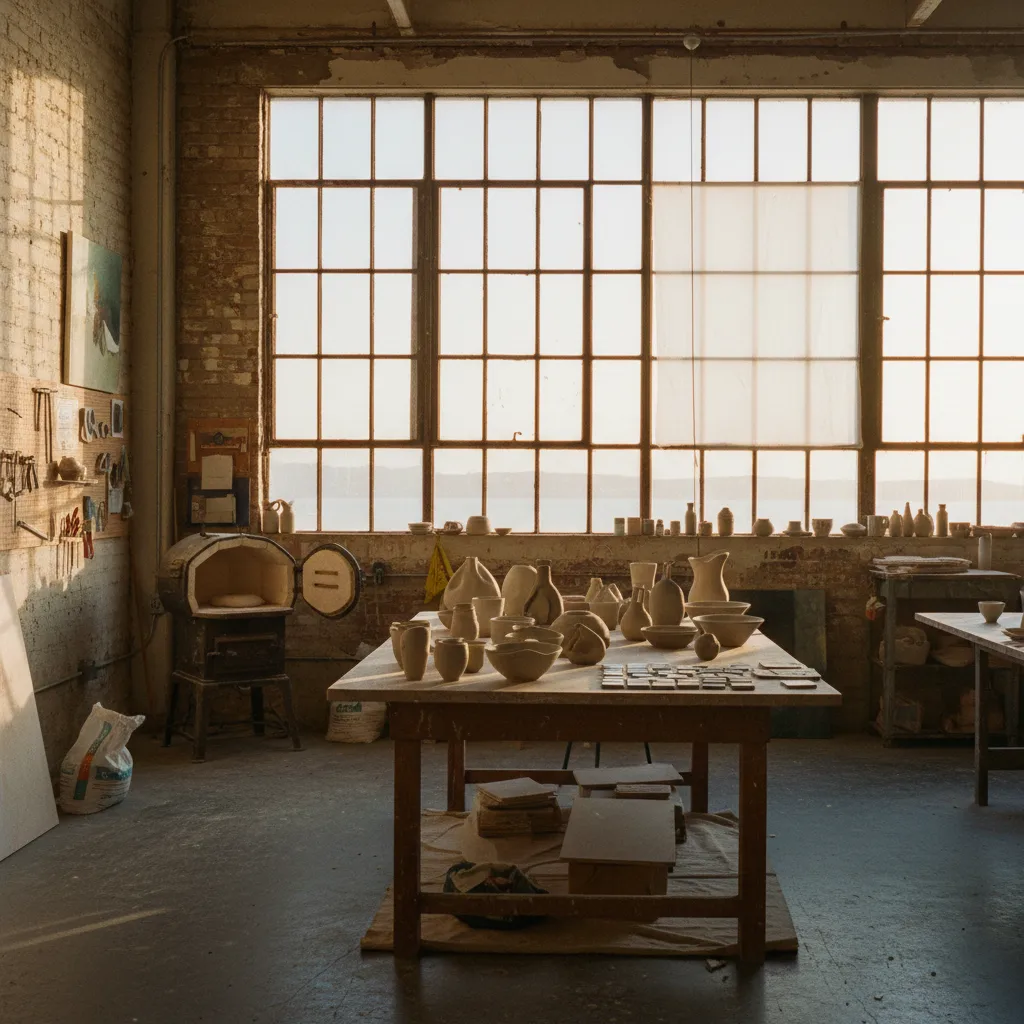 Potrero Hill Pottery Glaze Supply Browsing Route: Walk
 Mission Pottery Glaze Supply Browsing Route: Studio Walk