 Bernal Heights Pottery Glaze Supply Browsing Route: Walk
Hidden Gems & Odd Finds
Glass Key Photo Film Lab in SF: $10 Processing
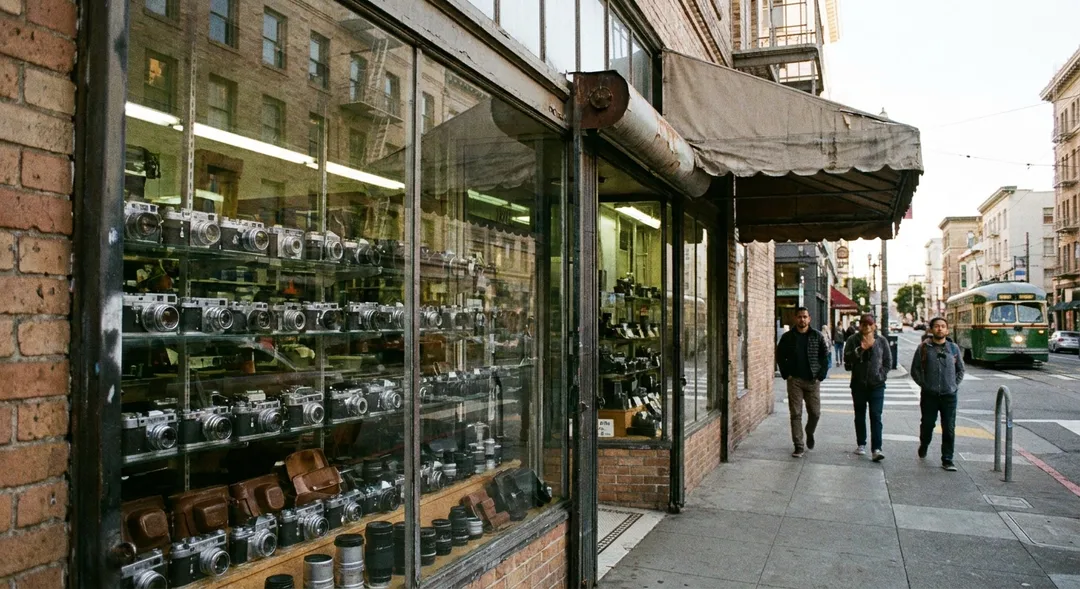
Glass Key Photo at 1230 Sutter Street accepts color rolls from $10.00. Hand off your canisters in Nob Hill and inspect classic rangefinder bodies.
Glass Key Photo began in 2008 when co-founders Matt Osborne and Gordon Szeto started selling film out of the backroom of a Lower Haight record shop before establishing their dedicated retail and drop-off storefront at 1230 Sutter Street. Photographers searching for a reliable film lab near me drop off exposed canisters right at the wooden front counter where developing runs start at $10.00 per roll. Rather than mailing delicate negative cassettes across state lines, local shooters trust a community institution rooted in San Francisco camera culture.
Intake Workflow and Camera Counter Atmosphere
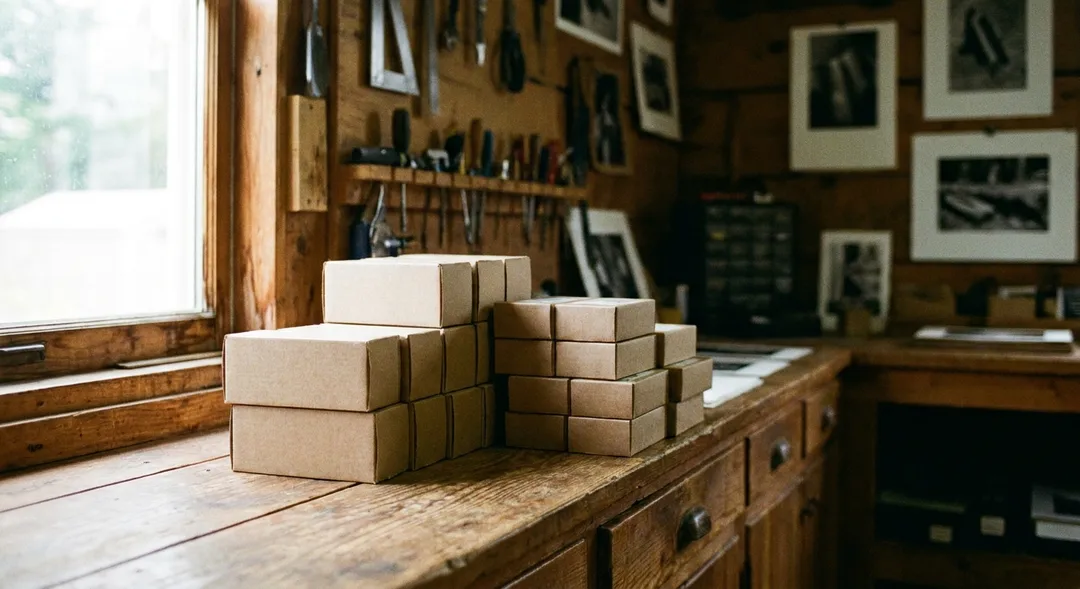
Crossing the threshold at 1230 Sutter Street brings photographers into an analog sanctuary surrounded by glass display cases filled with vintage mechanical rangefinders, medium format TLRs, and rare cine cameras. Technicians at the intake desk log each roll with careful attention, recording emulsion type, frame count, and desired push or pull processing specifications. Entrusting your film to working photographers ensures that subtle exposure nuances are understood from the moment you hand over your rolls.
The counter serves as an official San Francisco intake outpost for Underdog Film Lab, connecting city shooters with professional dip-and-dunk darkroom baths without requiring a trip across the bridge. Standard color C-41 developing starts at $10.00, while black-and-white chemistry runs receive specialized developer formulations tailored to specific grain aesthetics. The shop stocks an extensive selection of fresh 35mm and 120 emulsion bricks, making it effortless to reload immediately upon drop-off.
The staff inspects film cassettes for physical damage, ensuring that damaged velvet light traps or bent spool hubs do not compromise frames during darkroom extraction. Shooters bringing rare expired stocks or specialty daylight rolls can specify custom handling instructions right on the intake tag. Taking time to discuss specific scanning parameters eliminates post-production guesswork.
Analog Emulsions and Chemistry Precision
Because the drop-off pipeline routes through seasoned dip-and-dunk chemical lines, negatives avoid the mechanical roller marks commonly encountered in high-traffic commercial minilabs. Immersion tanks circulate fresh developer, stop bath, and fixer around suspended film hangers, maintaining spotless emulsion surfaces across every 35mm and 120 frame. The resulting scans exhibit smooth tonal transitions and true highlight gradations.
Black-and-white shooters can request specific developer pairings like Kodak D-76 or Rodinal to accentuate acutance on fine-grained monochrome films. Color negative emulsions receive calibrated C-41 replenishment that keeps color saturation vibrant without introducing artificial digital artifacts. The laboratory scans deliver true-to-life skin tones and rich architectural shadows ideal for portfolio printing.
Experimental photographers shooting motion picture emulsions with Remjet carbon coatings can coordinate specialized cine processing workflows directly through the counter staff. Dedicated pre-wash baths lift protective layers safely, leaving clear polyester base stock ready for precision scanning. Clear technical support allows adventurous shooters to expand their creative toolkit without fear of chemical cross-contamination.
Avoiding Midday Congestion and Optimal Drop-Off Timing
The intake desk experiences high foot traffic on Friday afternoons between 3:00 PM and 5:00 PM when photographers stock up on film for weekend outings and drop off finished weekday assignments. Arriving on Tuesday or Wednesday afternoons between 12:30 PM and 2:00 PM ensures a relaxed atmosphere where technicians can inspect your equipment and discuss processing options at length. If counter queues briefly build up, browsing the store's curated vintage lens cases provides an engaging diversion.
Skip requesting expedited overnight returns if your shooting schedule permits standard multi-day processing windows, as allowing negatives to dry naturally in temperature-controlled drying cabinets prevents curl. If sudden laboratory equipment adjustments temporarily delay drop-off logging, taking a short stroll along nearby Polk Street offers functional cafe pauses. Maintaining flexibility keeps your analog shooting routine productive and calm.
Photographers delivering multiple format types simultaneously should bundle their rolls into labeled zip pouches with exposure notes clearly indicated. Clear organization prevents confusion between daylight color negative and high-contrast monochrome emulsions. Thorough prep work speeds up counter verification so you can head back out into the city quickly.
Nob Hill and Lower Haight Heritage Corridors
Leaving your rolls at the Sutter Street desk places you in prime position for street photography along the historic Nob Hill and Polk Street commercial corridors. Walking east toward Van Ness Avenue reveals dramatic Beaux-Arts apartment buildings, vintage neon signage, and intricate masonry entryways that catch raking morning light. Turning south toward Geary Street opens up compelling urban angles framed by classic transit cables and historic street lamps.
Muni bus lines 2 Sutter, 3 Jackson, and 49 Van Ness/Mission stop within one to two blocks of the storefront entrance, providing rapid transit connections across San Francisco. Shooters commuting from the Civic Center BART station can reach the shop in under fifteen minutes via a direct northbound stroll along Polk Street. Broad sidewalks accommodate photographers carrying heavy camera backpacks and tripod gear.
Photographers who remember the shop's original Lower Haight roots can trace an inspiring cross-town photo route southward through Alamo Square toward Haight Street. The gentle climb past historic Victorian Painted Ladies provides expansive panoramic compositions overlooking the downtown skyline. Documenting the shifting architectural texture of central San Francisco makes every film drop-off journey creatively rewarding.
Storefront Hours and Film Service Contacts
Glass Key Photo welcomes photographers at 1230 Sutter Street Monday through Friday from 12:00 PM to 6:00 PM, remaining closed on Saturday and Sunday. Digital scan delivery links arrive via secure email notifications once processing runs pass inspection.
Shooters searching for hard-to-find analog accessories such as threaded cable releases, bayonet lens hoods, and handheld incident light meters will find an impressive selection behind the sales counters. The co-founders take pride in testing mechanical shutters on precision optical testers before placing vintage gear on sale, offering honest assessments of older equipment reliability. This dedication to analog education makes visiting the Sutter Street shop an enriching stop for emerging photographers.
When collecting completed negative strips, photographers receive their cut film housed in archival glassine or polypropylene sleeves designed for safe long-term album storage. Examining negatives under the shop's lightbox reveals sharp frame separation and pristine emulsion purity across all exposures. Preserving these physical negative strips ensures your analog photographs retain archival permanence for generations.
Ask Karpo for more information.
Keep reading
- Bernal Heights Pottery Glaze Supply Browsing Route: Walk
 Potrero Hill Pottery Glaze Supply Browsing Route: Walk
 Mission Pottery Glaze Supply Browsing Route: Studio Walk