 Stonestown Winter Farmers Market Picker for Student Cooks
Weekend Plans
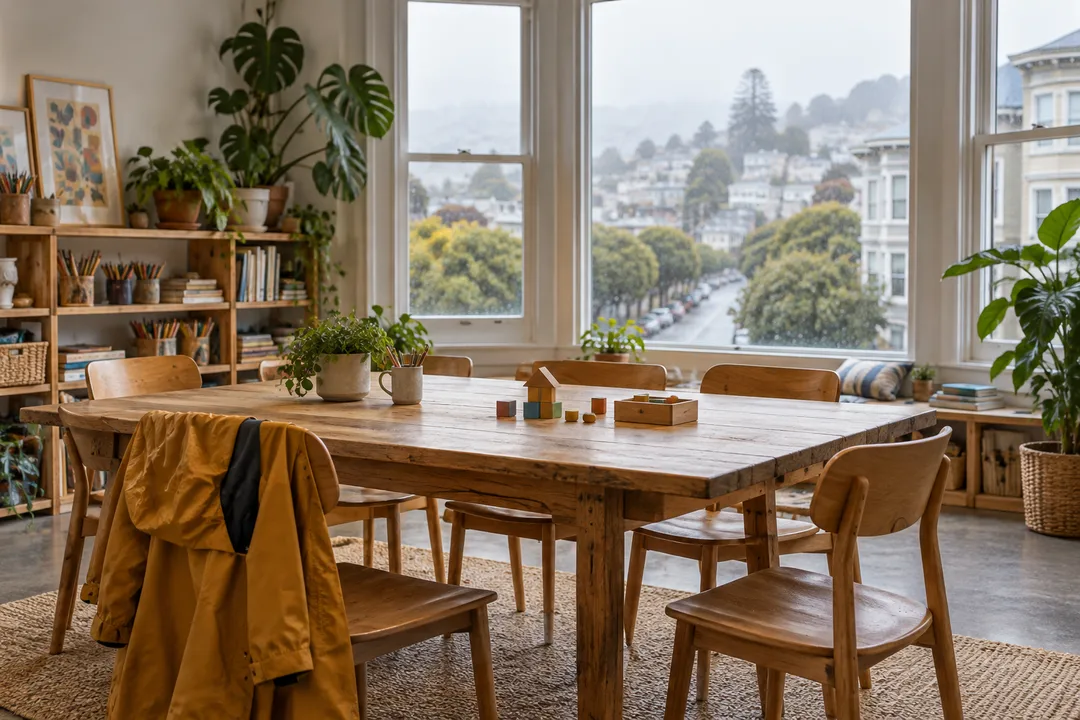
SF Family Outing Planner for Two Hours Indoors
Use a two-hour San Francisco window for one indoor experience, with arrival and travel included, so the family enjoys the visit without a rushed finish.
Two spare hours can disappear into getting ready, traveling and deciding where to go. A San Francisco family outing planner is useful here when the request defines the whole window, rather than treating two hours as time spent inside an attraction. For an indoor outing, give yourself one experience to enjoy properly and an honest route back. The aim is to return feeling that you did something together, without turning the final stretch into a race to the next commitment.
What does your two-hour window actually include?
Consider an example: the family can leave a temporary home in the Richmond District at one o'clock and needs to be back at three. Those are personal planning times, not opening hours for a venue. The clock starts at the door and ends at the same door. Coat changes, transport and finding the entrance belong inside that window. A listing that suggests allowing two hours for a visit would therefore demand more time than this household has available.
Write the fixed commitment beside your starting point before choosing an activity. Perhaps someone has a work call, a child has an afternoon lesson or dinner preparation needs to start at home. Give that commitment its full weight. If being late would create trouble, preserve a margin at the end rather than using every minute on paper. The indoor option you choose should make sense at a shorter length, with a satisfying moment early in the visit.
Compare three shapes of visit
A focused visit gives the family one thing to notice or do. It could be looking closely at a small display, trying a creative activity or spending time with books, provided the suggested place actually offers what interests you. This shape suits a group that wants a clear purpose. Its practical question is whether the experience has a fixed start or a minimum duration. An enjoyable idea that requires arriving for a session halfway through your window is a poor fit for that afternoon.
A relaxed seated outing puts conversation, food or a shared tabletop activity at the center. It can suit a family whose main need is to be together somewhere different from home. Here, seating and how the activity works matter more than the size of the destination. A third shape is an easy browse with permission to leave early. It offers flexibility, although a child who needs an active task might prefer the focused visit. Choose the shape that matches today's energy before comparing individual names.
Put a useful comparison request into Karpo
Open Karpo APP and write something like: “We have two hours door to door in San Francisco, starting in the Richmond District. We are two adults and a seven-year-old who likes making things. We want an indoor outing and a straightforward journey. Give us two ideas with different kinds of activity. Separate travel, arrival and the visit, and explain which works better if we only have a short time inside.” Add your own spending limit rather than borrowing one from a generic family itinerary.
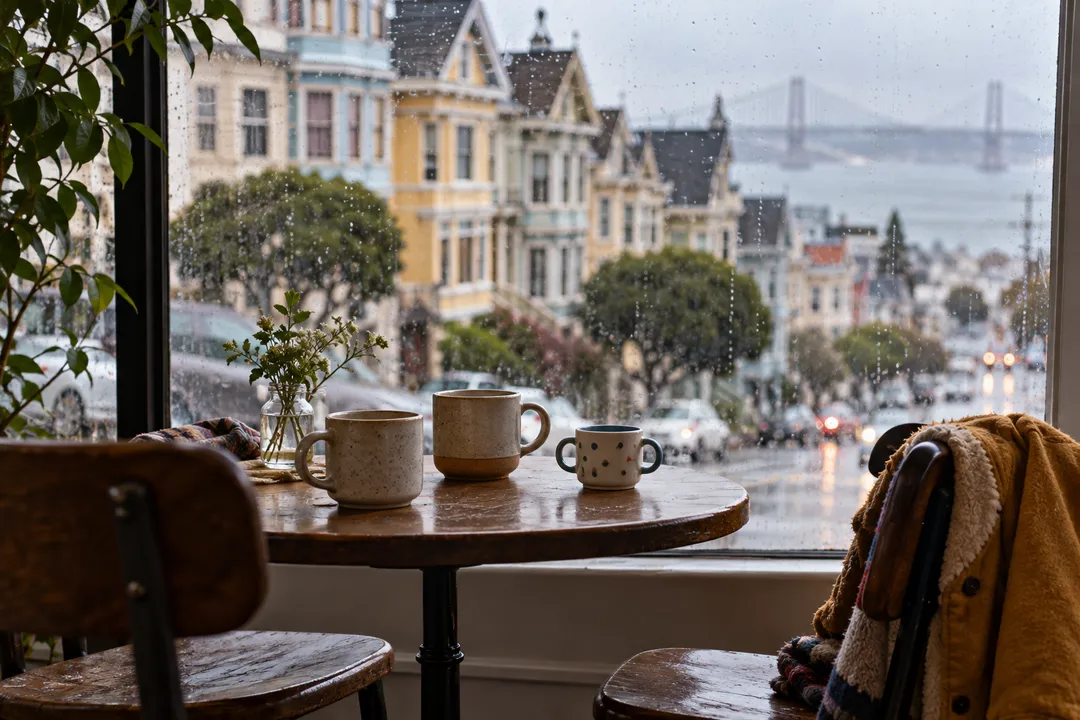
The public Karpo description centers on sharing preferences and getting places, events and plans in response. Use the suggestions as the beginning of your comparison. You can ask a follow-up such as, “Which of these still feels complete after one activity?” That question is more useful than demanding a long list of additional attractions. It directs attention toward the amount of enjoyment that fits in your afternoon, and gives you a reason to choose one suggestion over another.
Give arrival a place in the schedule
An indoor destination still has an outside edge: the approach, the door, somewhere to put wet coats and the process of starting the visit. A rainy afternoon is a good reason to describe those concerns explicitly. Ask about the relevant arrangements for a proposed place instead of assuming an indoor label means every part of arrival is sheltered. The answer needs to be tied to that location. Keep an appealing room and an easy entrance as separate considerations until you have information about both.
Likewise, decide whether your household wants a scheduled activity or something self-directed. A booking can give structure, but a late arrival can reduce the time you have to enjoy it. A flexible visit lets you adapt to the journey, although it still needs to suit the child's interests. Do not label either format automatically easier. The useful comparison is between the actual start arrangements and the way your family handles transitions, including whether anyone needs a few quiet minutes on arrival.
Replace the extra stop with a better first choice
It is tempting to attach a café to every indoor plan. Within a short window, that addition can create a second arrival process and another departure to manage. If food is the reason for leaving home, make it the main outing. If the activity matters most, carry the snacks your family needs where permitted and leave the café as a separate possibility. An outing can feel generous because everyone had enough time at one place, even when the route contains very little.
When two suggestions seem equally good, compare their weakest moments. One might offer the more interesting activity but a complicated journey back. Another might be simpler to reach but less suited to your child's age. Ask which compromise your family would tolerate more comfortably today. This keeps the choice grounded in people rather than ratings. A tired afternoon can call for an easy arrival, while a child excited about a specific subject might happily accept a little more travel within the same overall limit.
Make leaving part of the activity
Before you enter, choose a final small action: return the materials, pick a favorite object or finish the page you are looking at together. That gives the visit a natural ending. Adults can then start putting coats on without announcing a sudden stop at the most engaging moment. Leave room for the ordinary tasks that happen after the activity ends, including a bathroom visit and gathering belongings. A departure time that exists only as a number in a plan needs a practical transition around it.
For your next request, keep the successful parts of this afternoon specific. Perhaps a hands-on task was worthwhile even though the visit was brief, or perhaps the family wanted a quieter room and fewer decisions. Describe those observations alongside the next available window. Today, begin with your actual departure and return times in Karpo APP, ask for two indoor possibilities and choose one whose short version feels complete. A well-used afternoon can have a clear beginning and ending without needing a second destination.
Ask Karpo for more information.
Keep reading
- Stonestown Winter Farmers Market Picker for Student Cooks
 Clement St Winter Farmers Market Picker for Lunar New Year
 Fort Mason Winter Farmers Market Picker for Citrus Bakers