 Stonestown Winter Farmers Market Picker for Student Cooks
Weekend Plans
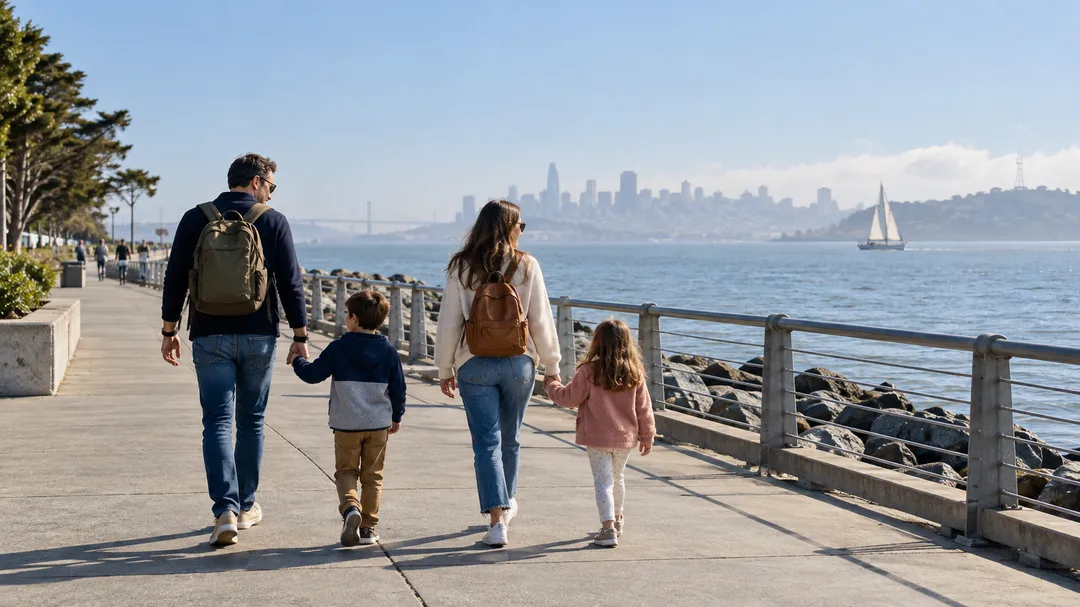
SF Family Outing Planner: Half a Day or More
Choose a satisfying San Francisco half day first, then add an optional extension with its own budget and return plan when everyone wants to continue.
Some families know when they want to leave home but cannot decide whether the outing should fill an afternoon or the whole day. A San Francisco family outing planner can help make that choice by giving the shorter version a complete shape. Build something worth doing even if you return after lunch, then consider a longer option with a fresh reason to continue. The useful distinction is what each version gives the family, including the effort, spending and journey home it requires.
Make the half day feel complete on its own
Start by choosing the moment you would remember afterward. It might be making something together, spending time outdoors or enjoying a meal with relatives. Keep that experience inside the shorter version. If the half day contains only the journey and a preliminary stop, it will always feel like an incomplete full day. A good short plan has a recognizable center and an ending everyone understands. It should remain your first choice when the family wakes up wanting a gentler pace.
Give the short version its own practical boundaries. Name the start area, the time you can leave and the point by which you want to be heading home. Then add the essential needs that belong in either version, such as a seated meal, a quiet pause or keeping travel simple. These form the common core. Optional extras should be easy to remove without losing the main experience, a meal someone needs or the simplest way back.
Ask for two alternatives with a shared beginning
In Karpo APP, try a request along these lines: “We are planning a family day in San Francisco and have not decided how long to stay out. Build a complete half-day option around one shared activity and lunch. Then suggest an extended version that starts the same way but adds something different afterward. We have a six-year-old, prefer short journeys and want an easy decision point after eating.” Add the interests and spending limits that actually apply to your household.
Asking for two versions focuses the comparison. Karpo's public service description supports requests for plans tailored to preferences, so describe the choice you are trying to make. You do not need to ask for a whole new city itinerary when only the length is uncertain. If the longer suggestion changes everything from the start, ask for a revision that preserves the part both versions share. That makes the decision easier to discuss with the rest of the family.
An extension needs to earn the extra time
Look for a change in the kind of experience. A morning of looking and listening might pair with a later chance to move, while an active first stop might lead to a restful meal and a brief browse. The additional part needs its own appeal. Repeating a similar activity simply because it is nearby can leave the family feeling that the day became longer without becoming better. Ask what the extension adds and whether anyone in the group is particularly excited about it.

Think about who would enjoy the extra time least. A child might be cheerful during lunch but unlikely to want another structured visit. An adult might have plenty of energy but need to prepare for the following morning. Give those constraints a place in the comparison. The full-day version works when the extra experience is attractive and the remaining effort is acceptable. It should not depend on persuading a tired person to keep going because everyone else has already invested time in getting there.
Separate the spending decisions
Set a budget for the core outing and another limit for anything added afterward. These are your household's planning figures, not quoted prices for attractions. Keeping them separate makes the extension an informed choice. A seemingly small second activity can involve another meal, extra transport or purchases that were absent from the shorter version. Include those categories in your request so the proposed longer day is compared as a whole, with room to decline any optional spending.
Ticket arrangements also affect whether you can decide later. If an optional experience requires a fixed-time booking, it is a commitment you would make before reaching the afternoon decision point. Treat that as a separate choice. A suggested activity is not a held place, and a proposed schedule is not a booking confirmation. You can instead ask for a version whose continuation does not depend on a timed commitment, then judge the actual arrangements attached to any suggested provider before choosing it.
Put the decision at a comfortable pause
A seated break is a better place to discuss continuing than a doorway where everyone is already gathering bags. Decide in advance which questions matter: has everyone eaten, does the next experience still sound good and can the family manage the return afterward? Give each person room to answer. A young child might need a concrete choice between the next activity and going home for familiar play. Adults can explain the options without presenting the longer day as the more successful one.
Sometimes the answer will be to continue in a smaller way. A brief local wander can be enough when a second major visit feels too much. Keep that as a separate possibility rather than quietly rebuilding a full day around it. If the afternoon idea is no longer appealing, end the outing at the point where its core promise has been met. The short option is doing its job when it lets everyone leave satisfied, without apologizing for the unused space in the original plan.
Compare the two endings before you leave home
For the short version, picture arriving back with time for a rest and the household tasks you still need to do. For the extended version, picture the same return after an additional activity and possibly another meal. This comparison reveals costs that a list of attractions leaves out. Discuss any evening commitments, the children's bedtime routine and how much preparation the next day requires. A longer outing can be worthwhile while still asking more of the family after the fun part ends.
Start your next Karpo conversation with the phrase “a complete short version and an optional longer one,” then explain what the family wants to share. Choose the common core first and judge the extension on its own merits. Keep both endings visible until you make the decision. That gives a San Francisco family day enough structure to feel purposeful and enough room to match the people who are actually there, whether they want to go home after lunch or spend a few more hours together.
Ask Karpo for more information.
Keep reading
- Stonestown Winter Farmers Market Picker for Student Cooks
 Clement St Winter Farmers Market Picker for Lunar New Year
 Fort Mason Winter Farmers Market Picker for Citrus Bakers