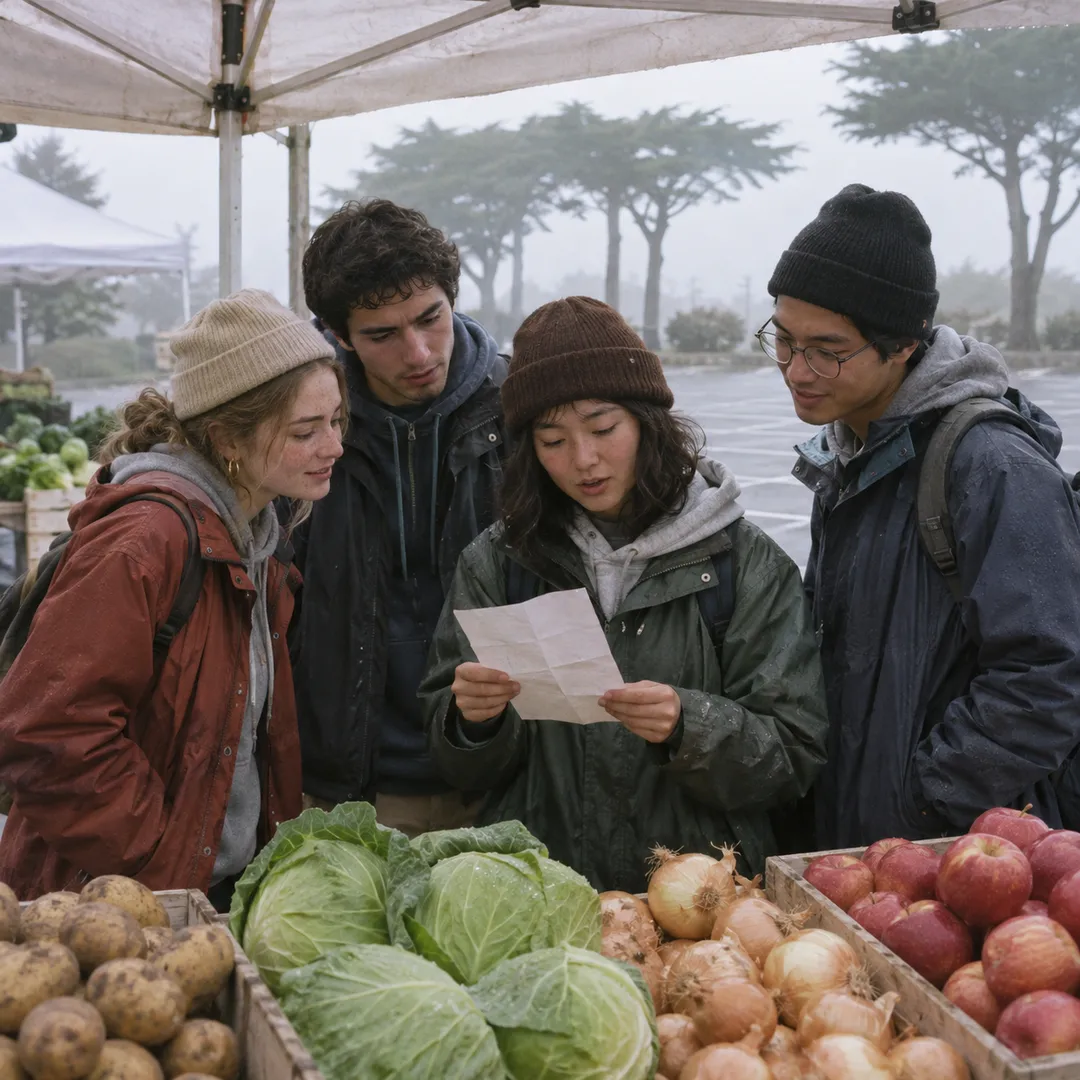
 Stonestown Winter Farmers Market Picker for Student Cooks
Weekend Plans
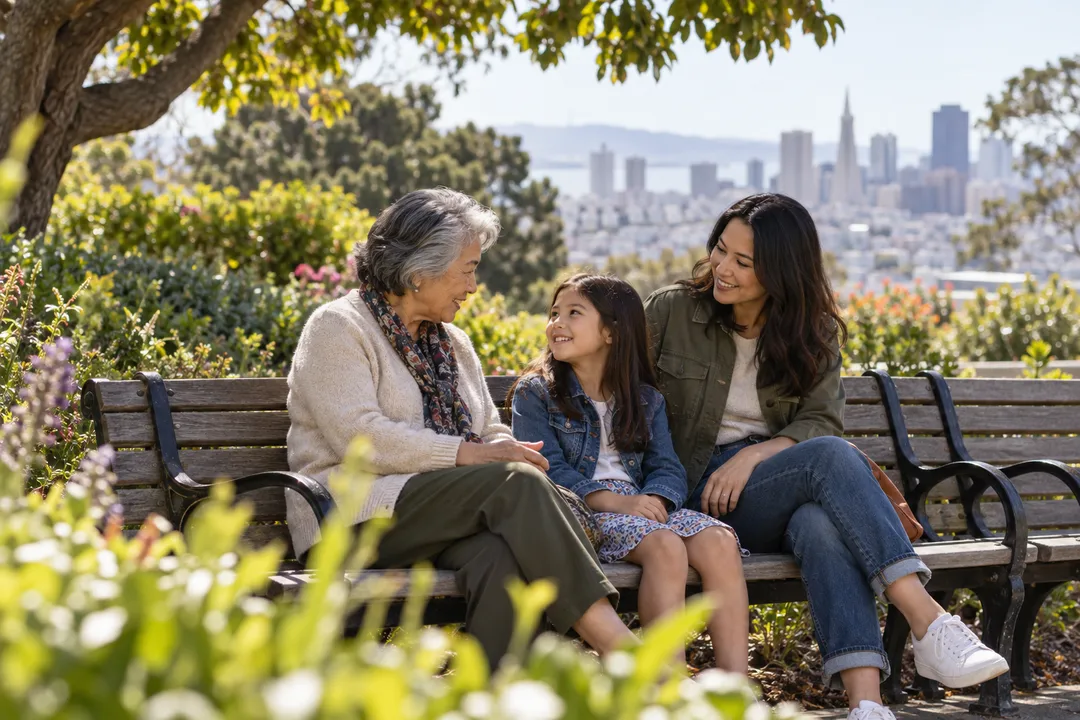
SF Family Outing Planner With Less Travel for All
Build a San Francisco outing around one shared base, comfortable pauses and fewer transfers, giving children and grandparents time together at their pace.
Grandparents want time with the children, children want something to do, and the adults coordinating a San Francisco outing want everyone to arrive with some energy left. A family outing planner can help organize that conversation when you make travel effort a central requirement. Start with a place to gather and a shared experience that can happen there. A smaller area gives the group more chances to sit, talk and change pace without repeatedly moving the entire family across the city.
Ask each person about effort before asking about attractions
Begin with individual conversations. A grandparent might enjoy walking but dislike long periods standing. A child might happily ride for a while but struggle with waiting quietly. Another adult might need an uncomplicated journey home at a set time. Ask what makes an outing comfortable and what makes it tiring. These answers are more useful than assigning preferences by age. Two grandparents can have very different walking abilities, and two children of the same age can want entirely different experiences.
Separate requirements from wishes. Being able to sit during a visit can be essential, while having a particular kind of view might be a preference. Put essential conditions first in the planning brief. Ask the people who need them how specific the wording should be. “Easy walking” is vague, while “short walking stretches with seated pauses” tells the family what to evaluate. Avoid asking someone to disclose health details to the whole group when a practical description of their needs is enough.
Choose a shared base and a simple way to reach it
Think in terms of a gathering place, the main activity and a meal close enough to fit the group's travel tolerance. These are functions to look for, not claims that a particular district supplies them. A base can support different amounts of participation. Someone might browse for longer while another person sits, as long as the arrangement is comfortable and everyone knows how they will regroup. Agree on that possibility beforehand so staying seated feels like part of the plan, rather than being left behind.
Do not assume the shortest line on a map creates the easiest trip. Count transfers, the distance from arrival to entrance and how much standing is involved along the way. A single direct journey may suit your group better than several shorter rides. Starting from different homes also changes the decision. Compare the journeys for the people who find travel hardest, and consider whether choosing a different gathering area would improve the day for them without making it unworkable for everyone else.
Turn the conversation into one planning request
A sample message for Karpo APP could read: “Help us plan an afternoon together in San Francisco. We are three adults, two grandparents and a child of eight, meeting from different starting areas. We want one main activity and a seated meal, with as few transfers as possible. One person needs frequent seated pauses and the child enjoys drawing. Suggest a compact outing and explain where people could rest while others continue.” Replace the sample group with your real companions and name the actual starting areas.

Karpo describes its service as suggesting places, events and plans based on the preferences you share. Asking for a compact arrangement fits that role. Treat the response as material for a family decision, with particular attention to the requirements you listed. If an idea adds a distant second attraction, bring the conversation back to the shared base. Ask for a version that keeps the interesting part and removes the additional journey. You are allowed to reduce a plan that otherwise sounds attractive.
Compare the journey home, not just the arrival
A gathering can begin with enthusiasm and end with several people needing rest. Look at the return before committing to the main activity. If the route home depends on crossing the city after dinner, the meal location becomes a significant choice. A meal closer to the departure point might leave the group in better shape. Consider the person with the earliest departure too. They should be able to leave without making the remaining family abandon the experience they came to share.
Create one clear regrouping arrangement using details the family already knows: who stays with a child, who accompanies someone taking a rest and where the group will meet again. Do not rely on everyone noticing a new message immediately. A named meeting point within your chosen location and an agreed time can make a short separation feel manageable. If staying together matters more than individual browsing, say so and keep the activity small enough for the whole group to experience at a comfortable pace.
Make the meal work for conversation
A family meal has several jobs. It offers a seated pause, gives children something familiar within a new experience and creates time for people who have not seen each other recently. Discuss dietary needs and the kind of setting people enjoy before requesting suggestions. A lively atmosphere can be fun for one household and difficult for another. Describe whether conversation, quick service or a particular food preference matters most, then judge the proposed meal against that priority.
The cost conversation should also happen before the table. Decide whether one person is hosting or households are paying separately, and set a spending limit the group is comfortable sharing in the request. There is no need to invent a typical San Francisco family bill. Your own ceiling is the relevant number. Treat an estimated outing total as a planning aid, while actual charges belong to the provider's offer. A proposed meal does not create a reservation or settle how the family will divide the bill.
Give everyone a role that suits the day
The most energetic person can take on the extra walk to collect something, while the person who enjoys organizing can keep track of the return arrangements. A child could choose a subject for a drawing to show the grandparents afterward. Assign small tasks with consent and avoid turning one adult into a full-time coordinator. The purpose is to distribute the effort around a shared experience, leaving each person enough attention to enjoy the company they came to see.
When you are ready to begin, put the group's practical needs into Karpo APP before asking for place names. Ask for one compact proposal and a simpler alternative. Discuss those suggestions with the people whose comfort determines whether the outing works, then choose the version they can enjoy. Fewer transfers and a clear place to gather can create more room for the reason everyone made the journey: spending unhurried time together across generations.
Ask Karpo for more information.
Keep reading
- Stonestown Winter Farmers Market Picker for Student Cooks
 Clement St Winter Farmers Market Picker for Lunar New Year
 Fort Mason Winter Farmers Market Picker for Citrus Bakers